
Tanzania Faces Travel Disruption as Kilimanjaro Fires Shut Three Routes and New Plans are Now a Must

Published
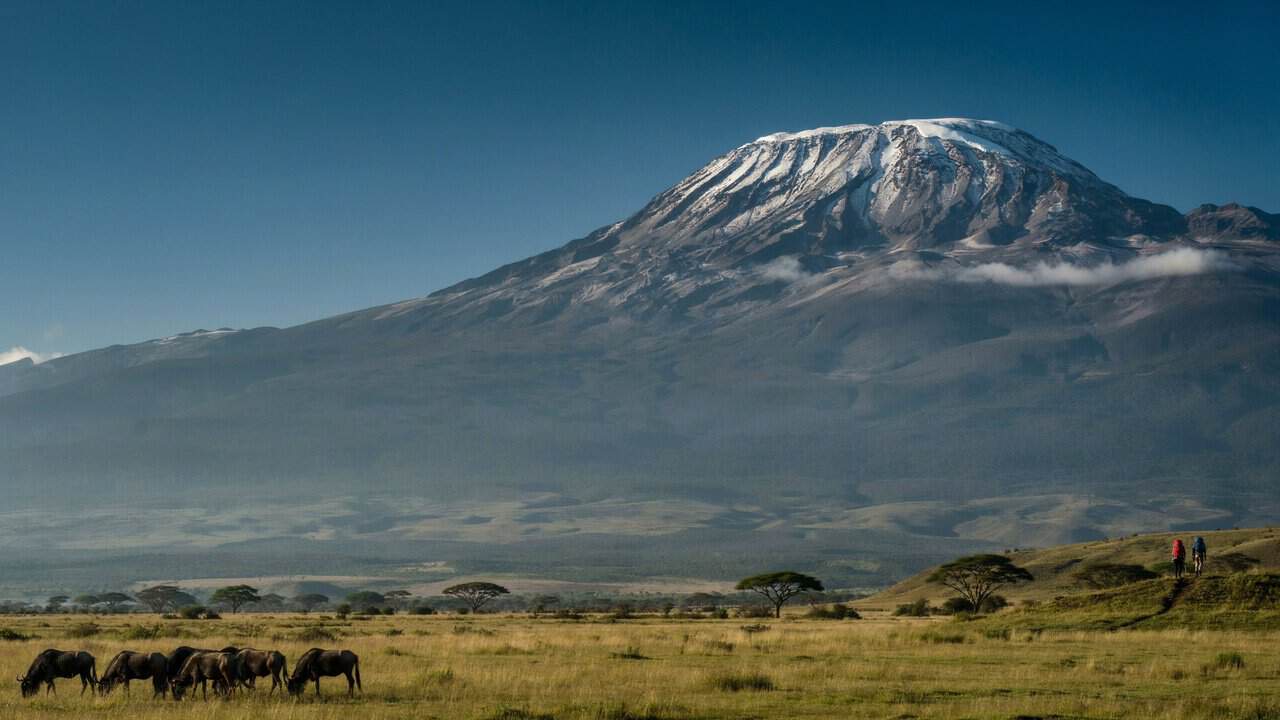
Tanzania Faces Travel Disruption after wildfires closed the Rongai, Lemosho and Londorosi climbing routes on Mount Kilimanjaro. UK government advice updated on 6 October 2026, and current on 7 October, confirms that climbers are moving to alternatives. Visitors with affected bookings need revised arrangements, while the notice gives no reopening date. The warning concerns mountain access and does not announce nationwide tourism closures or new visa restrictions.
Tanzania Faces Travel Disruption Across Three Climbing Routes
The immediate issue concerns access for climbers, with insurance and entry rules providing separate practical context. The percentages below represent an editorial assessment of this story’s emphasis, not official statistics, affected visitor shares or measured economic losses. Mountain access receives the largest allocation because the advisory directly confirms closures and rerouting.
Advertisement
Advertisement
| News Component | Share of Story | Officially Verified Finding | Relevance to Travellers | Official Source |
|---|---|---|---|---|
| Mountain access | 55% | Three named routes closed | Confirm alternative arrangements | UK travel advisory |
| Inbound insurance | 20% | Mainland requirement began on 1 October | Obtain designated cover | Tanzanian government notice |
| Entry and health | 15% | Passport, visa and screening rules apply | Check individual eligibility | UK entry guidance |
| Tourism context | 10% | National arrivals increased 7.1% in 2025 | Indicates scale, not wildfire losses | Official tourism survey |
Together, the evidence establishes a specific interruption to climbing holidays alongside existing travel obligations. It does not establish that every mountain route, safari destination or beach resort has closed. The advisory directs affected travellers towards their operators and local instructions. That distinction matters when deciding whether a particular booking requires changes or simply continued monitoring.
Closures and Insurance Changes Follow Separate Timelines
The relevant insurance regulations date from 4 September 2026. A government notice published on 27 September confirmed implementation from 1 October, with a published premium of US$44 per visitor and medical emergency cover lasting up to 92 days. The wildfire advisory followed on 6 October, identifying the three closures and redirection of climbers. On 7 October, that advice remained current. The insurance policy therefore preceded the mountain alert and should not be described as a response to it.
Advertisement
Advertisement
The immediate Travel Disruption concerns route access following reported wildfires. The notice does not identify the ignition cause, quantify the affected area or specify replacement routes. For travellers, the practical significance extends beyond choosing another path: starting points, overnight stops and onward connections need checking against the revised itinerary. These are booking checks, not evidence that hotels or transport services have already suffered losses. Reopening dates, cancellation totals and wider commercial effects remain unresolved. A substitute climb also needs assessment for terrain, weather and altitude. Official guidance advises using established routes and reputable operators, travelling in groups and carrying suitable equipment. That advice remains relevant when access restrictions require a different programme.
Tourism Figures Show Scale Without Measuring Wildfire Losses
Official figures for the United Republic of Tanzania recorded 2,294,495 international tourist arrivals in 2025, against 2,141,895 in 2024. The increase reached 7.1%, equivalent to 152,600 additional arrivals. Tourism earnings rose 13%, from US$3,903.1 million to US$4,410.6 million. These annual measures describe national performance before the current incident. They demonstrate tourism’s economic importance, but cannot establish changes in mountain bookings, visitor confidence or local income caused by the October closures. The same survey identified leisure and holidays as the main purpose for 64.6% of visitors nationally. This supports the relevance to holiday travel, while the broader national sample prevents those findings from becoming measurements of climbing demand.
Advertisement
Advertisement
Tanzania Faces Travel Disruption against a more recent accommodation benchmark of 65.1% bed occupancy in July 2026. The comparable July 2025 rate was 63.4%, making the increase 1.7 percentage points, or approximately 2.7% relative growth. The mainland survey covered 266 sampled establishments across ten regions, with 265 responding. It included Arusha and Kilimanjaro, but did not measure every property nationally. Occupancy means occupied bed nights divided by available bed nights; it is not a count of individual tourists. The annual arrivals series and monthly accommodation sample use different periods and methods, so their growth rates are not directly comparable.
Entry Requirements Remain Separate From Travel Disruption
British citizen passport holders need six months’ passport validity after arrival, one blank page, a visa and an onward or return ticket. E-visas and qualifying single-entry visas on arrival remain available, while multiple-entry visas are unavailable on arrival. Work and volunteering require a work permit. Other nationalities must check their own requirements. Non-resident visitors also need designated insurance for their first arrival point, whether mainland Tanzania or Zanzibar. Other policies do not replace it, and missing cover can lead to refused entry. Insurance benefits remain subject to policy terms. Travellers should distinguish mandatory entry cover from additional protection needed for climbing, treatment or evacuation.
Advertisement
Advertisement
Health checks include temperature screening for mpox. Heightened Ebola screening remains for arrivals from DR Congo, while the additional measures for Uganda arrivals have ended. Yellow fever certificate requirements depend on origin and relevant risk rules. Climbers must also consider altitude sickness and limited medical facilities, especially outside Dar es Salaam. A separate warning advises against non-essential travel within 20km of the border with Mozambique’s Cabo Delgado province. Its geographical limits should not be confused with mountain closures or a nationwide restriction. Official guidance also warns that travel against regional advice could invalidate insurance. Visitors should assess every planned stop against its own location and risk profile.
Practical Steps for Climbers and Safari Travellers
Travellers booked onto affected routes should contact their operator before assuming the original programme can proceed. Official guidance supports checking the itinerary, following local instructions and arranging insurance appropriate to the activities. The immediate response should match the actual booking, location and departure date. Insurance can be purchased online or at arrival points, but the government notice encourages arranging it before travel. This can help avoid entry delays.
- Confirm the replacement route, overnight stops and ground transfers.
- Check passport validity, visa eligibility and required arrival insurance.
- Review climbing cover, emergency evacuation arrangements and policy exclusions.
- Obtain park permits, use official campsites and follow wildlife rules.
- Keep essential contacts offline because internet disruption can occur.
- Move away from wildfire smoke and vegetation towards safety.
Safari extensions and other journeys need their own checks. Remote parks can be difficult to reach during emergencies, while heavy rain can make roads impassable. The Burundi border area and Kigoma region carry robbery and hijacking risks. Avoid overloaded ferries and follow local transport advice. Current guidance also covers protests, crime and legal risks for LGBT+ travellers. These issues remain distinct from the fires. No reopening timetable or scheduled access announcement appears in the current wildfire notice. Government travel advice offers email notifications when it changes. This provides a way to monitor further official guidance without assuming when restrictions will end. Tanzanian-certified airlines face a UK commercial operating ban, but that restriction does not announce a suspension of all domestic flights within Tanzania.
Tanzania Faces Travel Disruption With Reopening Dates Still Unconfirmed
The confirmed Travel Disruption affects three Kilimanjaro climbing routes, with travellers moving to alternatives. Its wider economic effects remain unmeasured, and the official notice provides no reopening date. Visitors should confirm revised itineraries, check activity insurance and meet separate entry requirements before departure. National tourism growth offers context but cannot demonstrate losses from these fires. For businesses, accurate information and clear booking arrangements remain immediate priorities. Any longer-term assessment requires evidence about access, cancellations and spending. Until further announcements clarify conditions, travellers should follow official updates and local instructions, making decisions about their own journeys rather than assuming nationwide disruption.
Advertisement
