
Al Thakira Mangroves Put Qatar’s Eco-Tourism in Focus Beyond Doha

Published
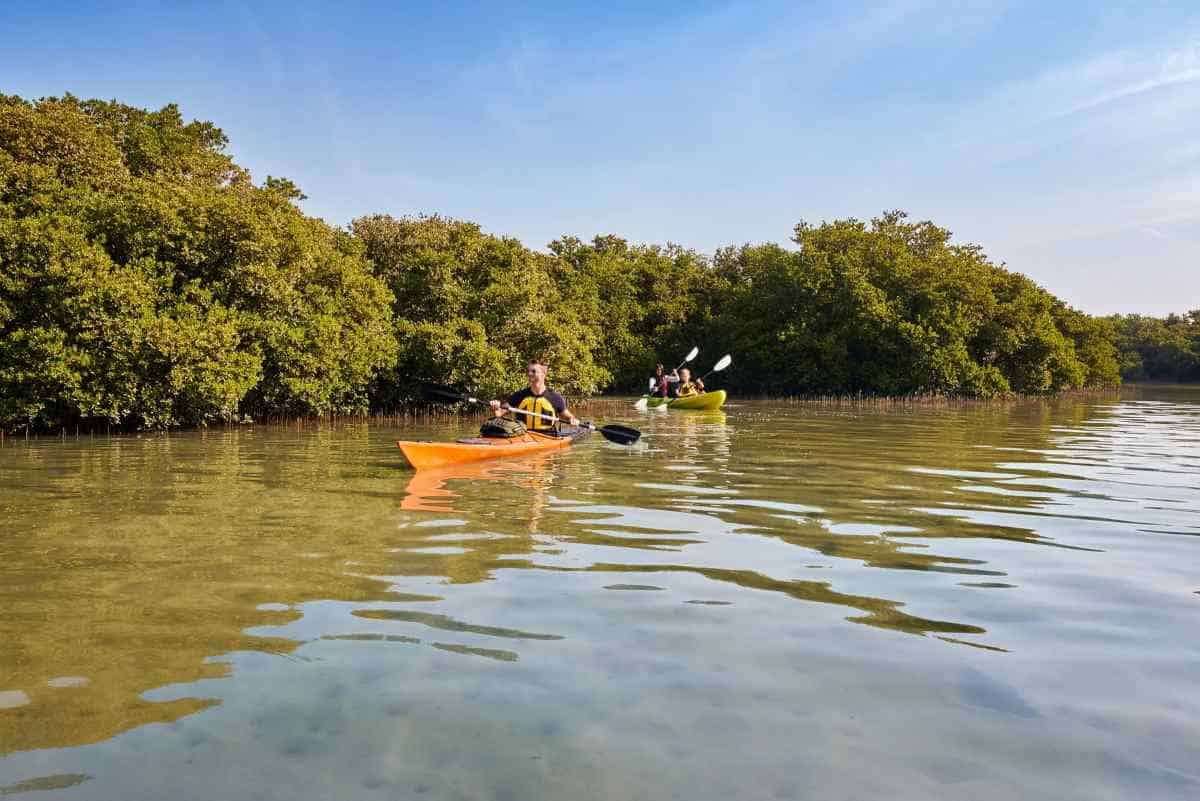
Al Thakira Mangroves, located in Qatar, are turning out to be an important addition to Qatar’s natural tourism attractions, offering an alternative to the cultural and modern architecture attractions in Doha. Situated along the northeastern coast of Qatar close to Al Khor, Al Thakira Mangroves offer kayaking adventures, bird watching, photography, and exploring the coastline. The claim about the construction of a zero-emission marine hub with solar-charged docks for electric-assisted kayaks on October 6th, 2026, with income from commercial permits going to replanting of mangroves, could not be independently verified using any of the available sources at the moment. The claim about the establishment of these facilities therefore cannot be considered as verified at this time. The existing Al Thakira Reserve is, however, a well-known protected natural reserve.
Al Thakira Is One of Qatar’s Key Mangrove Areas
Al Thakira is home to one of Qatar’s largest and oldest mangrove forests.
The reserve was established in 2006 and contains a mixture of mangrove swamps, coastal mudflats, salt flats, sandy and rocky shores, tidal pools, seagrass beds and other marine habitats.
The area’s grey mangroves are adapted to Qatar’s saline coastal environment and provide habitat for fish, crustaceans and birds.
Advertisement
Advertisement
For travellers, the landscape offers a striking contrast with Qatar’s surrounding desert environment. Dense green mangrove vegetation extends through shallow waterways, creating a setting that is particularly suited to low-speed exploration by kayak.
Kayaking Is a Major Visitor Activity
Kayaking is one of the most established ways to experience Al Thakira.
Advertisement
Advertisement
Tour operators provide guided excursions through the mangrove channels, with trips available at different times of day. Sunrise and sunset outings are particularly suited to travellers looking for quieter conditions and opportunities for photography.
Visitors can navigate between mangrove roots while observing fish, crabs and birdlife in the shallow waters.
Advertisement
Advertisement
The activity also provides an alternative to Qatar’s better-known desert excursions. Rather than travelling inland towards the dunes, visitors can head north from Doha towards the country’s coastal wetlands.
Birdwatching Adds to the Tourism Experience
Al Thakira is important for birdlife and attracts both resident and migratory species.
The reserve provides feeding, resting and nesting habitat for numerous coastal birds. Flamingos are among the most recognisable seasonal visitors, while travellers can also encounter herons, gulls, cormorants, waders, geese, mallards and teal.
The flamingo migration is particularly associated with Qatar’s winter season, when birds move through the country’s coastal wetlands.
Advertisement
Advertisement
For visitors interested in wildlife photography, the mangroves offer an opportunity to combine kayaking with birdwatching without travelling far from Doha.
Mangroves Provide Important Coastal Benefits
The tourism appeal of Al Thakira is closely connected with the ecological functions of its mangroves.
Mangrove ecosystems provide habitat for marine species and birds while helping protect coastlines. Their root systems create sheltered areas used by fish and other organisms, while the vegetation contributes to coastal ecosystem stability.
The mangrove environment also provides a natural setting for environmental education.
Visitors can learn about the relationship between Qatar’s marine ecosystems, wildlife and coastal landscapes while experiencing the area through guided tours.
Purple Island Adds Another Nearby Attraction
Purple Island, or Bin Ghannam Island, is located close to Al Khor and can be combined with a visit to the Al Thakira area.
Advertisement
Advertisement
The island is known for its archaeological significance as well as its natural environment. Its name is connected with historical purple-dye production associated with marine molluscs.
Today, Purple Island is a destination for kayaking, walking, birdwatching and nature exploration.
Travellers can combine the island with Al Thakira during a northern Qatar day trip, creating an itinerary that includes wetlands, coastal scenery and archaeological heritage.
Al Khor Expands the Northern Qatar Itinerary
Al Khor provides a practical base for exploring the region.
The coastal city is located north of Doha and offers attractions including Al Khor Towers, Ain Hleetan Well, Al Khor Park and nearby beaches.
Visitors staying in Doha can reach the Al Thakira area by road, making the mangroves suitable for a half-day or full-day excursion.
Advertisement
Advertisement
For travellers seeking more time outside the capital, northern Qatar can form part of a broader itinerary incorporating Al Khor, Purple Island and other coastal destinations.
Qatar Develops Nature Tourism Alongside City Travel
Qatar’s tourism offer has traditionally been associated with Doha’s museums, cultural institutions, shopping districts, sporting events and modern architecture. Its protected natural areas provide another dimension to the country’s visitor experience.
More than 23% of Qatar’s land area is covered by protected areas, according to tourism information published by the country’s tourism authority.
These areas include mangrove forests, desert ecosystems, coastal wetlands and marine environments.
Al Thakira is particularly accessible because it combines ecological importance with relatively easy access from Doha. Travellers can experience a protected coastal ecosystem without committing to a long journey outside the country’s main tourism infrastructure.
Responsible Travel Remains Important
Care must be taken when venturing into Al Thakira due to the presence of mangroves. These support fauna, but movement among the plants in these habitats is likely to cause damage. A good way to venture into these waters without interfering with the flora and fauna would be by guided kayaking. It is important not to pollute these places, bother or touch any birds and marine wildlife. Al Thakira being popular despite rapid growth in the urban tourism scene shows how nature sites fit the Qatar tourism model. The plans to launch a solar-powered eco-hub and launch of electric-assist kayaks in 2026 are yet to be confirmed.
Advertisement
