
Tatra National Park Faces Big Rising Crowds as Poland Protects Alpine Trails

Published
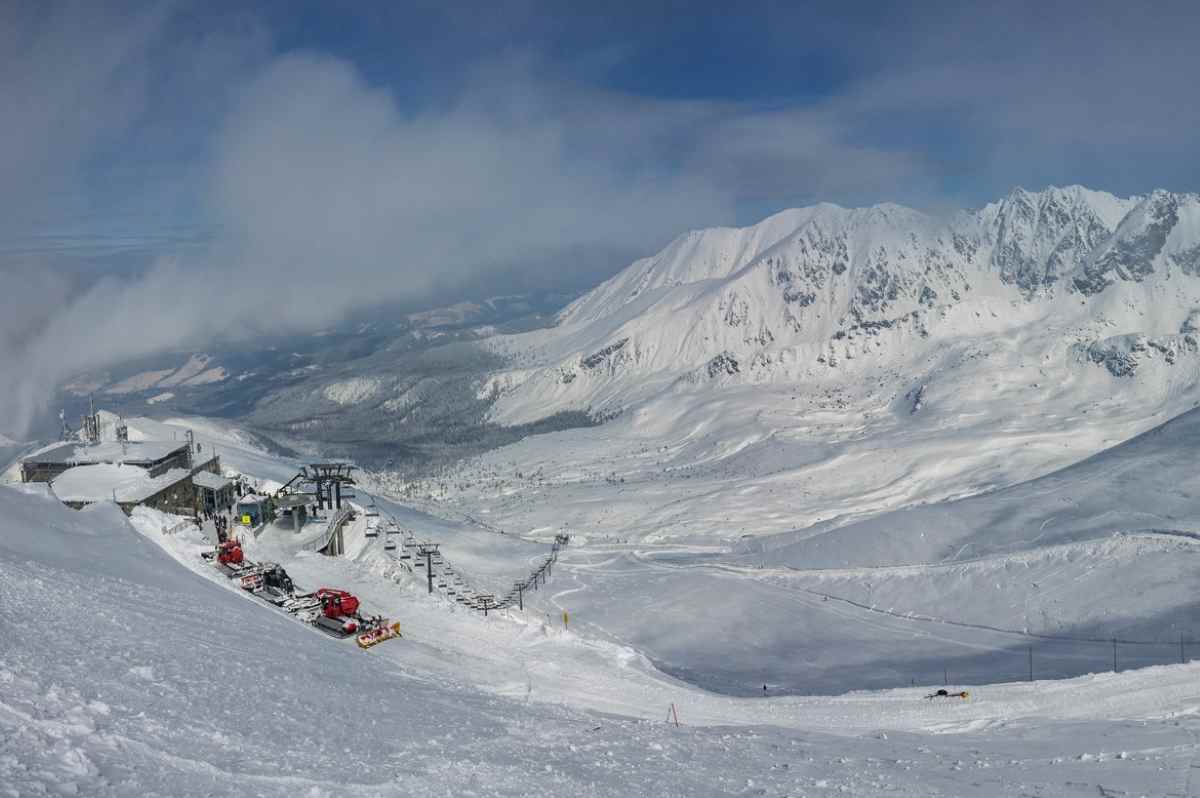
Tatra National Park is experiencing strong autumn tourism demand as travellers head to southern Poland for mountain landscapes, colourful forests and hiking routes around Zakopane. The October hiking season brings particularly strong interest to the Polish Tatra Mountains, with popular routes attracting large numbers of domestic and international visitors. The increase in foot traffic is placing greater attention on how the national park can manage tourism while protecting fragile alpine environments. For Poland tourism, the Tatra Mountains remain one of the country’s most important nature-based destinations, but their popularity also creates challenges for trail maintenance, wildlife protection and visitor safety.
Zakopane Remains the Main Gateway
Zakopane continues to operate as the main tourism base for visitors exploring the Polish side of the Tatra Mountains.
Advertisement
Advertisement
The mountain resort provides access to several major trailheads and attractions, including routes towards Morskie Oko, Giewont, Hala Gąsienicowa and Kasprowy Wierch.
Kuźnice is an important departure point for several higher mountain routes, while Palenica Białczańska provides access towards Morskie Oko. These areas can become particularly busy during favourable autumn weather.
Advertisement
Advertisement
The concentration of visitors around a relatively small number of famous routes makes visitor management increasingly important, particularly during weekends and holiday periods.
Popular Trails Face Greater Environmental Pressure
Heavy pedestrian traffic can accelerate erosion on mountain paths, especially on steep sections exposed to rainfall and changing weather.
Advertisement
Advertisement
Tatra National Park has long worked on protecting and maintaining its extensive network of marked hiking trails. Keeping visitors on designated routes helps limit damage to surrounding vegetation and reduces the expansion of informal paths.
Autumn presents its own challenges. Rain, falling temperatures and changing ground conditions can make some routes more vulnerable to erosion while also increasing the risks faced by hikers.
The combination of high visitor numbers and sensitive terrain makes responsible trail use an important part of sustainable tourism in the region.
Wildlife Protection Remains a Priority
Tatra National Park is also home to important mountain wildlife, including Tatra chamois and brown bears.
The presence of these species makes controlled visitor behaviour essential. Hikers are expected to remain on marked paths, avoid approaching wildlife and follow park regulations throughout their visit.
The mountain ecosystem extends beyond national borders, with the wider Tatra range shared by Poland and Slovakia. Protecting habitats therefore forms part of a broader conservation effort across the mountain region.
Advertisement
Advertisement
Maintaining quieter areas away from the busiest hiking routes can also help reduce unnecessary disturbance to wildlife.
Autumn Hiking Brings Safety Challenges
The popularity of autumn hiking is closely linked with changing mountain conditions.
Weather around Zakopane can appear mild while temperatures at higher elevations fall sharply. Fog, rain, strong winds, early snowfall and icy sections can develop quickly, particularly on exposed ridges.
Visitors heading towards higher sections of the Tatra Mountains therefore need to consider weather forecasts, daylight hours, footwear and appropriate clothing before setting out.
The number of visitors on the trails can also affect mountain rescue operations when accidents occur. Better preparation can reduce avoidable incidents and help rescue teams focus on emergencies requiring immediate assistance.
Transport Helps Manage Visitor Flows
Zakopane railway station provides a convenient arrival point for travellers coming from Kraków and other parts of southern Poland. Kraków Airport is the principal international gateway for many overseas visitors travelling to the region.
Advertisement
Advertisement
Local buses and other transport services connect Zakopane with several trail access points, allowing visitors to reach popular starting locations without relying entirely on private cars.
Travellers can also reduce pressure on the busiest areas by visiting outside peak periods and considering less crowded routes where conditions permit.
Morskie Oko, Giewont and Kasprowy Wierch remain among the best-known attractions, but the wider Tatra landscape contains numerous marked trails offering different levels of difficulty and scenery.
Poland Tourism Balances Growth With Conservation
The continuing popularity of Tatra National Park highlights the strength of Poland’s nature tourism market while placing greater responsibility on destination managers and visitors. For Zakopane, the Tatra Mountains are central to the local tourism economy, attracting hikers, families, photographers and international travellers throughout the year. Managing visitor numbers, protecting trails and keeping people away from sensitive wildlife areas will remain important as demand for mountain experiences continues. The autumn season is once again showing how strongly travellers are drawn to the Tatra landscape, while also highlighting the need for tourism to operate within the environmental limits of one of Poland’s most sensitive mountain destinations.
Advertisement
