
Manas National Park Reopens For Tourists With Powerful Wildlife Experiences In Assam’s Eastern Himalayan Landscape

Updated
Published
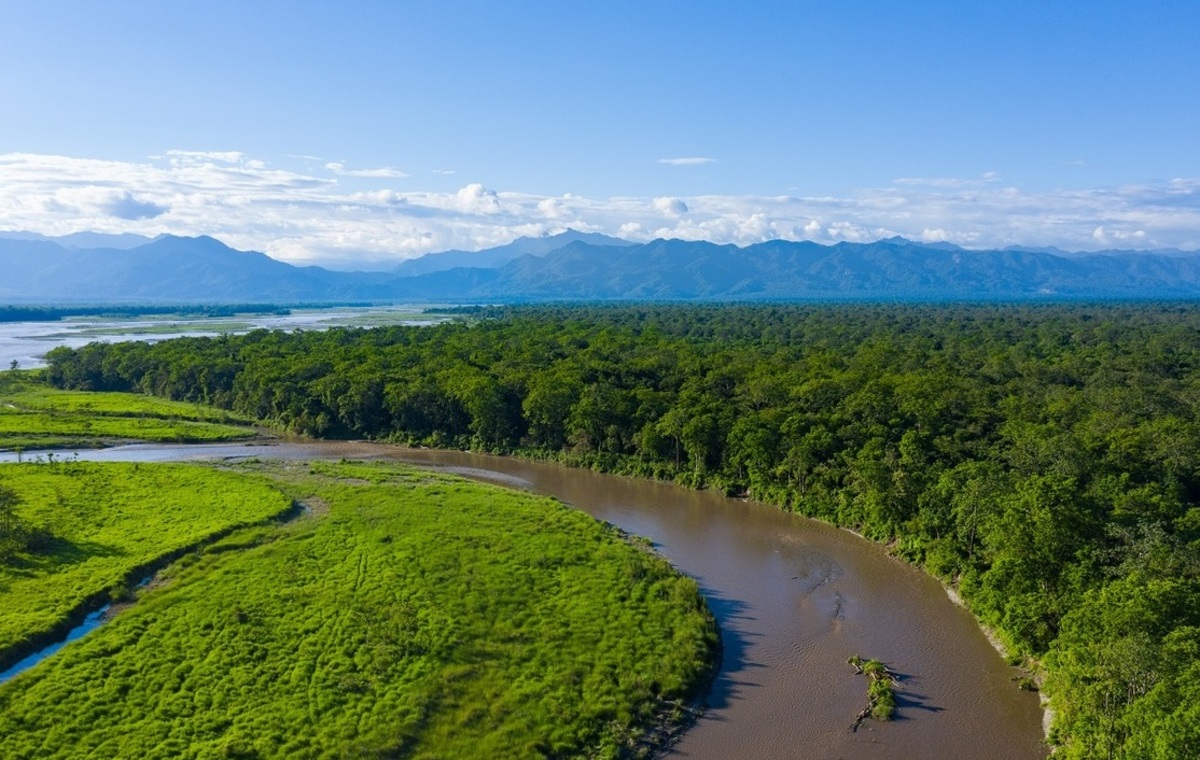
Photo Credit : manasnptr
Manas National Park, situated in the Eastern Himalayas of Assam, has reopened on 2nd October 2026, for the 2026-27 tourism season. The safaris and other tourist activities have returned after the monsoons and the park’s annual closure. The park, a World Heritage Site, is known for its wide range of biodiversity, including the great one-horned rhinoceros, tigers, elephants, wild water buffaloes, as well as other birds and creatures. The return of the tourism season is certain to enhance wildlife tourism and provide related benefits to the local population and aide in protecting the park and the tigers it houses.
Known for its rich biodiversity, scenic landscapes and rare wildlife species, Manas attracts nature lovers, photographers and wildlife enthusiasts from India and abroad. The new season is expected to bring fresh opportunities for safari operators, hotels, homestays, guides and local communities that depend on tourism.
The reopening also highlights the importance of balancing tourism growth with long-term conservation of the park’s unique ecosystem.
Advertisement
Advertisement
Manas National Park Welcomes Tourists Again After Seasonal Monsoon Closure
Manas National Park follows a seasonal closure during the monsoon period due to challenging weather and forest conditions. Heavy rainfall can affect roads, increase water levels and make safari operations difficult inside the protected area.
The closure period allows authorities to manage tourism activities, maintain facilities and prepare the park for the upcoming visitor season.
Advertisement
Advertisement
The October reopening comes at the beginning of Assam’s main post-monsoon tourism period. During this time, improved weather conditions create better opportunities for wildlife viewing and outdoor activities.
With the new season starting, visitors will once again be able to explore the forests, grasslands and rivers that make Manas one of India’s most attractive wildlife destinations.
Advertisement
Advertisement
Exploring Manas The Hidden Wildlife Treasure of Northeast India
Manas National Park is famous for its diverse habitats and exceptional wildlife population. Located in the Eastern Himalayan biodiversity region, the park features a combination of forests, grasslands, wetlands and river systems.
The protected area is home to several iconic species, including tigers, elephants, one-horned rhinoceroses, wild water buffaloes, leopards and deer species.
The park also supports many rare and endangered animals, making it an important conservation area in India.
Unlike many wildlife destinations that focus on a single species, Manas offers visitors a broader natural experience. Tourists can discover different ecosystems within the same landscape, from open grasslands to dense forests and riverbanks.
Advertisement
Advertisement
This rich biodiversity continues to make Manas a preferred destination for wildlife photography, birdwatching and nature tourism.
Manas Tiger Reserve Supports Important Conservation Efforts
The national park is part of the larger Manas Tiger Reserve, which plays a major role in protecting tiger habitats and maintaining ecological balance in Assam.
The tiger reserve covers a wider landscape beyond the national park and provides important areas for wildlife movement and habitat protection.
Although tiger sightings remain a major attraction, Manas offers much more than a search for big cats. Visitors can experience a complete wilderness environment with elephants, rhinoceroses, buffaloes, birds and several other species.
The reserve’s location near the Bhutan border adds further ecological importance by connecting the region with the wider Himalayan landscape.
Conservation efforts in Manas focus on protecting wildlife populations while maintaining the natural balance of the ecosystem.
Advertisement
Advertisement
Safari Experiences and Visitor Activities Return
After reopening, tourists can enjoy organised safari experiences inside Manas National Park. Jeep safaris remain one of the most popular activities, allowing visitors to explore different areas of the forest with trained guides.
The park’s varied terrain provides opportunities to observe wildlife in grasslands, forests and wetland areas.
Birdwatching is another major attraction at Manas. The park supports a large variety of resident and migratory birds, making it an important destination for bird enthusiasts.
Visitors can also explore nearby villages and experience the cultural heritage of communities living around the park.
Tourists should check official updates before travelling, as safari routes, timings and access arrangements may change depending on weather conditions and forest management decisions.
Tourism Brings Economic Benefits to Local Communities
The reopening of Manas is expected to support tourism-related businesses around the park. Wildlife tourism provides income opportunities for many local residents through different services.
Advertisement
Advertisement
Safari drivers, guides, accommodation providers, restaurants, transport operators and handicraft sellers all benefit from the arrival of visitors.
Homestays and community-based tourism initiatives have also become important parts of the visitor experience, allowing travellers to connect with local communities while supporting regional livelihoods.
A successful tourism season can help strengthen the relationship between conservation and economic development.
When local communities benefit from tourism, they also become important partners in protecting the natural environment.
Responsible Travel Important for Protecting Manas
As visitor numbers increase, responsible tourism remains essential for protecting Manas’ fragile ecosystem.
Tourists are encouraged to follow park rules, respect wildlife boundaries and avoid activities that could disturb animals or damage natural habitats.
Advertisement
Advertisement
Maintaining silence during safaris, avoiding littering and following instructions from guides help reduce the impact of tourism on wildlife.
Conservation and tourism can work together when visitors understand the importance of protecting natural areas.
A responsible approach ensures that future generations can continue to experience the beauty and biodiversity of Manas National Park.
Manas Strengthens Assam’s Wildlife Tourism Circuit
Assam is home to several internationally recognised wildlife destinations, including Kaziranga National Park, Orang National Park, Nameri National Park and Dibru-Saikhowa National Park.
Manas adds a unique experience to Assam’s wildlife tourism network with its combination of Himalayan landscapes, diverse habitats and rare species.
Its forests, rivers and grasslands create a different wildlife experience compared with other parks in the state.
Advertisement
Advertisement
The reopening of Manas will strengthen Assam’s position as a leading destination for nature-based tourism in India.
New Tourism Season Brings Fresh Opportunities
The reopening of Manas National Park on October 2, 2026, marks the beginning of a new season of wildlife exploration in Assam.
With its extraordinary biodiversity, conservation importance and scenic beauty, Manas continues to attract travellers seeking authentic nature experiences.
The 2026-27 tourism season is expected to bring renewed activity for visitors, businesses and communities connected with the park.
As tourists return to explore this remarkable landscape, responsible tourism will remain the key to protecting Manas while allowing people to experience one ofIndia’s most valuable wildlife treasures.
Advertisement
