
Fortaleza and Salvador in Powering Tourism Economy Brazil with Over 14% Growth Through Rising Arrivals and Demand

Published
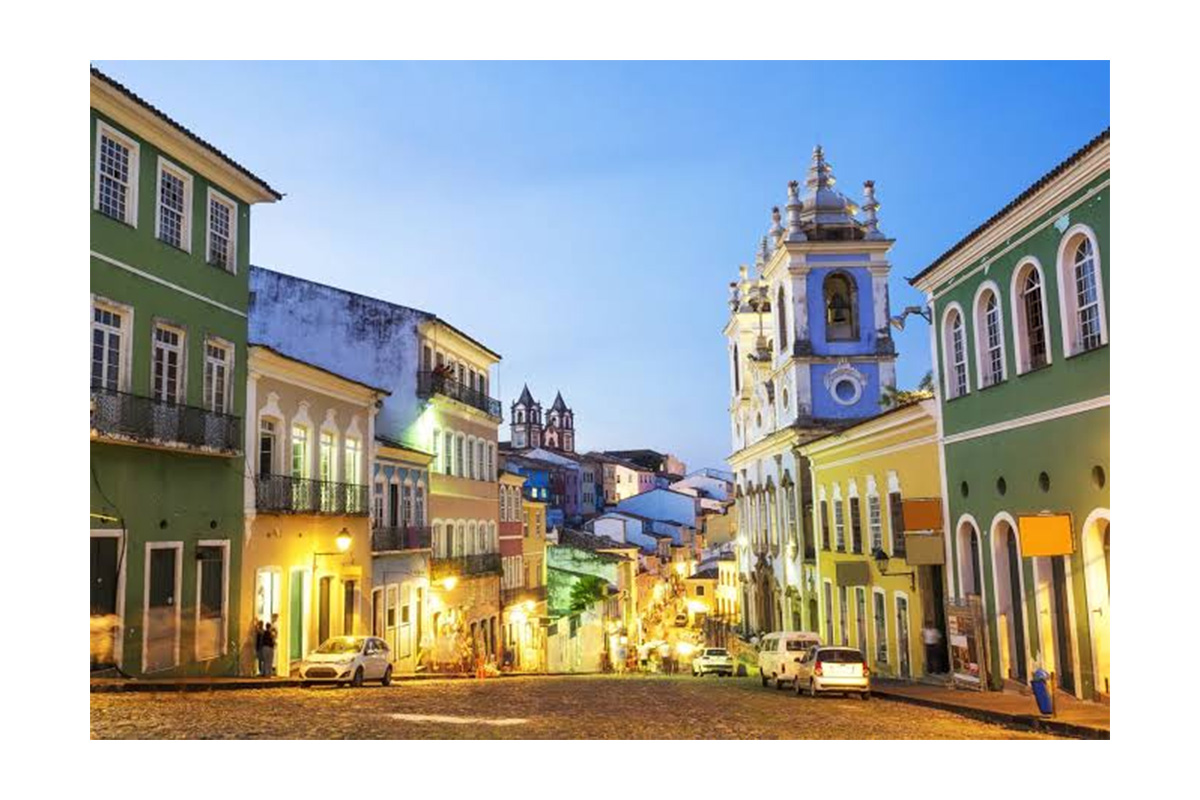
In 2026, the rapid increase of tourism in Fortaleza and Salvador changed Brazil’s economy. The Brazilian Northeast has benefited from increased international travel the most, with record breaking numbers, and has taken business away from other more established regions. With new flights and new marketing, the areas have seen a boost in tourism and have improved their transportation and other tourism related services. Both areas have seen an increase in tourism related flights by more than 14%. These two cities have became the focus of travel in South America. This article uses information from government agencies to show how other changes such as new hotels and other tourism related businesses have helped make Brazil one of the biggest destinations for travel.
Background: The Strategic Resurgence of the Brazilian Tourism Sector
For decades, the Brazilian tourism economy possessed immense, largely untapped potential. Despite boasting a continent-sized territory rich in biodiversity, world-renowned coastlines, and culturally vibrant cities, international visitor numbers frequently hovered around the 6 million mark prior to the global pandemic. The recovery trajectory initially appeared sluggish; however, a dramatic paradigm shift occurred between 2024 and 2026. Driven by a harmonised strategy between the public sector and private enterprise, the nation fundamentally restructured its approach to global travel, transitioning from a predominantly domestic-focused industry into an international tourism juggernaut.
Advertisement
Advertisement
According to the latest verified data from official government ministries, the nation’s post-pandemic recovery has not only stabilised but has vastly exceeded historical precedents. The architectural and cultural capitals of the Northeast—primarily Fortaleza in Ceará and Salvador in Bahia—have transitioned from being secondary regional stops to becoming primary international gateways. This evolution did not happen by chance. It is the direct result of targeted infrastructure investments, aviation sector deregulation, and aggressive promotional campaigns spearheaded by national agencies. By pivoting the global narrative away from solely promoting Rio de Janeiro and São Paulo, the government has successfully highlighted the Northeast’s unique blend of historical significance, ecological diversity, and modern hospitality infrastructure.
Latest Official Developments: Unpacking the 2025 and 2026 Milestones
The statistical milestones achieved over the past eighteen months are unprecedented in the history of South American tourism. Official figures released by national authorities confirm that 2025 was a record-breaking year, fundamentally rewriting the baseline for the Brazilian tourism economy. The country welcomed an astonishing 9.3 million international visitors in 2025, which represents a striking 37.1% jump compared to the previous year. This figure stands as the highest volume of foreign arrivals since official records commenced in 1970, pushing Brazil ahead of established international tourism heavyweights such as Egypt and Morocco.
Advertisement
Advertisement
This momentum has effortlessly carried over into 2026. According to the latest reports from national statistical offices, Brazil welcomed 5.2 million international tourist arrivals during the first half of 2026 alone. This marks one of the strongest first-semester performances ever recorded in the country’s tourism history. The financial impact of this influx is equally staggering. During this six-month period, international tourists generated an estimated USD 5.6 billion in direct revenue, representing a robust 12% increase when compared to the identical period in 2025. These figures demonstrate that the growth is not merely volumetric but also qualitative, with incoming visitors possessing a higher average spend per capita.
Advertisement
Advertisement
The Paradigm Shift Towards the Northeast
While the southeastern hubs of São Paulo and Rio de Janeiro retain their status as crucial financial and transit centres, the qualitative growth narrative is unequivocally centred on the Northeast. Tourists are increasingly demanding experiential travel—seeking out authentic cultural immersion, pristine beaches, and world-class gastronomy. Fortaleza and Salvador perfectly encapsulate these demands. The geographical proximity of the Northeast to Europe and North America, combined with an influx of direct long-haul flights, has dramatically reduced transit times, making these destinations increasingly attractive to high-net-worth travellers seeking alternatives to the Caribbean or the Mediterranean.
Government Announcements: Embratur’s Strategic Initiatives
The astronomical rise in international tourist arrivals is intrinsically linked to the strategic repositioning orchestrated by Embratur (the Brazilian Agency for International Tourism Promotion) and the Ministério do Turismo (Ministry of Tourism). Embratur has adopted a heavily data-driven approach to global marketing. Rather than relying on generic, overarching national campaigns, the agency has deployed highly segmented initiatives targeting specific demographics, including expansive diaspora communities in North America and Europe, and promoting second-tier destinations to repeat visitors.
According to the Organisation for Economic Co-operation and Development (OECD) Tourism Trends and Policies 2026 report, Brazil has emerged as one of the world’s fastest-growing international tourism destinations. The report highlights that Brazil recorded a staggering 46% increase in foreign visitor arrivals between 2019 and 2025. To place this in a global context, this growth rate significantly outperformed several major international tourism titans, including Japan (34%), Portugal (20%), Spain (16%), and France (12%). Furthermore, while Brazil surged ahead, neighbouring South American nations such as Argentina and Peru registered declines of 23% and 22%, respectively, compared to their 2019 levels.
Advertisement
Advertisement
The Ministério do Turismo attributes this distinct competitive advantage to intensified international marketing efforts, active participation in major global travel trade events, and targeted familiarisation trips for foreign travel agents. By systematically dismantling the outdated stereotypes associated with Brazilian travel and replacing them with a narrative focused on safety, sustainability, and unparalleled cultural richness, the government has fostered an environment ripe for international investment and sustained visitor growth.
Dissecting the Statistics: The Significance of the 14% Growth Benchmark
The specific metric of over 14% growth serves as a vital indicator of structural expansion within Brazil’s aviation and regional tourism sectors. This figure is not a random anomaly but a consistent benchmark observed across multiple official datasets in 2026. For instance, the robust strengthening of domestic and regional aviation has driven a 14% year-on-year increase in overall passenger volume at key strategic airports, directly correlating with the surge in international arrivals. This 14% threshold reflects a sustainable expansion rate, balancing rapid economic gains with the logistical capacities of regional infrastructure.
Advertisement
Advertisement
In the broader context of the Brazilian tourism economy, this double-digit expansion signifies that the growth is deeply entrenched in permanent infrastructure enhancements rather than fleeting seasonal trends. Whether evaluating the 14% increase in international arrivals at gateway airports or the corresponding 14% growth in targeted regional seat capacities, the data underscores a highly coordinated expansion of the national logistics network, engineered specifically to handle the influx of foreign capital and foot traffic into the Northeast.
IBGE Validation: Bahia’s Impressive Service Sector Expansion
The macroeconomic reality of this boom is independently verified by the IBGE (Brazilian Institute of Geography and Statistics). According to their latest 2026 indicators, the state of Bahia—with Salvador as its epicentre—is leading the nation in tourism service sector growth. In early 2026, the overall tourism sector in Bahia grew by an impressive 5.9%, outpacing the national average.
More strikingly, in July 2026, the volume of services explicitly linked to tourism in Bahia recorded a colossal 18.6% growth compared to the same month in 2025. This exceptional mid-year surge demonstrates that Salvador has successfully broken the traditional constraints of seasonal tourism, maintaining high demand and generating consistent tourism revenues even outside the traditional summer peak. The IBGE data definitively proves that the regional economy is absorbing and capitalising on the influx of visitors, translating raw arrivals into tangible economic services, from hospitality and gastronomy to transport and cultural event management.
Salvador Bahia Airport: A Historic Milestone in Connectivity
A critical catalyst for the Fortaleza and Salvador tourism growth is the aggressive modernisation and expansion of regional aviation hubs. The Salvador Bahia Airport, operated by the VINCI Airports network, stands as a premier case study in successful infrastructure concession. The terminal entered the 2025/2026 peak season (running from December 15, 2025, to January 31, 2026) projecting unprecedented historical results.
Official operational reports confirm a 14% overall increase in total seat supply compared to the previous season, reaching a remarkable 1.6 million seats across all operations. While the domestic market grew by a healthy 13% (reaching 1.4 million seats), the international segment experienced an explosive 31% surge, totalling 121,000 available seats. These extraordinary metrics officially position Salvador Bahia Airport as the terminal with the strongest organic growth in the entire Northeast region.
Advertisement
Advertisement
January 2026 proved to be a historic month, handling over 1 million available seats. The peak operational day occurred on January 2, 2026, when the airport offered 36,000 seats in a single 24-hour period—a 9% increase over the previous year’s absolute peak. The terminal handled 218 flights that day, with an average of 95 daily departures sustained throughout the season. Since the commencement of the concession in 2017/2018, international seat supply at Salvador has ballooned by 51%, and total aircraft movements have grown by 33%. These figures cement Salvador’s reputation not just as a cultural beacon, but as a highly efficient, world-class aviation hub capable of sustaining long-term international demand.
Fortaleza: Capitalising on Coastal Appeal and Structural Readiness
Parallel to Salvador’s success, Fortaleza has rapidly solidified its position as a dominant force in the Brazilian tourism economy. Official data consistently ranks Fortaleza among the top five most preferred destinations for international visitors arriving in Brazil. The capital of Ceará has masterfully leveraged its extensive, sun-drenched coastline, vibrant culinary scene, and strategic geographical location—which offers some of the shortest flight times between South America and Europe.
Airlines have recognised this geographical advantage, resulting in double-digit growth for the regional airport as major carriers like LATAM and Azul add aggressive seasonal and permanent routes to Fortaleza. The increased flight frequency has transformed the city into a bustling, year-round international destination, mitigating the traditional low-season economic lulls that previously hampered local businesses.
Real Estate and Sustainable Tourism Investments
The influx of foreign capital into Fortaleza is not restricted to transient hotel stays and dining; it has triggered a profound boom in the local real estate market. According to regional economic updates in mid-2026, the real estate sector in Fortaleza and its broader metropolitan region remains exceptionally strong, driven largely by foreign investors seeking holiday homes, short-term rental properties, and retirement residences.
This real estate surge is operating in tandem with broader national frameworks, such as the 2030 Sustainable Tourism Investment Programme. By ensuring that new developments adhere strictly to environmental regulations and sustainable practices, Fortaleza is safeguarding its pristine coastal assets while simultaneously accommodating the aggressive expansion required to house record-breaking international arrivals.
Advertisement
Advertisement
Policy Implications: Easing Access and Fostering Global Competitiveness
To sustain the Fortaleza and Salvador tourism growth, the federal government is actively addressing systemic regulatory bottlenecks. A primary focus remains on visa facilitation and border harmonisation. While Brazil’s 9.3 million arrivals in 2025 set a historical record, industry analysts and the World Economic Forum consistently note that Brazil still ranks 57th globally on the visa-openness index. Acknowledging this, policymakers are actively reviewing bilateral agreements to streamline entry for high-value tourist markets, particularly in Asia and North America.
Furthermore, the OECD’s recent competition assessment reviews of Brazil’s civil aviation and ports sectors underscore the necessity of continuous deregulation. By facilitating easier entry into jet-fuel distribution markets and optimising airport slot allocation, the government is actively reducing operational costs for international airlines. This competitive regulatory environment directly lowers airfares for consumers, incentivising higher passenger volumes and ensuring that destinations like Salvador and Fortaleza remain financially accessible compared to competing global markets. Additionally, substantial policy discussions are currently underway to improve critical airport-to-city rail and transit links, a logistical area where Brazil has historically lagged behind its European and Asian competitors.
Industry Impact: Hospitality, Logistics, and Service Quality
The massive influx of international tourists is fundamentally restructuring the local hospitality and logistics industries in the Northeast. High-end international hotel chains and bespoke boutique resorts are rapidly expanding their footprints in both Salvador and Fortaleza to meet the heightened expectations of North American and European travellers. This expansion requires a corresponding elevation in service quality and workforce proficiency.
Consequently, there has been a massive surge in direct and indirect job creation. Local municipalities, in partnership with the Ministério do Turismo, are investing heavily in bilingual training programmes, culinary arts academies, and hospitality management courses. The goal is to ensure that the human capital in the Northeast matches the world-class physical infrastructure being deployed. Moreover, the logistical supply chains that support these massive resorts—ranging from agricultural suppliers providing fresh local produce to advanced technological firms offering digital booking solutions—are experiencing unprecedented windfall profits.
Broad Economic Implications: Fueling the National Economy
The macroeconomic ripples of the Fortaleza and Salvador tourism growth extend far beyond the immediate coastal borders of Bahia and Ceará. In 2025, travel-related revenues across Brazil hit an astounding R$ 185 billion, and with H1 2026 already generating USD 5.6 billion from international tourists alone, the sector is serving as a crucial stabiliser for the broader Brazilian economy.
Advertisement
Advertisement
When international visitors inject billions of dollars in foreign currency into the local economy, it significantly bolsters the national reserve, strengthens the Brazilian Real against international currencies, and provides the federal government with increased tax revenues that can be reinvested into public services. According to the IBGE, Brazil’s overall economy grew by 2.3% in 2025, and the accelerated expansion of the service sector—driven disproportionately by tourism in the Northeast—is a primary catalyst for maintaining this robust national GDP growth through 2026.
The top source markets supplying this economic lifeblood remain Argentina (providing 2.4 million visitors in 2025), Chile (1.1 million), and the United States (over one million). The high expenditure rate of North American and European tourists in destinations like Salvador and Fortaleza creates a powerful economic multiplier effect, wherein every dollar spent on a hotel room circulates multiple times through the local economy, paying wages, funding municipal projects, and stimulating regional commerce.
Expert and Official Statements: Validating the Upward Trajectory
The profound success of the current tourism strategy is heavily validated by leading industry executives and official stakeholders. Commenting on the unprecedented volume of traffic, Julio Ribas, the CEO of VINCI Airports in Brazil, highlighted the structural permanence of this growth. “We are experiencing the largest peak season since the beginning of the concession, with record numbers of flights and seats,” Ribas stated. “These results reflect the strength of Bahia’s tourism market and the joint work with airlines and industry partners. Salvador continues to connect people, cultures, and opportunities—strengthening the economy and tourism of our state.”
Similarly, national aviation officials and regional tourism board directors have echoed these sentiments, pointing to the deliberate strengthening of domestic aviation networks as a core driver of international success. By establishing robust internal connectivity, tourists arriving from abroad can seamlessly transit through major international hubs into the vibrant regional centres of the Northeast without logistical friction, effectively democratising tourism revenues across the country rather than isolating them in a single southeastern metropolis.
Future Outlook: Sustaining Momentum Towards 2027 and Beyond
Looking ahead, the trajectory for the Brazilian tourism economy remains overwhelmingly bullish. Financial consultants at prominent global firms, including Deloitte, have projected an additional 11% rise in overall international arrivals for the remainder of 2026 and into 2027, contingent upon continued exchange-rate stability and the absence of global macroeconomic shocks.
Advertisement
Advertisement
The sustained Fortaleza and Salvador tourism growth will rely heavily on the continued execution of the 2030 Sustainable Tourism Investment Programme. As the sheer volume of visitors scales up, municipal governments must meticulously balance economic expansion with environmental conservation. Protecting the pristine beaches of Ceará and the historical integrity of Bahia’s colonial architecture is not merely an environmental imperative, but a core economic necessity, as these are the very assets driving the international demand.
In conclusion, the strategic elevation of Fortaleza and Salvador has proven to be a masterstroke in economic planning. By pairing aggressive, data-driven international marketing by Embratur with substantial, privately managed infrastructure enhancements at facilities like the Salvador Bahia Airport, Brazil has successfully captured a massive, growing share of the global travel market. As 2026 progresses, the Northeast will undoubtedly continue to serve as the beating heart of Brazil’s tourism renaissance, powering a multibillion-dollar industry that is reshaping the nation’s economic future on the world stage.
Advertisement
