
Iceland Joins Japan and Canada Lead New Two-Tone Travel Trend Blending Adventure with Restorative Escapes

Published
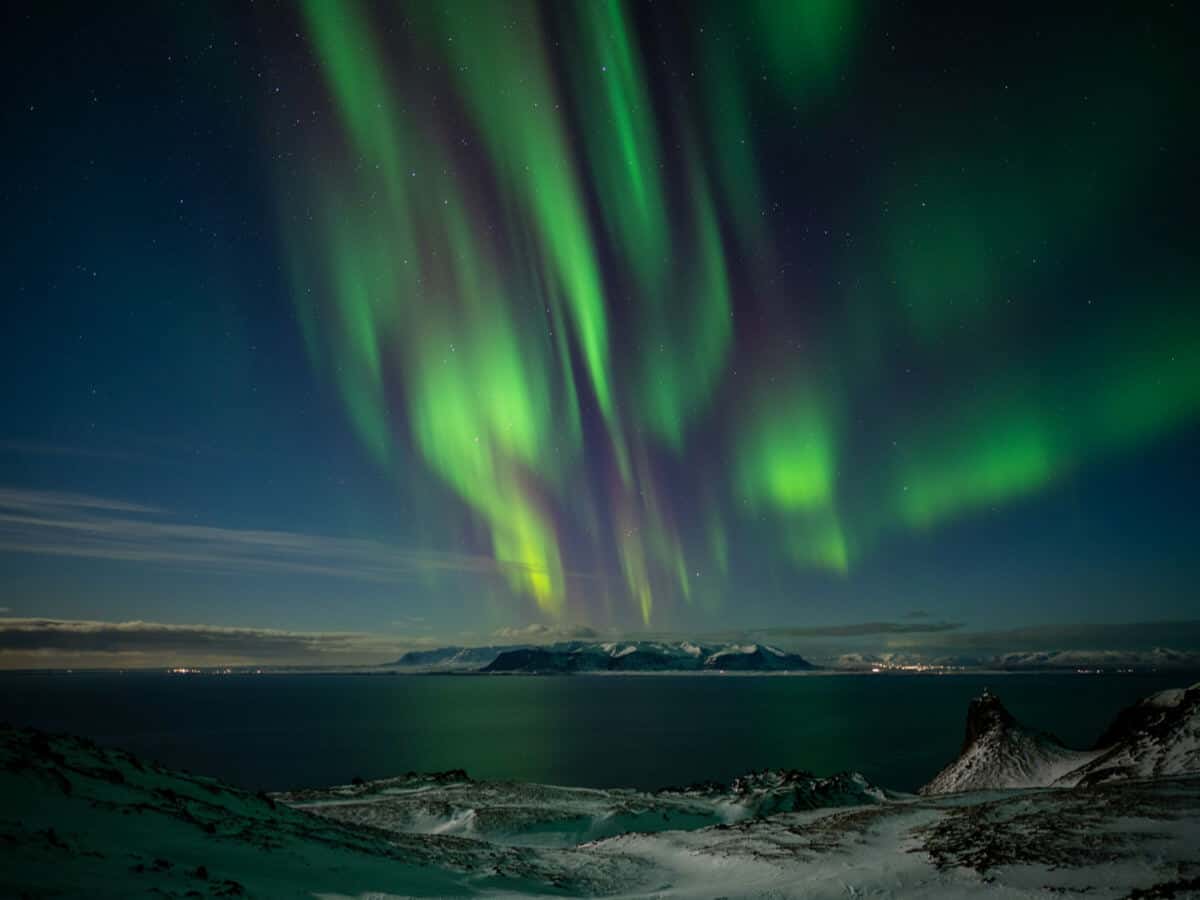
Iceland, Japan and Canada are emerging as leading destinations for the Two-Tone Travel trend, as holidaymakers increasingly combine adventure with relaxation in one journey. From geothermal lagoons and mountain landscapes to vibrant cities and coastal escapes, these destinations offer contrasting experiences that help travellers maximise limited holiday time without compromising variety.
Two-Tone Travel Emerges as Travellers Combine Adventure and Relaxation in 2027
Travel planning is increasingly moving beyond the traditional choice between an active adventure and a relaxing break. The emerging Two-Tone Travel trend reflects a growing preference for combining contrasting experiences in one itinerary, allowing holidaymakers to move from hiking and exploration to wellness, culture or coastal relaxation without taking a longer trip.
The trend builds on the wider rise of experience-led tourism, where travellers increasingly prioritise memorable activities and distinctive destinations over conventional sightseeing alone. According to travel expert Maria Hughes of goodtogo, five destinations stand out for travellers considering this approach in 2027: Iceland, Scotland, Japan, Costa Rica and Canada.
What is Two-Tone Travel and why is it becoming popular?
Two-Tone Travel describes an itinerary built around two distinctly different holiday experiences. Instead of spending an entire trip pursuing adventure, wellness, culture or relaxation, travellers combine contrasting elements to create a more varied holiday.
Advertisement
Advertisement
The approach can also make shorter holidays feel more rewarding. A traveller could spend several days hiking through dramatic landscapes before moving to a spa or coastal resort, or combine an energetic city stay with quieter time in the countryside.
This flexibility is particularly relevant as travellers seek experiences that provide both stimulation and recovery. Rather than treating adventure and relaxation as competing choices, Two-Tone Travel makes them complementary parts of the same journey.
Advertisement
Advertisement
Why does Iceland offer one of the strongest Two-Tone Travel experiences?
Iceland combines extreme natural landscapes with geothermal wellness, creating a particularly clear contrast between adventure and relaxation. Travellers can explore glaciers, volcanic terrain and the country’s dramatic scenery before unwinding in naturally heated geothermal waters.
Reykjavik’s Sky Lagoon is one example of the wellness experiences available, with mineral-rich geothermal bathing providing a restorative counterpoint to outdoor exploration. The contrast becomes even more pronounced during winter, when travellers can experience warm geothermal waters surrounded by cold landscapes.
Advertisement
Advertisement
January to March is recommended for this combination. The darker skies and colder conditions can improve opportunities for Northern Lights viewing, while snow and ice create a striking setting for geothermal bathing.
For travellers seeking a holiday where physical exploration and wellness can coexist naturally, Iceland provides one of the clearest examples of the Two-Tone concept.
How can Scotland combine urban culture with remote wilderness?
Scotland allows travellers to move between remote landscapes and sophisticated city experiences within the same holiday. The Isle of Skye, for example, offers dramatic scenery, coastal landscapes and hiking opportunities, including the distinctive Old Man of Storr.
This wilderness experience can be paired with time in Edinburgh, where visitors can explore historic architecture, museums, restaurants and cultural attractions within a highly walkable urban environment.
Advertisement
Advertisement
The combination provides a significant change of pace without requiring an entirely separate holiday. Travellers can spend part of their itinerary immersed in nature and solitude before moving into a lively capital city.
May to July is recommended, when longer daylight hours can support outdoor activities and sightseeing. The seasonal conditions can also make it easier to combine rural exploration with city touring in a single itinerary.
Why is Japan ideal for combining Tokyo and mountain retreats?
Japan offers an unusually strong contrast between high-energy urban travel and traditional mountain-based experiences. Tokyo provides futuristic architecture, advanced technology, acclaimed dining, extensive rail connections and an exceptionally dense metropolitan environment.
Yet the character of the journey can change dramatically within a few hours. Mount Fuji provides a major cultural and scenic counterpoint to Tokyo, while Hakone adds hot springs, traditional Japanese inns and views towards the mountain.
This makes Japan particularly suitable for travellers who want their holiday to shift between modernity and tranquillity. The contrast is not simply geographical but cultural, architectural and experiential.
Late autumn, particularly October and November, can provide clearer skies and strong Mount Fuji viewing opportunities from Hakone. Alternatively, March and April offer milder conditions and the possibility of experiencing Japan’s famous cherry blossom season.
Advertisement
Advertisement
Can Costa Rica balance rainforest adventure with coastal relaxation?
Costa Rica combines outdoor adventure with Pacific coast relaxation, making it another strong Two-Tone destination. The country’s natural environment supports activities ranging from canopy walks to exploration around volcanic landscapes and lava trails.
After active days in the rainforest or other natural areas, travellers can shift towards quieter coastal experiences. Calm waters, resorts and scenic landscapes provide opportunities to slow down and recover before returning to exploration.
The recommended travel window is December to April, corresponding broadly with Costa Rica’s dry season. More predictable sunshine and clearer walking conditions can make outdoor activities easier to organise, while the country’s coastal landscapes offer a contrasting environment for relaxation.
The destination therefore demonstrates how a single country can support two very different holiday moods without requiring complicated international travel between experiences.
How does Canada combine city life with alpine adventure?
Canada provides a Two-Tone itinerary through the contrast between Vancouver’s coastal city lifestyle and Whistler’s alpine environment. Vancouver offers restaurants, international cuisine, Pacific seafood and an urban setting surrounded by mountains and water.
Travellers can then move towards Whistler for a markedly different experience. The destination is known for its ski resort, alpine village and freshwater lakes, while the surrounding environment supports outdoor activities and nature-based tourism.
Advertisement
Advertisement
Summer is particularly suitable for this style of itinerary. Between July and September, longer daylight hours can support hiking, sightseeing and whale-watching before wetter autumn conditions become more prevalent.
The Vancouver-Whistler combination demonstrates how Two-Tone Travel can work through relatively close destinations rather than requiring long-distance transfers. It also gives travellers a natural transition from urban discovery to outdoor adventure.
Why should travellers check insurance before booking adventure activities?
The growing popularity of split itineraries also highlights the importance of understanding travel insurance coverage. Grant Winter, compliance officer at goodtogo, warns that activities such as winter sports, ziplining and canopy walks may not automatically be covered by standard travel insurance.
Insurance policies can categorise activities according to their level of risk, meaning an activity that appears relatively safe to a traveller may still fall outside standard cover. Holidaymakers should therefore review policy wording carefully before booking activities and determine whether additional adventure or sports cover is required.
Pre-existing medical conditions also need to be declared when purchasing travel insurance. Failure to provide relevant information can affect the validity of a policy and potentially leave travellers responsible for substantial medical costs if they need treatment overseas.
This consideration becomes increasingly important as experience-led tourism expands. Travellers are not simply visiting destinations; they are increasingly participating in activities that can carry different levels of physical and financial risk.
Advertisement
Advertisement
What does the Two-Tone Travel trend mean for destinations?
The trend presents an opportunity for destinations to market themselves beyond a single tourism proposition. Cities can promote nearby nature, while rural destinations can connect their experiences with cultural, culinary or wellness offerings.
For tourism businesses, this could encourage greater collaboration between accommodation providers, attractions, transport operators, adventure companies and wellness businesses. A destination capable of presenting complementary experiences as one coherent itinerary may become more attractive to travellers seeking variety within limited holiday time.
The five destinations highlighted for 2027 demonstrate the breadth of the concept. Iceland connects glaciers with geothermal bathing, Scotland links wilderness with heritage, Japan contrasts Tokyo with mountain retreats, Costa Rica combines rainforest activity with Pacific relaxation, and Canada connects Vancouver with Whistler.
What can travellers expect from Two-Tone Travel in 2027?
Two-Tone Travel reflects a broader shift towards holidays designed around experiences rather than a single purpose. Its appeal lies in flexibility: travellers can explore, learn, exercise and seek adventure while also protecting time for rest.
For destinations, the trend creates an opportunity to package contrasting experiences into seamless itineraries. For travellers, it provides a way to gain greater variety from the same number of holiday days.
As experience tourism continues to develop, the Two-Tone approach could become increasingly relevant for travellers who do not want to choose between an active escape and a restorative break.
Advertisement
Advertisement
The Two-Tone Travel trend highlights a changing approach to holiday planning, with travellers seeking both excitement and restoration from the same trip. Iceland, Japan and Canada demonstrate how adventure, culture, nature and wellness can complement each other. This flexible travel style is likely to gain further momentum among 2027 holidaymakers.
Whether you’re deciding between a slow-paced cultural city break or exploring nature via a mountain hike, these split itineraries offer the best of both worlds every time. That’s why Maria Hughes, travel expert at goodtogo, has shared her top destinations for your 2027 ‘Two-Tone Travel’ break, as well as the perfect time to go.
“In all cases, when buying your travel insurance, it’s essential that you declare any pre-existing medical conditions. Failing to declare pre existing medical conditions will result in your policy being invalidated in the event you need to claim, regardless of whether or not you are participating in a sporting activity, so it’s essential that you have not omitted any details.”
Two-Tone Travel is set to give 2027 holidaymakers greater flexibility by combining contrasting experiences in one journey. Iceland, Scotland, Japan, Costa Rica and Canada demonstrate how adventure can coexist with wellness, culture and relaxation. Careful itinerary planning and appropriate travel insurance will remain essential as experience-led tourism expands.
Advertisement
