Image generated with Ai
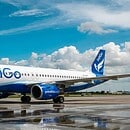
Delta Air Lines Flight DL2079 Boeing 737-932ER from Salt Lake City to Baltimore diverted and landed at Philadelphia International Airport on August 4, unexpectedly changing passengers’ travel plans. Delta Air Lines Flight DL2079 Boeing 737-932ER from Salt Lake City to Baltimore safely completed its journey at Philadelphia International Airport instead of Baltimore. However, Delta Air Lines has not confirmed why the flight diverted. Flight data confirms only the safe landing at the alternate airport. Therefore, the exact cause remains unknown. Even so, the crew followed standard aviation safety procedures. As a result, passenger safety remained the highest priority throughout the flight.
Passengers travelling from Salt Lake City to Baltimore experienced an unexpected disruption on 4 August 2026 after their Delta Air Lines flight was unable to complete its planned journey. Flight operations data shows that the Boeing 737-900ER, registered as N908DN, departed Salt Lake City International Airport at approximately 23:49 before diverting to Philadelphia International Airport, where it landed safely at around 23:52. The aircraft had originally been scheduled to arrive at Baltimore/Washington International Thurgood Marshall Airport at approximately 06:20 local time, but the journey concluded in Philadelphia instead.
Advertisement
At the time of publication, Delta Air Lines had not publicly confirmed why the aircraft diverted to Philadelphia. Flight tracking information verifies only the diversion and the safe landing at the alternate airport. Commercial flights may divert because of several precautionary operational reasons, including weather conditions, air traffic restrictions, technical indications, maintenance concerns, medical emergencies or other safety-related issues. Since the airline had not released an official explanation, the precise reason behind this diversion remains unknown and should not be assumed.
A diversion occurs when an aircraft lands at an airport other than its scheduled destination because continuing the planned flight is no longer considered the safest or most practical option. Although passengers may find diversions unexpected, they are an established part of commercial aviation and are managed according to strict operational procedures. A diversion does not automatically mean that the aircraft experienced a serious emergency, as many precautionary operational decisions are made before any situation becomes critical.
Advertisement
Pilots remain in constant communication with airline operations centres and air traffic control throughout every flight. If changing weather, operational constraints, aircraft system indications or other factors affect the journey, crews may choose an alternate airport that offers appropriate runway facilities, engineering support and passenger services. This precautionary approach helps minimise operational risk while ensuring that passengers and crew remain safe. These decisions are guided by internationally recognised aviation safety standards followed by airlines across the world.

Image generated with Ai
Passengers expecting to arrive in Baltimore likely experienced delays and changes to their onward travel after landing in Philadelphia instead. Following a safe arrival, airline personnel would normally evaluate the operational situation before deciding whether the aircraft could continue, required maintenance inspections or needed to be replaced. Depending on the circumstances, travellers may have been rebooked on another flight, transported by alternative means or provided with updated travel arrangements.
Delta Air Lines generally works to minimise disruption by assisting passengers with revised itineraries, onward flight connections, baggage handling and customer support. Depending on aircraft availability and operational requirements, replacement flights may also be arranged where practical. Although diversions can interrupt business trips, holidays and connecting journeys, they remain an important safety measure designed to ensure that aircraft operate only when flight crews are fully satisfied that it is safe to continue the journey.
The aircraft involved in the incident was a Boeing 737-900ER carrying the registration N908DN. The Boeing 737-900ER is widely used by Delta Air Lines on medium and long domestic routes because of its high passenger capacity, operational efficiency and proven reliability. It serves numerous destinations across the United States and plays an important role in the airline’s domestic network.
Advertisement
Advertisement
Flight operations data confirms that the aircraft departed Salt Lake City International Airport at approximately 23:49 on 4 August 2026 before diverting safely to Philadelphia International Airport rather than continuing to Baltimore. Beyond confirming the diversion itself, no verified information has been released regarding the reason for the change in destination. Until Delta Air Lines or the relevant aviation authorities publish further details, attributing the diversion to any specific cause would be speculative. What is confirmed is that the aircraft landed safely and that the flight crew followed established aviation safety procedures throughout the event.
Delta Air Lines Flight DL2079 Boeing 737-932ER from Salt Lake City to Baltimore concluded differently after diverting and landing at Philadelphia International Airport on August 4. Although the diversion disrupted travel plans, the aircraft landed safely and no official reason had been released at the time of publication. The available flight data confirms the diversion but does not explain what caused the change in destination. Until Delta Air Lines provides further information, the exact reason remains unconfirmed. The incident once again demonstrates the aviation industry’s safety-first approach, where precautionary operational decisions are taken whenever flight crews determine that continuing the journey is not the safest option.
Image: Delta Air Lines
https://www.flightradar24.com/data/flights/dl2079#41048620
Advertisement
Advertisement
Advertisement













Friday, September 4, 2026

Friday, September 4, 2026

Friday, September 4, 2026

Thursday, September 3, 2026

Wednesday, September 2, 2026

Friday, September 4, 2026
Friday, September 4, 2026