

Colombia Tourism Expands New Nature Travel as Pacific and Páramo Regions Gain Focus

Published
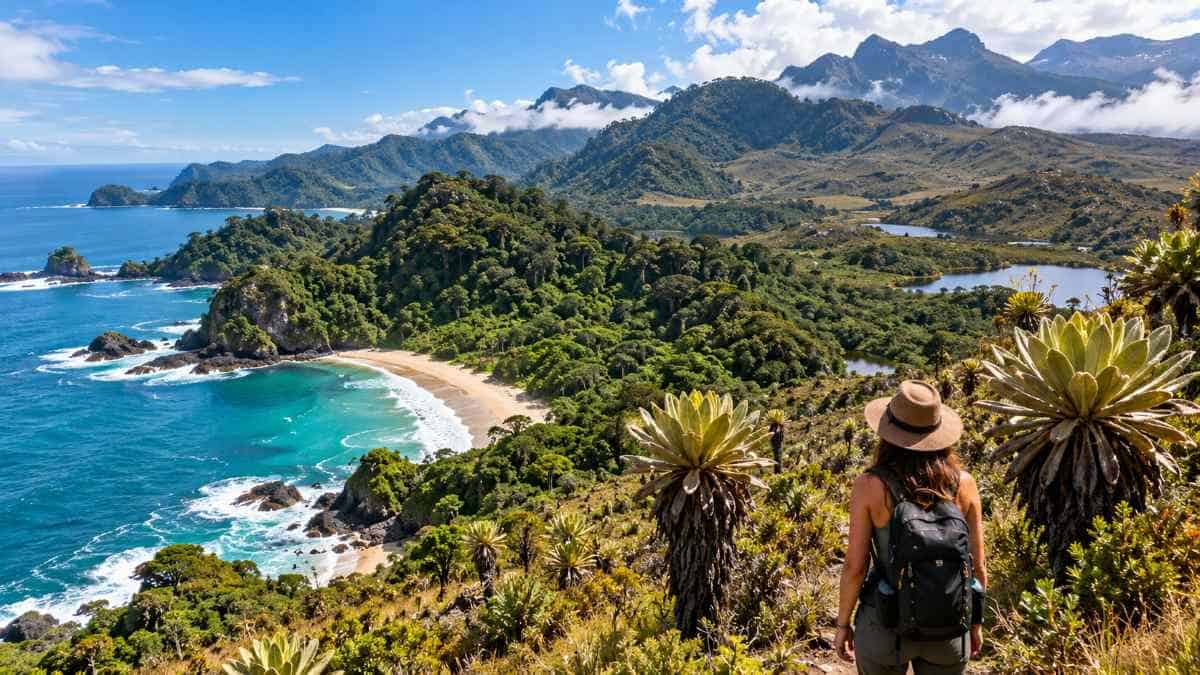
Colombia tourism is increasingly moving beyond its best-known urban and historic destinations as government programmes put greater emphasis on nature, community-led experiences and regional development. The shift is opening more opportunities across the Pacific coast, Andean highlands, páramo ecosystems and rural destinations. The country has recorded strong international tourism growth in 2026. The Ministry of Commerce, Industry and Tourism reported more than 24 million non-resident visitors by July, while its wider tourism agenda is placing greater attention on regenerative tourism, biodiversity, regional connectivity and experiences built around local communities. For travellers, that is creating a broader Colombian tourism map stretching well beyond Bogotá and Cartagena.
Colombia Builds Tourism Around Biodiversity
Colombia’s biodiversity is one of its strongest tourism assets. The country contains a wide range of ecosystems, from Andean páramos and Amazonian forests to Pacific rainforests and Caribbean coastlines.
The Ministry of Commerce, Industry and Tourism’s nature tourism policy identifies ecotourism, birdwatching, whale watching, adventure tourism, diving and rural tourism as key areas for development.
This creates opportunities for destinations that can offer experiences linked directly to their natural surroundings while maintaining environmental safeguards.
Advertisement
Advertisement
The approach is particularly important in fragile ecosystems such as páramos. These high-altitude landscapes play an important role in water regulation and are also increasingly recognised for their distinctive scenery and biodiversity.
Pacific Colombia Gains More Tourism Attention
The Pacific coast offers one of Colombia’s strongest examples of nature and community tourism working together.
Advertisement
Advertisement
Protected areas including Gorgona, Sanquianga and Munchique support tourism activities connected with biodiversity, local knowledge and conservation.
In September 2026, Colombia’s national parks authority highlighted 12 community enterprises from these protected areas at an event in Gorgona. The initiatives presented local products, knowledge and services designed to generate income through sustainable use of the territory.
Advertisement
Advertisement
The Pacific also attracts visitors during the annual humpback whale season. From July to October, whales migrate to Colombian Pacific waters to breed and raise their young, creating an important seasonal opportunity for nature tourism.
Responsible whale watching is being promoted alongside conservation and visitor education.
Community Tourism Connects Travel With Local Economies
Colombia is also expanding programmes designed to give communities a stronger role in tourism.
The country’s community tourism policy encourages local organisations to participate directly in accommodation, food, guiding and other visitor services while generating economic and social benefits for host communities.
Advertisement
Advertisement
In 2026, the Empretur programme reported support for more than 1,300 tourism-sector actors across Colombia’s 32 departments.
The government has also been developing tourism initiatives in rural and former conflict-affected territories, where tourism can support local enterprise and provide new income opportunities.
This model gives international travellers access to experiences that are often unavailable through conventional city-based itineraries.
From Cartagena to Chocó and the Andes
Cartagena remains one of Colombia’s most important tourism destinations, particularly for heritage and coastal travel. Bogotá continues to function as the country’s principal urban and business gateway.
However, regional diversification is becoming increasingly important.
Chocó offers Pacific rainforest, whale watching, beaches and Afro-Colombian cultural experiences. Guainía provides access to Amazonian landscapes and community-led tourism initiatives, while Andean destinations offer birdwatching, hiking, coffee landscapes and high-altitude ecosystems.
Advertisement
Advertisement
This wider distribution can help tourism spending reach communities outside Colombia’s largest visitor centres.
Visitor Management Becomes More Important
Greater interest in nature tourism also brings a practical challenge: protecting the places that attract visitors.
Colombia has already begun applying visitor-management tools in its heritage destinations. In 2026, the Ministry of Commerce, Industry and Tourism introduced UNESCO’s Visitor Management Assessment and Strategy Tool to help destinations manage visitor flows, behaviour and experiences while protecting environmental and cultural assets.
The same principle is increasingly relevant to nature tourism.
Protected areas need clear visitor rules, trained guides, suitable infrastructure and monitoring systems to prevent tourism from damaging sensitive ecosystems.
Colombia Targets Higher-Value Nature Travel
The expansion of nature and community tourism fits Colombia’s wider strategy of attracting visitors interested in specialised experiences. Birdwatching, whale watching, hiking, diving, wildlife observation and rural tourism can encourage travellers to stay longer and move across multiple regions. For international visitors, this creates opportunities to combine Bogotá or Cartagena with less familiar destinations rather than limiting a trip to Colombia’s established tourism centres. As the country continues to strengthen biodiversity protection and community participation, the next stage of Colombia tourism is increasingly being shaped by what lies beyond its major cities.
Advertisement
