

USA Joins UK And More To Elevate Tourism Standards As Luxury Dining Earns Top Sustainability Rating

Published
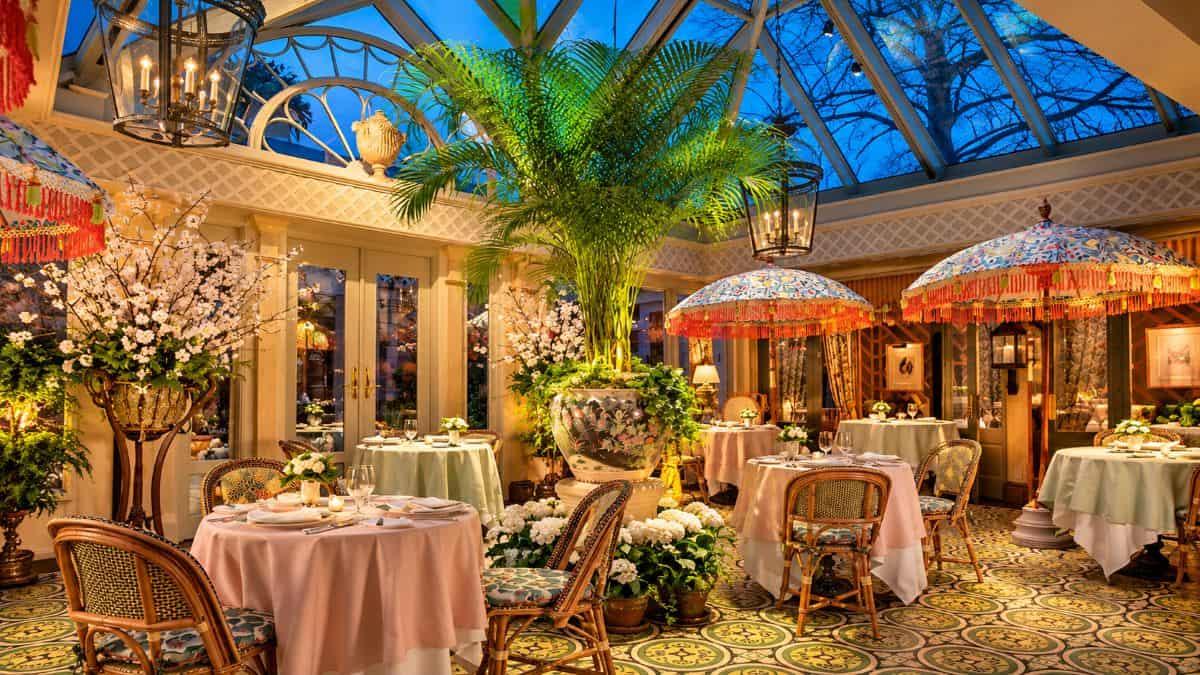
The Inn at Little Washington has achieved the highest possible sustainability recognition under the Sustainable Restaurant Association’s 2026 Food Made Good Standard, placing the Virginia luxury property among a small group of restaurants internationally recognised for embedding responsible practices into high-end hospitality. The 24-room inn and Michelin-starred restaurant in Virginia’s Blue Ridge Mountains received three stars, becoming only the fourth restaurant in the United States to secure the designation. The achievement gives tourism and hospitality observers a notable example of how luxury travel can increasingly align with environmental responsibility, local sourcing and community investment.
Particularly significant is the property’s perfect 100 per cent score in the “Feed People Well” category, the highest result recorded by the Sustainable Restaurant Association in that area. The recognition reflects an operating model in which sustainability extends beyond individual environmental projects. From an organic-principled farm and regional sourcing to plant-forward cuisine, food-waste reduction, staff development and renewable energy investment, the Inn has integrated sustainability into the guest experience and wider business operation. For travellers increasingly seeking meaningful and responsible luxury, the recognition illustrates how premium hospitality can combine culinary excellence with measurable social and environmental commitments.
A New Benchmark For Sustainable Luxury Tourism
The Inn at Little Washington’s three-star rating represents the highest level available under the 2026 Food Made Good Standard. Rather than focusing on a single environmental measure, the assessment considers a broad range of practices connected with food, people, communities and environmental stewardship.
For the luxury travel sector, the distinction is significant because sustainability is increasingly influencing how destinations, hotels and restaurants define quality. Travellers are becoming more interested in where ingredients originate, how food is produced, how employees are treated and what businesses contribute to surrounding communities.
Advertisement
Advertisement
The Inn’s achievement demonstrates that sustainability does not necessarily require a departure from luxury. Instead, responsible practices can become part of the identity of a sophisticated hospitality experience, strengthening the relationship between visitors, producers, employees and the destination.
The Inn At Little Washington Builds Around Local Food
Responsible sourcing is central to the property’s approach. The Inn prioritises relationships with farmers, fishers and artisanal producers, seeking to source ingredients within a 30-mile radius whenever possible.
Advertisement
Advertisement
This approach creates a closer connection between the restaurant and Virginia’s agricultural landscape. Rather than treating local sourcing simply as a marketing concept, the model places regional producers closer to the centre of the culinary operation.
The Inn also reports that between 25 and 50 per cent of its fruits, vegetables and grains and pulses come from organic or biodynamic sources. Such purchasing decisions can reduce dependence on long-distance supply chains while giving guests a stronger sense of place through food.
Advertisement
Advertisement
| Sustainability Area | Reported Achievement | Tourism Significance |
|---|---|---|
| Overall rating | Three stars | Highest Food Made Good Standard rating |
| Feed People Well | 100% | Strong focus on nutritious and responsible food |
| Support the Community | 98% | Emphasis on staff and local development |
| Waste No Food | 90% | Focus on waste, water and energy management |
| Estate farm | 24 acres | Direct connection between agriculture and cuisine |
| Regional sourcing | Within 30 miles where possible | Strengthens local food networks |
A Working Farm Connects Guests With Production
The Inn’s 24-acre estate includes a farm operated according to organic principles. The farm supplies the kitchens while also creating opportunities for guests and culinary students to understand food production more directly.
For tourism, this creates an experience that extends beyond dining. Visitors can develop a clearer understanding of how ingredients move from cultivation to the plate, adding an educational dimension to a luxury stay.
This connection is increasingly relevant as experiential tourism grows. Travellers are often looking for activities that offer authenticity and a deeper understanding of the places they visit. A working farm integrated into a hospitality property can provide that connection without separating sustainability from the guest experience.
The model also supports culinary education, helping future professionals understand responsible food production and the importance of regional supply networks.
Advertisement
Advertisement
Plant-Forward Cuisine Strengthens The Sustainability Message
The restaurant’s vegetarian prix-fixe menu is another important element of its sustainability programme. The emphasis on creative use of farm-grown produce allows vegetables and other plant-based ingredients to play a central role in the culinary experience.
For luxury tourism, this reflects a wider change in expectations around dining. Fine food is increasingly being judged not only by presentation and flavour but also by provenance, seasonality and resource use.
The Inn’s approach demonstrates that plant-forward cuisine can be incorporated into an elevated dining environment without compromising culinary ambition. By making locally grown produce a significant component of its offering, the property links sustainability with gastronomic creativity.
Food Waste Reduction Becomes Part Of Staff Development
Food-waste reduction is also integrated into the Inn’s staff meal programme. The initiative provides nutritious meals for employees while creating opportunities for junior members of the culinary team to develop their skills.
This creates a practical connection between waste reduction and workforce development. Ingredients that might otherwise contribute to food waste can become part of a structured staff dining programme, while less experienced culinary employees gain valuable opportunities to practise and develop their abilities.
The approach illustrates how sustainability measures can produce multiple benefits when they are integrated into everyday operations. Waste reduction, employee wellbeing and professional development can reinforce one another rather than operating as separate programmes.
Advertisement
Advertisement
Community Support Adds A Social Dimension
The Inn achieved a 98 per cent score for “Support the Community”, highlighting the social component of its sustainability strategy.
The assessment recognised employee benefits, training and development, staff wellbeing and local culinary education initiatives. These areas are increasingly important to the hospitality sector, where workforce conditions can directly influence the quality and resilience of tourism businesses.
A luxury hotel or restaurant depends heavily on skilled people, making investment in employees and local communities an important part of long-term sustainability. Training can strengthen professional capabilities, while educational initiatives can help build future talent for the regional hospitality industry.
The Inn’s results therefore suggest that sustainable tourism is not limited to reducing environmental impact. It also involves creating stronger relationships between hospitality businesses, employees and the communities in which they operate.
Environmental Stewardship Extends Beyond The Kitchen
The Inn received a 90 per cent score for “Waste No Food”, reflecting a wider environmental programme covering waste reduction and reuse, water and energy management, defined reduction targets and investment in solar power.
These measures demonstrate how sustainability can extend across the operational infrastructure of a hospitality property. Energy and water management are particularly relevant for hotels and restaurants because these businesses operate continuously and can have substantial resource requirements.
Advertisement
Advertisement
Investment in solar power further indicates an effort to address energy consumption through renewable generation. Combined with waste and resource-management practices, the programme presents sustainability as an ongoing operational responsibility rather than a one-off campaign.
Why The Recognition Matters For Travel
The Inn at Little Washington’s achievement arrives as sustainability becomes increasingly relevant to the international tourism conversation. Luxury travellers are increasingly able to choose between properties based not only on comfort, service and cuisine but also on environmental and social performance.
The three-star rating provides an external benchmark for the Inn’s practices. That independent recognition is particularly valuable because sustainability claims carry greater weight when supported by a recognised assessment framework.
For Virginia’s tourism economy, the distinction may also strengthen the appeal of the Blue Ridge Mountains as a destination where culinary tourism, luxury accommodation, local agriculture and responsible travel can intersect.
Luxury Hospitality Moves Towards Measurable Responsibility
The Inn’s achievement illustrates an important evolution in luxury hospitality. High-end tourism is no longer defined solely by exclusivity, design and service. Increasingly, travellers want to know whether an exceptional experience can also have a responsible foundation.
The property’s combination of regional sourcing, farm production, plant-forward cuisine, food-waste reduction, employee investment, community engagement and environmental management provides a broad interpretation of sustainability.
Advertisement
Advertisement
Its recognition therefore extends beyond one restaurant or one hotel. It offers a useful case study for the wider tourism industry as hotels, restaurants and destinations consider how sustainability can become measurable, operational and meaningful to guests.
Frequently Asked Questions
What sustainability rating did The Inn at Little Washington receive?
The Inn received three stars under the Sustainable Restaurant Association’s 2026 Food Made Good Standard, the highest possible rating.
How many US restaurants have received the three-star designation?
The Inn became the fourth restaurant in the United States to receive the designation.
What was the Inn’s score for Feed People Well?
Advertisement
Advertisement
The property achieved a 100 per cent score, the highest result recorded by the Sustainable Restaurant Association in this category.
Does The Inn have its own farm?
Yes. Its 24-acre estate includes a farm operated according to organic principles that supplies the kitchens.
How does the Inn support local producers?
It prioritises relationships with farmers, fishers and artisanal producers and seeks to source within a 30-mile radius where possible.
What percentage of produce comes from organic or biodynamic sources?
Advertisement
Advertisement
Between 25 and 50 per cent of fruits, vegetables and grains and pulses are reported to come from organic or biodynamic sources.
Does The Inn offer vegetarian dining?
Yes. Its vegetarian prix-fixe menu was among the plant-forward practices recognised in the sustainability assessment.
How does the property address food waste?
Its staff meal programme helps divert food waste while providing nutritious meals and culinary development opportunities for junior team members.
How does The Inn support its community?
Advertisement
Advertisement
It achieved a 98 per cent score for community support, with recognition for employee benefits, training, staff wellbeing and local culinary education.
What environmental measures does The Inn use?
Its environmental efforts include waste reduction and reuse, water and energy management, defined reduction targets and investment in solar power.
Advertisement
