

US Joins Canada and More Countries in Keeping Mexico Travel Warnings as Security Concerns Grow Across Key Regions

Published
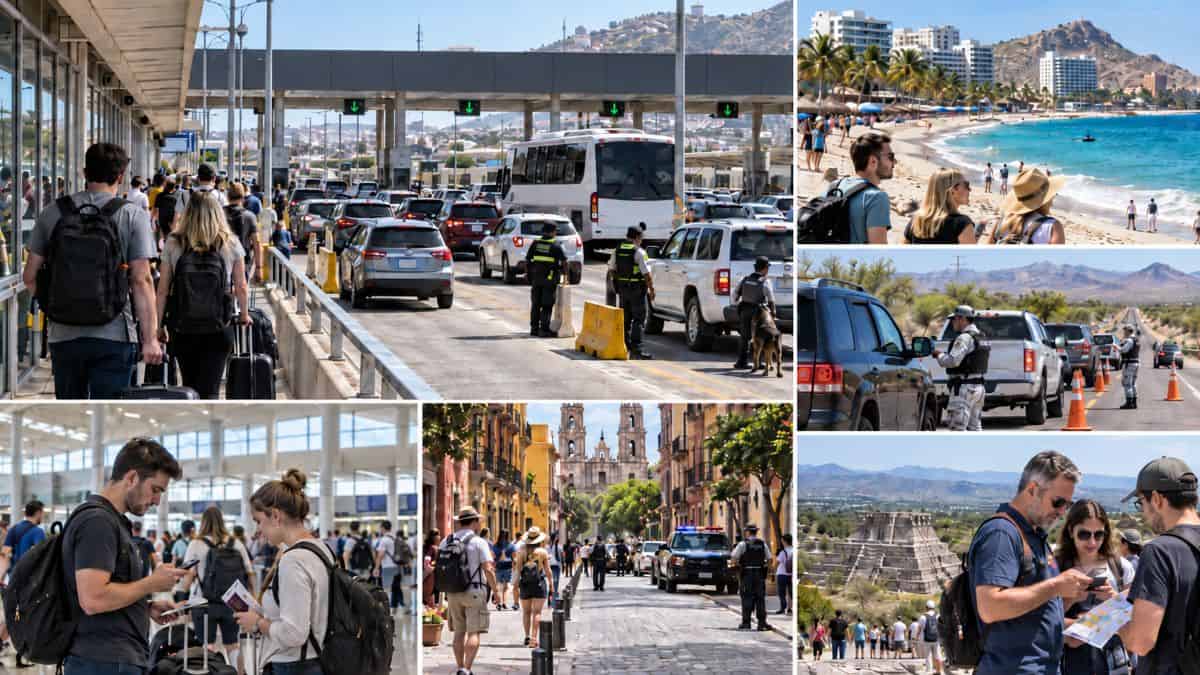
US Joins Canada and More Countries in Keeping Mexico Travel Warnings as Security Concerns Grow Across Key Regions. The reason is clear. Governments continue to flag crime, kidnapping, organised violence and border-security risks in specific Mexican states and cities. However, these warnings are not blanket bans on Mexico tourism. Many major destinations remain open. Travellers should check the exact state, city, road and airport covered by their government’s advice before departure. The risk level can change sharply from one region to another.
Mexico remains open to international tourism, but several governments continue to advise their citizens to avoid, reconsider or limit non-essential travel to specific parts of the country because of crime, kidnapping, organised violence and other security risks. The important point for travellers is that these measures are generally not blanket bans on visiting Mexico. Popular tourism destinations remain accessible in many cases, while higher warning levels apply to individual states, cities, border zones or transport corridors.
Advertisement
Advertisement
United States Keeps Multiple Mexican States at Highest Warning Level
The US Department of State currently places Mexico overall at Level 2, advising travellers to exercise increased caution because of terrorism, crime and kidnapping.
However, Colima, Guerrero, Michoacán, Sinaloa, Tamaulipas and Zacatecas are classified at Level 4, “Do Not Travel”, with limited exceptions in some locations.
Advertisement
Advertisement
Sonora remains at Level 3, “Reconsider Travel”. US government employees also face specific restrictions in Nogales and elsewhere in Sonora, including limits on road travel, transport use and some routes.
Canada Advises Against Non-Essential Travel Across Several Regions
Canada classifies Mexico overall as “Exercise a high degree of caution” because of criminal activity and kidnapping.
Advertisement
Advertisement
The Canadian government separately advises against non-essential travel to numerous regions, including parts of Chiapas, Chihuahua, Colima, Guanajuato, Guerrero, Jalisco, Michoacán, Nayarit, Nuevo León and Sinaloa.
Exceptions apply to certain cities, tourist areas and approved travel corridors, meaning travellers need to check their exact destination rather than treating Mexico as one uniform risk zone.
Advertisement
Advertisement
United Kingdom Warns Against Travel to Parts of Mexico
The UK Foreign, Commonwealth and Development Office advises against all but essential travel to several parts of Mexico.
Current warnings include Tijuana and Tecate, large sections of Sinaloa, Tamaulipas and Zacatecas, as well as designated parts of Guanajuato, Jalisco, Colima and other states.
The UK also warns that travelling against official advice can affect travel-insurance validity, making the geographic details particularly important for holidaymakers.
Australia Tells Travellers to Reconsider Several Mexican States
Australia advises travellers to exercise a high degree of caution across Mexico overall because of violent crime.
Advertisement
Advertisement
Its Smartraveller service applies a higher “Reconsider your need to travel” level to areas including Chiapas, Chihuahua, Colima, Guanajuato, Guerrero, Michoacán, parts of Durango, Sinaloa, Sonora, Tamaulipas and Zacatecas.
Some exemptions apply to major cities, airports and established tourism corridors.
Germany Strongly Discourages Travel to High-Risk Areas
Germany’s Foreign Office strongly advises against travel to Colima, much of Guerrero and Michoacán, Sinaloa, northern Tamaulipas, parts of Zacatecas and extended stays in the U.S.–Mexico border region.
It also advises against travel to specified areas of Jalisco, Guanajuato and the Chiapas–Guatemala border region.
Germany notes that the security situation can change quickly and urges travellers to monitor developments carefully before and during a trip.
France Places Several Mexican Destinations in Highest-Risk Category
France formally advises against travel to locations including Tamaulipas, most of Guerrero, Colima, parts of Michoacán, Tijuana, Tecate, Culiacán and surrounding areas.
Advertisement
Advertisement
French guidance also singles out several highways and parts of Guanajuato where security risks are considered particularly serious.
At the same time, some tourism centres such as Ixtapa-Zihuatanejo and Acapulco receive different treatment when reached directly by air.
Netherlands Uses Red and Orange Travel Zones
The Netherlands currently applies red “do not travel” advice around the active Popocatépetl and Colima volcanoes.
Orange advice, meaning travel only when necessary, applies to several areas, including the U.S.–Mexico border region and parts of southern and central Mexico.
Most other destinations remain under yellow advice, meaning travel is possible but visitors should remain alert to security risks.
Ireland Advises High Caution and Limits Non-Essential Travel
Ireland rates Mexico overall at “High Degree of Caution”.
Advertisement
Advertisement
It additionally advises against non-essential travel to a long list of states and regions, including Chihuahua, Colima, Coahuila, Durango, Guerrero, Jalisco, Michoacán, Nuevo León, Sinaloa, Sonora, Tamaulipas and Zacatecas, with exceptions for some tourism cities and air-access corridors.
Irish authorities stress that tourists are not normally the direct targets of organised crime but can be affected by nearby violence.
Belgium Urges Caution While Major Tourist Areas Remain Accessible
Belgium’s Foreign Affairs service says travellers should remain vigilant across Mexico because some states face significant insecurity linked to organised crime.
Its latest guidance says major tourism destinations including Quintana Roo, Yucatán and Mexico City generally continue operating without major problems, while other states require greater caution and some areas carry advice against non-essential travel.
Poland Expanded Its Mexico Travel Warning in 2026
Poland expanded its Level 3 warning in February 2026 to additional regions and tourism centres.
The warning now includes Quintana Roo destinations such as Cancún, Cozumel, Playa del Carmen and Tulum, as well as Oaxaca, Nuevo León, Guadalajara, Chapala, Puerto Vallarta, Tijuana, Tecate and Ensenada.
Advertisement
Advertisement
Level 3 means Poland advises against journeys that are not necessary to these areas.
What Travellers Need to Know Before Visiting Mexico
The official advice shows a common pattern: governments are not telling travellers to avoid all of Mexico. Instead, they are distinguishing between major tourism centres and areas affected by organised crime, kidnapping, border insecurity or other risks.
For travellers, the safest approach is to check the exact state, city, road and airport covered by their own government’s advisory before departure. Mexico remains a major international tourism destination, but the official warning level can change considerably from one region to another.
US Joins Canada and More Countries in Keeping Mexico Travel Warnings as Security Concerns Grow Across Key Regions. The cause is continued concern over crime, kidnapping, organised violence, border insecurity and other local risks. The answer is not that Mexico is closed to tourism. Instead, governments apply stronger warnings to particular states, cities and travel corridors while many destinations remain accessible. Travellers should therefore check official advice for the exact places they plan to visit. The key reason is simple: security conditions vary widely across Mexico, so the safest travel decision depends on location, route and government guidance before departure.
Advertisement
