

Egypt Outpaces Tanzania And Other Countries In Commanding Over 35% Of Africa Hospitality Pipeline As Tourism Investment Soars

Published
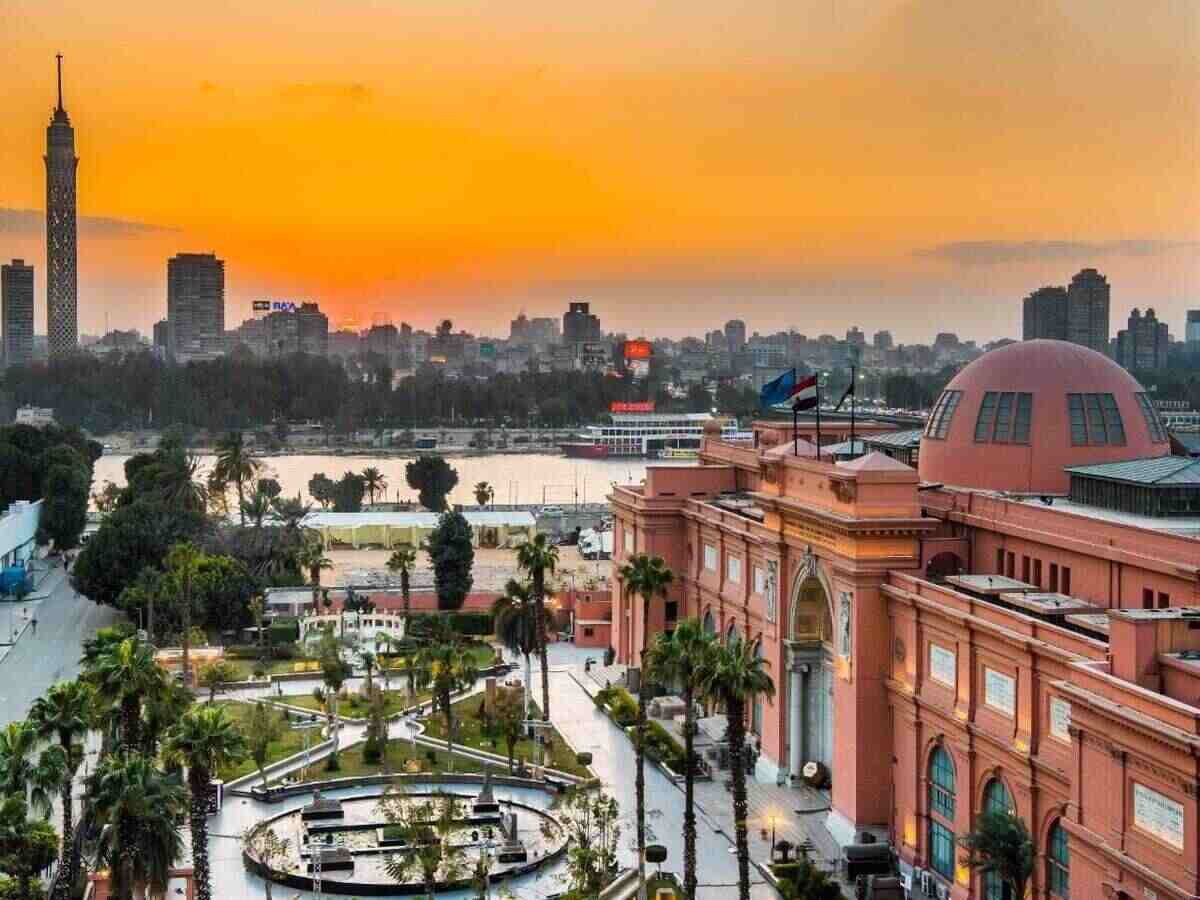
Egypt propels Africa’s hotel boom, fueling investments and tourism growth through 2026. Egypt is now well ahead of Tanzania, Nigeria, Kenya, Ethiopia, and other important tourism markets in Africa with the strength of an enormous wave of hotel development shaping up the continent’s hospitality industry. Egypt now holds 37.1% of the total hotel pipeline development in Africa with 45,984 hotel rooms in 185 hotel projects. The size puts Egypt in a dominant position with the backdrop of surging tourism demand, mega resorts, international hotels and billions of dollars in investments shaping its accommodation sector. Morocco is still the closest competitor to Egypt, but several countries in East, West and South Africa are also witnessing a fast-paced hospitality development. However, no country is at present able to match Egypt in terms of its unique combination of development pipeline, tourism arrivals, resorts and investments.
Egypt Takes A Commanding Lead In Africa’s Hospitality Race
Africa’s branded hotel development pipeline reached 675 projects containing 123,846 rooms in 2026. Egypt alone accounts for 45,984 of those rooms, giving the country more than 35% of the continental total.
Advertisement
Advertisement
Its lead becomes particularly striking when compared with Morocco. The North African rival ranks second with 10,606 pipeline rooms across 75 projects. Egypt therefore has more than four times Morocco’s number of branded rooms under development.
Egypt’s position has also strengthened rapidly. Its hotel pipeline stood at approximately 33,900 rooms across 143 projects in 2025. By 2026, this had climbed to almost 46,000 rooms.
Advertisement
Advertisement
However, pipeline figures should not be confused with completed capacity. Around 23,622 Egyptian rooms, representing approximately 51.4% of the pipeline, have reached the on-site construction stage. The remainder includes projects at other development stages.
Africa’s Biggest Hotel Development Markets In 2026
| Country | Projects | Pipeline Rooms | Rooms Under Construction | Construction Share |
|---|---|---|---|---|
| Egypt | 185 | 45,984 | 23,622 | 51.4% |
| Morocco | 75 | 10,606 | 6,859 | 64.7% |
| Nigeria | 57 | 8,480 | 3,328 | 39.2% |
| Kenya | 35 | 6,190 | 4,922 | 79.5% |
| Ethiopia | 34 | 5,964 | 4,768 | 79.9% |
| Cape Verde | 17 | 4,328 | 374 | 8.6% |
| Tunisia | 15 | 4,189 | 2,673 | 63.8% |
| Tanzania | 29 | 4,159 | 3,222 | 77.5% |
| South Africa | 31 | 4,136 | 2,778 | 67.2% |
| Ghana | 26 | 3,942 | 2,196 | 55.7% |
The figures show why Egypt has become the centre of Africa’s hospitality expansion. Morocco, Nigeria and Kenya all have substantial pipelines, but Egypt operates on a dramatically larger scale.
Advertisement
Advertisement
Cairo Emerges As A Giant Hospitality Development Centre
Greater Cairo is playing a major role in Egypt’s hotel boom. The wider metropolitan market has around 88 projects containing approximately 22,111 rooms in its development pipeline.
That means Cairo alone has more pipeline rooms than several leading African countries have nationwide.
The capital region benefits from strong cultural tourism, international business demand and growing interest around Giza. The Grand Egyptian Museum is expected to strengthen this position further by drawing travellers interested in Egypt’s ancient civilisation and encouraging longer stays around Cairo.
Egypt is also spreading investment across other destinations. Sharm El Sheikh, Marsa Alam and Ain Sokhna continue attracting resort projects, while Mediterranean developments are opening new possibilities for year-round tourism.
North Coast Megaprojects Push Egypt Into Another League
Egypt’s Mediterranean coast is becoming one of the most ambitious hospitality investment zones in Africa.
Ras El Hekma is at the centre of this transformation. The UAE-backed development is associated with investment worth approximately US$35 billion and is expected to include hotels, resorts, residential districts, commercial areas, entertainment facilities and marina infrastructure.
Advertisement
Advertisement
Another major development, Alam Al Roum, is backed by Qatari investment estimated at approximately US$29.7 billion. The project covers around 4,900 acres and approximately 7.2 kilometres of Mediterranean coastline.
Hotels, residences, tourism attractions, commercial districts, healthcare infrastructure and educational facilities are expected to form part of the project.
These developments could help Egypt reduce the traditional seasonality of North Coast tourism and establish the Mediterranean coastline as a major international destination alongside its Red Sea resorts.
Accor Adds Powerful Momentum To Egypt’s Hotel Boom
Global hospitality companies are strengthening Egypt’s lead.
Accor has outlined ambitions to add approximately 25,000 hotel rooms in Egypt over the next three years. That represents one of the most significant international hotel expansion programmes currently associated with the country.
The company is expected to grow across different brands and destinations while also upgrading existing properties.
Advertisement
Advertisement
Accor has additionally discussed creating a specialist hospitality academy with the Egyptian government. Such an initiative would become increasingly important as the country adds thousands of rooms and requires more trained hotel staff.
The expansion highlights how Egypt’s hospitality boom extends far beyond local property development. Global operators increasingly view the country as a strategic tourism market.
Marriott And Minor International Add More Growth
Other international hotel groups are also targeting Egypt.
Marriott-linked agreements announced in 2026 included nine hotels and resorts containing more than 1,800 rooms and suites.
Another major partnership involving Sunrise Resorts & Cruises and Minor International envisages as many as 50 new hotels across the country.
Locations connected with the expansion include Ras El Hekma, New Zayed and Ain Sokhna.
Advertisement
Advertisement
These projects demonstrate the geographical spread of Egypt’s hospitality growth. Investment is moving beyond traditional tourism centres and into newly developing resort and urban markets, giving Egypt a broader accommodation base.
Morocco Remains Egypt’s Strongest African Rival
Morocco is the second-largest hotel development market in Africa, with 75 projects containing 10,606 rooms.
Around 6,859 rooms are already under construction, representing 64.7% of the country’s total pipeline.
Morocco’s hospitality expansion is supported by rising tourist arrivals and sustained investment in destinations including Marrakech, Agadir, Casablanca, Tangier, Rabat and Ouarzazate.
The country is also strengthening its meetings and conference sector and expanding tourism infrastructure.
Yet the difference with Egypt remains substantial. Egypt’s 45,984-room pipeline is more than four times larger, illustrating just how far ahead it has moved in terms of branded hotel development volume.
Advertisement
Advertisement
Nigeria Builds Scale But Faces A Development Gap
Nigeria ranks third in Africa with 57 projects and 8,480 pipeline rooms.
Its large population, business centres and domestic market give it considerable hospitality potential. Lagos and Abuja remain particularly important for corporate travel, meetings and investment-related demand.
Nigeria is also attempting to strengthen tourism as part of economic diversification and improve investment opportunities across its states.
However, only around 3,328 rooms are currently under construction, equal to 39.2% of the overall pipeline.
That means Nigeria has a sizeable development portfolio, but many projects have yet to move into active construction. Egypt, by comparison, already has more than 23,000 rooms physically progressing.
Kenya Turns Hotel Plans Into Active Construction
Kenya has emerged as one of Africa’s strongest markets when actual construction is considered.
Advertisement
Advertisement
The country has 35 hotel projects containing 6,190 rooms, while approximately 4,922 rooms have reached the construction stage.
That represents an impressive 79.5% of Kenya’s entire pipeline.
Nairobi remains an important business and conference destination, while safari tourism and coastal leisure destinations continue attracting international travellers.
Kenya’s strong construction ratio indicates that its hospitality boom is moving beyond announcements. Although its overall pipeline remains much smaller than Egypt’s, it stands out as one of the continent’s most active development markets.
Ethiopia Posts Africa’s Highest Construction Ratio
Ethiopia has 34 projects and 5,964 pipeline rooms.
Around 4,768 rooms are under construction, representing approximately 79.9% of the country’s total pipeline.
Advertisement
Advertisement
This gives Ethiopia the highest construction ratio among Africa’s leading hotel development markets.
Hospitality development is expanding outside Addis Ababa as well. Projects are targeting destinations including Hawassa, Bahir Dar, Jimma, Langano and Danbi.
The growing presence of international hotel groups suggests that Ethiopia is attempting to diversify its accommodation offering while strengthening business, cultural and leisure tourism.
Yet even with its strong execution rate, Ethiopia’s total room pipeline remains far below Egypt’s.
Tanzania Strengthens East Africa’s Hospitality Surge
Tanzania is another major East African growth market.
The country has 29 projects containing approximately 4,159 rooms, with around 3,222 already under construction.
Advertisement
Advertisement
This represents roughly 77.5% of its pipeline.
Tanzania benefits from an internationally recognised tourism mix that includes wildlife safaris, Zanzibar beach holidays and nature-based travel.
Alongside Kenya and Ethiopia, Tanzania demonstrates how East Africa is becoming a particularly active hotel-construction region.
However, these countries are competing through project execution rather than total scale. Egypt remains far ahead in absolute pipeline volume.
Tunisia Revives Its Mediterranean Hotel Industry
Tunisia has 15 projects containing 4,189 rooms, with approximately 2,673 rooms already under construction.
Its hospitality strategy differs from Egypt’s because Tunisia already has an extensive mature resort sector.
Advertisement
Advertisement
The country is therefore balancing new hotel development with refurbishment, repositioning and efforts to attract additional international investors.
Tunisia remains a major Mediterranean holiday destination, giving it a solid foundation for further tourism growth.
Nevertheless, its branded development pipeline is less than one-tenth the size of Egypt’s.
Cape Verde Bets On Large Resort Development
Cape Verde has 17 projects containing 4,328 pipeline rooms.
Its development profile is heavily focused on larger resort properties linked to beach and island tourism.
However, only around 374 rooms are currently under construction, representing just 8.6% of its announced pipeline.
Advertisement
Advertisement
This creates a major contrast with countries such as Ethiopia, Kenya and Tanzania, where a far greater proportion of planned rooms has reached physical construction.
Cape Verde still possesses significant long-term hospitality potential, but many of its announced developments remain at earlier stages.
South Africa Combines Tourism Scale With Hotel Investment
South Africa has 31 projects containing 4,136 pipeline rooms.
Approximately 2,778 rooms, or 67.2%, are already under construction.
Its tourism industry benefits from diverse demand across Cape Town, Johannesburg, Durban, national parks, wine regions, beaches and business centres.
South Africa’s established tourism economy gives developers access to multiple visitor segments, ranging from international leisure travellers to domestic guests and conference visitors.
Advertisement
Advertisement
The country remains one of Africa’s most important hospitality markets, but new development is being added to an already substantial accommodation base rather than created at Egypt’s current transformational scale.
Ghana Emerges As Another West African Hospitality Market
Ghana has 26 projects containing 3,942 pipeline rooms.
Around 2,196 rooms are under construction, accounting for approximately 55.7% of the pipeline.
Accra remains a major business and aviation centre in West Africa, supporting corporate hotel demand.
Cultural tourism, heritage travel and international connectivity also strengthen Ghana’s tourism appeal.
The country therefore represents another important part of Africa’s wider hospitality growth story, although its development volume remains considerably below Nigeria and dramatically below Egypt.
Advertisement
Advertisement
Rwanda Shows A Different Route To Tourism Growth
Rwanda is not among the continent’s biggest markets by pipeline room count, but its tourism strategy offers an important contrast.
The country has focused strongly on premium nature tourism, conservation, meetings and high-value travel.
Tourism revenue reached approximately US$685 million in 2025, while visitor arrivals climbed to around 1.49 million.
This model demonstrates that African countries do not need enormous hotel pipelines to build valuable hospitality economies.
Egypt, however, is pursuing a much larger volume-driven strategy by simultaneously growing arrivals, resort destinations, room supply and aviation connectivity.
Rising Tourism Demand Is Forcing Egypt To Build Faster
Egypt welcomed around 19 million tourists in 2025 and is expected to approach approximately 20 million arrivals in 2026.
Advertisement
Advertisement
Around 12.7 million international visitors had already entered the country between January and August 2026.
Tourism revenue reached approximately US$12 billion during the same period.
The government’s longer-term ambition is far bigger, with approximately 30 million annual visitors targeted around the end of the decade.
Reaching that level would require a dramatic increase in accommodation capacity.
That explains why Egypt is accelerating hotel construction, financing tourism projects and attracting major international developers.
Egypt Is Setting The Pace For Africa’s Hospitality Future
Africa’s hospitality landscape is expanding rapidly, but Egypt currently occupies a unique position.
Advertisement
Advertisement
Morocco is growing strongly. Nigeria possesses huge long-term potential. Kenya, Ethiopia and Tanzania are turning a high proportion of projects into active construction. Tunisia and Cape Verde continue developing resort markets. South Africa combines mature tourism with new investment. Ghana and Rwanda add further diversity. Yet Egypt stands far above them in total pipeline volume.
With 45,984 rooms under development, approximately 37.1% of Africa’s branded pipeline, major global hotel companies expanding and billions of dollars flowing into new tourism zones, Egypt is building accommodation on a scale unmatched elsewhere on the continent.
Egypt is spearheading Africa’s hospitality wave, taking up more than 35% of the hotel pipeline as tourism investments increase.
The hospitality wave that Egypt is undergoing therefore does not only include new hotels but is actually part of the overall process that includes tourism, aviation, infrastructure development, international investments, and resorts to position Egypt for a bigger global tourism role. In the Africa’s hospitality industry in 2026, Tanzania, Morocco, Kenya, Ethiopia, and others are emerging fast. However, Egypt is leading the way.
Advertisement
