
Italy Faces Croatia and France in Europe’s Growing Truffle Tourism Race as Alba Fair Takes Centre Stage

Published
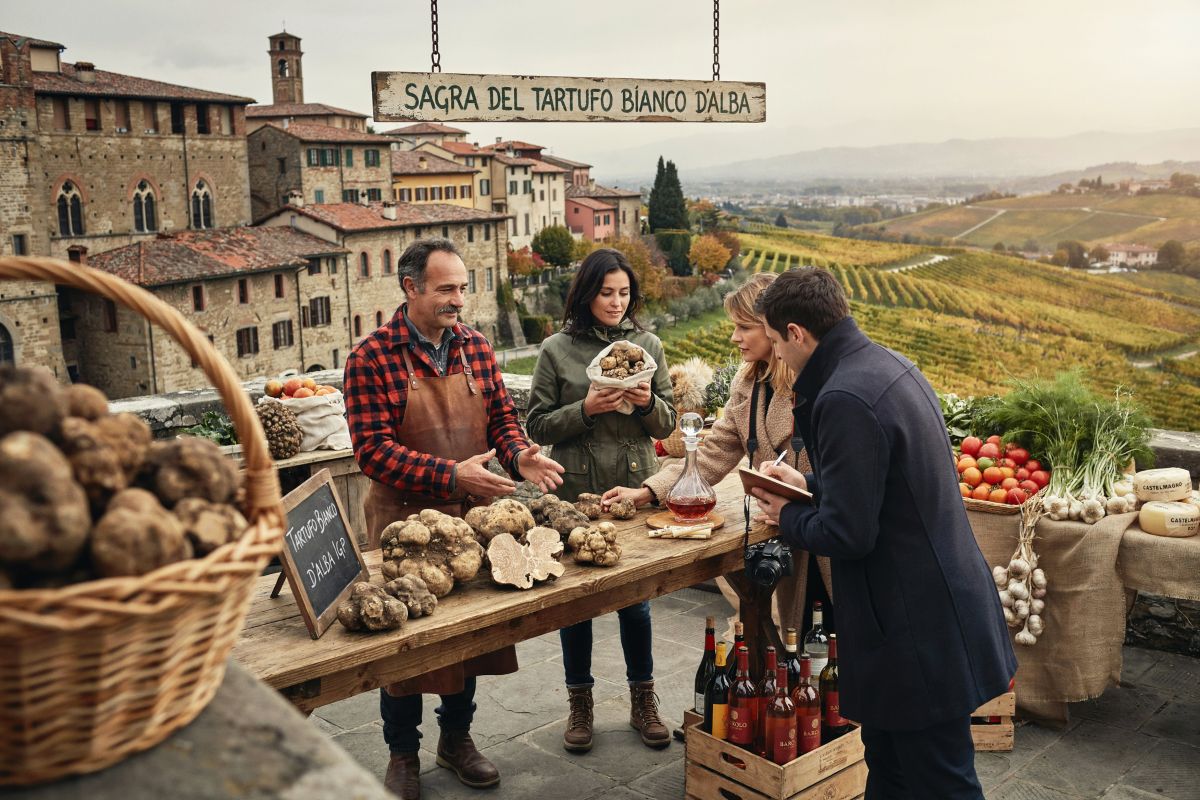
Italy Faces Croatia and France in Europe’s Growing Truffle Tourism Race as Alba Fair Takes Centre Stage.Italy’s prestigious Alba International White Truffle Fair has returned to Piedmont for its 96th edition, running from 10 October to 6 December 2026. The internationally recognised gastronomic celebration brings together truffle hunters, chefs, wine producers, food enthusiasts and international travellers. Beyond its culinary appeal, the event is an important driver of autumn tourism, supporting hotels, restaurants, vineyards and rural businesses across the Langhe, Monferrato and Roero region.
Where Is This Event Staged and Who Is Participating?
Rather than being restricted to an exhibition center, the celebration takes over the municipal heart of Alba and its neighboring hill towns:
Advertisement
Advertisement
- The Alba White Truffle World Market (Cortile della Maddalena): Operates as the official commercial nexus, featuring verified forager stalls where every single white truffle offered for retail is inspected, sensory-tested, and certified by the National Centre for Truffle Studies (Centro Nazionale Studi Tartufo) prior to sale.
- Civic Pavilions & Sensory Theatres (Sala Beppe Fenoglio & Piazza Risorgimento): Host masterclasses, wine-pairing sensory laboratories with the Consorzio di Tutela Barolo Barbaresco Alba Langhe e Dogliani, and live cooking showcases.
- The World Truffle Auction (Castello di Grinzane Cavour): The 14th-century manor stages the fair’s premier charity auction, connecting Alba via live satellite link to high-net-worth bidders assembled in global financial capitals, including Hong Kong, Singapore, and New York.
- Participating Lineup and Key Stakeholders: The multi-week gathering mobilizes over 4,000 regional truffle hunters and trained canine search teams, scores of Piedmontese winemakers and artisanal hazelnut producers, and an international roster of three-star Michelin chefs alongside delegations from the City of Alba, the Regione Piemonte, and visiting culinary buyers from six continents.
How Has Attendance Tracked Over the Past Five Years?
Audited ticket-counter telemetry, municipal transport logs, and regional hospitality registries monitored under ISTAT destination frameworks demonstrate robust post-pandemic footfall expansion and rising turnstile demand:
| Year | Edition / Format | Venue Location | Total Fair Attendance | Operational Context & Capacity Catalysts |
| 2021 | 91st Edition (Phased Return) | Alba, Piedmont | ~96,500 | Staged under EU digital health passes and timed entry windows across Cortile della Maddalena. |
| 2022 | 92nd Edition (Unrestricted) | Alba, Piedmont | ~118,000 | Full resumption of unrestricted overseas travel; record final-lot auction bids from East Asian collectors. |
| 2023 | 93rd Edition | Alba, Piedmont | ~128,500 | Launch of dedicated sensory analysis labs; major double-digit growth in North American hotel bookings. |
| 2024 | 94th Edition | Alba, Piedmont | ~137,000 | Expanded weekend pedestrian corridors; high rail transit inflows via the Turin-Bra-Alba line. |
| 2025 | 95th Anniversary Showcase | Alba, Piedmont | ~146,500 | Milestone pre-centenary edition; record turnout of international gastronomic journalists and certified buyers. |
| 2026 | 96th Edition (Active Staging) | Alba, Piedmont | ~150,000+ (Projected) | Full two-month activation through 6 December backed by national ENIT promotional campaigns. |
Audited performance benchmarks compiled from Ente Fiera di Alba operational registers, Regione Piemonte Department of Tourism filings, and ISTAT accommodation telemetry.
Advertisement
Advertisement
Which Other Countries Host Similar Truffle Gatherings?
While Alba holds proprietary geographical distinction for the rare wild Piedmontese white truffle, sovereign nations across Europe and the Americas stage structurally parallel harvest festivals:
- Croatia (Teran and Truffle Festival, Motovun, Istria): Staged in the Mirna River Valley, celebrating Istria’s wild white truffle harvests paired with local Teran red wines.
- France (Fête de la Truffe, Sarlat-la-Canéda & Richerenches): Europe’s flagship black truffle (Tuber melanosporum) trade fairs, held across the Dordogne and Provence regions with wholesale auctions and culinary workshops.
- Spain (Feria de la Trufa de Teruel – FITRUE, Sarrión, Aragon): Anchors the largest black winter truffle cultivation basin in the world, combining agricultural technology expos with culinary competitions.
- United States (Oregon Truffle Festival, Eugene & Willamette Valley): North America’s premier culinary gathering dedicated to native Pacific Northwest truffles, linking field foraging dog trials with boutique Pinot Noir vineyards.
- Australia (Truffle Kerfuffle, Manjimup, Western Australia): Southern Hemisphere celebration held each winter during the Australian harvest, attracting international chefs to the premier black-truffle orchards of the Southern Forests.
Which Region of Travellers Come to This Event Most?
Inbound border mobility metrics and hotel guest origin logs tracked by the national tourism agency ENIT – Agenzia Nazionale del Turismo (enit.it) delineate three primary feeder corridors:
Advertisement
Advertisement
- Western European Road & Rail Corridors (Germany, Switzerland, France, Benelux): Represents the largest international contingent, accounting for 44% of visiting overseas travelers. Taking advantage of scenic trans-Alpine highway passes and high-speed rail connections into Turin and Milan, affluent European connoisseurs routinely book 4- to 7-day culinary and wine-cellar itineraries.
- North American Gastronomic Collectors (United States & Canada): Comprises approximately 32% of foreign arrivals. Concentrated around New York, California, and Ontario, this high-disposable-income demographic accounts for the vast majority of five-star luxury resort and private estate rentals across the Barolo and Barbaresco vineyard hills.
- East Asian & Middle Eastern Private Buyers: Makes up roughly 14% of foreign turnout, led by collectors, luxury restaurateurs, and wine importers from Hong Kong, Singapore, Tokyo, and Dubai who travel specifically to participate in private lots and Michelin-led charity dinners.
- Domestic Italian Inter-City Feeder: Accounts for the remaining 10% of non-Piedmontese visitors, drawing high-net-worth gastronomes and culinary academy delegates traveling via Frecciarossa high-speed rail from Milan, Genoa, Rome, and Bologna.
Which Country Benefits Most and How Are Tourism and the Economy Impacted?
Italy—and specifically the Regione Piemonte, the Province of Cuneo, and the Langhe-Roero rural territory—serves as the primary economic and structural beneficiary.
┌────────────────────────────────────────────────────────────────────────┐
│                   MUNICIPAL ECONOMIC & TOURISM FOOTPRINT               │
├───────────────────────────────────┬────────────────────────────────────┤
│       DIRECT HOSPITALITY          │       AGRICOLE & REGIONAL TRADE    │
├───────────────────────────────────┼────────────────────────────────────┤
│ • €55M–€68M estimated direct      │ • Forager & agrarian revenue:      │
│   spend across lodging, dining,   │   direct commercial monetization   │
│   private transport, and retail.  │   for local rural searchers.       │
│                                   │                                    │
│ • Luxury resort room compression: │ • Off-peak resilience: counters    │
│   92%–98% occupancy across Alba,  │   autumn lulls and elevates cellar │
│   Barolo, and Langhe hills.       │   sales across Barolo estates.     │
└───────────────────────────────────┴────────────────────────────────────┘
- Direct Counter-Cyclical Expenditure: According to macroeconomic tourism benchmarks published by ISTAT, culinary and wine tourists spend an average of 34% to 42% more per day (€185 to €240 per traveler) than conventional leisure tourists. Over its eight-week duration, the fair injects an estimated €55 million to €68 million in direct and indirect consumer transactions across local hotels, traditional trattorie, private guide outfitters, and specialty shops.
- Hospitality Occupancy and Room Yields: Boutique relais, historic castles, and farm-stay estates (agriturismi) across Alba, Neive, Monforte d’Alba, and La Morra report weekend occupancy rates between 92% and 98%, driving Average Daily Rates (ADR) to peak annual figures that outpace summer leisure records.
- Cross-Sector Synergy with the Wine Trade: By staging the truffle market alongside the autumn harvest, the festival sparks a commercial multiplier effect for the regional wine sector; cellars across the Barolo and Barbaresco DOCG zones record their highest retail and export tasting orders of the year.
- Environmental Stewardship and Soil Conservation: Truffle sales fund conservation trusts and reforestation programs run by local municipalities, safeguarding Piedmont’s delicate woodland microclimates against climate vulnerability and deforestation.
What Is the Outlook for Alba’s Tourism Industry?
The 2026 Alba International White Truffle Fair reinforces Italy’s position in European gastronomic tourism. Its combination of certified truffle trading, premium dining, wine culture and rural experiences gives Piedmont an opportunity to attract high-value international visitors.
Advertisement
Advertisement
While final 2026 attendance and economic-impact figures remain unavailable, the destination’s 2025 tourism growth provides a strong foundation.
The event’s longer-term significance lies in its ability to connect local producers with international travellers while spreading visitor spending across the wider regional economy.
Advertisement
