

Spain’s Arenillas Leads Europe’s Rural Tourism Revival as Italy, Switzerland and Greece Villages Offer Free Homes Grants and New Settlement Opportunities to Fight Depopulation

Published
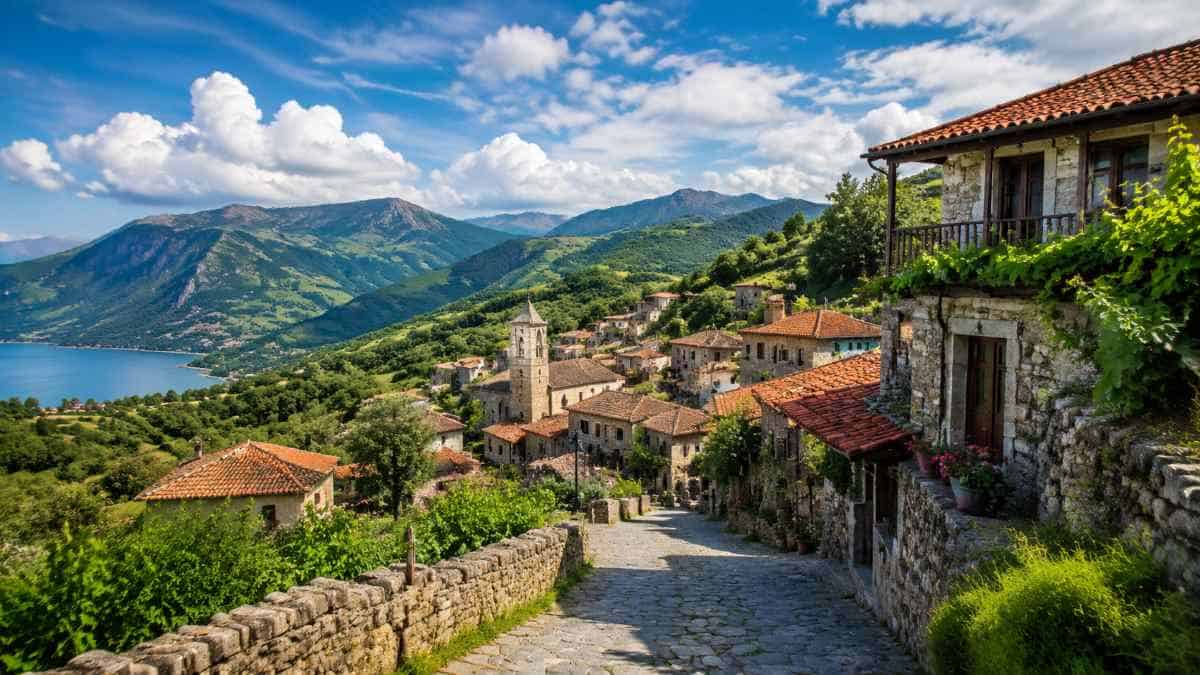
Arenillas in Soria, Spain, has emerged as one of Europe’s most notable rural repopulation initiatives after the village opened a relocation opportunity offering a renovated municipal home, guaranteed employment and community responsibilities to a permanent family, while rural destinations across Italy, Switzerland and Greece continue developing similar programmes to reverse population decline. The initiative, launched by the Ayuntamiento de Arenillas and the Asociación Cultural de Arenillas, represents a wider European movement known as rural revitalisation, where shrinking villages are combining housing support, employment opportunities, financial incentives and tourism development strategies to attract residents and preserve local economies.
Located in the province of Soria within the autonomous community of Castile and León, Arenillas is part of Spain’s España Vaciada or Emptied Spain, a term used to describe inland regions experiencing decades of population loss, ageing communities and declining local services. With only around 40 to 45 year-round residents, the village has developed a carefully structured relocation model designed not for temporary visitors but for families willing to become permanent members of the community.
The latest opportunity gained significant attention after one renovated municipal property became available following decades of local restoration work. Within less than one week of the official announcement, the village received more than 116 formal enquiries from families interested in leaving larger cities or relocating closer to rural areas.
Unlike viral relocation stories that focus only on cash payments, Arenillas has created a complete ecosystem combining accommodation, employment, social integration and community preservation.
Advertisement
Advertisement
Arenillas Spain Relocation Programme Offers Free Housing Employment and Community Integration
The Arenillas initiative differs from many European village schemes because the primary incentive is not a financial reward. Instead, the village offers practical support designed to help a family establish a sustainable life in a rural environment. The selected family receives access to a fully renovated municipal home without rent. These properties represent decades of local investment, with the village restoring seven municipal houses over approximately forty years to maintain available housing stock.
The relocation package includes:
Advertisement
Advertisement
| Benefit | Details |
|---|---|
| Location | Arenillas, Soria, Castile and León, Spain |
| Permanent population | Approximately 40 to 45 residents |
| Housing support | Renovated municipal home provided rent-free or highly subsidised |
| Employment opportunity | Guaranteed municipal construction and maintenance position |
| Additional responsibility | Management of the local Bar Social community centre |
| Residency requirement | Permanent year-round settlement |
| Preferred applicants | Families with school-aged children |
| Legal requirement | Existing right to live and work in Spain or the EU |
| Digital infrastructure | High-speed fibre internet availability |
The employment element is directly connected to the future development of the village. The selected resident is expected to work as an albañil, a Spanish term referring to a construction worker or mason. The role involves maintaining public buildings, repairing infrastructure and continuing restoration work on vacant properties.
This approach links population recovery with destination management. By supporting building maintenance and community facilities, the programme aims to ensure that Arenillas remains attractive both for residents and visitors. The selected family will also receive the opportunity to manage the village’s Bar Social, a facility that plays an important role in many small Spanish communities. In rural Spain, municipal bars often function as social centres where residents gather daily, making them essential for maintaining community connections.
Arenillas Targets Families Instead of Seasonal Visitors or Holiday Home Owners
A major condition of the Arenillas programme is permanent commitment. The village is not seeking seasonal residents, second-home owners or short-term rural tourism visitors. Applicants must agree to live in Arenillas throughout the year and participate in local life. The purpose of the initiative is to rebuild the demographic structure of the village rather than create temporary accommodation. The selection process prioritises families with school-aged children because maintaining younger generations is considered essential for the future of rural communities.
The main applicant requirements include:
- A family structure with children of school age preferred
- Commitment to full-time residency
- Ability to integrate into village life
- Existing legal permission to live and work in Spain or the European Union
- Willingness to undertake municipal employment responsibilities
The programme does not provide immigration assistance. International applicants without existing Spanish or EU residency rights cannot receive visa sponsorship through the initiative. This requirement separates Arenillas from some online relocation narratives that suggest anyone can move immediately to a European village. In reality, immigration regulations remain unchanged, and applicants must already meet national residency rules.
Rural Infrastructure Supports Long-Term Living Despite Remote Location Challenges
Although Arenillas offers housing and employment support, relocation requires adjustment to rural conditions. The village does not provide the same level of services available in larger Spanish cities. The nearest primary school is located approximately 20 kilometres away in Berlanga de Duero. To support families, a daily school bus service funded by the Junta de Castilla y León transports children to the regional school.
Advertisement
Advertisement
Healthcare services also require travel to nearby population centres, as specialist medical facilities are not located inside the village. However, digital infrastructure has improved significantly. High-speed fibre internet has been installed, allowing residents to access remote working opportunities and digital employment options. For tourism development, these improvements are important because rural destinations increasingly depend on connectivity to attract visitors, entrepreneurs and professionals seeking alternative lifestyles.
Arenillas Strengthens Spain’s Rural Tourism Identity Through Culture and Community
Arenillas is not only focusing on population recovery. The village has also developed cultural initiatives aimed at increasing visibility and strengthening rural tourism. One of the most recognised events is Boina Fest, a music festival created to highlight rural artists and raise awareness about depopulation challenges affecting inland Spain.
Events such as this demonstrate how small villages are using culture as a tourism asset. Rural destinations increasingly compete by offering authentic experiences, local traditions, festivals and community-based travel rather than conventional mass tourism attractions. The Arenillas model shows how tourism and repopulation strategies can support each other. More residents create stronger communities, while stronger communities improve the visitor experience.
Spain Expands Rural Settlement Opportunities Beyond Arenillas
Arenillas is part of a wider Spanish movement where different regions are introducing measures to attract residents and revive smaller communities. Several other programmes across Spain use financial incentives rather than employment-based relocation.
| Region | Programme | Main Incentive | Conditions |
|---|---|---|---|
| Extremadura | Live in Ambroz | Up to €15,000 support | Digital nomads and remote workers relocating to villages under 5,000 residents for minimum two years |
| La Rioja | Plan REVIVE | Grants up to €40,000 | Support for purchasing or renovating homes in villages under 5,000 residents |
| Galicia | Rural housing rehabilitation support | Up to €30,000 | Assistance for structural renovation of primary homes |
| Asturias | Ponga initiative | Around €3,000 relocation support plus additional child incentives | Minimum five-year residency commitment |
These programmes show different approaches to solving the same challenge. Some focus on attracting workers, others on restoring housing, while others aim to rebuild family populations.
Italy Uses Financial Incentives to Transform Declining Villages Into New Tourism Hubs
Italy has developed several internationally recognised rural recovery initiatives aimed at attracting younger residents, entrepreneurs and skilled workers. The Calabria relocation programme is designed to support people willing to move to small communities with populations below 2,000 residents. Eligible participants can receive up to €28,000, distributed over two to three years.
Advertisement
Advertisement
The support is connected to economic activity. Applicants are generally expected to create businesses, continue professional work or provide essential services. The programme is particularly relevant for tourism because many Calabrian villages possess natural landscapes, historic architecture and Mediterranean cultural assets. New entrepreneurs can contribute to hospitality, food services, local experiences and visitor infrastructure.
| Destination | Country | Incentive | Main Requirement |
|---|---|---|---|
| Calabria | Italy | Up to €28,000 over two to three years | Relocate to small village and create business or service |
| Sardinia | Italy | Up to €15,000 property renovation grant | Purchase or restore property and register as resident |
Sardinia Connects Housing Restoration With Sustainable Rural Tourism Growth
Sardinia’s relocation programme focuses on restoring unused housing while encouraging permanent settlement. The autonomous island region provides grants of up to €15,000 per person for purchasing or renovating homes in municipalities with populations below 3,000 residents.
The funding cannot exceed half of the total property purchase or renovation cost. Residents must register officially within 18 months. For tourism, the initiative supports preservation of traditional villages and historic homes. Sardinia attracts visitors seeking authentic island experiences, cultural heritage and slower travel, making permanent communities essential for maintaining local identity.
Switzerland’s Albinen Programme Shows Strict Conditions Behind Attractive Relocation Offers
The Swiss mountain village of Albinen became internationally known for offering financial incentives to attract new residents and protect local services.
The programme provides:
- 25,000 Swiss francs per adult
- 10,000 Swiss francs per child
A family of four could receive a significant financial contribution under the scheme.
Advertisement
Advertisement
However, strict conditions apply. Applicants must generally be under 45 years old, purchase or build a qualifying property worth at least CHF 200,000 and commit to living in the village for at least ten years. The initiative highlights an important reality of European relocation programmes: incentives are usually linked to long-term demographic goals rather than short-term tourism migration.
Greece’s Antikythera Island Uses Family Relocation to Protect Community Life
The Greek island of Antikythera has explored another model focused on supporting families willing to rebuild island communities.
Selected families receive:
- €500 monthly support for three years
- Temporary housing assistance
- Access to land opportunities for farming or construction
The programme prioritises families capable of contributing to the island’s future population structure. For tourism, maintaining permanent island communities is critical. Visitors are attracted by authentic lifestyles, local traditions and natural landscapes, all of which depend on residents maintaining daily services.
European Rural Relocation Programmes Create New Opportunities for Tourism Development
The growing number of village relocation schemes across Europe reflects a shift in tourism strategy. Rural destinations are no longer relying only on attracting visitors for short stays. Many are attempting to create stronger communities capable of supporting sustainable tourism economies throughout the year.
Arenillas, Calabria, Sardinia, Albinen and Antikythera demonstrate different solutions to demographic decline:
Advertisement
Advertisement
| Destination | Country | Main Benefit | Minimum Commitment |
|---|---|---|---|
| Arenillas | Spain | Free housing and municipal employment | Permanent residency |
| Ponga | Spain | Financial support for families | Five years |
| Calabria | Italy | Up to €28,000 economic support | Two to three years |
| Sardinia | Italy | Property renovation assistance | Permanent residency |
| Albinen | Switzerland | Family relocation payments | Ten years |
| Antikythera | Greece | Monthly allowance and housing support | Three years |
For the travel sector, these initiatives represent emerging opportunities for rural tourism development. New residents can help sustain restaurants, cultural events, accommodation businesses and local services while preserving the character that attracts visitors.
Europe’s smallest villages are increasingly becoming examples of how demographic recovery, heritage protection and tourism development can operate together. Arenillas and similar destinations are showing that rural revival is no longer only about saving communities from decline; it is also about creating new models for sustainable travel, authentic experiences and long-term regional growth.
Spain’s Arenillas Leads Europe’s Rural Tourism Revival as Italy Switzerland and Greece Villages Offer Free Homes Grants and New Settlement Pathways to Reverse Depopulation by attracting families and workers.
Conclusion
Europe’s rural relocation programmes are transforming overlooked villages into emerging destinations for sustainable living and tourism growth. From Arenillas in Spain offering housing and employment support to Calabria, Sardinia, Albinen and Antikythera providing financial incentives, each initiative reflects a different strategy to address depopulation. These schemes highlight the growing connection between permanent communities and successful rural tourism economies. As travellers increasingly seek authentic cultural experiences, smaller European villages are gaining new importance as destinations where heritage, nature and community life can support a more balanced future for regional tourism.
Advertisement
