
Sweden Joins Hands With Denmark And More EU Economies To Drive Net-Zero Sustainable Housing And Resilient Tourism Initiatives

Published
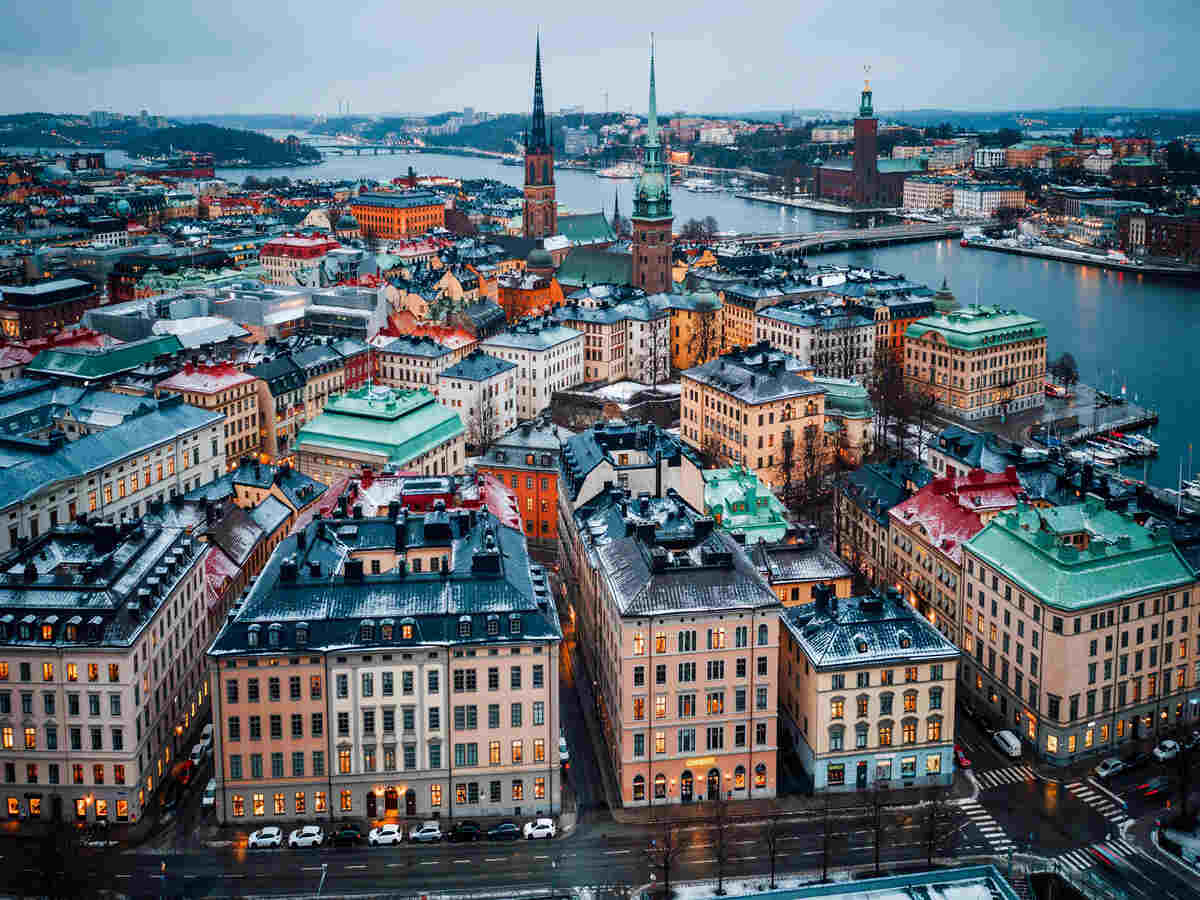
In 2026, Sweden aligns itself with Denmark and EU members to promote sustainable housing and green tourism. European member states are implementing a coordinated structural transformation in urban planning, housing, and tourism within their regions. Due to the stringent targets set by the European Union on issues of climate, the post-COVID recovery plans, and zero emissions deadline, some countries are taking up the initiative led by Sweden and Denmark.
With multi-billion-euro disbursements from the EU’s Recovery and Resilience Facility (RRF) reaching their final, decisive stages, European economies are directing massive capital injections into two interconnected sectors: energy-efficient housing and sustainable, resilient tourism.
The Blueprint Catalyst: Sweden’s €333M Milestone and Multi-Sector Reforms
Sweden recently achieved a major financial and policy milestone within the European Union. In October 2026, the European Commission officially disbursed Sweden’s third and final payment of €333 million under the NextGenerationEU Recovery and Resilience Facility (RRF).
Sweden formally submitted its request for this final tranche on July 2, 2026. Following thorough verification that Sweden had successfully fulfilled all 27 policy milestones and targets outlined in its national plan, the European Commission granted formal approval on August 31, 2026, paving the way for the mid-October payout.
Advertisement
Advertisement
This disbursement brings Sweden’s total grant allocation to €3.45 billion, making it only the second EU Member State (following Denmark) to complete its entire RRF roadmap before the federal deadline.
Sweden’s recovery strategy channels 44% of its total funds exclusively into climate actions and environmental sustainability.
Advertisement
Advertisement
Key Swedish Sustainable Housing Reforms
- Energy-Efficient Rental Supply: The final €333 million payout specifically recognized Sweden’s progress in boosting the supply of new, affordable, and energy-efficient rental housing. This policy eases long-standing residential shortages while mandating strict modern carbon limits on new builds.
- Deep Retrofits for Co-ops (BRFs): Sweden is funding retrofits across existing multi-dwelling apartment blocks. Housing cooperatives are installing automated smart heating control systems, structural attic and basement insulation, and energy-saving LED arrays.
- Tightened Performance Standards: The Swedish government established mandatory efficiency regulations across residential properties. Buildings failing to hit baseline carbon-reduction metrics face regulatory fines and modern valuation markdowns.
- Tenant Protection Measures: To prevent “renovictions”—where rents skyrocket after energy overhauls—Sweden implemented targeted subsidies that offset rent increases and introduced “no action options,” allowing residents to opt for vital maintenance without triggering premium rent hikes.
- Grid Capacity Overhauls: Sweden enacted legislative reforms streamlining permits for new power transmission lines, ensuring national power grids can handle fully electrified, heat-pump-driven residential neighborhoods.
Industrial Net-Zero & Social Investment
Sweden’s final payment phase also finances breakthrough industrial technology designed to yield zero, low, or negative greenhouse gas emissions. Beyond green technology, the RRF funding expands higher education capacity in sectors with critical labor shortages, builds modern student accommodation, and finances upskilling programs for staff across the elderly care sector.
Denmark: Pioneer in Carbon-Capped Housing and Reward-Based Tourism
Denmark was the first EU nation to fulfill its complete RRF commitment, establishing a operational model that links low-carbon construction with climate-conscious visitor economies.
Sustainable Housing Initiatives
- Mandatory Carbon Caps (Den Frivillige Bæredygtighedsklasse): Denmark legally mandates strict lifecycle carbon emission caps per square meter on all new residential buildings. Developers must calculate embodied carbon from raw material extraction through construction.
- Heating System Conversions: Danish funds subsidize the complete removal of oil and gas boilers, replacing them with district heating networks powered by municipal heat pumps, geothermal energy, and waste-heat recovery.
How Denmark Is Boosting Tourism
- Targeted Visitor Incentives (CopenPay): Denmark’s capital leads the world in behavioral tourism transformation. Under initiatives like CopenPay, tourists who demonstrate eco-friendly choices—such as arriving on bicycles, riding electric public transit, or volunteering in urban cleanup efforts—receive free museum entries, complimentary organic meals, and kayak rentals.
- Zero-Emission Destination Mandate: Denmark has committed national resources to convert its hospitality ecosystem into a net-zero sector, granting special green certifications to hotels running on 100% renewable electricity and zero-waste dining facilities.
Spain: Deploying Mass Retrofits and Eco-Resort Corridors
As part of the wider Southern European effort, Spain is using recovery capital to modernize residential communities while diversifying its world-leading tourism footprint.
Sustainable Housing Initiatives
- 80% Subsidized Retrofit Program: Spain instituted direct grants covering up to 80% of renovation costs for residential homeowners. The program prioritizes thermal envelope insulation, high-efficiency double glazing, solar photovoltaic panel installation, and heat pump retrofits, targeting a mandatory minimum 30% reduction in primary energy consumption.
- Public Housing Modernization: National funds target lower-income neighborhoods, upgrading municipal apartment complexes to lower utility bills and combat thermal poverty.
How Spain Is Boosting Tourism
- Destination Sustainability Plans: Spain’s Plans for Tourism Sustainability at Destinations program injects capital into inland and coastal regions to shift focus away from high-density beach resorts.
- Non-Motorized “Blue Paths”: Spain is converting historic river corridors into non-motorized eco-routes, enabling cycling and hiking tourism across rural heartlands.
- Low-Carbon Alpine Resorts: Spanish ski destinations are receiving micro-grid upgrades, featuring solar arrays, electric vehicle charging networks, and closed-loop water recycling systems for sustainable snowmaking.
Italy: Comprehensive Superbonus Retrofits and Rural Heritage Tourism
Italy’s dual strategy links structural home safety with the economic revitalisation of historic rural villages.
Sustainable Housing Initiatives
- Targeted Eco-Incentives: Building on the framework of its historic Superbonus program, Italy’s refined residential incentives fund thermal retrofits, seismic strengthening, and rooftop solar installations across private and public housing blocks.
- Energy Poverty Relief: Italian investments focus on deep thermal upgrades for low-income families, modernizing heating networks to comply with the EU Energy Performance of Buildings Directive (EPBD).
How Italy Is Boosting Tourism
- Revitalizing Rural Borghi: Italy is deploying billions to prevent the depopulation of historic rural villages (borghi). These initiatives restore aging, empty homes using sustainable heritage construction methods, transforming them into energy-efficient, eco-friendly accommodation networks (alberghi diffusi).
- Green Rail Mobility: Italy is expanding its Treni Storici (historic green rail routes), encouraging travelers to navigate the country via electrified, scenic train pathways that connect lesser-known regional landscapes without generating vehicular emissions.
Greece: Island Micro-Grids and High-Efficiency Living
Greece is leveraging its unique geography to test zero-emission living and visitor models on its islands before scaling them nationally.
Sustainable Housing Initiatives
- The Exoikonomo (“Saving Energy”) Scheme: Greece delivers substantial direct grants to lower- and middle-income homeowners. Funds cover window replacements, solar thermal water heaters, rooftop photovoltaics, and external wall insulation, turning older masonry structures into near-zero emission buildings.
How Greece Is Boosting Tourism
- The GR-eco Islands Initiative: Greece has designated islands like Astypalea, Chalki, and Naxos as real-world testing grounds for sustainable tourism.
- Electrified Island Travel: On these flagship islands, conventional municipal and rental fleets have been replaced with fully electric vehicles powered by local solar and wind micro-grids.
- Eco-Certified Maritime Services: Greece is financing the electrification of coastal ferry docks and incentivizing charter operators to adopt hybrid or electric propulsion, preserving marine ecosystems while catering to eco-conscious sailors.
France: Mass-Timber Housing Standards and Low-Carbon Travel
France has codified environmental mandates across its domestic real estate and transportation sectors.
Advertisement
Advertisement
Sustainable Housing Initiatives
- The RE2020 Building Regulation: France’s landmark construction standard enforces strict limits on embodied carbon. The regulation requires developers to incorporate bio-sourced materials—primarily mass timber and bio-insulation—while prohibiting fossil-fuel gas heating systems in newly constructed homes.
- The MaPrimeRénov’ Incentive: This national scheme delivers streamlined direct grants to property owners for deep insulation, heat pump conversions, and energy audits.
How France Is Boosting Tourism
- Short-Haul Flight Bans: France enacted a landmark policy prohibiting short-haul domestic flights where equivalent direct train journeys exist under 2.5 hours, redirecting millions of regional travelers onto high-speed electric rail lines.
- Expansion of “Gîtes de France” Eco-Labels: France is funding green retrofits for independent rural guesthouses, establishing strict standards for rainwater collection, farm-to-table food sourcing, and zero-fossil heating.
Comprehensive Policy Comparison Across European Economies
| Country | Key Green Housing Initiatives | 2026 Sustainable Tourism Strategy | RRF Completion Status |
| Sweden | €333M final payout for rental expansion, tenant rent protections, BRF smart retrofits, grid permit deregulation. | Green transit corridors, expanded university housing, and low-carbon regional travel hubs. | Fully Disbursed (€3.45B Total) |
| Denmark | Den Frivillige Bæredygtighedsklasse carbon caps, district heating conversions, heat pump grants. | CopenPay reward system, 100% renewable hotel certifications, zero-emission municipal transit. | Fully Disbursed |
| Spain | 80% retrofit subsidies, deep insulation, residential solar, public housing energy overhauls. | Tourism Sustainability Plans, non-motorized river paths, low-carbon ski resorts. | Final Phase Approaching |
| Italy | Refined Superbonus grants, seismic-thermal retrofits, public housing modernization under EPBD. | Borghi rural home restoration, alberghi diffusi eco-lodging, historic electric rail networks. | Final Phase Approaching |
| Greece | Exoikonomo program for windows, rooftop solar, heat pumps, and thermal envelopes. | GR-eco Islands initiative, fully electrified island fleets, renewable micro-grids, marine eco-charters. | Final Phase Approaching |
| France | RE2020 bio-sourced timber mandate, gas boiler phase-out, MaPrimeRénov’ grants. | Ban on short-haul domestic flights under 2.5h, expansion of eco-certified rural gîtes. | Final Phase Approaching |
The Path Forward: A Synchronized European Model
The coordination between Sweden, Denmark, and their European partners demonstrates that environmental policy, real estate reform, and economic growth can reinforce one another.
By tying post-pandemic recovery funds directly to verified climate milestones, these European economies have created a replicable blueprint. Energy-efficient housing lowers cost-of-living burdens for citizens while reducing national grid reliance. Simultaneously, forward-thinking tourism strategies ensure that international travel supports regional heritage preservation and local conservation efforts without degrading ecosystems.
Sweden aligns with Denmark and other EU nations in working toward more sustainable housing and creating robust green tourism programs by 2026.
The impact that the investments made by the European Union’s Recovery and Resilience Facility will leave behind is evident when considering the resilient, ultra-efficient cities of zero-emission construction, renewable energy, and environmentally conscious tourists from around the world.
Advertisement
