
Travellers Isolated at Calgary International Airport as WestJet, Air Canada, Delta Face 66 Delay and 6 Flights Cancellations Disrupt Links Between Toronto, Vancouver, Seattle, Denver and More

Published
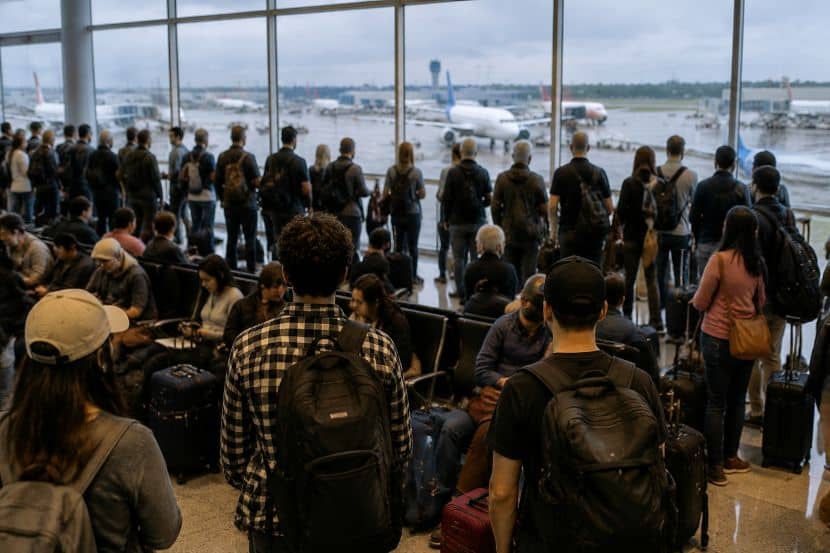
Today operations at Calgary International Airport have come to a halt. There have been 66 delays and 6 flight cancellations. Problems are affecting the major airlines WestJet and Air Canada as well as some regional and US airlines.
The problem seems to be that many of the scheduled flights are not able to leave the airport and there is a backlog of arriving flights. The problems are affecting short domestic flights as well as the lengthy flights to the United States. There is no official confirmation of why the backlog is occurring but it seems to be a combination of schedule problems and congestion.
As a result of these issues, passengers are experiencing delays, missing connections and are being forced to re-schedule. This is causing problems for travelers across North America.
Which Airlines Are Most Affected by the Calgary Disruption
The disruption has been uneven across carriers, with WestJet reporting the highest operational impact, followed by Air Canada and regional affiliates. According to available operational data, WestJet accounted for a large share of delays, reflecting its hub dominance at Calgary.
Advertisement
Advertisement
Other affected airlines include Jazz Aviation, WestJet Encore, Porter Airlines, and US carriers such as Delta Air Lines and United Airlines. Regional operators including SkyWest and Horizon Air also experienced knock-on delays.
Advertisement
Advertisement
The concentration of disruptions among Canadian carriers highlights Calgary’s role as a critical hub in Western Canada’s aviation network. Even minor delays at this airport tend to cascade across national schedules due to tight aircraft rotation cycles and limited buffer time between arrivals and departures.
What Caused the Operational Strain at Calgary Airport Today
While no single confirmed cause has been officially announced, aviation flow patterns suggest multiple contributing pressures at Calgary International Airport. These include high passenger throughput, seasonal demand surges, and potential air traffic sequencing constraints affecting runway efficiency.
Such disruptions often arise when inbound flights arrive late due to upstream weather conditions or airspace congestion, forcing a chain reaction across outbound schedules. Aircraft and crew rotations become misaligned, creating knock-on delays across multiple airlines simultaneously.
Advertisement
Advertisement
Ground handling capacity and gate availability also play a role during peak operational windows. When turnaround times extend beyond planned thresholds, airlines must reassign gates or hold aircraft on tarmac, further intensifying congestion.
Authorities typically manage such situations through flow control measures, but recovery can take several hours depending on backlog severity.
Advertisement
Advertisement
How Are Passengers and Tourism Flows Being Impacted
Passengers have been the most immediate victims of today’s disruption, facing extended waiting times, missed onward connections, and last-minute rebooking challenges. Business travellers connecting through Calgary to US hubs such as Seattle, Denver, and Chicago have been particularly affected.
Tourism flows are also experiencing measurable strain. Calgary serves as a gateway to Alberta’s major attractions, including Banff and Jasper. Delays at this hub can reduce same-day travel flexibility, leading to shortened itineraries or cancelled short-stay visits.
International travellers arriving via Delta Air Lines and United Airlines have reported missed onward links, particularly into transcontinental networks. Hotels near the airport have seen a temporary rise in last-minute bookings as stranded passengers adjust plans.
Travel agencies are advising passengers to monitor airline notifications closely and consider flexible rebooking options during peak recovery periods.
Broader Aviation Impact and Network Ripple Effects
The disruption at Calgary is not isolated; it feeds into a wider North American aviation system already operating at high utilisation levels. Hub airports such as Toronto Pearson and Vancouver International often absorb secondary pressure when Calgary experiences delays.
Advertisement
Advertisement
Aircraft rotations delayed in Calgary can affect return flights hours later in other cities, amplifying system-wide inefficiencies. For airlines like Air Canada and WestJet, which operate tightly scheduled fleets, even a short delay window can cascade into evening and overnight network adjustments.
Cargo operations may also experience indirect impact, particularly time-sensitive freight moving through Cargojet and integrated logistics partners.
Passenger Advisory and Recovery Outlook
Passengers travelling through Calgary are advised to check flight status updates frequently and arrive early at the airport. Airlines are expected to gradually normalise operations once aircraft rotations stabilise and gate availability improves.
Rebooking assistance and waiver policies are likely to be activated for heavily delayed or cancelled routes. However, full schedule recovery may extend into the next operational cycle depending on backlog clearance speed.
Travel experts note that such disruptions, while temporary, highlight the vulnerability of tightly interconnected hub systems across Canada and North America.
Advertisement
Advertisement
Conclusion: A Temporary but Significant Network Shock
Calgary International Airport shows how easily operational issues can turn into disruptions all around the world. This example shows the instability present in modern airline scheduling due to 66 delays and 6 cancellations involving major carriers such as WestJet and Air Canada.
Even if the issues being faced by the airport are likely to be resolved in a relatively small period of time, the impact of these disruptions on passengers, travel, and airline services demonstrates the growing advantages of improved operational resilience. The backlog will be addressed first, and as a result, airline services are expected to gradually stabilize as the day progresses.
Authors Observation: All information is manually obtained from FlightAware’s official website, and all operations are subject to change based on real-time updates. In order to maintain safety, airlines actively modify schedules and itineraries. In order to get to their destinations safely, passengers are asked not to panic in such situations and to look for alternate travel choices. Relying on real-time updates, reviewing airline rebooking restrictions, and maintaining flexibility with travel plans are all highly recommended.
Source: flightaware
Advertisement
