
El Salvador Tourism Surges in 2026 as San Salvador Adds Faith and Heritage to Surf City Growth

Published
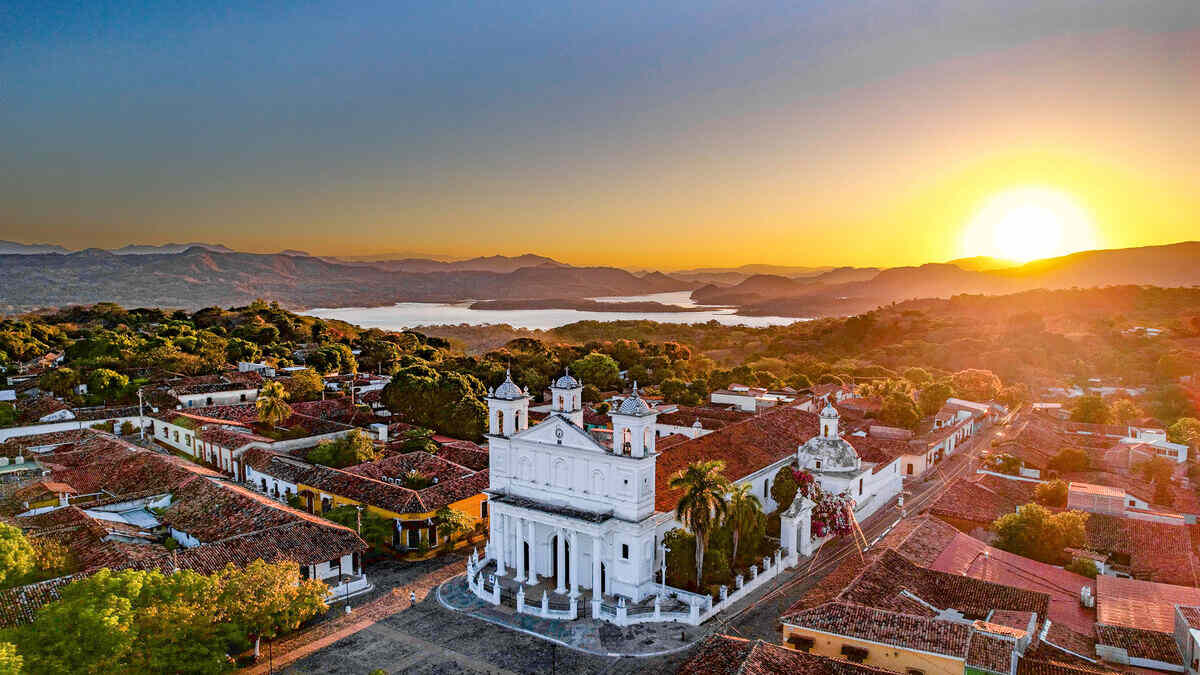
El Salvador tourism is surging in 2026 as San Salvador adds faith and heritage experiences to the country’s established Surf City strategy, giving international travellers more reasons to explore beyond the Pacific coastline. The Central American nation welcomed about 2.5 million international visitors during the first six months of 2026, according to figures reported from tourism authorities, representing growth of about 28% compared with the same period of 2025. UN Tourism data has also placed El Salvador among the world’s fastest-growing destinations during different reporting periods, while the country is expanding its tourism identity through religious travel, historic centres, culture and continued coastal investment.
The direction is significant.
Advertisement
Advertisement
El Salvador initially gained international tourism visibility through surfing and its Pacific beaches. That product remains important, but the country’s tourism strategy is becoming broader.
International Visitor Numbers Continue to Rise
El Salvador recorded approximately 2.5 million international visitors during the first half of 2026.
Advertisement
Advertisement
That represented an increase of about 28% compared with the same six-month period in 2025.
Tourism authorities subsequently raised expectations for the full year, with projections of approximately 4.7 million to 4.9 million visitors.
Advertisement
Advertisement
| Tourism indicator | Verified figure |
|---|---|
| International visitors, H1 2026 | About 2.5 million |
| Growth over H1 2025 | About 28% |
| 2026 projected visitors | 4.7–4.9 million |
| Q1 2026 international-arrival growth reported by UN Tourism | 43% |
| Q1 global position among highlighted fastest-growing destinations | Third |
| H1 2026 growth later reported from UN Tourism data | 37% |
These different percentages should not be confused because they refer to different reporting periods and comparisons.
The 43% figure relates to international-arrival growth during the first quarter of 2026 compared with the same period of 2025.
Advertisement
Advertisement
Later first-half information reported from UN Tourism showed growth of 37%.
El Salvador’s Global Tourism Ranking Needs Context
El Salvador has repeatedly appeared near the top of international tourism growth tables.
During the first quarter of 2026, UN Tourism data showed international arrivals rising 43% year on year.
That placed El Salvador third among the fastest-growing destinations highlighted globally for that reporting period, behind Paraguay and New Caledonia.
Advertisement
Advertisement
Later information covering the first half of 2026 showed a different picture.
El Salvador recorded growth of approximately 37%, making it the strongest-performing destination in the Americas and placing it behind New Caledonia among the destinations highlighted in that later comparison.
Another widely reported ranking published earlier in 2026 also placed El Salvador third globally, but that measure compared 2025 international arrivals with pre-pandemic 2019 levels.
El Salvador was 92% above 2019 levels under that comparison.
These distinctions matter because tourism rankings can change depending on the dates and baseline being measured.
What remains consistent is that El Salvador has recorded unusually strong international tourism growth.
Advertisement
Advertisement
Surf City Remains the Anchor of the Tourism Strategy
Surf City continues to play a central role in El Salvador’s international tourism positioning.
The Ministry of Tourism describes Surf City as an integrated national tourism strategy rather than simply a marketing campaign for surfers.
It combines tourism infrastructure, road connectivity, public-space improvements, sanitation, workforce development and support for tourism businesses.
The Pacific coast remains the most visible part of the strategy.
Destinations around La Libertad, including El Tunco and other established surfing locations, have helped introduce the country to an international audience.
International surfing competitions have also provided global exposure.
Advertisement
Advertisement
But the government’s own description of Surf City makes clear that surfing is intended to act as an entry point for discovering the country’s wider tourism offer.
Religious Tourism Emerges as a New Priority
One of the clearest new areas is religious tourism.
San Salvador hosted the International Congress on Religious Tourism, Land of Living Faith – El Salvador 2026, from 8 to 10 July.
The event brought together religious leaders, tourism professionals, academics and institutional representatives to discuss the development of faith-based travel.
The resulting San Salvador Manifesto called for religious tourism to be developed in a way that connects spirituality with culture, local communities, heritage and sustainable development.
This creates opportunities beyond traditional pilgrimage travel.
Advertisement
Advertisement
Religious tourism can incorporate architecture, history, festivals, food, music and community traditions.
El Salvador has numerous churches, processions and religious celebrations that can form part of these experiences.
San Salvador’s Historic Centre Strengthens the Cultural Offer
San Salvador provides a natural base for this expansion.
Its historic centre brings together several important religious, architectural and cultural attractions.
Visitors can explore sites including:
- Metropolitan Cathedral
- El Rosario Church
- El Calvario Church
- National Palace
- National Theatre
- Plaza Libertad
- Plaza Gerardo Barrios
- Plaza Morazán
El Calvario has particular importance for religious tourism.
Advertisement
Advertisement
The official Historic Centre tourism authority describes it as a major centre for Holy Week activities, including Good Friday processions.
These sites allow San Salvador to combine religious tourism with conventional cultural and heritage sightseeing.
That makes the capital more than an arrival point for travellers heading immediately towards the coast.
Historic Centres Are Becoming Part of the Tourism Product
El Salvador’s tourism development is increasingly incorporating cultural and historical spaces.
The Ministry of Tourism’s programmes include planning and tourism improvements linked to historic centres, museums, archaeological attractions and cultural destinations.
San Salvador’s revitalised centre is the most visible example.
Advertisement
Advertisement
Historic urban areas can attract a different traveller from the visitor primarily interested in beaches and surfing.
This is particularly relevant for:
- Cultural travellers
- Faith-based groups
- Families
- Educational tours
- Diaspora visitors
- Architecture enthusiasts
- Short city-break travellers
A broader product can also encourage visitors to combine several parts of the country during one trip.
Sonsonate Adds Another Faith Tourism Destination
Religious tourism is not limited to the capital.
El Salvador’s official tourism portal identifies Sonsonate as an important religious tourism destination.
Its Holy Week traditions carry recognised cultural and religious significance.
Advertisement
Advertisement
Visitors can also see the Holy Trinity Cathedral of Sonsonate, which becomes an important gathering point during Easter celebrations and processions.
Sonsonate’s location creates another advantage.
Travellers can combine religious and cultural experiences with western El Salvador’s volcanoes, towns and Pacific beaches.
This fits the country’s broader strategy of linking individual attractions rather than marketing them as isolated destinations.
Surf, Faith and Culture Can Work Together
El Salvador’s emerging tourism model is therefore becoming more diverse.
Surfing provides an internationally recognised identity.
Advertisement
Advertisement
Religious tourism adds heritage and spiritual travel.
Historic centres provide culture and architecture.
Nature, volcanoes, food and community tourism create further reasons to travel around the country.
For tour operators, this creates opportunities to develop programmes combining:
- San Salvador and its Historic Centre
- Religious heritage and churches
- La Libertad and Surf City
- Sonsonate and Holy Week traditions
- Ruta de las Flores
- Volcano and nature tourism
- Pacific coast experiences
Such combinations can help distribute visitor activity beyond individual tourism hotspots.
Tourism Infrastructure Continues to Expand
El Salvador is continuing to invest in tourism infrastructure under the Surf City programme.
Advertisement
Advertisement
Surf City II includes a major development programme for the country’s eastern tourism areas.
Projects cover public infrastructure, tourism corridors, cycle routes, viewpoints, sanitation facilities, environmental improvements and workforce development.
The programme also includes initiatives designed to improve the experience of visitors in priority tourism zones.
This demonstrates that the country’s tourism strategy is moving beyond promotion.
Infrastructure and destination management are being developed alongside international marketing.
Strong Growth Creates New Challenges
Rapid visitor growth also creates pressure.
Advertisement
Advertisement
More tourists require accommodation, transport, sanitation, trained workers, visitor management and protection of cultural and natural assets.
Destinations that grow quickly can face congestion and pressure on local infrastructure if development fails to keep pace.
El Salvador’s challenge will therefore be to convert strong arrival growth into sustainable tourism development.
That means measuring more than the total number of visitors.
Length of stay, tourism expenditure, employment, geographic distribution and benefits for local communities are also important indicators.
Conclusion: El Salvador Tourism Surges in 2026 as San Salvador Adds Faith and Heritage to Surf City Growth
El Salvador tourism is surging in 2026 as San Salvador adds faith and heritage experiences to Surf City growth, broadening a tourism identity that was once dominated internationally by the country’s Pacific surfing destinations.
Advertisement
Advertisement
Approximately 2.5 million international visitors arrived during the first half of 2026, representing growth of around 28% compared with the same period in 2025.
UN Tourism data further confirms the scale of the momentum. El Salvador recorded 43% year-on-year international-arrival growth during the first quarter, placing it third among the fastest-growing destinations highlighted for that period. Later first-half figures showed growth of 37%, the strongest performance reported in the Americas.
The next stage is diversification.
Surf City remains central to the country’s tourism strategy, but religious tourism, San Salvador’s Historic Centre, Sonsonate’s faith traditions and wider cultural experiences are adding new reasons to visit.
For travel businesses, that creates a more flexible destination to sell.
El Salvador can increasingly be packaged not simply as a surfing destination but as a combination of coast, cities, culture, faith, heritage and nature.
If infrastructure and destination management continue to develop alongside visitor numbers, the country’s current tourism momentum could support a much broader international tourism economy.
Advertisement
