
Ireland’s Public-Sector Strike Puts Tourist Itineraries Under Pressure as 300,000 Workers Walk Out

Published
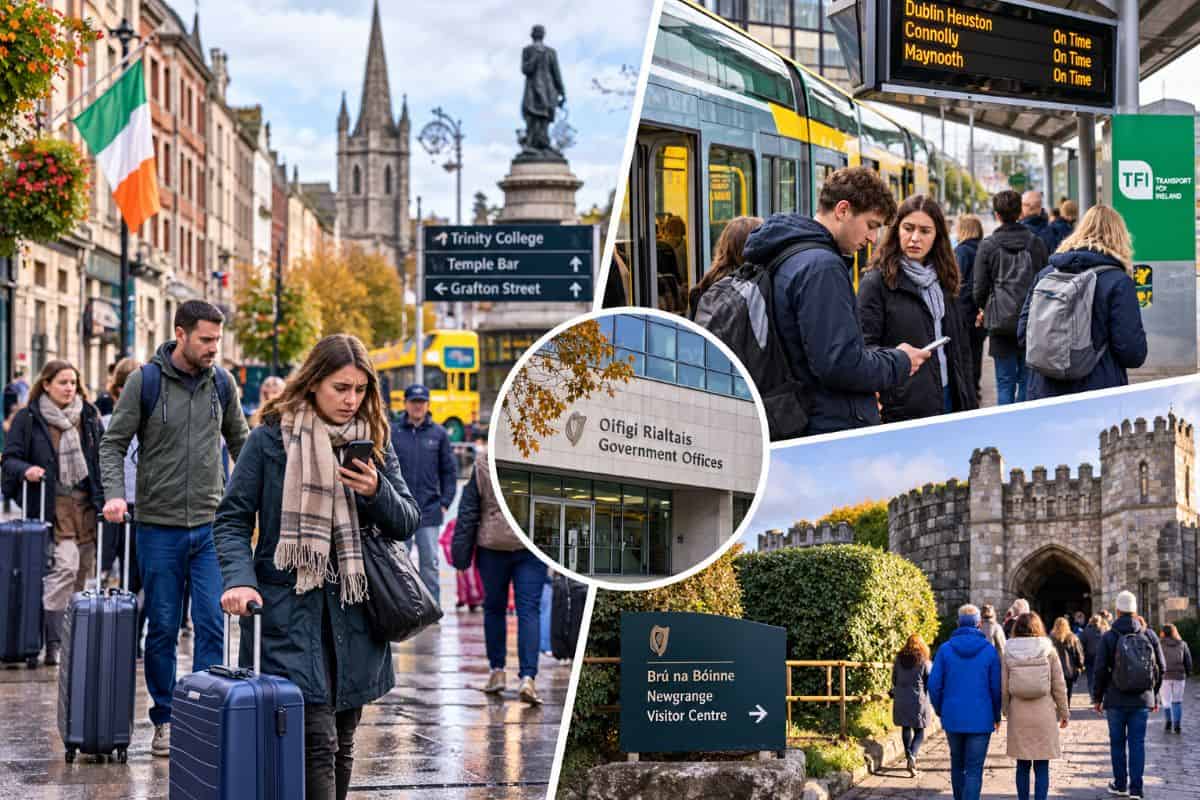
More than 300,000 public-sector workers across the Republic of Ireland are taking part in a 24-hour strike, intensifying a pay dispute with the Irish government and raising questions for visitors planning journeys across the country. Nurses, doctors, teachers and civil servants are among those participating, with potential school closures and hospital appointment cancellations highlighting the scale of disruption. For the travel industry, the immediate concern is whether the industrial action will affect visitor services, scheduled activities or access to essential facilities. A further strike is planned for 21 October 2026, adding uncertainty for travellers with upcoming bookings. However, direct disruption to flights, airports, hotels and tourist attractions has not been confirmed in the supplied report.
A Nationwide Walkout Raises Travel Concerns
The 24-hour stoppage marks a significant escalation in the dispute over public-sector pay. Workers across several essential services have joined the action, creating the possibility of widespread operational difficulties. Although the immediate consequences centre on healthcare, education and public administration, visitors also need to consider how reduced services could affect their itineraries.
Advertisement
Advertisement
The dispute follows earlier industrial measures introduced in September and October. At the end of September, more than 100,000 workers, including nurses, school staff and civil servants, moved to work-to-rule measures. Primary and secondary school teachers subsequently began their own work-to-rule action in early October.
These developments indicate a dispute that has progressed beyond isolated workplace grievances. Instead, coordinated action across several public-sector groups now presents a broader challenge for government services and potentially for people travelling within Ireland.
Advertisement
Advertisement
For tourists, the distinction between confirmed disruption and possible knock-on effects remains important. The available report does not identify widespread transport cancellations or closures at major visitor attractions. Nevertheless, travellers should verify individual arrangements before departing, particularly when their plans depend on public services or appointments.
Why the Strike Matters for Visitors
Ireland attracts international visitors through its historic cities, coastal landscapes, cultural attractions and established touring routes. Dublin often serves as the starting point for journeys to destinations such as Galway, Cork, Kerry and the Cliffs of Moher. Any confirmed interruption to passenger transport or visitor services could therefore affect more than a single destination.
Advertisement
Advertisement
However, the scale of the strike does not automatically establish a tourism shutdown. Public-sector participation can disrupt essential services without necessarily affecting privately operated hotels, restaurants, airlines or sightseeing businesses. Travellers should assess each part of their itinerary separately.
Healthcare access deserves particular attention. Visitors who require medical assistance during the stoppage may encounter changes to scheduled appointments or administrative services. Emergency arrangements should be checked through official healthcare channels, rather than inferred from reports of cancelled routine appointments.
Families travelling with children should also verify school-related arrangements if their accommodation, family visits or planned activities depend on local educational services. Meanwhile, business travellers may need to allow additional flexibility for meetings involving public bodies.
The immediate priority is therefore practical verification, not assuming that every journey across Ireland will face disruption.
Public Transport Remains a Key Distinction
One of the most important details for holidaymakers is that public transport is expected to operate normally, according to a notice published by National College of Ireland ahead of the stoppage. The notice covers Transport for Ireland services, including buses, DART, Luas and rail. Passengers should still check live updates before setting out.
This distinction changes how travellers should interpret the disruption. A nationwide public-sector strike does not necessarily mean nationwide transport paralysis. Visitors may still be able to reach airports, hotels and sightseeing locations using scheduled public transport, although individual journeys require confirmation.
Advertisement
Advertisement
The more immediate difficulties concern services directly affected by the walkout. School closures, cancelled healthcare appointments, reduced administrative services and interrupted driving tests may complicate arrangements for residents and visitors with specific commitments.
The table below separates confirmed or reported effects from areas requiring individual checks.
| Service or travel consideration | Reported position on 14 October | What travellers should do |
|---|---|---|
| Public buses, DART, Luas and rail | Expected to operate normally, according to the advance notice | Check live service updates before departure |
| Schools and universities | Most schools and many educational institutions expected to close | Check whether a planned visit or activity depends on campus access |
| Hospital appointments | Routine appointments and planned procedures cancelled | Contact the relevant healthcare provider if affected |
| Emergency healthcare | Emergency and critical services remain available | Seek urgent care when needed |
| Driving tests | Disruption to scheduled tests reported | Check directly with the relevant testing authority |
| Local authority services | Some services expected to face disruption | Verify opening arrangements before visiting |
| Heritage attractions and visitor facilities | Individual closures or service changes require confirmation | Check official opening notices for each site |
| Flights and airport operations | No general aviation disruption established by the supplied report | Confirm flight status with the airline and airport |
The healthcare position is particularly clear. Ireland’s Health Service Executive has confirmed that routine hospital appointments, planned surgeries and community-based appointments are cancelled for the strike day. Emergency departments, ambulance services and critical treatments remain available.
For visitors, this means a scheduled medical appointment requires direct verification. It does not mean emergency medical care has ceased across the country.
Ireland’s Tourism Economy Faces a Resilience Test
The industrial action comes as Ireland’s visitor economy continues to generate substantial international demand. Government figures published in July 2026 reported 3.2 million overnight visits by foreign residents during January to June, up 15% from the corresponding period in 2025. Visitor expenditure reached an estimated €2.6 billion, representing an 18% annual increase.
Those figures underline why service reliability matters to tourism businesses. International visitors contribute to accommodation, food and drink, transport, retail and regional attractions. When an itinerary becomes uncertain, the consequences can extend beyond the immediate service affected.
Advertisement
Advertisement
However, there is no evidence in the supplied reporting that the strike has already caused a measurable decline in bookings or tourism expenditure. Any claim of widespread hotel cancellations or financial losses would therefore be premature.
Selected Irish tourism indicators
| Indicator | Latest cited figure | Relevance to the story |
|---|---|---|
| Foreign-resident overnight visits, January–June 2026 | 3.2 million | Demonstrates the scale of inbound visitor activity |
| Year-on-year change in overnight visits | +15% | Indicates stronger demand than in the same period of 2025 |
| Foreign visitor expenditure, January–June 2026 | €2.6 billion | Illustrates the economic importance of visitor spending |
| Year-on-year change in expenditure | +18% | Highlights the value of maintaining a dependable visitor experience |
| Heritage-site visits during 2025 | 13.4 million | Shows the importance of state-managed heritage attractions |
The heritage figure comes from the Office of Public Works’ 2025 visitor data, published in May 2026. The agency manages 780 heritage sites, making its operating notices relevant to visitors planning cultural itineraries.
These figures provide context, not evidence of losses caused by the strike. They show the economic activity potentially exposed when public services become less predictable. The actual tourism impact will depend on the duration of disruption, the services affected and the ability of businesses to adapt.
Why the Pay Dispute Has Escalated
The walkout follows the expiry of the previous public-service agreement at the end of June 2026. Unions have accused the government of failing to make meaningful commitments towards a new pay deal. They want pay to take priority in negotiations, while the government has sought discussions covering wider issues, including productivity and reform.
The disagreement is therefore about both the substance of a future pay settlement and the conditions under which negotiations should proceed. The government has urged unions to return to discussions, but those efforts had not prevented the 14 October stoppage.
Advertisement
Advertisement
The previous Public Service Agreement 2024–2026 provided a framework for pay adjustments and public-service reform. Government documentation also sets out sector-specific action plans for modernisation and organisational change. The current dispute reflects the challenge of agreeing the next arrangement after the existing framework expires.
The scale of the action is also significant. Reuters described it as Ireland’s first major public-sector strike since 2009, reflecting the breadth of participation across essential services. A further stoppage is planned for 21 October unless the dispute changes course.
For the travel sector, the central issue is not the merits of either side’s negotiating position. It is whether further action will affect services that visitors depend on, particularly during multi-day stays and organised tours.
What Travellers Should Check Before Departure
Visitors travelling around Ireland on 14 October should confirm the status of every essential booking. Those arriving by air should check their flight directly with the airline and allow sufficient time for airport transfers. Although public transport is expected to operate normally, passengers should monitor official updates in case individual services change.
Travellers with medical appointments should contact their healthcare provider if they have not received cancellation information. The HSE advises that routine appointments are cancelled, while emergency and critical services remain available. Visitors should not postpone urgent treatment because of the industrial action.
Cultural tourism also requires attention. Travellers planning visits to state-managed heritage properties should consult the relevant official opening notices before setting out. Similarly, visitors relying on local authority facilities or administrative services should confirm availability rather than assume normal operations.
Advertisement
Advertisement
For tour operators, the practical response is to review itineraries, communicate changes promptly and retain flexibility around timed activities. These precautions are especially useful for visitors combining several destinations within a short stay.
Second Strike Raises Fresh Uncertainty
The next important date is 21 October 2026, when further strike action is planned. The prospect of another stoppage gives the dispute a wider significance for visitors booking autumn holidays, accommodation and organised excursions.
However, the next strike should not be treated as an automatic cancellation of travel plans. Its eventual impact will depend on whether negotiations produce progress, which unions participate and which services become affected. Travellers should follow official announcements as the date approaches.
Tourism businesses can prepare by reviewing cancellation policies, maintaining contact with suppliers and identifying alternative arrangements for affected services. These steps may limit inconvenience without requiring visitors to abandon their holidays.
The wider lesson is straightforward. Travel disruption depends on the services affected, not simply the number of workers involved. Accurate, timely information will be essential as Ireland’s public-sector dispute develops.
Ireland’s Visitor Plans Need Flexibility
Ireland’s 14 October strike presents a substantial public-service challenge, but its consequences for tourism must be assessed carefully. More than 300,000 workers are involved, schools are closing and routine healthcare appointments are being cancelled. At the same time, public transport is expected to operate normally, according to the advance notice available.
For international visitors, the sensible response is to verify individual services rather than assume that the entire country has stopped functioning. The planned 21 October action makes continued monitoring equally important. Until negotiations clarify the outlook, flexible itineraries, direct confirmation and reliable official updates offer the strongest protection against avoidable disruption.
Advertisement
