
Denmark Unites With Italy And Other International Routes to Drive the Vast Ryanair Birmingham Winter 2026 Expansion Forward

Published
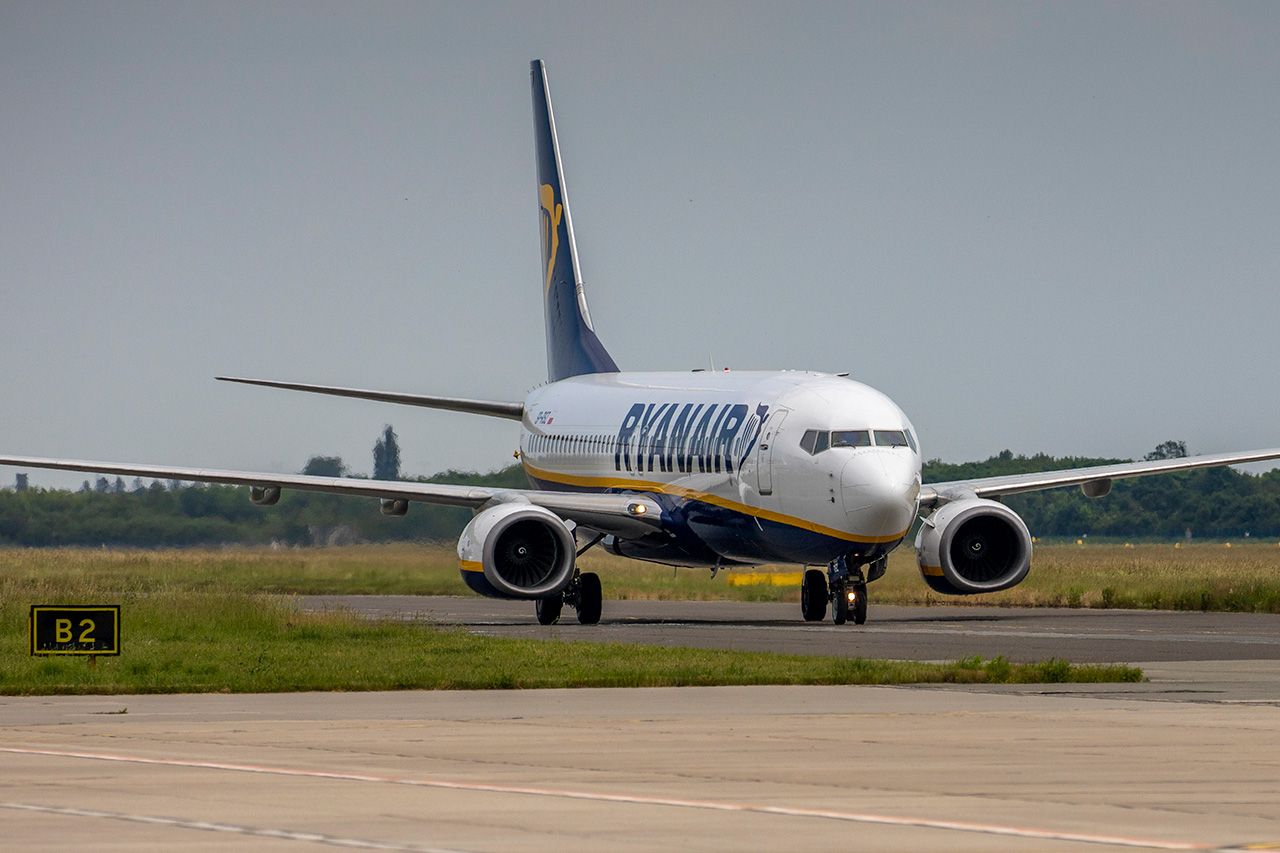
The unprecedented Ryanair Birmingham Winter 2026 expansion connects Denmark, Italy, Poland, Morocco, and Albania seamlessly. A ninth aircraft arrives at this crucial hub. This move represents a US$900 million strategic deployment. Passenger traffic will surge by 21 percent locally. Four million annual travellers are expected very soon. The airline supports 3,270 jobs across the region. West Midlands aviation faces a major transformative period. Executives announced 40 specific routes for this schedule. Seven existing corridors see increased daily flight frequencies. Travellers gain immense low-fare access across Europe. Launch fares begin at an aggressive £29.99 rate. Consumers face shifting choices for winter sun escapes. Aviation analysts note fierce regional carrier market competition.
Financial Scale of Local Growth
Ryanair continues dominating regional British transport networks today. The US$900 million investment solidifies their local dominance. Birmingham Airport handles massive passenger volume increases safely. This operation requires robust ground handling logistics constantly. Local economies benefit from increased hotel weekend bookings. Supply chains for aviation catering and fuel expand. Statutory aviation bodies monitor this rapid local growth. The Civil Aviation Authority assesses infrastructure stress continuously. Airport management welcomes this massive carrier confidence vote. Executive Matt Hazelwood praised the enduring airline partnership. Demand for air travel surges across the Midlands. Tourism corridors depend on highly efficient transport logistics. This expansion triggers substantial local municipal tax revenues. Retail outlets at terminals expect significantly higher footfall.
Economic Impacts Breakdown
- Job creation spans maintenance and retail sectors.
- Local supply chains handle massive catering volume increases.
- Surrounding hotels expect vast winter occupancy rate spikes.
Analysing New Sovereign Air Corridors
Five direct routes alter the Midlands tourism landscape. Copenhagen welcomes tourists to historic Danish royal castles. Visit Copenhagen highlights sustainable rewards for green visitors. Rome Fiumicino unlocks ancient Italian cultural heritage itineraries. Turismo Roma supports vast winter exhibition programmes proudly. Warsaw Modlin introduces Polish affordability and rich history. UNESCO protects the stunningly rebuilt Polish Old Town. Marrakesh offers warm winter climates across sunny Morocco. Tourism Marrakech guides visitors toward majestic ancient Kasbahs. Tirana emerges as a brilliant Albanian budget destination. The Albanian tourism portal champions beautiful Dajti Park. These routes diversify British outbound travel trends significantly.
Advertisement
Advertisement
| Destination | Sovereign Nation | Primary Tourism Draw |
| Copenhagen | Denmark | Historic royal castles |
| Rome Fiumicino | Italy | Winter cultural exhibitions |
| Warsaw Modlin | Poland | UNESCO Old Town |
| Marrakesh | Morocco | Sahara Desert excursions |
| Tirana | Albania | Bunk’Art historical installations |
Passenger Rights and Border Mechanics
New routes bring complex international border compliance issues. British travellers navigate post-Brexit European passport validity rules. The EES biometric system affects these European arrivals. Overstaying Schengen limits carries severe financial statutory penalties. Travellers to Morocco face completely different entry protocols. Aviation regulations demand strict passenger duty of care. The CAA enforces compensation for massive flight delays. Passengers must understand their statutory rerouting rights clearly. Schedule disruptions require immediate airline hotel accommodation provisions. Comprehensive travel insurance remains vital for these destinations. Baggage liabilities fall under strict international aviation treaties. Border systems frequently experience severe digital processing bottlenecks.
Legal Transit Requirements
Advertisement
Advertisement
- Passports need six months of strict remaining validity.
- Schengen zones limit visitors to ninety short days.
- Airlines must provide food during severe operational delays.
Aviation Taxes and Regulatory Tensions
Ryanair fiercely criticises current British aviation tax policies. The UK Government raised Air Passenger Duty significantly. Passengers now face a £15 mandatory departure tax. Executives argue this stifles vital regional airport growth. Other European nations actively lower their aviation taxes. Sweden and Italy stimulate tourism by cutting costs. Hungary and Slovakia remain highly competitive for airlines. Labour policies might introduce municipal hotel visitor taxes. Ryanair submitted plans for 80 million future passengers. This growth depends entirely on abolishing the APD. The airline labels the tax penal and damaging. Regional UK airports struggle against cheaper European hubs.
Ryanair’s CMO, Dara Brady, said: “Ryanair is pleased to announce our 9th based aircraft at Birmingham Airport for Winter 2026, which will grow our Birmingham traffic by 21% and create dozens more local jobs, building on the 3,270 local jobs that Ryanair already supports. With this new aircraft comes 5 exciting new Ryanair routes to Copenhagen, Rome Fiumicino, Warsaw Modlin, Marrakesh and Tirana, as well as extra frequencies on 7 of our existing routes, including top city break destinations like Barcelona, Poznan and Budapest offering our customers in the West Midlands with more choice at the lowest fares in Europe, while simultaneously driving important inbound tourism and supporting local jobs.
While Ryanair is growing at Birmingham, other regional airports across the UK are being hamstrung by the idiotic decision to increase APD. If the UK Govt is serious about delivering growth, they should abolish this penal and damaging APD tax, which makes the UK, particularly regional airports, uncompetitive compared to EU countries like Sweden, Hungary, Slovakia, and regional Italy, which are abolishing aviation taxes and lowering access costs to stimulate traffic, tourism, and jobs growth.
The UK has gone the wrong way by raising APD to £15 per passenger, and now the Labour Govt proposes to ‘double tax’ visitors by allowing Regional Mayors to levy a tax on hotel overnights. Ryanair has already submitted plans to the Labour Govt to grow UK traffic by 27% to 80M passengers by 2030, but this growth can only be delivered if the Govt abolishes its damaging and penal APD tax, which is now the highest in Europe.
Ryanair also called on Transport Secretary, Heidi Alexander, to dismiss overpaid failed NATS CEO Martin Rolfe. After repeated collapses of the UK ATC system, it is time for NATS to appoint a new and competent CEO who will develop an effective backup system which can actually avoid mass flight cancellations and delays.”
Matt Hazelwood, Chief Commercial Officer at Birmingham Airport, said: “Ryanair’s decision to add new routes from Birmingham Airport for winter 2026 is a strong vote of confidence in both the airport and the wider region. We are proud of our long-standing partnership and pleased to work together to deliver the destinations our customers are looking for, giving them even greater choice and connectivity while responding to the Midlands’ growing demand for air travel.”
Advertisement
Advertisement
Air Traffic Control Network Strains
British airspace suffers from frequent technical system collapses. Ryanair demands immediate leadership changes at NATS today. Martin Rolfe faces severe criticism from airline executives. The Transport Secretary must address these infrastructure failures. Mass flight cancellations ruin passenger holiday plans repeatedly. Aviation authorities require robust digital backup systems immediately. Effective leadership prevents catastrophic air traffic control meltdowns. The CAA investigates these recurring network stability issues. European aviation depends on reliable British airspace routing. Rerouting planes causes immense fuel and time waste. Safety remains the absolute priority for civil aviation. Operational resilience demands massive technological network infrastructure investments.
Broader Competitor Expansions Locally
Ryanair is not acting alone in the Midlands. Other low-cost carriers increase their regional footprint rapidly. EasyJet connects Birmingham directly to sunny Nice, France. This French route expands vital regional tourist connectivity. Jet2 also launches an aggressive winter capacity increase. Half a million seats join the Jet2 network. Regional base networks handle unprecedented winter passenger volumes. Fierce competition drives ticket prices incredibly low today. Consumers benefit from this massive airline regional price war. Airport infrastructure must adapt to multiple carrier expansions. Terminal capacity faces severe tests during peak hours. Strategic airline planning alters European travel dynamics permanently.
The Future of Regional Connectivity
Aviation relies on sustainable economic growth models globally. Government policies shape the success of regional airports. The West Midlands requires robust international transit links. Thousands of jobs depend on local aviation sectors. Environmental concerns challenge massive airline capacity increases continually. Sustainable aviation fuel remains a vital future requirement. Regulators balance economic benefits against crucial carbon targets. The UN Tourism body monitors these vast expansions. Global travel patterns shift toward affordable regional departures. Without doubt, the Ryanair Birmingham Winter 2026 expansion transforms markets.
Advertisement
