

Southwest Moves Alongside Delta, United and Alaska in Pursuing Long-Haul Aviation Growth with Boeing 787 Dreamliner Aircrafts

Published
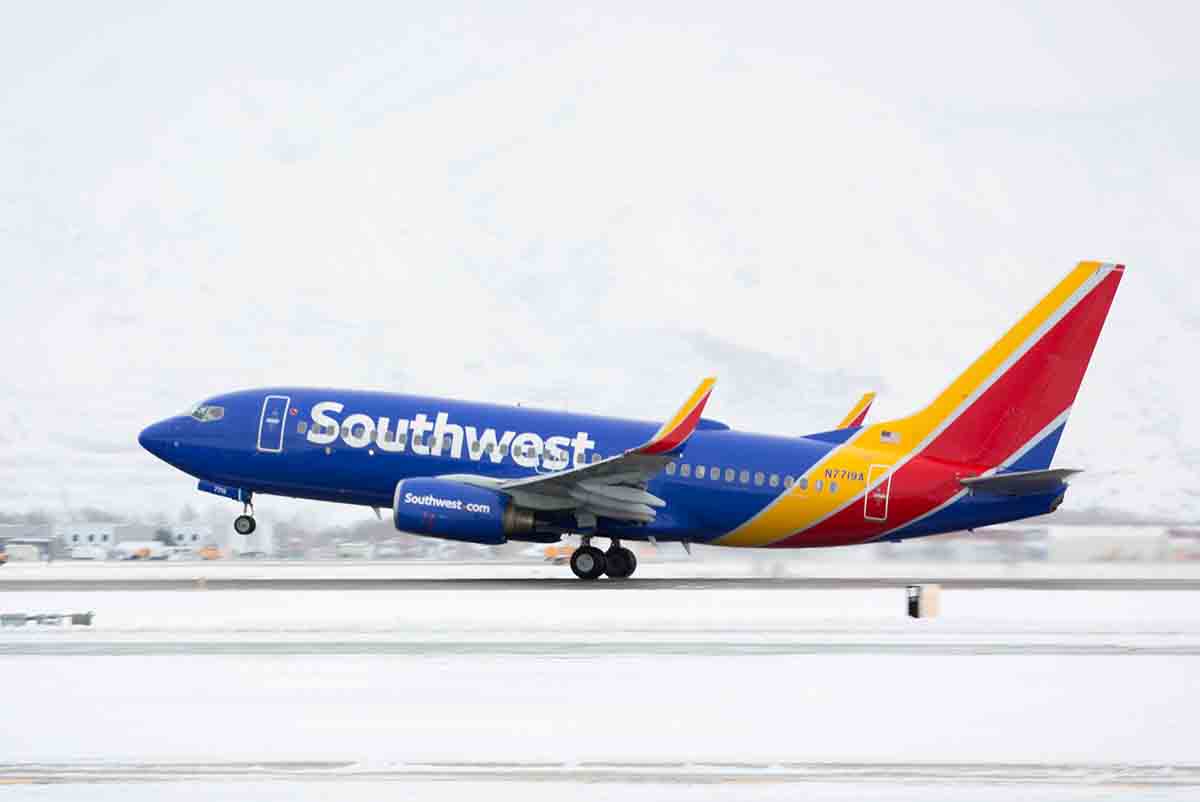
Southwest Moves Alongside Delta, United and Alaska in Pursuing Long-Haul Aviation Growth with Boeing 787 Dreamliner Aircraft as US airlines strengthen their international ambitions. Southwest is considering widebody operations, while established competitors expand their global networks. The potential shift could reshape international connectivity, passenger choice and future aviation competition.
The United States aviation industry is entering a new phase of international expansion as Southwest Airlines considers introducing Boeing 787 Dreamliner aircraft for long-haul operations. The potential move comes as Delta Air Lines, United Airlines, Alaska Airlines and American Airlines continue developing their widebody fleets and international networks, reflecting growing competition for travellers flying between North America and destinations across Europe, Asia and other global markets.
Southwest’s interest is particularly significant because the airline has built its business around Boeing 737 aircraft. Introducing the Dreamliner would represent a major departure from its established operating model, potentially allowing it to enter long-distance markets that have traditionally been dominated by larger international network carriers.
However, there is an important distinction between Southwest’s reported fleet discussions and the confirmed aircraft orders or established long-haul operations of its competitors. Southwest has not formally announced a Boeing 787 purchase or identified the destinations it would serve.
Advertisement
Advertisement
Southwest Airlines Considers Boeing 787 Dreamliner for a New International Strategy
Southwest Airlines is examining the Boeing 787 Dreamliner as it evaluates opportunities to enter long-haul international aviation. The Dallas-based carrier has historically focused on domestic services and shorter international routes, using a fleet built entirely around the Boeing 737 family.
According to a Reuters report published on 8 October 2026, people familiar with the airline’s planning indicated that the Dreamliner had emerged as a leading aircraft option. The discussions reportedly include the possibility of acquiring dozens of widebody aircraft, although no final decision has been publicly confirmed.
Advertisement
Advertisement
The development could significantly change Southwest’s position in the international aviation market. Its existing aircraft support services to destinations including Mexico, Central America and the Caribbean. Widebody aircraft would allow the airline to consider substantially longer journeys, including transatlantic routes and other intercontinental markets.
The Boeing 787 offers the range and passenger capacity needed for such operations. Its twin-engine design and fuel-efficient technology have made it an important aircraft for airlines seeking to connect distant cities without relying exclusively on the largest international hubs.
For Southwest, however, the decision would involve more than purchasing aircraft. Long-haul operations require different crew scheduling arrangements, maintenance facilities, airport infrastructure, catering services and passenger amenities.
The airline would also need to determine how international long-haul flying fits into its evolving commercial strategy. Southwest has traditionally differentiated itself through operational simplicity, but introducing widebody aircraft would add complexity and substantial financial commitments.
Aircraft availability could present another challenge. Boeing’s production commitments mean Southwest may need to consider leased or previously operated aircraft if it wants to launch services within a relatively short period.
For international travellers, the potential expansion could eventually create additional nonstop choices and stronger competition on selected routes. Nevertheless, no confirmed Southwest Dreamliner timetable, destination list or booking programme is currently available.
Advertisement
Advertisement
Delta Air Lines Strengthens Its Global Network with 30 Boeing 787 Dreamliners
Delta Air Lines is investing in the next generation of long-haul aviation through a confirmed order for 30 Boeing 787-10 Dreamliners, announced on 13 January 2026. The agreement also includes options for another 30 aircraft, potentially increasing the commitment to 60 Dreamliners if all options are exercised.
Unlike Southwest, which is still evaluating its widebody strategy, Delta has formally committed to the aircraft. Deliveries are scheduled to begin in 2031, giving the airline time to prepare its international network, maintenance operations and passenger services for the new fleet.
The Boeing 787-10 will become a new aircraft type for Delta, complementing its existing Airbus A330 and A350 widebody operations. The airline expects the Dreamliner to support its transatlantic and South American networks, where passenger demand, premium travel and cargo capacity are important considerations.
Delta says the aircraft offers approximately 25 per cent better fuel efficiency per seat than the previous-generation widebody aircraft it is intended to replace. This could help reduce operating costs while supporting larger premium cabins and improved passenger facilities.
For travellers, the investment reflects Delta’s continuing focus on international connectivity and higher-quality onboard experiences. The airline has built extensive global operations through its own routes and partnerships with overseas carriers, allowing passengers to reach destinations beyond its directly operated network.
The Dreamliner investment is therefore both a fleet modernisation programme and a long-term international growth strategy. It also demonstrates how established US carriers are preparing for future competition through aircraft efficiency, passenger comfort and stronger international connectivity.
Advertisement
Advertisement
United Airlines Builds on Its Established Boeing 787 International Network
United Airlines already operates Boeing 787 Dreamliners across its long-haul international network, placing it in a different position from Southwest and Delta. Rather than introducing the aircraft for the first time, United is using its established Dreamliner operations and fleet investments to support international network development.
The airline’s international strategy relies heavily on major connecting hubs, including Newark, Washington Dulles, Chicago O’Hare, Houston, Denver, San Francisco and Los Angeles. These airports allow passengers from domestic cities to connect with long-distance flights to destinations across Europe, Asia, the Middle East and other regions.
The Dreamliner is particularly useful for connecting cities where passenger demand may not justify the largest widebody aircraft. Its range and operating characteristics allow airlines to evaluate long-distance services while matching capacity more closely to market conditions.
United’s international expansion also reflects the growing importance of premium travel. Long-haul passengers increasingly consider seating comfort, privacy, entertainment, connectivity and airport services when choosing between airlines.
The airline has continued developing its premium cabin products, including upgrades associated with its newer international aircraft. These investments aim to strengthen its competitive position among business travellers, leisure passengers and frequent flyers.
For United, the challenge is not simply adding more destinations. It must also balance aircraft availability, seasonal demand, airport capacity and operating costs while maintaining reliable services across a large international network.
Advertisement
Advertisement
Southwest’s possible entry into long-haul flying could eventually introduce another competitor on selected international routes. However, United already benefits from established overseas operations, international partnerships and extensive connecting traffic.
These advantages would be difficult for a new long-haul entrant to reproduce immediately, even with modern Dreamliner aircraft.
Alaska Airlines Expands Boeing 787 Investment to Connect Seattle with Europe and Asia
Alaska Airlines is pursuing one of the most significant international growth programmes among US carriers. On 7 January 2026, the airline announced an order for five additional Boeing 787 Dreamliners alongside 105 Boeing 737-10 aircraft, representing the largest aircraft order in its history.
The additional Dreamliners are central to Alaska’s ambition to establish Seattle as a stronger international gateway. The airline plans to serve at least 12 long-haul international destinations from Seattle by 2030, connecting the Pacific Northwest with major markets in Europe and Asia.
Alaska’s widebody expansion follows its combination with Hawaiian Airlines, which provided access to an established long-haul aircraft operation. This gives Alaska an operational foundation that Southwest would need to build if it proceeds with a Dreamliner acquisition.
According to Alaska’s January announcement, the airline had five Dreamliners in operation and 17 firm future aircraft commitments, including the additional order. The five newly ordered aircraft were intended to be delivered as Boeing 787-10 variants.
Advertisement
Advertisement
The investment is designed to support international expansion while strengthening the airline’s wider domestic network. Seattle’s geographical position makes it an important departure point for flights across the Pacific, while also offering connections to European markets.
Alaska’s strategy is significant for tourism because additional nonstop international services could improve access to Washington State and neighbouring destinations. International visitors may find it easier to combine Seattle with journeys across the Pacific Northwest, Alaska and Hawaii.
The airline’s international growth could also support hotels, visitor attractions, airport businesses and regional tourism operators.
Unlike Southwest’s reported plans, Alaska’s additional Dreamliner order is confirmed. However, individual future routes and schedules remain subject to separate announcements.
American Airlines Maintains Its Boeing 787 Strategy Across International Markets
American Airlines remains an established Boeing 787 operator, using the aircraft as part of its international widebody fleet. Its Dreamliner operations support long-distance services alongside Boeing 777 aircraft, providing flexibility across routes with different passenger and cargo requirements.
The airline’s major international gateways include Dallas/Fort Worth, Miami, Philadelphia, Charlotte, Chicago O’Hare, Los Angeles and New York. These airports connect domestic travellers with international destinations while bringing overseas visitors into the United States.
Advertisement
Advertisement
American’s strategy differs from Southwest’s proposed expansion because the carrier already possesses the infrastructure required for long-haul operations. Its international business includes established maintenance systems, premium cabin services, airport partnerships and connecting networks.
The Boeing 787 supports this model by providing the range needed for intercontinental flying while offering different capacity options across the Dreamliner family.
American has also invested in improving its premium long-haul experience. Its newer international cabin products are intended to strengthen competitiveness among travellers who prioritise comfort, privacy and service quality.
For the tourism industry, American’s established international network plays an important role in connecting overseas visitors with destinations beyond major gateway cities.
Travellers arriving from Europe, Asia or Latin America can continue through the airline’s domestic network to regional tourism destinations across the United States.
If Southwest eventually introduces Dreamliners, American could face additional competition on selected international markets. However, the scale of that competition will depend on Southwest’s chosen routes, aircraft configuration, pricing and international partnerships.
Advertisement
Advertisement
At present, American’s existing Dreamliner operation represents an established international business, while Southwest’s proposed entry remains at the evaluation stage.
Boeing 787 Dreamliner Becomes Central to US International Aviation Competition
The different strategies pursued by Southwest, Delta, United, Alaska and American show how important widebody aircraft have become to international airline planning.
For Southwest, the Dreamliner represents a possible entry into an entirely new category of flying. For Delta, it is a confirmed investment in future fleet modernisation. For United and American, it is an established part of international operations. For Alaska, it is a key component of a developing global network centred on Seattle.
These differences matter because aircraft purchases do not automatically translate into new international routes.
Airlines must assess demand, secure airport access, negotiate operating arrangements and ensure that each proposed service can generate sufficient revenue.
The Dreamliner offers airlines flexibility, but commercial success still depends on route economics and operational execution.
Advertisement
Advertisement
Boeing’s substantial order backlog is another important factor. Aircraft delivery availability could influence when airlines expand, particularly those seeking to introduce a new widebody fleet.
Southwest’s reported interest in leased or second-hand aircraft illustrates how airlines may seek alternative solutions when new production slots are limited.
What the Dreamliner Expansion Means for International Tourism
Growing investment in Boeing 787 aircraft could create opportunities for international tourism, particularly where new nonstop services make destinations easier to reach.
Additional long-haul flights can reduce the need for connecting journeys, improve travel convenience and expand access to destinations that previously depended on major international hubs.
For tourism boards, airports and hospitality businesses, improved air connectivity can help attract visitors and support wider economic activity.
However, the benefits depend on whether airlines introduce genuinely new routes, increase capacity on existing services or replace older aircraft without materially changing their schedules.
Advertisement
Advertisement
The distinction is especially important for Southwest. Its potential Dreamliner investment could create new travel opportunities, but the airline has not confirmed where it would operate the aircraft.
Meanwhile, Delta’s confirmed order, Alaska’s expansion and the established Dreamliner operations of United and American demonstrate how US airlines are preparing for continued competition in international aviation.
Southwest’s potential Boeing 787 Dreamliner expansion signals a significant shift in US aviation strategy. As Delta, United and Alaska strengthen their long-haul operations, competition could intensify across international markets. Although Southwest has yet to confirm an aircraft order, its ambitions could eventually offer travellers greater connectivity and choice worldwide.
Southwest Airlines’ consideration of the Boeing 787 Dreamliner could mark a turning point in its development, potentially taking the carrier beyond its traditional short-haul business. Alongside Delta, United, Alaska and American, the discussions highlight the importance of modern widebody aircraft in US international aviation. While confirmed investments are reshaping long-term fleet plans, Southwest’s proposed expansion remains dependent on aircraft availability, financial approval and a final strategic decision.
Sources for Publication
- Reuters — Original exclusive investigation, 8 October 2026
- AirlineGeeks — Industry coverage, 9 October 2026
- Boeing — Official Delta Dreamliner order announcement
- Boeing Newsroom — Aircraft orders and official announcements
Advertisement
