
What Italy Needs to Do as Deadly Legionnaires’ Disease Outbreak Kills 4 lives, Raising Concerns for Travel Disruption ?

Published
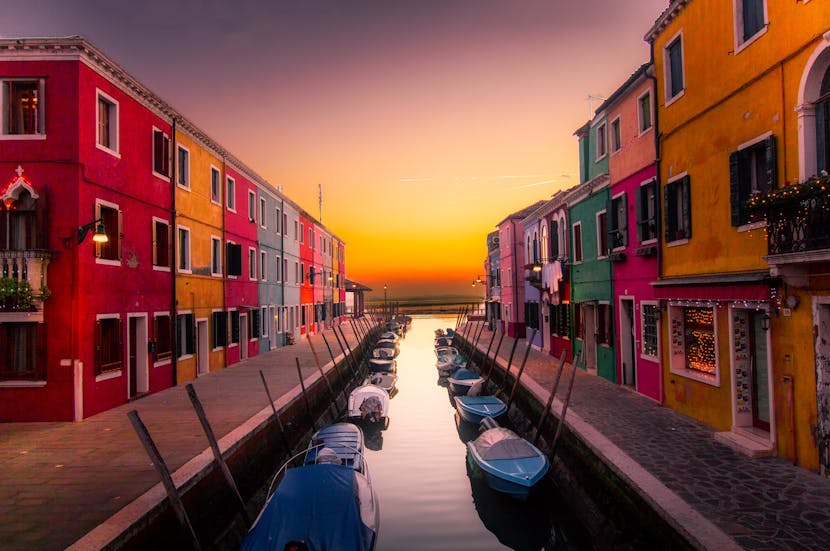 Image generated with Ai
Italy, a country renowned for its historical landmarks, picturesque landscapes, and rich cultural heritage, is currently facing a public health crisis that has raised concerns among tourists and locals alike. A deadly outbreak of Legionnaires’ disease has been reported in the metropolitan area of Milan, specifically in the towns of Corsico and Buccinasco, within the Lombardy Region. The outbreak has tragically claimed four lives and left 12 others hospitalized, sparking an urgent response from health authorities and prompting warnings for travelers to the region.
Understanding Legionnaires’ Disease: What You Need to Know
Legionnaires’ disease is a severe form of pneumonia caused by the bacterium Legionella pneumophila. The disease primarily spreads through inhaling small droplets of water contaminated with the bacteria. These droplets can be dispersed in the air from sources such as cooling towers, air conditioning systems, hot tubs, and fountains. While Legionnaires’ disease is not contagious and cannot be transmitted from person to person, it poses a significant risk to individuals with weakened immune systems, older adults, smokers, and those with chronic respiratory conditions.
Symptoms of Legionnaires’ disease typically include high fever, chills, cough, muscle aches, headaches, and shortness of breath. In severe cases, the disease can lead to life-threatening complications such as respiratory failure, septic shock, and multi-organ failure. Early diagnosis and treatment with antibiotics are crucial to managing the disease and preventing fatal outcomes.
The Outbreak in Lombardy: Current Situation and Response
The outbreak in the Lombardy Region, particularly in the metropolitan area of Milan, has caught the attention of health authorities across Europe. According to the European Centre for Disease Prevention and Control (ECDC), as of August 19, 2024, a total of 53 confirmed cases of Legionnaires’ disease have been reported, with four individuals succumbing to the illness. The affected areas, Corsico and Buccinasco, are now under intense scrutiny as health officials work to identify the source of the outbreak and implement measures to prevent further transmission.
Advertisement
Advertisement
Despite the efforts to contain the outbreak, the source of the infection has yet to be identified, leading to heightened concern among both residents and visitors to the region. Public health teams are conducting extensive investigations, including testing water sources, air conditioning systems, and other potential sites where the bacteria could thrive. In the meantime, local authorities have issued warnings to residents and tourists, advising them to take precautions and be aware of the symptoms of Legionnaires’ disease.
Travel Advisories and Health Warnings for Tourists
The Foreign Office-backed Travel Health Pro website has echoed the ECDC’s warnings, urging travelers to Italy, particularly those visiting or staying in the Lombardy Region, to remain vigilant. Tourists are advised to avoid areas where the outbreak has been reported and to follow any guidance issued by local health authorities.
Advertisement
Advertisement
For those who may be at higher risk of contracting Legionnaires’ disease—such as the elderly, people with underlying health conditions, and smokers—extra precautions should be taken. These precautions include avoiding the use of hot tubs, showers, and other water sources that may produce aerosols in areas affected by the outbreak. It is also recommended to stay informed about the latest updates from health authorities and to seek medical attention promptly if symptoms of Legionnaires’ disease develop during or after a trip to the region.
 Image generated with Ai
Impact on Tourism in Lombardy and Italy
The outbreak has come at a time when Italy, like many other European countries, is experiencing a resurgence in tourism following the lifting of COVID-19 restrictions. The Lombardy Region, home to Milan, is one of Italy’s most visited areas, attracting millions of tourists each year with its fashion, culture, and historic sites. However, the current health crisis has the potential to disrupt travel plans and impact the region’s tourism industry.
Local businesses, particularly those in the hospitality sector, are likely to feel the effects of the outbreak as travelers may choose to avoid the affected areas. Hotels, restaurants, and tour operators in Corsico and Buccinasco are already facing cancellations and a decline in bookings as concerns about the safety of visiting the region grow. The situation underscores the importance of effective communication and crisis management by local authorities to reassure both residents and visitors that appropriate measures are being taken to control the outbreak and ensure public safety.
Preventive Measures and Public Health Initiatives
In response to the outbreak, the Lombardy Region’s public health authorities have launched a series of initiatives aimed at preventing the further spread of Legionnaires’ disease. These measures include:
- Testing and Monitoring Water Sources: Extensive testing of water systems in public and private buildings, including hotels, residential complexes, and industrial facilities, is being conducted to detect the presence of Legionella bacteria.
- Inspection of Cooling Systems: Air conditioning and cooling towers, which are common sources of Legionella bacteria, are being inspected and disinfected as necessary to eliminate any potential contamination.
- Public Awareness Campaigns: Information campaigns are being rolled out to educate the public about Legionnaires’ disease, its symptoms, and the precautions that should be taken to reduce the risk of infection.
- Collaboration with the ECDC: The ECDC is working closely with Italian health authorities to provide guidance, resources, and support in managing the outbreak. This collaboration is crucial in ensuring a coordinated response and minimizing the impact on public health.
- Strengthening Surveillance: Enhanced surveillance of respiratory infections is being implemented to quickly identify and isolate any new cases of Legionnaires’ disease, thereby preventing further spread.
What Tourists Need to Know: Staying Safe During Travel
While the outbreak in Lombardy is concerning, it is important for tourists to understand that the risk of contracting Legionnaires’ disease can be minimized by following a few simple precautions. Here are some tips for staying safe while traveling in the affected areas:
- Stay Informed: Regularly check updates from the ECDC, local health authorities, and travel advisory services like Travel Health Pro for the latest information on the outbreak.
- Avoid High-Risk Areas: If possible, avoid staying in or visiting areas where the outbreak has been reported, particularly Corsico and Buccinasco.
- Take Precautions with Water Sources: Be cautious when using water sources that may produce aerosols, such as showers, hot tubs, and air conditioning systems. If you are unsure about the safety of these sources, consider alternative options.
- Seek Medical Attention: If you experience symptoms of Legionnaires’ disease during or after your trip, seek medical attention immediately. Early diagnosis and treatment are key to preventing severe complications.
- Travel Insurance: Ensure that your travel insurance covers potential health-related issues, including illnesses contracted during travel, to avoid any financial burden in case of medical emergencies.
Navigating the Crisis and Looking Forward
The Legionnaires’ disease outbreak in Lombardy is a reminder of the potential health risks that can arise even in popular and well-developed tourist destinations. While the situation is serious, with ongoing efforts by health authorities and cooperation from the public, the outbreak can be managed and contained. For tourists, staying informed, taking precautions, and responding promptly to any health concerns are essential steps in ensuring a safe and enjoyable trip to Italy.
As the investigation into the source of the outbreak continues, the focus remains on protecting public health and restoring confidence in the safety of travel to the Lombardy Region. By addressing the current crisis effectively, Italy aims to maintain its status as one of the world’s premier travel destinations, offering rich cultural experiences and memorable adventures to visitors from around the globe.
Advertisement
