
Saudi Arabia Bands Together with Other Countries Developing Leisure Infrastructure as Tourism Destinations Expand Resorts, Entertainment and Waterfront Attractions

Updated
Published
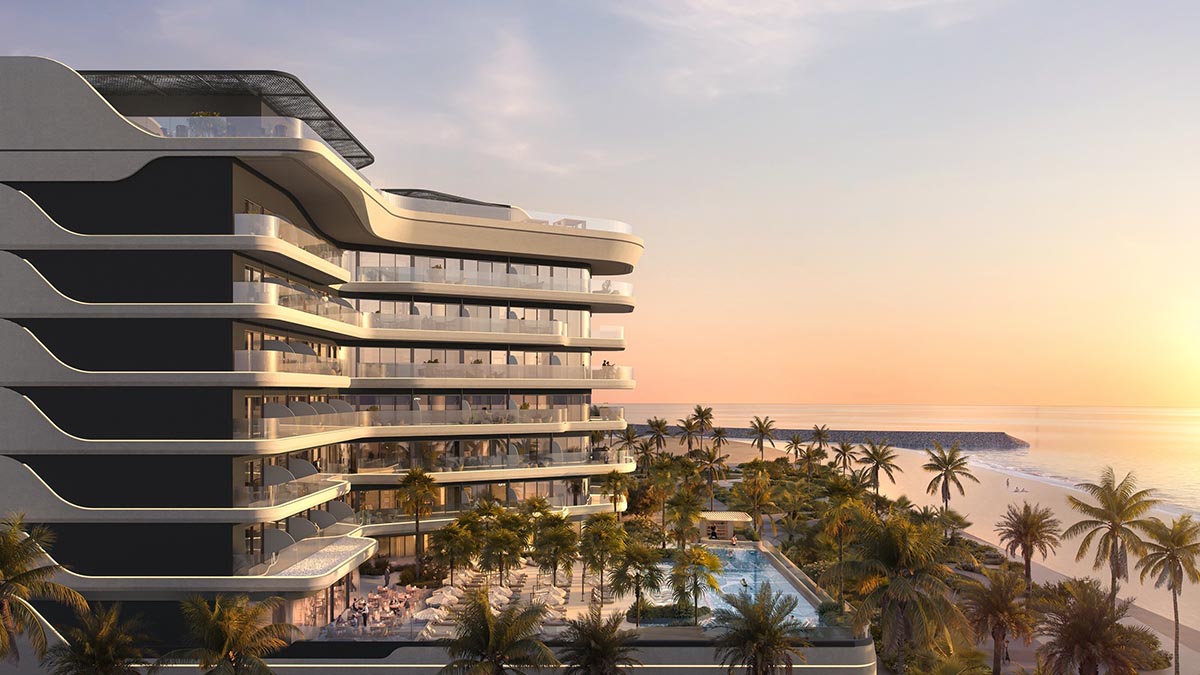
Saudi Arabia bands together with other countries developing leisure infrastructure as tourism destinations expand resorts, entertainment and waterfront attractions, strengthening global travel and tourism opportunities.
Saudi Arabia bands together with other countries developing leisure infrastructure as tourism destinations expand resorts, entertainment and waterfront attractions. Meanwhile, these countries strengthen tourism through new resorts, entertainment venues and waterfront attractions. Together, they create diverse destinations, improve visitor experiences and support travel growth while developing modern leisure infrastructure worldwide.
Advertisement
Advertisement
Countries across the Middle East, Asia, Africa and Europe are accelerating investment in leisure infrastructure as the global travel industry moves towards experience-led tourism. Governments and private developers are building new resorts, waterfront districts, entertainment venues, theme parks, sports facilities, wellness destinations and integrated tourism communities designed to attract both international visitors and domestic travellers.
The development is changing the structure of tourism investment. Instead of building hotels as standalone accommodation, destinations are increasingly creating complete leisure ecosystems where hotels operate alongside restaurants, retail, attractions, cultural venues, beaches, marinas, wellness facilities and entertainment.
Advertisement
Advertisement
Saudi Arabia, the United Arab Emirates, Egypt, India, Indonesia, Thailand, Japan, Morocco, Greece and several other tourism markets are pursuing different versions of this strategy. While some are creating entirely new destinations, others are upgrading established tourism centres with new attractions and visitor infrastructure.
| Country | Major Leisure Infrastructure Development | Key Destinations / Projects | Main Leisure Focus | Current Evidence |
|---|---|---|---|---|
| Saudi Arabia | Extensive development of integrated tourism and entertainment destinations | Red Sea, Qiddiya, Diriyah, AlUla, NEOM/Leyja, Al-Khafji | Luxury resorts, entertainment, sports, culture, adventure, waterfront tourism | Saudi Arabia has the largest hotel pipeline in the Middle East, with 385 projects and 105,598 rooms reported in the 2026 regional pipeline. (FlippingBook) |
| United Arab Emirates | Major expansion of waterfront, beach and entertainment infrastructure | Dubai Islands, Umm Suqeim, Hatta, Yas Island | Beach tourism, resorts, theme parks, adventure, entertainment | Dubai’s AED500 million Umm Suqeim Beach redevelopment includes new mobility infrastructure, leisure facilities and capacity for up to 6 million annual visitors. (Media Office) |
| Egypt | Large-scale Mediterranean coastal destination development | Ras El Hekma, West Ras El Hekma, Northwestern Coast | Beach resorts, entertainment, hotels, mixed-use tourism | Egypt is developing the Northwestern Coast as an integrated tourism and urban region. Ras El Hekma’s first phase includes hotel, commercial and entertainment facilities. (SIS) |
| India | Government-supported destination development and private resort investment | Andaman & Nicobar, tier-II/III destinations, major tourist destinations | Eco-tourism, resorts, cultural tourism, adventure, pilgrimage | India’s Swadesh Darshan 2.0 has sanctioned 53 projects worth ₹2,208.31 crore, while CBDD has sanctioned 38 projects worth ₹697.94 crore. (Press Information Bureau) |
| Indonesia | Integrated tourism infrastructure development | Mandalika, Lombok, Nusa Dua, Bali | Beach resorts, sports tourism, entertainment, events, wellness | Mandalika is being developed as a major sports and entertainment tourism destination, supported by integrated infrastructure and investment incentives. (ITDC) |
| Thailand | Development of major entertainment and leisure districts | Eastern Economic Corridor / EECiti | Theme parks, sports, entertainment, smart-city leisure | Thailand’s EECiti project covers approximately 2,400 hectares and includes plans for a large-scale theme park, international sports complex and supporting leisure facilities. (ECO Thailand) |
| Japan | National push towards premium and nature-based tourism | National parks, Osaka/Yumeshima | Integrated resorts, national parks, snow resorts, premium tourism | Japan’s tourism authorities are promoting national parks as high-quality tourism destinations and supporting 17 snow-resort regions through a 2026 programme. (Ministry of the Environment, Japan) |
| Greece | Expansion of luxury resorts, marinas and integrated coastal developments | Crete, Peloponnese, Ionian Islands, South Aegean | Luxury resorts, yacht tourism, wellness, island tourism | Greece’s investment pipeline includes luxury tourist accommodation, eco-resorts, a mega-yacht tourist port and integrated tourism developments. (Ministry of Development) |
| Morocco | Major tourism and connectivity infrastructure programme | Marrakech, Rabat, Casablanca and other tourism regions | Hotels, cultural tourism, events, transport, resort tourism | Morocco plans to add 60,000 hotel beds before 2030 and is investing more than 190 billion dirhams in infrastructure including roads, railways, airports, stadiums and urban upgrades. (Reuters) |
| Vietnam | Rapid hospitality and destination development | Hanoi, Ho Chi Minh City, coastal destinations | Resorts, hotels, beach tourism, mixed-use developments | Vietnam recorded 258 hotel pipeline projects and 87,077 rooms in the APEC Q1 2026 pipeline, second only to India in the region. (Lodging Econometrics) |
| Malaysia | Resort and integrated destination development | Kuala Lumpur, Langkawi, Sabah, Penang | Island tourism, resorts, wellness, MICE and leisure | Malaysia remains part of the wider Asia-Pacific hotel and tourism development cycle, with investment increasingly combining hospitality with lifestyle and destination facilities. |
| Oman | Development of resort and integrated tourism destinations | Muscat, Salalah, coastal areas | Luxury resorts, beaches, nature and adventure | Oman’s tourism development is part of the wider Middle East hospitality expansion, although its hotel pipeline is considerably smaller than Saudi Arabia, Egypt and the UAE. (FlippingBook) |
| Qatar | Continued development of tourism and entertainment infrastructure | Doha and major waterfront districts | Resorts, events, entertainment, sports and waterfront leisure | Qatar’s tourism model continues to combine major sporting and events infrastructure with hotels, attractions and waterfront development. |
| Maldives | Resort and island tourism infrastructure | Resort islands across the archipelago | Luxury resorts, marine tourism, wellness and beach tourism | The Maldives remains heavily focused on resort-led tourism, with infrastructure development closely linked to island connectivity and hospitality investment. |
| Turkey | Continued coastal and urban tourism development | Antalya, Istanbul, Aegean and Mediterranean coasts | Beach resorts, cultural tourism, marinas and entertainment | Turkey’s established resort markets continue to attract hotel and leisure investment, particularly along the Mediterranean and Aegean coasts. |
Saudi Arabia Is Building Large-Scale Leisure Destinations
Saudi Arabia is developing one of the most extensive leisure and tourism infrastructure programmes in the global travel industry. Under Vision 2030, the Kingdom is investing in coastal resorts, cultural destinations, entertainment districts, sports facilities and nature-based tourism as it seeks to diversify its economy and develop tourism as a major economic sector.
Advertisement
Advertisement
The Red Sea is among the most prominent developments, with luxury resorts and supporting infrastructure being created around environmentally sensitive coastal environments. Diriyah is taking a different approach by combining heritage, culture, hospitality, retail and dining, while AlUla is developing archaeological, cultural and nature-based experiences.
Qiddiya adds another dimension through entertainment, sports and attractions. The development illustrates how Saudi Arabia is moving towards large-scale destination creation rather than relying only on conventional hotel construction.
The country’s hotel pipeline also demonstrates the scale of investment. Regional hotel-development data for 2026 identified Saudi Arabia as the Middle East’s largest pipeline, with hundreds of projects and more than 100,000 rooms in development.
Minor Hotels Brings Ampersand Beach House to Dubai Islands in Major Colbert Collection Expansion
Minor Hotels has signed an agreement for Ampersand Beach House, an 111-key boutique lifestyle hotel that will become the first purpose-built property under its Colbert Collection brand and introduce the Ampersand concept to Dubai Islands. Scheduled to open in late 2029, the beachfront development is expected to combine contemporary design, personalised hospitality and a relaxed interpretation of luxury within one of Dubai’s emerging waterfront destinations.
The project represents another step in Minor Hotels’ wider expansion across the United Arab Emirates, particularly within the luxury and lifestyle segment. At the same time, it will extend the Ampersand name beyond London, where the Ampersand Hotel has operated for more than a decade, into a very different setting shaped by beaches, waterfront living and Dubai’s rapidly developing leisure infrastructure.
What Will Ampersand Beach House Bring to Dubai Islands?
Ampersand Beach House is planned as an intimate, design-led hotel with 111 guestrooms and suites, including signature pool terrace suites. Its positioning is centred on creating a more personalised hospitality experience rather than relying solely on the scale and spectacle traditionally associated with Dubai’s luxury hotel market.
Advertisement
Advertisement
The beachfront property is being designed around a concept described by the project team as coastal, barefoot luxury. This approach is intended to create a relaxed atmosphere while retaining the design standards, service and attention to detail expected from an upscale international hotel.
Beyond accommodation, the development will include destination dining venues, rooftop leisure facilities, wellness spaces and social areas. These components are intended to create a hotel environment that works not only for international visitors but also for Dubai residents seeking dining, wellness and leisure experiences close to the waterfront.
The combination of guestrooms, suites, food and beverage, wellness and social spaces will therefore give the property a broader lifestyle role. Rather than functioning simply as a beachfront place to stay, Ampersand Beach House is being positioned as an experience-led destination within Dubai Islands.
Why Is Dubai Islands Important for the Project?
The location is central to the development’s identity. Dubai Islands is one of the United Arab Emirates’ major waterfront master developments and is undergoing continued investment in hospitality, residential and leisure infrastructure.
For Ampersand Beach House, the setting provides an opportunity to establish a boutique hotel concept in an area being shaped as a new leisure destination. The beachfront location is particularly relevant to the project’s positioning because the hotel’s concept places emphasis on relaxation, outdoor living, contemporary architecture and a sense of escape.
Dubai has developed a substantial international reputation for luxury tourism, but its hospitality landscape continues to evolve. Alongside large-scale resorts and established luxury properties, there is growing space for smaller, design-oriented hotels that focus on distinctive identity and personalised experiences.
Advertisement
Advertisement
Ampersand Beach House is intended to occupy that space. Its 111-key scale allows the property to maintain a more intimate character while still offering multiple facilities capable of attracting both hotel guests and local visitors.
The project’s long-term relevance will also depend on how Dubai Islands develops as a destination before the planned late-2029 opening. Its future hospitality and leisure infrastructure will form an important part of the environment in which the hotel operates.
How Will Ampersand’s London Heritage Shape the Dubai Hotel?
Ampersand Beach House will bring the Ampersand name from London to Dubai. The Ampersand Hotel in London has been operational for more than ten years, providing the brand with an established hospitality history before its expansion into the UAE.
The Dubai project, however, is not being presented as a direct replication of the London property. Instead, Minor Hotels and the development team are adapting the Ampersand identity to a beachfront environment.
The result is expected to have a distinctly coastal character, with the concept built around what the project team calls barefoot luxury. This positioning suggests a more relaxed interpretation of premium hospitality, where design and service remain important but are balanced with a sense of ease and informality.
That distinction is significant for the hotel’s positioning. Dubai’s hospitality market contains a broad range of luxury products, from large integrated resorts to highly specialised boutique properties. Ampersand Beach House is being developed around a more intimate proposition, with its design and guest experience intended to establish a recognisable personality.
Advertisement
Advertisement
For Minor Hotels, bringing the Ampersand concept into Dubai also provides an opportunity to broaden the geographical reach of a hotel identity that already has a history in London.
What Will Guests Find at Ampersand Beach House?
The planned accommodation portfolio will include guestrooms and suites, with signature pool terrace suites forming part of the property’s higher-end accommodation offering. The accommodation strategy is intended to complement the hotel’s beachfront location and relaxed luxury positioning.
Dining will form another important element. Ampersand Beach House is planned to include destination dining venues designed to contribute to the property’s wider lifestyle proposition. These spaces could serve hotel guests as well as Dubai residents and visitors looking for food and beverage experiences within the emerging waterfront destination.
The hotel will also include rooftop leisure experiences and wellness facilities. Together, these elements are intended to encourage guests to spend time within the property rather than using it solely as a base for exploring Dubai.
Social spaces will further support this approach. The development is being designed around carefully considered areas where guests can gather, relax and interact, reinforcing the project’s emphasis on lifestyle rather than conventional accommodation alone.
Importantly, the project team says its decisions are being guided by the guest experience. This includes the architecture, interiors, facilities and operational concept, with the stated objective of creating a cohesive hotel rather than a collection of separate amenities.
Advertisement
Advertisement
Who Is Designing Ampersand Beach House?
The development team has been selected specifically to support the design ambitions of Ampersand Beach House.
NOUMA is leading project management, while MIMAR has been appointed Lead Design Consultant for architecture and engineering. The interior design is being delivered by Sundukovy Sisters Design Studio, a studio known for its work across hospitality and food and beverage environments.
The involvement of specialist firms across project management, architecture, engineering and interiors reflects the importance placed on design within the hotel’s overall positioning.
For a boutique lifestyle property, the physical environment can play a particularly important role in establishing brand identity. At Ampersand Beach House, the project team is expected to translate the concept of coastal, barefoot luxury into architecture, interiors, guest facilities and shared spaces.
The intention is for these different elements to work together rather than operate independently. The result should be a hotel where the design language supports the service model and where the beachfront setting becomes an integral part of the guest experience.
What Does the Signing Mean for Minor Hotels’ UAE Strategy?
The Ampersand Beach House agreement represents another milestone in Minor Hotels’ strategy to expand its luxury and lifestyle portfolio across the UAE.
Advertisement
Advertisement
The company is building its presence through brands and properties that target different segments of the market, while the Colbert Collection provides a platform for distinctive hospitality concepts. The Dubai Islands project will be particularly significant because it will become the first purpose-built Colbert Collection property.
Amir Golbarg, Chief Operating Officer, Minor Hotels Middle East & Africa, said the UAE continues to offer opportunities for design-led hospitality and described Dubai Islands as a destination expected to become an important leisure location within the city.
According to Golbarg, Ampersand Beach House reflects the Colbert Collection’s focus on exceptional design, personalised service and character. He also highlighted the partnership with the Ampersand team as part of Minor Hotels’ continued expansion of its luxury portfolio.
The comments underline the strategic importance of the signing. The project is not simply an additional hotel opening; it forms part of a broader effort to establish distinctive luxury and lifestyle brands in destinations where tourism and leisure infrastructure are expanding.
When Will Colbert Collection Expand Further in Dubai?
Ampersand Beach House is not the only Colbert Collection development planned for Dubai.
Later in 2026, Dukes The Palm Dubai Hotel is scheduled to join the collection following an extensive renovation and repositioning programme. This will establish the brand’s initial presence in Dubai before Ampersand Beach House is scheduled to open in late 2029.
Advertisement
Advertisement
The two properties represent different stages of the collection’s development in the UAE. Dukes The Palm Dubai Hotel will provide an existing property with a renewed positioning, while Ampersand Beach House is being developed as the first purpose-built Colbert Collection hotel.
This sequence gives Minor Hotels an opportunity to expand the collection through both repositioning and new-build development. It also demonstrates how the company is using the UAE’s established and emerging destinations to broaden its luxury and lifestyle portfolio.
For the Colbert Collection, the addition of Ampersand Beach House will therefore represent an important development in its regional rollout.
How Could Ampersand Beach House Fit Dubai’s Changing Luxury Market?
Dubai’s luxury hospitality market continues to diversify as travellers increasingly seek experiences that extend beyond accommodation. Hotels are competing not only through room quality and facilities but also through architecture, food and beverage, wellness, service, atmosphere and distinctive identity.
Ampersand Beach House has been designed around several of these elements. Its boutique scale, beachfront setting, personalised service proposition, wellness facilities, dining venues and design-led interiors are intended to create an integrated lifestyle experience.
The property’s positioning also reflects a wider shift towards experiential hospitality. Guests increasingly use hotels as destinations in their own right, particularly when properties offer strong dining, leisure and wellness components.
Advertisement
Advertisement
The Dubai Islands location adds another dimension. As the waterfront development progresses, hotels operating there will form part of a broader leisure ecosystem rather than functioning in isolation.
For Ampersand Beach House, this creates both an opportunity and a long-term development context. The property’s success will be closely connected to the evolution of Dubai Islands and the wider demand for distinctive waterfront hospitality.
What Is the Long-Term Outlook for Ampersand Beach House?
With an expected opening in late 2029, Ampersand Beach House remains a future development, meaning its final design, facilities and operating environment could evolve during construction and delivery.
What is currently clear is the strategic direction. Minor Hotels is bringing the Ampersand concept from London to Dubai through a purpose-built 111-key property under Colbert Collection, with a strong emphasis on design, personalised service and coastal lifestyle.
The development also strengthens Minor Hotels’ presence in Dubai at a time when the city’s waterfront areas are continuing to expand their hospitality and leisure offering. The selection of NOUMA, MIMAR and Sundukovy Sisters Design Studio further demonstrates the project’s focus on a carefully integrated design and development process.
For travellers, the future hotel is positioned around a combination of beachfront surroundings, boutique scale and lifestyle-led facilities. For the wider tourism industry, its development illustrates how Dubai’s hospitality market continues to create space for differentiated concepts alongside its established luxury resort model.
Advertisement
Advertisement
Why Does the Project Matter for Dubai’s Tourism Landscape?
Ampersand Beach House brings together several developments shaping Dubai’s tourism sector: the expansion of waterfront destinations, the growth of lifestyle hospitality and the increasing importance of distinctive hotel concepts.
Its planned arrival on Dubai Islands will introduce a new Colbert Collection property while extending Ampersand’s international footprint beyond London. At 111 keys, the hotel will pursue a more intimate proposition, supported by suites, destination dining, wellness, rooftop leisure and social spaces.
The project also illustrates Minor Hotels’ continued commitment to the UAE and its strategy of expanding luxury and lifestyle brands across high-potential destinations.
As Dubai Islands develops, Ampersand Beach House is expected to become part of a broader waterfront hospitality environment. Its late-2029 opening remains several years away, but the signing establishes the project’s direction: a design-forward beachfront hotel focused on personalised service, contemporary architecture and a relaxed interpretation of luxury.
With Dukes The Palm Dubai Hotel scheduled to join Colbert Collection earlier, the Ampersand project will subsequently add a purpose-built dimension to the brand’s UAE presence. Together, these developments signal the continued evolution of Dubai’s hospitality landscape and the growing role of boutique, experience-led properties within the city’s expanding tourism economy.
United Arab Emirates Expands Waterfront and Entertainment Infrastructure
The United Arab Emirates is continuing to expand an already mature tourism industry through new waterfront destinations, beach developments, resorts, entertainment facilities and lifestyle districts.
Advertisement
Advertisement
Dubai remains central to this strategy. Dubai Islands is emerging as an important waterfront development, with hotels, residential communities, leisure facilities and public spaces planned across the destination. The development is creating opportunities for international hotel operators to introduce boutique and luxury concepts in a new coastal environment.
Dubai is also investing in established leisure areas. The planned redevelopment of Umm Suqeim Beach, for example, includes improvements to mobility, public facilities and visitor amenities and is designed to increase the beach’s capacity and attractiveness.
Abu Dhabi is following a complementary model through destinations such as Yas Island, where hotels, theme parks, water attractions, motorsport, dining and entertainment operate within an integrated tourism environment.
The UAE’s approach demonstrates how mature tourism markets can continue expanding by creating new visitor experiences rather than relying exclusively on existing attractions.
Egypt Develops Mediterranean Leisure Destinations
Egypt is undertaking major tourism and infrastructure development along its Mediterranean coastline, with the Northwestern Coast becoming an increasingly important focus.
Ras El Hekma is among the most significant developments. The destination is being planned as a large integrated urban and tourism development incorporating hotels, residential areas, commercial facilities, entertainment and supporting infrastructure.
Advertisement
Advertisement
The scale of the project reflects Egypt’s intention to create a new international coastal destination rather than simply adding individual beach resorts.
The Northwestern Coast already benefits from Egypt’s proximity to major European, Middle Eastern and regional tourism markets. New infrastructure could strengthen its appeal for extended holidays, luxury accommodation, residential tourism and leisure investment.
Egypt’s broader tourism strategy also includes continued development around the Red Sea, where established destinations such as Hurghada and Sharm El Sheikh remain important components of the country’s international tourism economy.
India Expands Destination and Eco-Tourism Infrastructure
India is developing tourism infrastructure across a wide range of destinations, from established metropolitan tourism centres to heritage cities, pilgrimage destinations, coastal areas and emerging nature-based locations.
Government programmes such as Swadesh Darshan 2.0 are supporting destination infrastructure, while private-sector investment continues to expand hotel and resort capacity.
India’s development model is particularly diverse. Tourism infrastructure is being created around cultural heritage, spiritual tourism, wildlife, beaches, adventure activities and wellness.
Advertisement
Advertisement
The Andaman and Nicobar Islands represent one example of the opportunity for high-value leisure development, with projects involving eco-tourism resorts and destination infrastructure. Meanwhile, states across the mainland are developing visitor facilities around heritage sites, national parks, pilgrimage destinations and scenic landscapes.
Hotel development is another important indicator. India recorded one of the largest hotel development pipelines in the Asia-Pacific region in 2026, demonstrating sustained investor interest in future tourism demand.
For the travel industry, India’s importance lies not only in its size but also in the diversity of experiences that new infrastructure can support.
Indonesia Develops Integrated Resort and Sports Tourism
Indonesia is continuing to develop resort infrastructure beyond its established tourism centres, with Mandalika in Lombok representing one of the country’s most prominent integrated tourism developments.
Mandalika combines beachfront tourism with sports, events, hospitality and entertainment. Its international motorsport facilities have helped create an additional reason for visitors to travel to the destination, while hotels, restaurants and other tourism infrastructure support longer stays.
The destination also illustrates Indonesia’s attempt to combine tourism development with environmental considerations. Infrastructure planning includes green areas, energy efficiency and measures intended to improve resilience in a climate-sensitive coastal environment.
Advertisement
Advertisement
Bali remains Indonesia’s best-known international tourism destination, but the development of destinations such as Mandalika demonstrates the country’s broader objective of distributing tourism investment across additional regions.
The strategy can create new opportunities for airlines, hotels, tour operators and event organisers while reducing pressure on established destinations.
Thailand Builds Entertainment and Leisure Hubs
Thailand’s tourism infrastructure is also evolving towards integrated leisure destinations. The country’s Eastern Economic Corridor provides a major platform for this development.
The proposed EECiti development incorporates the concept of a destination where people can live, work and enjoy leisure activities within an integrated environment. Plans include large-scale entertainment, theme-park and sports infrastructure alongside commercial and supporting facilities.
Thailand already has a strong tourism base built around beaches, islands, cultural attractions, food and wellness. New leisure infrastructure is intended to complement these established strengths by increasing the range of experiences available to visitors.
The country’s strategy is also relevant to the meetings, incentives, conferences and exhibitions sector. Modern entertainment, sports and hospitality facilities can make destinations more attractive to business-event organisers seeking leisure experiences for delegates and incentive groups.
Advertisement
Advertisement
Japan Invests in Nature, Resorts and Premium Tourism
Japan is developing tourism infrastructure while placing increasing emphasis on higher-value and nature-based travel experiences.
National parks are receiving greater attention as tourism destinations, with initiatives designed to improve visitor experiences while protecting natural environments. Snow destinations are also being supported as Japan seeks to strengthen year-round tourism.
The country’s tourism infrastructure is not centred on creating entirely new cities. Instead, Japan is upgrading existing destinations and developing new experiences around natural landscapes, culture, food, wellness and outdoor recreation.
Japan’s established transport network provides a strong foundation for this approach. Improved tourism facilities can connect major cities with regional destinations and encourage visitors to travel beyond the country’s best-known urban centres.
The development of premium tourism products is also helping Japan target visitors seeking specialised experiences rather than conventional sightseeing alone.
Morocco Expands Tourism and Visitor Infrastructure
Morocco is preparing for a significant expansion of tourism infrastructure, supported by major investment in hotels, transport and visitor facilities.
Advertisement
Advertisement
The country is targeting substantial growth in hotel capacity ahead of the 2030 FIFA World Cup, which Morocco will co-host with Spain and Portugal. The event is providing an additional catalyst for investment in accommodation, airports, roads, railways, urban infrastructure and tourism facilities.
Marrakech remains one of the country’s leading leisure destinations, while Casablanca, Rabat, Agadir and other regions are also developing their tourism infrastructure.
Morocco’s appeal is based on a combination of cultural heritage, beaches, desert landscapes, gastronomy and city tourism. New infrastructure can therefore support several tourism segments simultaneously.
The country’s development is particularly significant for North Africa because improved connectivity and accommodation capacity can strengthen Morocco’s role as a gateway between Europe, Africa and the wider international tourism market.
Greece Develops Luxury Resorts and Coastal Tourism
Greece continues to attract investment in luxury hotels, resorts, marinas and integrated tourism developments.
The country’s islands and coastal regions remain central to this strategy, but investment is increasingly extending towards premium accommodation, yacht tourism, wellness and higher-value travel experiences.
Advertisement
Advertisement
Crete, the Peloponnese, the Ionian Islands and the South Aegean are among the areas attracting hospitality and tourism investment.
Marina development is particularly important because Greece has a natural advantage in sailing and yacht tourism. Better marina infrastructure can support longer stays and connect coastal destinations with the wider Mediterranean travel market.
The country’s challenge is balancing infrastructure expansion with environmental protection and the management of seasonal visitor concentrations. Consequently, future development is increasingly linked to sustainability, destination management and higher-value tourism.
Vietnam Expands Its Hotel and Resort Pipeline
Vietnam has become one of Asia-Pacific’s important tourism development markets, with significant investment in hotels and resorts across major cities and coastal destinations.
The country’s tourism proposition combines beaches, cultural heritage, food, nature and rapidly developing urban destinations. This diversity gives developers opportunities to target different visitor segments.
The hotel pipeline is particularly notable. Vietnam recorded hundreds of hotel projects and tens of thousands of rooms in the Asia-Pacific development pipeline during 2026, placing it among the region’s most active markets.
Advertisement
Advertisement
Coastal development remains important, while cities such as Hanoi and Ho Chi Minh City continue to attract hospitality investment.
Improved infrastructure and international connectivity are helping Vietnam strengthen its position as a long-haul tourism destination, while resort development can encourage visitors to combine city breaks with beach holidays.
Malaysia Develops Integrated Leisure Experiences
Malaysia is continuing to develop tourism infrastructure around its established strengths in island tourism, urban travel, nature, wellness and MICE.
Kuala Lumpur remains the country’s principal urban tourism hub, while Langkawi, Penang, Sabah and Sarawak offer opportunities for resort, nature and cultural tourism.
The development model increasingly combines hotels with restaurants, wellness facilities, attractions and conference infrastructure. This helps destinations target both leisure and business travellers.
Malaysia also has an opportunity to use its natural landscapes to expand eco-tourism while developing higher-value accommodation and experiences.
Advertisement
Advertisement
For international tourism operators, the combination of urban connectivity and diverse regional destinations makes Malaysia suitable for multi-destination itineraries.
Oman Builds Resort and Nature-Based Tourism
Oman is developing tourism infrastructure around its coastline, mountains, desert landscapes and cultural heritage.
Muscat remains the country’s principal tourism gateway, while Salalah offers a distinctly different proposition based around seasonal landscapes and the khareef period. Coastal areas also provide opportunities for luxury resorts and marine tourism.
Oman’s development strategy is more measured than the mega-project approach visible in some neighbouring markets. However, its emphasis on nature, culture and premium hospitality gives the country a distinct position within the Gulf tourism landscape.
The development of resorts and supporting visitor infrastructure can help Oman increase tourism capacity while retaining its positioning around natural and cultural experiences.
What Does the Global Leisure Infrastructure Expansion Mean?
The country-by-country development pattern shows that leisure infrastructure is becoming an increasingly important component of national tourism strategies.
Advertisement
Advertisement
Saudi Arabia and the UAE are developing large-scale integrated destinations, while Egypt is expanding Mediterranean tourism infrastructure. India is investing across a broad range of domestic destinations, Indonesia is combining resorts with sports tourism, and Thailand is developing entertainment-led leisure districts.
Japan is strengthening nature and premium tourism, Morocco is using major infrastructure investment and international events as catalysts for growth, while Greece continues to expand luxury coastal and yacht tourism.
The common thread is the move towards experience-led destination development.
Modern travellers increasingly expect destinations to provide more than accommodation. Hotels are being developed alongside beaches, restaurants, wellness facilities, entertainment, cultural attractions, sports venues, marinas and public spaces.
For airlines, cruise operators, hotels, tour operators and destination management organisations, this expansion creates new tourism corridors and potentially longer visitor stays. For governments and developers, however, the long-term performance of these investments will depend on connectivity, environmental management, visitor demand and the ability to create experiences that remain relevant beyond the initial launch period.
“Saudi Arabia and other developing destinations are creating exciting opportunities for global tourism through investment in leisure infrastructure. New resorts, entertainment venues and waterfront attractions can enrich visitor experiences, strengthen destination appeal and support tourism economies. This evolving landscape demonstrates the growing importance of innovative, experience-led infrastructure worldwide.”says, Anup Kumar Keshan, Editor-in-Chief, TTW
Advertisement
Advertisement
As countries continue investing in leisure infrastructure, the global tourism map is therefore becoming more diversified. Established destinations are upgrading their visitor economies, while emerging regions are creating entirely new tourism districts designed around integrated leisure, hospitality and entertainment.
The result is a global shift from simply building places to stay towards developing complete destinations where travellers can stay, dine, relax, explore, attend events, participate in activities and experience local culture within a connected tourism ecosystem.
Saudi Arabia bands together with other countries as leisure infrastructure continues transforming tourism destinations. As resorts, entertainment and waterfront attractions expand, countries create stronger visitor economies and broader travel experiences. This development supports destination diversification, improves tourism infrastructure and opens new opportunities for travellers, hospitality businesses and the wider global tourism industry.
Image: Minor Hotels
Advertisement
