
Thailand Visa Exemption Is Now 30 Days as Indians Must Know the New Rules and Plan Better in September

Updated
Published
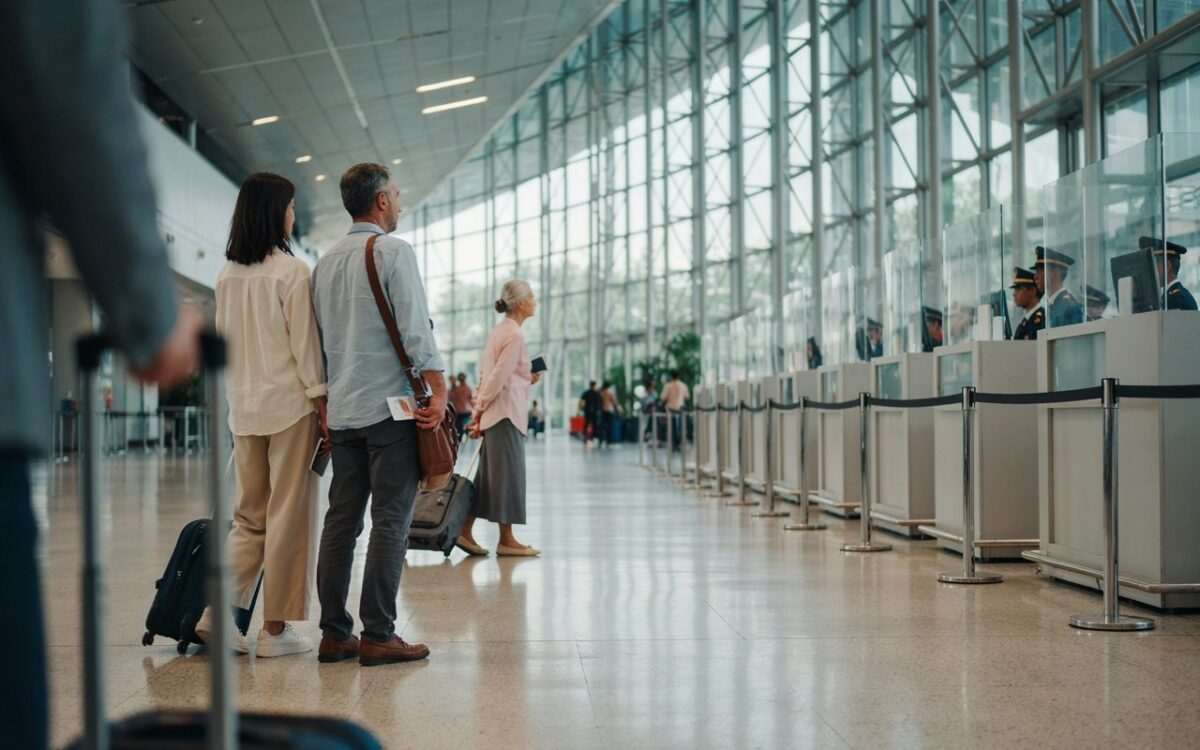
Image generated with Ai
Thailand will reduce its Visa Exemption period for eligible Indian ordinary-passport holders from 60 to 30 days on 15 September 2026. Indians will retain visa-free access for qualifying short visits. However, longer holidays will require different planning, while every traveller must separately complete the Thailand Digital Arrival Card before arrival.
Indian Travellers Must Check Their Arrival Date
Indian travellers planning a September holiday must pay close attention to when they arrive in Thailand. The country will shorten its Visa Exemption period from 60 days to 30 days on 15 September 2026. Until 14 September, the existing arrangement remains applicable to qualifying arrivals. From 15 September, eligible Indian ordinary-passport holders will normally receive no more than 30 days for tourism, subject to the immigration decision made at the entry checkpoint.
The change does not cancel visa-free access for eligible Indians. Short holidays can continue without an advance tourist visa when the traveller meets all conditions. Those planning extended holidays, family visits, workations or longer regional itineraries will face a tighter limit. Visitors arriving before the change can remain for the period already granted. They should check the date recorded by immigration rather than assuming that every arrival automatically receives the maximum allowance.
Current position as of 2 September 2026
- Until 14 September: The existing 60-day arrangement continues for qualifying Indian arrivals.
- From 15 September: The revised 30-day allowance is scheduled to begin.
- Indian eligibility: Eligible Indian ordinary-passport holders remain included.
- Advance tourist visa: Generally unnecessary for a qualifying visit within the permitted period.
- Digital arrival card: Required separately before arrival.
- Final admission: Decided by immigration authorities at the checkpoint.
- Longer stays: Travellers should investigate the correct visa or an officially available extension.
Key Figures Behind Thailand’s New Entry Rules
The final Ministry of Interior announcements were published in the Royal Gazette on 31 August 2026. They confirm that the wider 60-day arrangement will end on 15 September. The revised framework gives travellers from 60 countries and territories up to 30 visa-free days for tourism. Earlier government material referred to 59 markets, but the final published list contains 60. The legally confirmed final framework therefore provides the most reliable figure.
Advertisement
Advertisement
Thailand previously expanded its visa-free system in July 2024. That arrangement covered 93 countries and territories and allowed qualifying visits of up to 60 days. Moving from 60 to 30 days represents a 50% reduction in the standard maximum stay. It removes 30 days from the previous allowance while preserving simplified access for most short holidays.
Advertisement
Advertisement
| Key point | Verified or scheduled position |
|---|---|
| Current allowance | Up to 60 days for qualifying arrivals before the change |
| New allowance | Up to 30 days |
| Reduction | 30 days, equal to a 50% cut |
| Scheduled implementation | 15 September 2026 |
| Affected Indian document | Eligible ordinary passport |
| Digital arrival submission | Within three days before arrival, including arrival day |
| Digital arrival cost | No government fee |
| Digital arrival validity | One arrival only |
| Children | A submission is required, including for infants |
| Final admission | Determined at the immigration checkpoint |
Why the Change Matters to Indian Travellers
The revised Visa Exemption remains convenient for short holidays from India. Weekend breaks, family trips, weddings, shopping visits and standard beach holidays should usually fit within the new period. Official data places the average Indian visitor stay at approximately 7.17 days. That represents about 23.9% of the new 30-day allowance, leaving a considerable margin for most conventional holidays.
The reduction becomes important for travellers planning month-long holidays or extensive tours. Combining Bangkok, Chiang Mai, Phuket, Krabi and several islands can require careful scheduling. A cancelled flight, illness or unexpected disruption near the final authorised date could also increase overstay risk. Travellers should leave a reasonable departure buffer rather than booking their return journey on the last possible day.
Old and New Visa Exemption Rules Compared
| Travel issue | Arrival by 14 September | Arrival from 15 September |
|---|---|---|
| Standard allowance | Up to 60 days under the existing arrangement | Up to 30 days under the revised arrangement |
| India’s position | Included | Remains included |
| Advance tourist visa | Generally unnecessary for qualifying short visits | Generally unnecessary for qualifying short visits |
| Digital arrival card | Required | Required |
| Permitted activities | Limited to activities authorised under the entry category | Limited to activities authorised under the entry category |
| Longer visit | A suitable visa or approved extension may be needed | Earlier action will be necessary |
| Immigration decision | Made at the border | Made at the border |
The comparison depends on the actual arrival date. A ticket purchased before 15 September does not secure the former 60-day allowance if the passenger arrives after the revised rules begin. Likewise, a booking made after the announcement does not reduce the stay of a traveller legally admitted before implementation.
Who Can Use the Revised Arrangement?
The new Visa Exemption primarily concerns Indian citizens holding eligible ordinary passports. They must enter through a recognised immigration checkpoint for an authorised short-term purpose. They should hold suitable supporting documents, meet border requirements and intend to leave within the period granted. The arrangement allows an eligible person to seek admission without obtaining a visa beforehand. It does not create an unconditional right to enter Thailand.
Different requirements may apply to diplomatic or official passports. Employment, education, journalism, volunteering, residence and long-term remote work may also require separate permission. Medical stays can involve additional documentation. Travellers holding another nationality or non-standard travel documents must check the rules applying to that document. Tourist entry should never be treated as general permission to work.
Advertisement
Advertisement
India Remains a Major Source of Tourism Demand
Official records show that Thailand received 14,515,978 international visitors from 1 January to 7 June 2026. Those visitors generated approximately 701.36 billion baht in tourism revenue. India supplied 1,103,945 arrivals, making it the third-largest recorded source market. China contributed 2,386,714 visitors, while Malaysia supplied 1,839,151.
Indian travellers represented approximately 7.6% of total foreign arrivals during the measured period. That equals about one Indian visitor among every 13 international arrivals. Thailand also received 32.97 million international visitors during 2025. Although arrivals declined by 7.23% from the previous year, the tourism economy generated about 2.7 trillion baht. These figures help explain why India retains comparatively straightforward short-stay access.
The Digital Arrival Card Is Not a Visa
Every foreign traveller entering Thailand by air, land or sea must generally submit the Thailand Digital Arrival Card. The electronic form replaced the former paper arrival card. It supplies immigration authorities with information about the traveller, journey and accommodation. It is not a visa, extension or entry guarantee. Children and infants also require submissions, while a fresh form must be completed for each separate entry.
The form can generally be submitted within three days before arrival, including the arrival date. Passengers remaining in airport transit without passing through immigration do not need it. Required information normally includes passport details, arrival date, transport number, country of residence, embarkation point, Thai accommodation address, travel purpose and an email address. Health information may also be requested. Travellers should use only the official free government system and avoid websites demanding unnecessary processing fees.
Entry Permissions and Documents Compared
| Document or permission | What it does | Needed before travel? | Length or validity |
|---|---|---|---|
| Visa Exemption | Allows an eligible traveller to seek short-term entry without a visa | No visa application | Up to 30 days from 15 September |
| Digital arrival card | Supplies arrival and travel information | Yes, shortly before arrival | One entry |
| Visa on Arrival | Provides a visa at an eligible checkpoint to specified nationalities | Processed at the border | Depends on current rules |
| Tourist visa | Supports a planned tourist stay under stated conditions | Usually required in advance | Depends on the permission granted |
| Long-stay category | Supports qualifying longer activities | Application required | Depends on eligibility and approval |
Visa-free entry and Visa on Arrival are not the same. Eligible Indian ordinary-passport holders remain in the visa-free group under the revised framework. Azerbaijan, Belarus and Serbia move into the separate Visa on Arrival category. Mauritius and Seychelles will receive a 15-day exemption.
Advertisement
Advertisement
Documents Indian Travellers Should Prepare
Indian visitors should carry a valid passport, digital arrival confirmation, accommodation details and a confirmed return or onward ticket. A clear itinerary can help explain the trip when questions arise. Travellers should also have contact information for their hotel, accommodation provider or host. Evidence of sufficient travel funds may be requested depending on the applicable immigration rule.
Travel insurance can protect against unexpected medical or cancellation costs, but it does not provide immigration permission. Anyone whose intended activity falls outside ordinary tourism must obtain suitable authorisation. Passport validity, financial evidence and other conditions should be checked against current official guidance before departure because requirements can vary by entry category.
How the Rules Apply by Air, Land and Sea
For air arrivals, the revised rules will apply at international airports serving Bangkok, Phuket, Chiang Mai, Krabi and other recognised entry points. Travellers should calculate the Visa Exemption period from the date officially recorded at immigration. The date of booking, ticket purchase or flight departure from India does not determine the authorised stay.
Land travellers must confirm restrictions applying to repeated border use. Most visitors using the 30-day arrangement can enter at land checkpoints no more than twice per calendar year. Citizens of Malaysia, Brunei Darussalam, Indonesia and Singapore are generally excluded from this limit. Cruise passengers, ferry users and yacht arrivals must also complete immigration formalities when entering Thailand through a recognised seaport.
How the 30-Day Limit Affects Popular Trips
Most short itineraries remain practical. A Bangkok weekend, Phuket holiday or Bangkok–Pattaya combination should face little direct impact. Travellers still need their digital arrival card and supporting documents. Longer journeys connecting northern and southern Thailand will require tighter scheduling, especially when visitors plan extended stays at several destinations.
Advertisement
Advertisement
Regional trips need extra attention because leaving Thailand and returning creates a new immigration event. Another 30-day admission is never guaranteed automatically. Month-long workations may also exceed the limit or involve activities not permitted under tourist entry. Weddings and group journeys remain possible, but every individual must hold correct documents and a separate digital arrival submission.
| Type of trip | Likely effect | Planning response |
|---|---|---|
| Bangkok weekend | Little practical effect | Complete arrival requirements |
| Phuket or Krabi holiday | Usually fits within the allowance | Keep a departure buffer |
| Bangkok and Pattaya | Generally manageable | Confirm all travel dates |
| Northern and southern tour | Tighter scheduling needed | Reduce long stops if necessary |
| Thailand with Cambodia or Vietnam | Re-entry creates a new border decision | Check rules before every arrival |
| Month-long workation | May exceed or misuse tourist permission | Investigate an appropriate visa |
| Wedding or group trip | Documents needed for every traveller | Check passports and forms separately |
Arriving Before or After 15 September
Travellers arriving by 14 September should follow the Visa Exemption rules operating on their arrival date. They must check the authorised stay recorded by immigration. Visitors already in Thailand should follow the permission granted when they entered. Their approved stay will not automatically fall to 30 days when the new framework begins.
Travellers arriving from 15 September should plan around the new 30-day Visa Exemption limit. They should consider leaving several days early because delays could cause an overstay. September visitors must distinguish between their booking date, flight departure date and actual date of admission into Thailand.
Extensions and Longer-Stay Options
An extension may be available through immigration, but approval is discretionary. Travellers should not assume that their Visa Exemption will automatically be extended. Eligibility, documents, fees and application timing must be confirmed through official channels. Anyone who already knows that a trip will exceed 30 days should consider the correct visa before leaving India.
Long-stay and destination-based visa categories have separate eligibility rules. Tourist entry cannot be used for unauthorised employment. A visa’s validity period is also different from the stay granted at the border. Validity usually concerns when a visa can be used, while the immigration record confirms how long the traveller may remain after entry.
Advertisement
Advertisement
Overstay Can Carry Serious Consequences
Remaining beyond the authorised date can lead to financial penalties and immigration questioning. Serious cases may involve detention, removal, restrictions on future entry or difficulty with later visa applications. Travellers should check the date recorded when they arrive, retain evidence of admission and set a departure reminder.
Booking the return journey on the final authorised day creates avoidable risk. Weather disruption, illness, transport failure or a cancelled flight could prevent departure. Anyone facing an emergency should contact immigration immediately and seek official instructions. Travellers should not rely on informal assurances from hotels, drivers or online groups.
What the Policy Could Mean for Tourism
Short-break demand from Indian cities may experience limited disruption because the average stay remains far below 30 days. Family holidays, group tours, weddings and celebrations can continue within the revised limit. Airlines may need to update passenger information, while travel organisers should adjust itineraries that previously relied on the 60-day allowance.
Extended hotels and serviced accommodation could see changes in booking duration. Demand may also grow for tourist visas and other longer-stay categories. However, official post-implementation evidence will be needed before concluding that the policy has reduced Indian arrivals or tourism spending. Any measurable effect will depend on traveller behaviour after 15 September.
Visa Exemption Checklist for Indian Travellers
Before booking
- Confirm the actual arrival date.
- Calculate the full proposed stay.
- Check whether the intended activity is permitted.
- Consider an appropriate visa for visits exceeding 30 days.
Before departure
- Check every passport detail.
- Complete the official digital arrival form.
- Save or print the confirmation.
- Carry accommodation and onward-travel evidence.
- Review the latest official immigration and embassy guidance.
At immigration
- Present complete and accurate information.
- Answer questions about the journey truthfully.
- Check the final authorised departure date.
- Do not assume the maximum period has been granted.
During the trip
- Monitor the recorded departure deadline.
- Apply early if an extension is required and available.
- Leave before the authorised stay expires.
- Seek immediate official help when an emergency affects departure.
Officially Confirmed Position
The final official tourism notice states that passport holders from 60 countries and territories will be eligible for tourism entry “with a permitted stay of up to 30 days”. It confirms that the new framework takes effect on 15 September 2026. The broader policy was developed around economic considerations, security assessments, international relations and reciprocity.
Advertisement
Advertisement
India remains included because of its economic, trade, investment and tourism importance. The new system also seeks to remove overlapping entry privileges and place each country under a principal category. Screening will be strengthened through digital arrival information and better-connected immigration databases.
What Happens Next?
The existing 60-day arrangement will continue until the end of 14 September. The revised rules are scheduled to begin the following day. Government, embassy and immigration pages may receive further updates as implementation approaches. Passenger information provided by airlines and travel organisers may also change.
Travellers should monitor official clarification concerning extensions, repeated entries and checkpoint procedures. Tourism effects can only be measured after the system begins. Anyone travelling during September should check the precise arrival date and review the latest rules shortly before departure.
Conclusion
Thailand’s revised rules keep short trips accessible to eligible Indian ordinary-passport holders. However, the Visa Exemption reduction to 30 days requires more careful planning. Travellers arriving from 15 September should complete the digital arrival card, carry supporting documents and confirm the period granted at immigration. Anyone needing a longer stay or travelling for another purpose should obtain suitable permission.
Frequently Asked Questions
When does Thailand’s 30-day rule begin for Indians?
The revised arrangement is scheduled to begin on 15 September 2026.
Advertisement
Advertisement
Can Indians still enter without obtaining a tourist visa?
Eligible Indian ordinary-passport holders can continue travelling visa-free for qualifying short visits.
What happens if an Indian traveller arrives before 15 September?
The traveller should be assessed under the rules operating on the arrival date. The permission recorded by immigration will determine the authorised stay.
Is the digital arrival card a visa?
No. It is an electronic arrival form and does not replace a visa when one is required.
When should the digital arrival form be completed?
It should generally be submitted within three days before arrival, including the arrival date.
Does completing the form guarantee entry?
No. Final admission remains subject to immigration checks and official discretion.
Advertisement
Advertisement
Can the 30-day stay be extended?
An extension may be available, but eligibility, documents and approval must be confirmed officially.
Can an Indian visitor work during a visa-free trip?
Visa-free tourist entry is not general employment permission. Appropriate authorisation is required.
Do children need the digital arrival form?
Yes. Children and infants require a submission.
Does leaving and returning guarantee another 30 days?
No. Every return is a new immigration event, and another admission is not automatically guaranteed.
Advertisement
