
Wild Wonders Of Kakadu: Safari And Ecotourism Destination Of Australia

Published
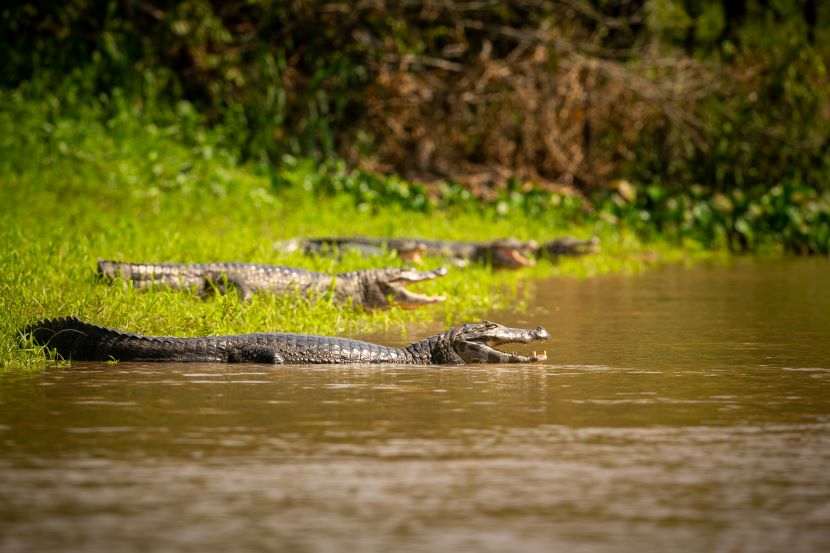 Image generated with Ai
Kakadu is a place where nature and culture converge. Kakadu National Park, the largest national park of Australia offers a diverse and thrilling travel experience, attracting tourists with its rich wildlife, indigenous cultural heritage, and expansive natural beauty. Covering over 20,000 square kilometers in the Northern Territory. The area’s unique ecosystem and stunning landscapes have positioned it as a key ecotourism destination for travellers seeking close encounters with wildlife and ancient cultural sites.
A Journey Through the Wetlands of Kakadu
Kakadu’s vast wetlands, like the Yellow Water Billabong, provide visitors with opportunities to observe wildlife in its natural habitat. The area is home to a significant population of saltwater crocodiles, which make their presence felt throughout the year, especially during the dry season. The Yellow Water Billabong cruise offers travellers a chance to see these magnificent creatures, along with an array of bird species, such as magpie geese, sacred kingfishers, and white-bellied sea eagles. The billabong, though renowned for its dangerous crocodiles, also showcases the region’s rich biodiversity. A skilled guide brings the landscape to life, offering insights into how the seasonal rains affect the ecosystem, creating more food for wildlife and sustaining the delicate balance of life in the region.
Kakadu: A Cultural Landscape Shaped by Ancestors
Kakadu’s cultural significance adds depth to its natural beauty. The region is not only an ecological marvel but also a living cultural landscape, shaped by the traditions and knowledge of the indigenous Aboriginal people for over 65,000 years. The park is home to several rock art sites, with Burrungkuy (formerly known as Nourlangie Rock) being one of the most renowned. This natural shelter has been used by Aboriginal peoples to create art that tells stories of creation and ancient beliefs. The Aboriginal custodians of the land continue to pass down their knowledge, maintaining cultural practices like cold fire burning. This method reduces the risk of wildfires, demonstrating the harmonious relationship between the people and their land.
Tourists visiting the area are often guided by indigenous descendants, such as Mandy Muir, who lead walking tours through these culturally significant sites, further enriching the visitor experience. These tours not only offer insights into the Aboriginal way of life but also support the local economy by providing employment opportunities to the community.
Advertisement
Advertisement
Getting to Kakadu: A Scenic and Adventurous Journey
The journey to Kakadu is as much a part of the adventure as the destination itself. Located about three hours southeast of Darwin, the drive to Kakadu is an exciting safari-style experience, with sightings of wallabies, wedge-tailed eagles, and even keelback snakes along the way. Visitors often stop at quirky roadhouses and crocodile-themed rest stops, making the drive a memorable part of the Kakadu experience.
For those seeking a more breathtaking perspective of the park, scenic helicopter tours provide an unparalleled view of the waterfalls, rivers, and landscapes that are otherwise inaccessible by land. These tours, offered by operators like Kakadu Air, help tourists grasp the vastness and ruggedness of this wild terrain, further increasing the appeal of Kakadu as a must-visit destination.
Advertisement
Advertisement
Unique Accommodations: Glamping and Luxury Ranch Life
Kakadu offers a variety of accommodation options, ranging from eco-conscious safari-style tents to luxury outback retreats. One of the newest additions is the Yellow Water Villas at Cooinda Lodge. Elevated on stilts and set on the edge of the billabong, these glamping-style accommodations offer guests a comfortable stay with air-conditioned interiors, private decks, and en suite bathrooms. These lodges blend luxury with nature, offering an experience where guests can immerse themselves in the environment without compromising on comfort.
For those seeking a more traditional Australian ranch experience, Finniss River Lodge offers a five-star retreat on a working cattle station. Located 90 minutes southwest of Darwin, the lodge combines polished luxury with a sense of adventure. Guests can enjoy a bush breakfast amidst the towering cathedral termite mounds and embark on an airboat safari across flooded plains. The lodge’s spacious suites offer floor-to-ceiling windows that frame the beautiful landscape, and the infinity pool overlooks the savannah, providing the perfect spot to cool off after a day of exploration.
Advertisement
Advertisement
The Economic Impact on Tourism
Kakadu National Park plays a vital role in supporting the local economy by attracting international tourists and providing employment opportunities to indigenous communities. The region’s tourism industry has seen significant growth, with the increase in ecotourism and cultural tourism contributing to job creation and infrastructure development. Accommodation providers, tour guides, and other service providers benefit directly from the influx of visitors, which in turn supports the broader economy of the Northern Territory.
Both Cooinda Lodge and Finniss River Lodge represent the growing trend of eco-lodging in Australia. These sustainable accommodations cater to high-yield travellers, who are increasingly seeking authentic, immersive experiences in natural settings. By incorporating eco-friendly practices, such as low-impact accommodations and responsible wildlife encounters, these lodges help promote sustainable tourism, which is vital for the long-term preservation of Kakadu’s unique environment.
Conclusion: The Future of Kakadu as a Premier Tourism Destination
Kakadu National Park is emerging as one of Australia’s premier tourism destinations, offering a unique blend of natural beauty, indigenous culture, and adventure. As more travellers seek authentic and off-the-beaten-path experiences, Kakadu is poised to become a key player in Australia’s tourism landscape. With its vast array of wildlife, pristine wetlands, and rich cultural heritage, Kakadu continues to captivate visitors from around the world. The region’s growth in ecotourism and cultural tourism, supported by sustainable accommodations and local guides, is not only boosting the local economy but also ensuring that Kakadu’s unique landscapes and traditions are preserved for future generations to experience.
In embracing its wild, untamed beauty, Kakadu offers travellers an unforgettable adventure, while simultaneously playing a crucial role in the economic development of the Northern Territory. With eco tourism practices, Kakadu is setting a benchmark for how natural and cultural preservation can go hand in hand with economic growth.
Advertisement
