
Morocco Overtakes Belgium, Switzerland, Iran, China, Portugal and More Countries Around the World Shining Tourism Scene and Becoming a Goldmine in Travel Sector with Ancient and Medieval Heritage Attractions, Iconic Museums, Historic Palaces, Forts, and Offbeat Destinations: A Comperative Analysis with UNESCO, UN Tourism World Tourism Barometer, World Economic Forum Travel & Tourism Development Index

Updated
Published
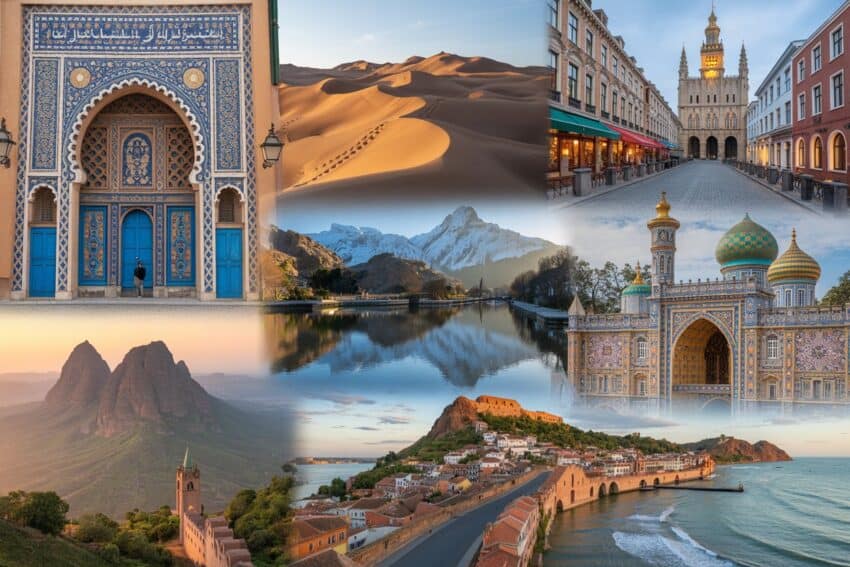
Morocco overtakes Belgium, Switzerland, Iran, China, Portugal and more countries around the world as its shining tourism scene transforms into a goldmine. Ancient and medieval heritage attractions, iconic museums, historic palaces, forts and offbeat destinations are driving growth.
Morocco overtakes Belgium, Switzerland, Iran, China, Portugal and more countries around the world because its shining tourism scene is rapidly expanding. Moreover, Morocco is becoming a goldmine in the travel sector through ancient and medieval heritage attractions, iconic museums, historic palaces, forts and offbeat destinations. According to UNESCO, UN Tourism World Tourism Barometer and the World Economic Forum Travel & Tourism Development Index, travellers increasingly prefer authentic experiences over overcrowded urban centres.
Consequently, Morocco is positioning itself as a destination where history, culture, architecture and sustainability combine to create a powerful tourism economy.
The following table combines UNESCO heritage attractions, iconic museums, historic palaces and forts, and lesser-known destinations that are highly relevant for cultural and heritage tourism. Many of these sites are recognized internationally for their architectural, historical, and cultural significance.
Advertisement
Advertisement
| Country | Heritage Site / Attraction | Type | Location | Key Highlights | Ideal Visit Duration |
|---|---|---|---|---|---|
| Morocco | Medina of Fez | UNESCO Heritage City | Fez | Medieval Islamic city, souks, madrasas | 2–3 Days |
| Morocco | Aït Benhaddou | Fortified Village (Ksar) | Ouarzazate | UNESCO-listed mud-brick fortress village, film location | 1 Day |
| Morocco | Bahia Palace | Palace | Marrakesh | Moroccan architecture and gardens | Half Day |
| Morocco | Kasbah of the Udayas | Fort | Rabat | Andalusian gardens and historic fortifications | Half Day |
| Morocco | Volubilis | Heritage Site | Meknes Region | Best-preserved Roman ruins in Morocco | Half Day |
| Morocco | Chefchaouen | Off-beat Cultural Town | Rif Mountains | Blue-painted streets and mountain culture | 2 Days |
| Belgium | Bruges Historic Centre | UNESCO Heritage City | Bruges | Medieval canals and Gothic architecture | 2 Days |
| Belgium | Grand Place | Heritage Square | Brussels | UNESCO-listed town square | Half Day |
| Belgium | Gravensteen Castle | Castle | Ghent | Medieval fortress and museum | Half Day |
| Belgium | Royal Museums of Fine Arts of Belgium | Museum | Brussels | Flemish and European masterpieces | 1 Day |
| Belgium | Dinant | Off-beat Heritage Town | Wallonia | Citadel, river scenery and history | 1 Day |
| Switzerland | Old City of Bern | UNESCO Heritage City | Bern | Medieval streets and arcades | 1–2 Days |
| Switzerland | Bellinzona Castles | UNESCO Fortress Complex | Ticino | Three medieval castles and defensive walls | 1 Day |
| Switzerland | Chillon Castle | Castle | Lake Geneva | Switzerland’s most visited castle | Half Day |
| Switzerland | Swiss National Museum | Museum | Zurich | Swiss history and culture | Half Day |
| Switzerland | Thun | Off-beat Heritage Town | Lake Thun | Castle, medieval streets, lake views | 1–2 Days |
| Iran | Persepolis | UNESCO Archaeological Site | Shiraz Region | Ceremonial capital of Achaemenid Empire | 1 Day |
| Iran | Isfahan Historic Centre | Heritage City | Isfahan | Persian architecture and bazaars | 2–3 Days |
| Iran | Golestan Palace | Palace | Tehran | Qajar royal complex | Half Day |
| Iran | Arg-e Bam | Fortified City | Bam | Largest adobe fortress complex | 1 Day |
| Iran | Yazd | UNESCO Heritage City | Yazd | Wind towers and desert architecture | 2 Days |
| China | Forbidden City | Palace Complex | Beijing | Largest imperial palace in the world | 1 Day |
| China | Great Wall of China | Heritage Monument | Multiple Provinces | Ancient defensive wall system | 1 Day |
| China | Palace Museum | Museum | Beijing | Imperial collections | 1 Day |
| China | Pingyao Ancient City | Heritage City | Shanxi | Preserved Ming-era city | 2 Days |
| China | Tulou Clusters | Off-beat Heritage Site | Fujian | Earthen communal buildings | 1–2 Days |
| Portugal | Jerónimos Monastery | UNESCO Heritage Site | Lisbon | Portuguese Age of Discovery monument | Half Day |
| Portugal | Pena Palace | Palace | Sintra | Romantic hilltop palace | Half Day |
| Portugal | Belém Tower | Fortified Tower | Lisbon | Maritime heritage landmark | Half Day |
| Portugal | National Museum of Ancient Art | Museum | Lisbon | Portuguese art treasures | Half Day |
| Portugal | Monsanto | Off-beat Heritage Village | Central Portugal | Stone houses among giant boulders | 1 Day |
| Netherlands | Rijksmuseum | Museum | Amsterdam | Dutch Golden Age masterpieces | 1 Day |
| Netherlands | Van Gogh Museum | Museum | Amsterdam | World’s largest Van Gogh collection | Half Day |
| Netherlands | Muiderslot Castle | Castle | Muiden | Medieval fortress and moat | Half Day |
| Netherlands | Kinderdijk | UNESCO Heritage Site | South Holland | Historic windmills | Half Day |
| Netherlands | Giethoorn | Off-beat Cultural Village | Overijssel | Car-free canals and cottages | 1 Day |
| Sweden | Gamla Stan | Heritage District | Stockholm | Medieval streets and squares | 1 Day |
| Sweden | Vasa Museum | Museum | Stockholm | Preserved 17th-century warship | Half Day |
| Sweden | Drottningholm Palace | UNESCO Palace | Stockholm | Royal residence and gardens | Half Day |
| Sweden | Kalmar Castle | Castle | Kalmar | Renaissance fortress | Half Day |
| Sweden | Visby | UNESCO Medieval Town | Gotland | Medieval walls and Hanseatic heritage | 2 Days |
Suggested Culture-Trip Itineraries
| Country | Recommended Heritage Circuit | Duration |
|---|---|---|
| Morocco | Casablanca → Rabat → Fez → Chefchaouen → Meknes → Aït Benhaddou → Marrakesh | 8–10 Days |
| Belgium | Brussels → Ghent → Bruges → Antwerp → Dinant | 6–7 Days |
| Switzerland | Zurich → Bern → Thun → Bellinzona → Montreux | 7–8 Days |
| Iran | Tehran → Isfahan → Yazd → Shiraz → Persepolis | 8–10 Days |
| China | Beijing → Pingyao → Xi’an → Fujian Tulou → Shanghai | 10–12 Days |
| Portugal | Lisbon → Sintra → Coimbra → Porto → Monsanto | 7–9 Days |
| Netherlands | Amsterdam → Kinderdijk → Utrecht → Muiden → Giethoorn | 5–7 Days |
| Sweden | Stockholm → Drottningholm → Kalmar → Visby | 6–8 Days |
These destinations collectively represent some of the world’s most important cultural landscapes, medieval cities, royal palaces, fortress complexes, museums, and off-beat heritage experiences, making them ideal for travelers interested in history, architecture, archaeology, and authentic cultural immersion.

Morocco’s Hidden Heritage Treasures: Exploring Ancient Medinas, Desert Fortresses, Royal Palaces, Museums and Off-Beat Cultural Wonders
Morocco is one of the most fascinating cultural destinations in the world. The North African nation offers an extraordinary blend of Arab, Berber, African, Andalusian, and European influences. From centuries-old medinas and royal palaces to mountain villages and desert fortresses, Morocco presents travelers with a journey through more than a thousand years of history.
Advertisement
Advertisement
While Marrakesh and Casablanca often dominate travel itineraries, Morocco‘s true cultural wealth extends far beyond its most famous cities. Ancient UNESCO World Heritage Sites, hidden mountain towns, preserved kasbahs, remarkable museums, and off-beat cultural destinations provide visitors with authentic experiences that reveal the country’s diverse identity.
Step into Fez, and You Step Back Over a Thousand Years
No heritage journey through Morocco is complete without visiting Fez. Often regarded as the country’s cultural and spiritual capital, Fez is home to one of the world’s best-preserved medieval cities.
The Medina of Fez is a UNESCO World Heritage Site and contains thousands of narrow alleyways, traditional markets, historic mosques, madrasas, and artisan workshops. Walking through the medina feels like stepping into another era.
Visitors can explore the famous Chouara Tannery, admire intricate Islamic architecture at Bou Inania Madrasa, and discover centuries-old craftsmanship that continues to thrive today. The city’s cultural atmosphere remains remarkably authentic compared to many modern tourist destinations.
A minimum of two to three days is recommended to fully experience Fez and its heritage treasures.
Marrakesh and the Magnificent Bahia Palace
Marrakesh combines history, culture, and architecture unlike anywhere else in Morocco. At the heart of the city lies the famous Medina, bustling souks, and the iconic Jemaa el-Fnaa square.
Advertisement
Advertisement
Among Marrakesh’s greatest attractions is the Bahia Palace. Built in the nineteenth century, the palace showcases exquisite Moroccan architecture through intricate tilework, carved cedar ceilings, peaceful courtyards, and beautiful gardens.
The palace reflects the luxury and artistic sophistication of Morocco’s royal and noble traditions. Visitors gain valuable insight into the country’s architectural heritage while exploring its lavish rooms and ornate decorative elements.
Aït Benhaddou: Morocco’s Legendary Desert Fortress
Located near Ouarzazate, Aït Benhaddou is one of Morocco’s most recognizable historic landmarks. This fortified village, known as a ksar, is constructed almost entirely from traditional earthen materials.
The site served as an important stop along ancient caravan routes connecting the Sahara Desert with Marrakesh. Today, its dramatic appearance attracts travelers from around the world.
The fortress has also appeared in numerous international films and television productions. Despite its global fame, Aït Benhaddou retains its historical charm and remains an outstanding example of traditional southern Moroccan architecture.
The sunset views from the upper sections of the village are particularly spectacular.
Advertisement
Advertisement
Chefchaouen: Morocco’s Blue Mountain Escape
Nestled within the Rif Mountains, Chefchaouen has become one of Morocco’s most beloved off-beat destinations.
Known globally as the Blue City, Chefchaouen features buildings painted in countless shades of blue. The town’s peaceful atmosphere provides a refreshing contrast to Morocco’s larger urban centers.
Visitors can wander through quiet streets, enjoy local cafes, shop for handmade crafts, and experience the region’s unique mountain culture. The surrounding landscapes also offer opportunities for hiking and nature exploration.
Although social media has increased its popularity, Chefchaouen continues to preserve much of its traditional character.
Volubilis: Discovering Morocco’s Roman Past
Many travelers are surprised to learn that Morocco contains some of North Africa’s most impressive Roman ruins.
Volubilis, located near Meknes, was once an important Roman settlement. Today, visitors can explore remarkably preserved mosaics, columns, triumphal arches, and residential structures.
Advertisement
Advertisement
The archaeological site provides valuable insight into Roman influence in North Africa and demonstrates how different civilizations have shaped Morocco throughout history.
Its open-air setting also offers excellent opportunities for photography and cultural exploration.
Rabat and the Historic Kasbah of the Udayas
Morocco’s capital city, Rabat, combines modern governance with significant historical attractions.
One of its most notable sites is the Kasbah of the Udayas. This historic fortress overlooks the Atlantic Ocean and features narrow streets, white-and-blue houses, gardens, and defensive walls.
The kasbah reflects centuries of military, architectural, and cultural development. Visitors can enjoy panoramic coastal views while learning about Rabat’s strategic importance throughout history.
The site remains one of Morocco’s most picturesque heritage attractions.
Advertisement
Advertisement
Morocco’s Museum Scene
Although Morocco is often celebrated for its architecture and historic cities, its museums also play an important role in preserving cultural heritage.
The Museum of Moroccan Arts in Marrakesh showcases traditional crafts, textiles, ceramics, jewelry, and decorative arts.
In Rabat, visitors can explore institutions dedicated to archaeology, contemporary art, and Moroccan history.
These museums help travelers better understand the country’s diverse cultural influences and artistic traditions.
Off-Beat Cultural Experiences Beyond the Tourist Trail
Morocco offers numerous lesser-known destinations that provide authentic cultural encounters.
The Dades Valley presents dramatic landscapes, ancient kasbahs, and traditional Berber villages.
Advertisement
Advertisement
Tafraoute, located in the Anti-Atlas Mountains, offers unique rock formations and rich Amazigh heritage.
The oasis towns of southern Morocco reveal centuries-old desert lifestyles that continue to thrive today.
These destinations allow travelers to connect with local communities while exploring areas that remain largely untouched by mass tourism.
Suggested Seven-Day Heritage and Culture Itinerary
Day 1: Arrive in Casablanca and continue to Rabat.
Day 2: Explore Rabat and travel to Chefchaouen.
Day 3: Discover Chefchaouen and continue to Fez.
Advertisement
Advertisement
Day 4: Full-day exploration of Fez Medina.
Day 5: Visit Volubilis and Meknes before traveling to Marrakesh.
Day 6: Explore Bahia Palace, souks, and cultural landmarks in Marrakesh.
Day 7: Visit Aït Benhaddou and return for departure.
This itinerary combines Morocco’s most significant heritage attractions with authentic cultural experiences.
Why Morocco Continues to Captivate Cultural Travelers
Morocco’s appeal extends far beyond its famous cities and tourist landmarks. The country offers an extraordinary concentration of heritage sites, royal architecture, museums, fortified villages, mountain communities, and living traditions.
Advertisement
Advertisement
Every destination tells a different chapter of Morocco’s story. Ancient Roman settlements reveal one era, medieval medinas represent another, while Berber villages preserve traditions that have endured for centuries.
For travelers seeking meaningful cultural experiences, Morocco delivers an exceptional combination of history, authenticity, architectural beauty, and human connection. Its heritage treasures continue to inspire visitors from around the world, making it one of the most rewarding cultural tourism destinations on the planet.

Belgium’s Timeless Heritage Journey: Discover Medieval Cities, Magnificent Castles, Hidden Cultural Gems, Museums and Historic Fortresses
Belgium may be one of Europe’s smaller countries, but it possesses an extraordinary concentration of cultural treasures, medieval architecture, historic fortresses, royal landmarks, museums, and charming off-beat destinations. Situated at the crossroads of European history, Belgium has witnessed the rise and fall of powerful empires, major political transformations, and centuries of artistic innovation.
From the fairy-tale canals of Bruges and the grand squares of Brussels to hidden towns nestled along river valleys, Belgium offers travelers an unforgettable journey through history. The country’s rich heritage is reflected in its UNESCO World Heritage Sites, Gothic cathedrals, medieval castles, world-renowned museums, and vibrant cultural traditions.
For travelers seeking authentic cultural experiences, Belgium delivers far more than its famous chocolates, waffles, and beer. It is a destination where every city, castle, and cobbled street tells a remarkable story.
Brussels: The Historic Heart of Belgium
Belgium’s capital, Brussels, serves as both a modern European hub and a treasure trove of history. At the center of the city lies the Grand Place, one of Europe’s most spectacular public squares.
Advertisement
Advertisement
Surrounded by richly decorated guild houses and the historic Town Hall, the square has been recognized as a UNESCO World Heritage Site. Its architectural beauty reflects the prosperity and craftsmanship that defined Brussels during the Middle Ages and Renaissance.
Visitors can spend hours admiring the intricate facades while exploring nearby historic streets filled with traditional shops, cafés, and cultural attractions.
Brussels also houses several important museums, making it an ideal starting point for a heritage-focused journey across Belgium.
The Royal Museums of Fine Arts: Belgium’s Artistic Treasure House
Among Belgium’s most important cultural institutions are the Royal Museums of Fine Arts of Belgium. The museum complex preserves centuries of artistic achievement and showcases masterpieces from some of Europe’s most influential painters.
Visitors can admire works by Flemish masters such as Pieter Bruegel the Elder, Peter Paul Rubens, and Anthony van Dyck. The collections also highlight Belgium’s contribution to modern art and symbolism.
The museums provide a comprehensive overview of the country’s artistic evolution and help visitors understand why Belgium has played such a significant role in European cultural history.
Advertisement
Advertisement
A full day can easily be spent exploring the extensive galleries and exhibitions.
Bruges: Europe’s Living Medieval Fairytale
Few places in Europe capture the imagination quite like Bruges. Often referred to as the “Venice of the North,” this remarkably preserved medieval city remains one of Belgium’s most iconic destinations.
Its UNESCO-listed historic center features winding canals, cobblestone streets, Gothic churches, medieval market squares, and beautifully preserved buildings that appear almost unchanged for centuries.
Walking through Bruges feels like stepping into a storybook. Visitors can explore the Belfry of Bruges, cruise along historic canals, visit traditional lace workshops, and discover centuries-old merchant houses.
The city’s unique atmosphere makes it one of Europe’s most beloved cultural destinations.
Ghent and the Mighty Gravensteen Castle
While Bruges attracts global attention, Ghent often surprises visitors with its remarkable heritage and vibrant cultural scene.
Advertisement
Advertisement
One of the city’s most impressive landmarks is Gravensteen Castle. Built in the twelfth century, this medieval fortress dominates the city skyline and offers a fascinating glimpse into Belgium’s feudal past.
The castle contains towers, defensive walls, historic chambers, and exhibitions that reveal the realities of medieval warfare and governance.
Beyond the castle, Ghent boasts beautiful churches, historic canals, and a lively atmosphere that blends heritage with contemporary culture.
Many travelers consider Ghent one of Belgium’s most rewarding destinations because it combines world-class history with fewer crowds than Bruges.
Antwerp: A City of Commerce, Culture and Creativity
Antwerp has long served as one of Europe’s most important trading centers. The city’s prosperity over the centuries helped shape its magnificent architecture and cultural institutions.
The historic center features grand guild houses, impressive churches, and bustling squares that reflect Antwerp’s commercial success during the Renaissance.
Advertisement
Advertisement
Art enthusiasts are particularly drawn to Antwerp because of its association with Peter Paul Rubens. The Rubens House provides valuable insight into the life and work of one of Europe’s greatest painters.
Today, Antwerp continues to thrive as a center for culture, fashion, and creativity while preserving its historic character.
Dinant: Belgium’s Hidden Riverside Gem
Located in the Wallonia region, Dinant remains one of Belgium’s most charming off-beat destinations.
Set dramatically along the Meuse River, the town is dominated by a towering citadel perched high above the water. The fortress offers panoramic views of the surrounding landscape and reveals the strategic importance of the region throughout history.
Dinant is also known as the birthplace of Adolphe Sax, the inventor of the saxophone. Visitors can explore museums, historic churches, and picturesque riverside streets while enjoying a slower pace than Belgium’s larger cities.
The combination of natural beauty and historical significance makes Dinant an ideal cultural escape.
Advertisement
Advertisement
Belgium’s Castles and Fortified Heritage
Belgium possesses an impressive collection of castles and fortifications that reflect centuries of conflict and political change.
Beyond Gravensteen Castle, travelers can explore castles such as the Castle of Bouillon, one of Belgium’s most important medieval strongholds. The fortress played a significant role during the Crusades and continues to attract history enthusiasts.
Many castles throughout the country feature museums, gardens, and historical exhibitions that bring Belgium’s past to life.
These fortifications offer valuable insight into medieval military architecture and the strategic importance of Belgium within Europe.
Exploring Belgium’s Museum Landscape
Belgium’s museums extend far beyond traditional art collections.
Visitors can discover museums dedicated to history, science, music, comics, and industrial heritage. The Belgian Comic Strip Center in Brussels celebrates the country’s contribution to comic art, including world-famous characters such as Tintin.
Advertisement
Advertisement
The Museum aan de Stroom in Antwerp explores the city’s maritime history and global connections, while numerous regional museums preserve local traditions and cultural identities.
Together, these institutions provide a comprehensive understanding of Belgium’s diverse heritage.
Off-Beat Cultural Destinations Worth Discovering
While Brussels, Bruges, and Ghent dominate most itineraries, Belgium offers many lesser-known destinations that reward curious travelers.
Leuven combines a rich academic heritage with impressive Gothic architecture.
Mechelen boasts beautiful churches, historic squares, and a relaxed atmosphere.
Durbuy, often described as one of the world’s smallest cities, charms visitors with its medieval streets and scenic surroundings.
Advertisement
Advertisement
These hidden gems allow travelers to experience authentic Belgian culture beyond the major tourist routes.
Suggested Seven-Day Belgian Heritage Itinerary
Day 1: Arrive in Brussels and explore the Grand Place.
Day 2: Visit the Royal Museums of Fine Arts and historic Brussels.
Day 3: Travel to Bruges and explore its UNESCO-listed center.
Day 4: Continue discovering Bruges before heading to Ghent.
Day 5: Visit Gravensteen Castle and explore Ghent.
Advertisement
Advertisement
Day 6: Discover Antwerp’s cultural landmarks and museums.
Day 7: Visit Dinant and return for departure.
This itinerary combines Belgium’s most significant heritage sites with several lesser-known cultural treasures.
Why Belgium Stands Out as a Heritage Tourism Destination
Belgium offers one of Europe’s richest concentrations of cultural attractions within a relatively compact area. Travelers can experience medieval cities, magnificent castles, world-class museums, UNESCO heritage sites, and charming off-beat destinations without extensive travel times.
The country’s history is visible everywhere—from grand public squares and Gothic cathedrals to fortified castles and artistic masterpieces. Each destination contributes a unique chapter to Belgium’s remarkable story.
Whether wandering through Bruges’ canals, exploring Brussels’ historic heart, climbing the towers of Gravensteen Castle, or discovering hidden gems like Dinant, visitors encounter a heritage experience that is both authentic and deeply rewarding.
Advertisement
Advertisement
For culture lovers, history enthusiasts, and heritage travelers, Belgium remains one of Europe’s most captivating and underrated destinations.

Switzerland’s Spectacular Heritage Trail: Exploring Medieval Cities, Historic Castles, Museums, Alpine Culture and Hidden Gems
Switzerland is often celebrated for its snow-capped mountains, crystal-clear lakes, luxury trains, and world-famous ski resorts. Yet beyond its breathtaking landscapes lies a remarkable cultural and historical heritage that many international travelers overlook. Medieval towns, centuries-old castles, UNESCO World Heritage Sites, fascinating museums, and hidden cultural destinations make Switzerland one of Europe’s most rewarding heritage tourism destinations.
While cities such as Zurich, Geneva, and Lucerne attract millions of visitors every year, Switzerland’s deeper cultural story unfolds through ancient streets, historic fortifications, royal residences, traditional villages, and museums that preserve the nation’s rich heritage.
From the medieval heart of Bern to the fortress complexes of Bellinzona and the magnificent Chillon Castle overlooking Lake Geneva, Switzerland offers travelers a unique opportunity to combine cultural exploration with some of the world’s most stunning scenery.
Bern: Switzerland’s Medieval Capital
At the heart of Swiss heritage tourism stands Bern, the country’s capital and one of Europe’s best-preserved medieval cities.
The Old City of Bern has earned UNESCO World Heritage status due to its exceptional historical preservation. Established in the twelfth century, the city retains much of its medieval urban design, featuring sandstone buildings, covered arcades, historic towers, and charming public squares.
Advertisement
Advertisement
Walking through Bern feels like stepping back in time. Visitors encounter centuries-old fountains, impressive churches, and landmarks that reveal Switzerland’s political and cultural evolution.
One of the city’s most famous attractions is the Zytglogge, a medieval clock tower that continues to captivate visitors with its intricate mechanical features.
The combination of history, architecture, and atmosphere makes Bern one of Switzerland’s most important cultural destinations.
Zurich: A Gateway to Swiss History and Culture
Although Zurich is often viewed as Switzerland’s financial center, it also possesses a rich cultural heritage.
The city’s historic Old Town features narrow lanes, medieval buildings, ancient churches, and public squares that tell the story of Zurich’s transformation from a Roman settlement into a global city.
One of the most significant cultural institutions in Switzerland is the Swiss National Museum. Located in Zurich, the museum houses extensive collections covering thousands of years of Swiss history.
Advertisement
Advertisement
Visitors can explore exhibitions focused on archaeology, traditional craftsmanship, political development, religious history, and everyday life across different eras.
The museum provides an excellent introduction to Swiss culture and offers valuable context for travelers exploring the country.
Chillon Castle: Switzerland’s Most Famous Fortress
Among Switzerland’s most iconic historic landmarks is Chillon Castle, situated on the shores of Lake Geneva near Montreux.
This magnificent medieval fortress has stood for centuries along an important trade route connecting northern and southern Europe. Its strategic location helped shape regional politics and commerce throughout the Middle Ages.
The castle features towers, courtyards, dungeons, grand halls, and lakeside defenses that have been remarkably preserved.
Visitors can explore dozens of rooms while learning about the noble families, military leaders, and political events that influenced Swiss history.
Advertisement
Advertisement
The surrounding scenery adds to the experience. Snow-covered mountains, sparkling lake waters, and vineyards create one of the most picturesque heritage settings in Europe.
Bellinzona: Switzerland’s Fortress City
Located in the Italian-speaking canton of Ticino, Bellinzona possesses one of Europe’s most impressive defensive systems.
The city’s three medieval castles—Castelgrande, Montebello, and Sasso Corbaro—form a UNESCO World Heritage Site recognized for its outstanding military architecture.
Built to control strategic Alpine routes, these fortifications protected vital trade corridors and played a crucial role in regional power struggles.
Visitors can walk along ancient walls, explore fortified towers, and enjoy spectacular views of the surrounding valleys.
Bellinzona demonstrates how geography and military strategy shaped Swiss history and remains one of the country’s most fascinating heritage destinations.
Advertisement
Advertisement
Lucerne: Preserving Switzerland’s Historic Identity
Lucerne is one of Switzerland’s most visited cities, combining cultural heritage with natural beauty.
Its medieval old town features beautifully painted buildings, historic squares, and well-preserved architecture. The city’s most famous landmark, the Chapel Bridge, dates back to the fourteenth century and remains one of Europe’s oldest covered wooden bridges.
The bridge serves as both a historic monument and a symbol of Swiss cultural identity.
Lucerne also hosts numerous museums and cultural institutions that explore Swiss traditions, transportation history, and Alpine heritage.
Visitors often use Lucerne as a gateway to central Switzerland, but the city itself deserves careful exploration.
Switzerland’s Remarkable Museum Landscape
Switzerland’s museums offer far more than traditional historical exhibits.
Advertisement
Advertisement
The Swiss National Museum provides a comprehensive overview of national history, while regional museums showcase local traditions, folk culture, and craftsmanship.
The Olympic Museum in Lausanne explores the history of the Olympic movement and Switzerland’s role in international sports.
The Ballenberg Open-Air Museum presents historic Swiss buildings relocated from across the country, allowing visitors to experience traditional architecture and rural lifestyles.
Together, these institutions preserve the diverse cultural traditions that have shaped Swiss society.
Alpine Heritage and Traditional Mountain Culture
Switzerland’s cultural identity is deeply connected to its mountain communities.
For centuries, Alpine villages developed unique traditions, architectural styles, and agricultural practices adapted to challenging environments.
Advertisement
Advertisement
Destinations such as Appenzell, Gruyères, and Engadine continue to preserve traditional customs that remain central to Swiss culture.
Visitors can experience authentic festivals, traditional music, local cuisine, and historic farming practices that have survived for generations.
These mountain communities provide a valuable perspective on Swiss heritage beyond major urban centers.
Thun: A Hidden Heritage Gem
Situated on the shores of Lake Thun, the town of Thun remains one of Switzerland’s most rewarding off-beat cultural destinations.
Its medieval old town rises above the river and is crowned by the impressive Thun Castle.
The castle houses historical exhibitions and offers panoramic views of the surrounding region. Visitors can also explore charming streets lined with historic buildings, local shops, and cafés.
Advertisement
Advertisement
Despite its beauty and historical significance, Thun receives fewer international visitors than Switzerland’s better-known destinations, making it ideal for travelers seeking authentic cultural experiences.
Gruyères: More Than Just Cheese
The medieval town of Gruyères is internationally famous for its cheese, but its cultural significance extends far beyond gastronomy.
The town’s historic center remains remarkably preserved, featuring cobbled streets, traditional architecture, and a hilltop castle overlooking the surrounding countryside.
Gruyères Castle provides insight into centuries of regional history while offering stunning views of the Swiss landscape.
The town represents the successful preservation of both cultural traditions and historical architecture.
Off-Beat Swiss Destinations Worth Exploring
Beyond Switzerland’s famous cities and tourist hotspots lie numerous hidden treasures.
Advertisement
Advertisement
Stein am Rhein features beautifully painted medieval houses and a charming historic center.
Soglio, located in the Bregaglia Valley, offers spectacular mountain scenery and centuries-old architecture.
The Lavaux Vineyard Terraces, a UNESCO World Heritage Site, combine cultural heritage with breathtaking views over Lake Geneva.
These destinations allow travelers to experience Switzerland’s diversity while avoiding larger tourist crowds.
Suggested Eight-Day Heritage and Culture Itinerary
Day 1: Arrive in Zurich and visit the Swiss National Museum.
Day 2: Explore Zurich’s Old Town and travel to Bern.
Advertisement
Advertisement
Day 3: Discover Bern’s UNESCO-listed historic center.
Day 4: Continue to Lucerne and explore its medieval landmarks.
Day 5: Visit Thun and Lake Thun region.
Day 6: Explore Chillon Castle and Montreux.
Day 7: Travel to Bellinzona and visit the UNESCO fortress complex.
Day 8: Return via Zurich for departure.
Advertisement
Advertisement
This itinerary combines Switzerland’s most important cultural attractions with several lesser-known heritage destinations.
Why Switzerland Excels in Heritage Tourism
Switzerland’s heritage appeal extends far beyond its natural landscapes. The country offers an exceptional blend of medieval cities, historic castles, world-class museums, traditional mountain communities, and UNESCO-recognized cultural sites.
Its heritage attractions are enhanced by extraordinary scenery, efficient transportation, and a strong commitment to preservation. Visitors can move seamlessly between ancient towns, mountain villages, lakeside castles, and cultural institutions while experiencing the diverse influences that have shaped Swiss identity.
From the medieval streets of Bern and Lucerne to the imposing fortresses of Bellinzona and the lakeside grandeur of Chillon Castle, Switzerland delivers a heritage tourism experience that is both enriching and unforgettable.
For travelers seeking a deeper understanding of European history, culture, and tradition, Switzerland remains one of the continent’s most compelling destinations.
Iran’s Extraordinary Heritage Route: Ancient Empires, Desert Cities, Palaces, Fortresses and Cultural Wonders
Iran possesses one of the world’s oldest continuous civilizations. For thousands of years, empires rose and fell across this vast land, leaving behind magnificent palaces, ancient cities, desert fortresses, mosques, bazaars, and archaeological treasures.
Advertisement
Advertisement
At the center of Iran’s heritage tourism appeal stands Persepolis, the ceremonial capital of the Achaemenid Empire. Founded by Darius the Great more than 2,500 years ago, Persepolis remains one of humanity’s most significant archaeological sites. Its monumental staircases, carved reliefs, and palace ruins reveal the grandeur of ancient Persia.
Isfahan represents another masterpiece of Iranian civilization. Often described as “half the world,” the city is famous for Naqsh-e Jahan Square, historic bridges, royal palaces, and breathtaking Islamic architecture. Every corner of Isfahan reflects centuries of artistic achievement.
In Tehran, the Golestan Palace offers insight into royal Persian life during the Qajar era. Ornate halls, mirror-work interiors, and lavish gardens showcase Iran’s royal heritage.
The desert city of Yazd presents a different perspective on Iranian culture. Its wind towers, mud-brick architecture, and ancient Zoroastrian heritage make it one of the Middle East’s most fascinating destinations.
The Arg-e Bam fortress demonstrates the ingenuity of desert civilizations. As the world’s largest adobe fortress, it reveals how communities thrived in challenging environments for centuries.
Off-beat destinations such as Kashan, Abyaneh Village, and the Lut Desert provide authentic cultural encounters beyond mainstream tourism.
Advertisement
Advertisement
For heritage travelers, Iran offers an extraordinary journey through one of humanity’s most influential civilizations. Ancient empires, architectural masterpieces, and living traditions combine to create one of the world’s richest cultural tourism experiences.

China’s Epic Cultural Journey: Imperial Palaces, Ancient Cities, Great Walls and Hidden Heritage Treasures
China’s history spans more than 5,000 years, making it one of the world’s greatest heritage tourism destinations. From imperial palaces and ancient cities to mountain temples and hidden villages, China offers travelers an unmatched cultural experience.
The Forbidden City in Beijing stands as the country’s most famous historic landmark. For nearly 500 years, it served as the home of Chinese emperors. Today, visitors can explore vast palace complexes, ceremonial halls, and priceless imperial collections.
Nearby, the Great Wall of China remains one of humanity’s most remarkable engineering achievements. Stretching across mountains and deserts, the wall reflects centuries of military strategy and imperial ambition.
Beyond Beijing, Pingyao Ancient City preserves China’s Ming and Qing dynasty heritage. Its city walls, merchant houses, and traditional streets provide an authentic glimpse into historic Chinese urban life.
China’s museums play a critical role in preserving national heritage. The Palace Museum houses one of the world’s greatest collections of Chinese artifacts, while museums throughout Xi’an, Shanghai, and Nanjing reveal different chapters of the nation’s story.
Advertisement
Advertisement
Off-beat destinations include the Tulou clusters of Fujian Province. These massive earthen structures served as communal homes and remain unique examples of traditional architecture.
Lijiang, Dali, and ancient water towns near Shanghai offer travelers cultural experiences far removed from modern urban China.
China’s heritage tourism appeal lies in its incredible diversity. Imperial grandeur, ancient philosophy, traditional architecture, and living cultural traditions combine to create a journey unlike any other.
Portugal’s Historic Heritage Trail: Maritime Glory, Royal Palaces, Medieval Villages and Cultural Treasures
Portugal’s heritage reflects centuries of exploration, maritime achievement, royal power, and cultural exchange. Despite its relatively small size, the country possesses an extraordinary concentration of historic sites.
Lisbon serves as the ideal starting point. The Jerónimos Monastery and Belém Tower symbolize Portugal’s Age of Discovery, when Portuguese explorers transformed global trade and navigation.
The colorful streets of Lisbon reveal layers of history shaped by Roman, Moorish, and European influences. Museums throughout the capital preserve artifacts from Portugal’s global maritime empire.
Advertisement
Advertisement
Near Lisbon, Sintra captivates visitors with fairy-tale palaces and lush landscapes. Pena Palace stands as one of Europe’s most distinctive royal residences, combining Romantic architecture with spectacular views.
Porto, Portugal’s second-largest city, showcases medieval streets, historic churches, and riverside heritage. The city’s historic center remains one of the country’s most important cultural destinations.
For travelers seeking off-beat experiences, Monsanto offers one of Portugal’s most remarkable heritage villages. Massive granite boulders form part of homes and streets, creating a landscape unlike anywhere else in Europe.
The medieval towns of Óbidos, Évora, and Guimarães further demonstrate Portugal’s rich cultural legacy.
Portugal’s heritage tourism success stems from its ability to blend royal history, maritime achievements, architectural beauty, and authentic local culture into a compelling travel experience.
The Netherlands Beyond Amsterdam: Heritage Cities, Windmills, Castles and Cultural Landscapes
The Netherlands is internationally recognized for canals, windmills, tulips, and art. Yet beyond these iconic images lies a rich cultural heritage shaped by trade, innovation, and centuries of urban development.
Advertisement
Advertisement
Amsterdam remains the country’s cultural heart. The Rijksmuseum houses masterpieces from the Dutch Golden Age, including works by Rembrandt and Vermeer. Nearby, the Van Gogh Museum preserves the world’s largest collection dedicated to the celebrated artist.
Historic canals and merchant houses throughout Amsterdam reveal the prosperity that transformed the Netherlands into a global trading power.
Outside the capital, Kinderdijk offers one of the country’s most famous heritage landscapes. Its historic windmills demonstrate centuries of Dutch water-management expertise and engineering innovation.
Muiderslot Castle provides insight into medieval Dutch history. Surrounded by moats and defensive walls, it remains one of the nation’s best-preserved castles.
For travelers seeking quieter destinations, Giethoorn offers a unique experience. Often called the “Dutch Venice,” the village features canals instead of roads and preserves a peaceful rural atmosphere.
Utrecht, Haarlem, and Delft provide additional opportunities to explore historic architecture, museums, and traditional Dutch culture.
Advertisement
Advertisement
The Netherlands excels in heritage tourism because it combines urban history, artistic achievement, engineering innovation, and cultural preservation within a compact and accessible destination.
Sweden’s Heritage Wonders: Royal Palaces, Medieval Towns, Museums and Nordic Cultural Landscapes
Sweden offers a fascinating blend of Viking heritage, royal history, medieval towns, and modern cultural achievements. Its heritage tourism attractions stretch from Stockholm’s historic districts to the island landscapes of the Baltic Sea.
Stockholm’s Gamla Stan serves as the country’s historic heart. Narrow cobbled streets, colorful buildings, and centuries-old squares create one of Europe’s best-preserved medieval districts.
The Vasa Museum houses Sweden’s most famous historical artifact—a seventeenth-century warship that sank on its maiden voyage and was later recovered almost intact. The museum provides extraordinary insight into Sweden’s maritime past.
Drottningholm Palace, a UNESCO World Heritage Site, serves as the official residence of the Swedish royal family. Its elegant architecture, gardens, and historic theater attract visitors from around the world.
Further south, Kalmar Castle reveals Sweden’s medieval and Renaissance history. The fortress played a crucial role in regional politics and remains one of Scandinavia’s most impressive castles.
Advertisement
Advertisement
Perhaps Sweden’s greatest hidden gem is Visby on the island of Gotland. Enclosed by medieval walls, the town preserves its Hanseatic heritage and offers one of Northern Europe’s most authentic historical environments.
Off-beat destinations such as Falun, Sigtuna, and Öland provide deeper insights into Swedish culture and history.
Sweden’s heritage tourism appeal lies in its ability to combine royal traditions, Viking influences, maritime history, and preserved medieval landscapes. For travelers seeking authentic Nordic culture, the country offers an unforgettable journey through centuries of Scandinavian heritage.
Global Heritage Tourism Industry: Market Size, Statistics, Trends, and Leading Countries (2025–2033)
The global heritage tourism industry has become one of the fastest-growing segments of international travel. Travelers increasingly seek authentic cultural experiences, historic cities, UNESCO World Heritage Sites, museums, archaeological sites, castles, palaces, religious landmarks, and traditional communities. According to industry estimates, heritage tourism generated approximately US$624.6 billion in 2025 and is projected to reach nearly US$937 billion by 2033, reflecting sustained global demand for cultural and historical travel experiences.
Global Heritage Tourism Market Overview
| Indicator | Value |
|---|---|
| Global Heritage Tourism Market Size (2025) | US$624.6 Billion |
| Estimated Market Size (2026) | US$647.5 Billion |
| Forecast Market Size (2033) | US$937.0 Billion |
| CAGR (2026–2033) | 5.4% |
| Largest Regional Market | Asia-Pacific |
| Asia-Pacific Market Share (2025) | 40.0% |
| Cultural Heritage Segment Share (2025) | 55.6% |
| Largest Traveler Age Group | 51–70 Years |
| Share of Travelers Aged 51–70 | 58.4% |
| Offline Booking Share | 68.4% |
| Estimated Share of Global Tourists Engaged in Cultural Tourism | Approximately 40% |
Source: Heritage Tourism Market Research and UN Tourism references.
Global Heritage Tourism Market Segmentation
| Segment | 2025 Market Value | Forecast Value | CAGR |
|---|---|---|---|
| Cultural Heritage Tourism | US$347.5 Billion | US$523.3 Billion (2033) | 5.5% |
| Natural Heritage Tourism | US$97.8 Billion | US$153.9 Billion (2033) | 6.1% |
| Travelers Under 30 | US$38.3 Billion | US$58.7 Billion (2033) | 5.7% |
Leading Heritage Tourism Regions
| Region | Market Position | Key Strengths |
|---|---|---|
| Asia-Pacific | Largest Global Market | China, India, Japan, Southeast Asia heritage assets |
| Europe | Second Largest Market | Dense concentration of castles, museums, UNESCO sites |
| Middle East | Rapidly Growing | Ancient civilizations, archaeology, cultural preservation |
| North America | Strong Demand | Historic cities, indigenous heritage, museums |
| Latin America | Emerging Growth | Archaeological sites and colonial heritage |
Countries with the Most UNESCO World Heritage Sites
UNESCO World Heritage Sites remain one of the strongest indicators of a country’s heritage tourism potential.
Advertisement
Advertisement
| Rank | Country | UNESCO World Heritage Sites |
|---|---|---|
| 1 | Italy | 60 |
| 2 | China | 59 |
| 3 | Germany | 54 |
| 4 | France | 53 |
| 5 | Spain | 50 |
| 6 | India | 44 |
| 7 | United Kingdom | 35 |
| 8 | Russia | 33 |
| 9 | Iran | 28 |
| 10 | Japan | 26 |
World’s Leading Heritage Tourism Countries
| Country | Major Heritage Assets | Tourism Strength |
|---|---|---|
| Italy | Rome, Venice, Florence, Pompeii | World’s richest concentration of heritage attractions |
| China | Great Wall, Forbidden City, Terracotta Army | Massive domestic and international demand |
| France | Paris, Versailles, Loire Castles | Strong cultural tourism economy |
| Spain | Alhambra, Santiago, Toledo | Heritage and leisure tourism combination |
| India | Taj Mahal, Jaipur, Khajuraho, Varanasi | Fast-growing heritage tourism market |
| United Kingdom | London, Bath, Edinburgh, Stonehenge | Historic cities and royal heritage |
| Germany | Castles, cathedrals, medieval towns | Strong museum and cultural tourism |
| Iran | Persepolis, Isfahan, Yazd | Ancient Persian civilization |
| Portugal | Lisbon, Sintra, Porto | Maritime and royal heritage |
| Morocco | Fez, Marrakesh, Aït Benhaddou | Islamic and Berber cultural heritage |
Top Heritage Tourism Attractions Driving International Travel
| Attraction | Country | Annual Significance |
|---|---|---|
| Great Wall of China | China | World’s most iconic heritage monument |
| Forbidden City | China | Major global cultural attraction |
| Taj Mahal | India | Global symbol of heritage tourism |
| Colosseum | Italy | One of Europe’s most visited monuments |
| Machu Picchu | Peru | South America’s leading heritage destination |
| Pyramids of Giza | Egypt | Ancient Wonder attracting millions |
| Neuschwanstein Castle | Germany | Around 1.4–1.5 million visitors annually |
| Persepolis | Iran | Premier archaeological attraction |
Key Drivers of Global Heritage Tourism Growth
| Growth Driver | Impact |
|---|---|
| Rising demand for authentic experiences | Encourages heritage-focused travel |
| Growth of experiential tourism | Visitors seek culture over sightseeing |
| UNESCO site recognition | Increases destination visibility |
| Government investment in preservation | Improves visitor infrastructure |
| Digital travel planning | Expands global reach |
| Museum modernization | Attracts younger travelers |
| Sustainable tourism initiatives | Protects heritage resources |
| Growth in senior travel market | Strong demand for educational travel |
Heritage Tourism Industry Outlook Through 2033
| Forecast Indicator | Outlook |
|---|---|
| Market Growth | Strong and sustained |
| Fastest Growing Region | Asia-Pacific |
| Fastest Growing Countries | India, China, Southeast Asia |
| Key Investment Areas | Heritage conservation, museums, digital experiences |
| Visitor Trends | Immersive cultural experiences |
| Sustainability Focus | Increasingly important |
| Projected Global Market Size by 2033 | Nearly US$937 Billion |
The heritage tourism sector is increasingly becoming a cornerstone of global travel. With approximately 40% of travelers engaging in cultural tourism activities and the market approaching the US$1 trillion threshold, countries with strong historical, archaeological, architectural, and cultural assets are expected to remain among the biggest beneficiaries of international tourism growth over the coming decade.
The global heritage tourism industry is entering a new golden age. From the ancient streets of Rome and the Great Wall of China to the royal palaces of Portugal and the medieval towns of Belgium, travelers are increasingly choosing culture, history, and authenticity over traditional sightseeing. The result is a rapidly expanding market that is expected to approach the one-trillion-dollar mark within the next decade.
According to industry estimates, the global heritage tourism market reached approximately US$624.6 billion in 2025 and is forecast to grow to nearly US$937 billion by 2033. This remarkable expansion is being driven by a fundamental shift in traveler behavior. Tourists are no longer satisfied with simply visiting destinations. They want meaningful experiences. They want to understand local traditions, explore ancient civilizations, visit UNESCO World Heritage Sites, and connect with the stories that shaped nations.
Heritage tourism has therefore become one of the most influential sectors within the global travel economy.
Why Heritage Tourism Is Growing Faster Than Ever
The modern traveler is increasingly seeking experiences that are educational, immersive, and culturally enriching. Instead of spending an entire trip at a beach resort, many visitors now combine leisure travel with visits to museums, archaeological sites, castles, historic districts, and cultural festivals.
This trend has accelerated following the recovery of international tourism. Travelers are prioritizing experiences that feel authentic and memorable.
Advertisement
Advertisement
Anup Kumar Keshan, CEO and the Founder of Travel and Tour World, comments, “The world’s 50 most influential heritage sites for 2026 are redefining the future of global tourism as travelers increasingly seek meaningful cultural experiences and deeper connections with history. Selected through extensive editorial research, historical significance, tourism impact, and the preferences of more than 23 million readers, the list highlights the landmarks driving a new era of heritage travel.
UNESCO, UN Tourism and WTTC Are Shaping the Biggest Heritage Travel Trends of 2026
Cultural Experiences Are Replacing Traditional Mass Tourism
Heritage travel is emerging as one of the defining tourism trends of 2026 as travellers increasingly prioritise authentic cultural experiences over conventional beach holidays and mass tourism destinations. International organisations, economic research institutes and tourism intelligence firms are producing influential datasets that are reshaping how destinations market themselves and how publishers develop tourism content strategies.
Rather than focusing solely on iconic landmarks, travellers are now seeking meaningful connections with local communities, traditions and historical narratives that offer deeper and more immersive experiences.
UNESCO Continues to Influence Global Travel Patterns
At the centre of this transformation is UNESCO, whose World Heritage Programme continues to shape international tourism demand.
The upcoming 48th World Heritage Committee meeting in Busan, South Korea, scheduled for July 2026, is expected to review dozens of new heritage nominations while also addressing conservation challenges affecting existing sites. Such announcements often generate renewed traveller interest, increased media attention and fresh investment opportunities for destinations.
As heritage recognition expands, destinations are increasingly leveraging UNESCO status to strengthen their global tourism appeal.
Advertisement
Advertisement
UN Tourism Data Reveals a Shift Towards Secondary Cities
Alongside UNESCO, UN Tourism’s World Tourism Barometer has become an essential resource for tracking international visitor movements.
The organisation expects global tourism growth to continue through 2026 following the strong recovery experienced in 2025. Analysts are observing travellers moving beyond traditional capitals and overcrowded attractions in favour of culturally rich secondary cities that offer authenticity and fewer visitor pressures.
This trend is encouraging destinations outside major tourism hubs to position themselves as attractive alternatives for international visitors.
Countries Balancing Heritage and Accessibility Are Gaining an Advantage
The shift is also reflected in the World Economic Forum’s Travel and Tourism Development Index, which measures tourism competitiveness across indicators such as cultural resources, sustainability and infrastructure readiness.
Countries that successfully preserve heritage while improving accessibility are beginning to outperform competitors that rely heavily on established mass tourism markets. Sustainable planning and cultural preservation are increasingly becoming competitive advantages rather than optional strategies.
WTTC Highlights the Economic Power of Cultural Tourism
Another major organisation shaping tourism narratives is the World Travel & Tourism Council (WTTC).
Advertisement
Advertisement
While traditionally recognised for economic impact analysis, WTTC has increasingly highlighted the financial value of cultural assets, demonstrating how heritage destinations contribute significantly to national tourism revenues and long-term economic resilience.
Its research is helping governments and tourism boards understand the growing importance of investing in cultural preservation.
The Heritage Travel Trends Dominating 2026
Several distinct trends are now driving global heritage tourism.
Living heritage experiences, indigenous tourism, industrial heritage routes, maritime heritage and slow travel are all gaining momentum. Travellers are increasingly seeking immersive experiences that allow them to engage directly with local traditions, communities and stories rather than simply visiting monuments.
This evolution reflects a broader desire for purposeful and educational travel experiences.
Emerging Destinations Are Leading the Transformation
Destinations such as Kyoto in Japan, Matera in Italy, Luang Prabang in Laos and Busan in South Korea are becoming important examples of this transition.
Advertisement
Advertisement
Many of these cities are implementing sustainable visitor management strategies while leveraging their cultural identities to attract high-value travellers seeking authenticity over volume-driven tourism experiences.
Heritage Tourism Is Becoming a Major Industry Growth Engine
For publishers and tourism editors, reports from UNESCO, UN Tourism and WTTC have become indispensable storytelling tools.
These organisations now provide recurring datasets that generate stories on overtourism, climate impacts, cultural preservation, emerging destinations and changing traveller preferences throughout the year.
As the global tourism industry continues to evolve, heritage is no longer a niche category. In 2026, it is rapidly becoming one of the industry’s most powerful growth engines and one of the most influential forces shaping the future of international travel.
From the ancient Pyramids of Egypt and the legendary Machu Picchu in Peru to India’s Ram Setu and Italy’s Colosseum, these iconic destinations continue to attract millions of visitors while shaping travel trends worldwide. Their popularity reflects a growing shift in traveler behavior. More tourists are choosing destinations that offer authentic cultural immersion, historical storytelling, and opportunities to explore civilizations that have influenced the modern world.
This rising demand has fueled significant growth in the heritage tourism sector, which recorded a 6.4% year-on-year increase. The expansion is being driven by several factors, including greater interest in history and culture, increased accessibility to heritage destinations, and the powerful influence of social media, which has introduced global audiences to lesser-known historical landmarks and cultural treasures.
Advertisement
Advertisement
Beyond their tourism appeal, heritage sites play a vital role in supporting local economies. Visitor spending generates employment, strengthens small businesses, supports hospitality industries, and encourages infrastructure development in surrounding communities. As a result, many destinations are investing heavily in preservation programs, visitor facilities, and sustainable tourism initiatives to protect these irreplaceable assets for future generations.
The growing prominence of heritage tourism is also encouraging governments, conservation organizations, and tourism boards to prioritize cultural preservation. Increased tourism revenue is helping fund restoration projects, archaeological research, museum development, and educational programs designed to safeguard historical landmarks and traditions.
Importantly, the world’s leading heritage sites are demonstrating how tourism and conservation can work together. Responsible tourism practices are becoming central to destination management strategies, helping to balance visitor demand with long-term preservation goals. This approach ensures that cultural landmarks remain accessible while maintaining their historical integrity.
As global travel continues to evolve, heritage tourism is emerging as one of the industry’s most resilient and influential sectors. Ancient temples, royal palaces, archaeological wonders, historic cities, and cultural landscapes are no longer viewed solely as attractions; they are becoming essential pillars of sustainable tourism development. The 50 heritage sites recognized for 2026 showcase not only humanity’s shared cultural legacy but also the growing importance of preserving that legacy while creating meaningful experiences for travelers from around the world.”
The cause behind Morocco’s rise is a global behavioural shift towards heritage tourism. The answer lies in Morocco’s ability to preserve centuries-old assets while modernising tourism infrastructure. The reason is simple. Travellers are increasingly searching for immersive experiences rather than traditional sightseeing holidays. UNESCO-recognised sites, restored medinas, royal palaces, desert settlements and cultural routes are strengthening Morocco’s international appeal. Meanwhile, UN Tourism data indicates strong demand for authentic cultural destinations, while the World Economic Forum highlights countries that successfully balance accessibility, sustainability and heritage preservation as future tourism leaders.
Morocco is no longer competing solely with Belgium, Switzerland, Iran, China or Portugal. Instead, it is establishing itself as one of the world’s strongest heritage tourism economies. Its combination of ancient civilisations, medieval architecture, iconic museums, historic palaces, defensive forts and lesser-known destinations is creating a distinctive travel identity. Furthermore, global tourism datasets increasingly support the rise of destinations that prioritise cultural authenticity. As international travellers continue to embrace slow travel and meaningful experiences, Morocco’s diversified heritage portfolio may become one of the most influential tourism growth models for destinations around the world.
Advertisement
