
Why Sóller Became Spain’s Ultimate Drive Destination: The 2026 Car Travel Boom You Cannot Ignore

Updated
Published
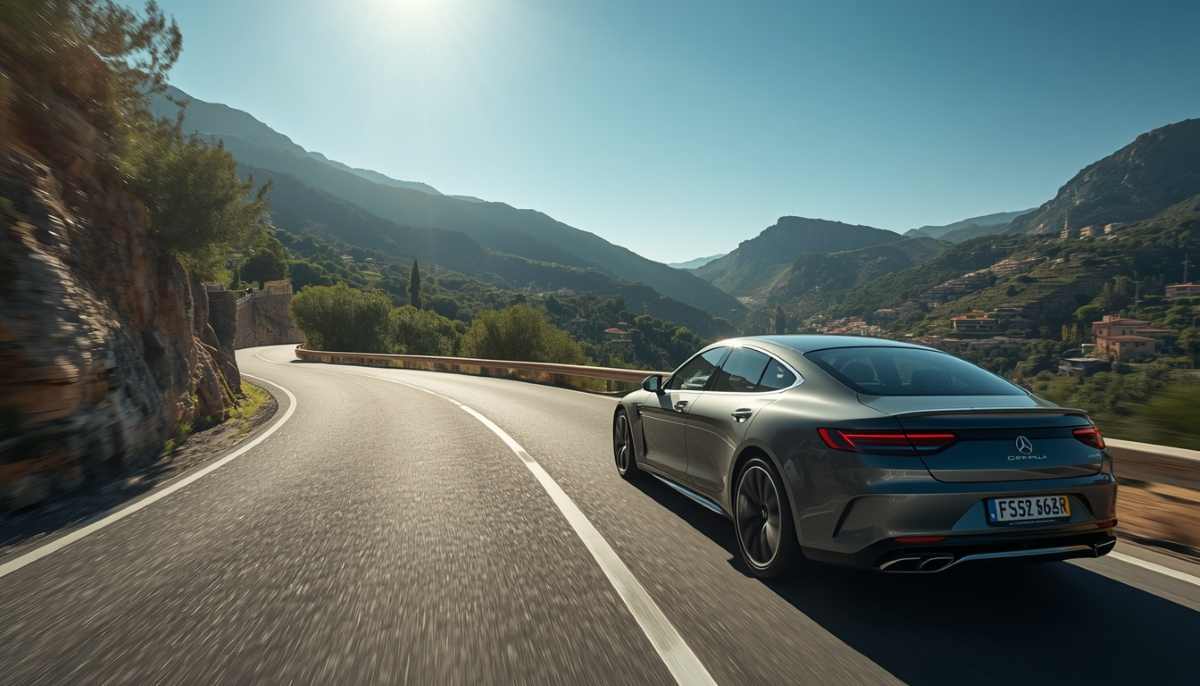
Image generated with Ai
The Mallorcan town of Sóller has established itself this summer of 2026 as the Spanish destination most visited by car by international tourists, according to an analysis of parking habits made by the mobility platform EasyPark and Arrive. This data is extremely important when planning your trip, as you will have to change your itinerary on the spot to avoid the crowds, especially in peak season. Understanding the use of private transport among foreign drivers, optimising routes, avoiding congestion and discovering alternative hidden gems, modern explorers can better understand the changing Mediterranean hotspots before booking their next European adventure.
Unpacking the 2026 Mobility Data: Why International Drivers Chose Sóller
Statistical insights gathered during the summer season reveal unprecedented automotive activity across the Balearic Islands. According to the collaborative findings published by EasyPark and Arrive, the volume of foreign drivers parking within the municipal boundaries of Sóller reached staggering heights, recording figures nearly four times higher than the second-ranked destination nationwide. This remarkable concentration of foreign-registered vehicles underscores a fundamental shift in how independent travellers choose to experience the Mediterranean.
- Top International Car Destinations: Sóller claimed the undisputed number one position, followed closely by Marbella in Málaga and Campos in Mallorca rounding out the top three, with Sant Feliu de Guíxols in Girona taking fourth place in the national ranking.
- Primary Source Markets: German motorists led the foreign demographic by a wide margin, utilizing digital parking infrastructure extensively. They were followed by significant influxes of travellers from France, Italy, the Netherlands, and Sweden, all opting for flexible cross-border and regional car rentals.
This surge highlights a broader European preference for independent road trips over rigid, pre-packaged tour groups. Visitors increasingly favour the freedom of renting private vehicles to navigate remote coastal enclaves and dramatic mountain passes at their own pace.
The Anatomy of a Road Trip Hotspot: Infrastructure and Accessibility
What draws millions of motorists to this specific corner of Mallorca? Geographical positioning plays a defining role. Nestled within a lush golden valley framed by limestone peaks, Sóller acts as the natural nexus of the Serra de Tramuntana. The expansion of high-speed digital toll systems, combined with seamless cross-border roaming agreements on mobility apps like EasyPark, has eliminated traditional administrative friction for foreign drivers.
Advertisement
Advertisement
Furthermore, the physical infrastructure connecting Palma to Sóller, featuring both the scenic mountain pass of the MA-11 and the underground tunnel, facilitates rapid transit. International tourists landing at Palma de Mallorca Airport frequently bypass traditional resort strips, heading straight to car rental hubs to secure vehicles capable of tackling hairpin turns and steep gradients. This autonomy allows travellers to curate bespoke itineraries, stopping spontaneously at secluded coves, rural agriturismos, and agricultural estates that remain entirely disconnected from standard public transit networks.
Managing Overtourism and Infrastructure Pressures in the Tramuntana Valley
The dramatic influx of private vehicles has inevitably triggered intensive local debates regarding urban carrying capacity and traffic management. Situated within the rugged contours of a delicate ecological landscape, Sóller’s historic layout faces severe logistical bottlenecks during peak summer months. Local municipal authorities have been forced to implement updated traffic schemes and Low Emission Zones (LEZs) designed to restrict central inner-city access strictly to authorised vehicles and local residents.
Advertisement
Advertisement
Over one thousand parking stalls have been designated exclusively for resident use to mitigate historical congestion and ensure community stability. Despite these proactive administrative adjustments, regional mobility councillors faced intense public scrutiny and local demonstrations concerning vehicle backups along primary access routes such as the MA-11 and surrounding approach roads. Urban planners argue that contemporary traffic routing successfully diverts peripheral volume away from fragile mediaeval alleyways, yet balancing open visitor access with resident quality of life remains a delicate ongoing challenge for the local council.
Frequently Asked Questions About Driving and Parking in Sóller
- Why is Sóller so popular with international drivers? The municipality serves as the primary gateway to the Serra de Tramuntana mountains and features iconic coastal scenery, combining modern accessibility with traditional Mallorcan architecture that appeals heavily to road-tripping Europeans.
- How do parking apps like EasyPark function in Sóller? Digital platforms allow foreign motorists to manage municipal parking tariffs, monitor regulated blue zones (O.R.A.), and process local parking regulations seamlessly through smartphone applications without needing physical coins or navigating local parking meters in foreign languages.
- Are there restrictions for driving into the town centre? Yes. Recent urban interventions have established Low Emission Zones and protected resident-only parking sectors to curb inner-village gridlock, enhance pedestrian safety, and lower carbon emissions across the historic quarter.
Strategic Takeaways for Future Travellers
Travellers to the Balearic archipelago should expect more restrictive urban vehicle regulations and be smarter about parking to avoid the administrative penalty box. By parking outside the restricted historic core in perimeter parking lots, the tranquil village atmosphere that initially attracts millions of global admirers to the valley is preserved and municipal environmental bylaws are met. Future itineraries should aim for early morning arrivals, pre-booked digital parking allotments, and respect for local pedestrian zones to support sustainable tourism initiatives.
Advertisement
Advertisement
Advertisement
