
Kuwait Airport Crisis Sends Shockwaves Across Global Travel as Iranian Attacks Trigger Flight Suspensions, Gulf Aviation Chaos and Urgent Passenger Warnings

Published
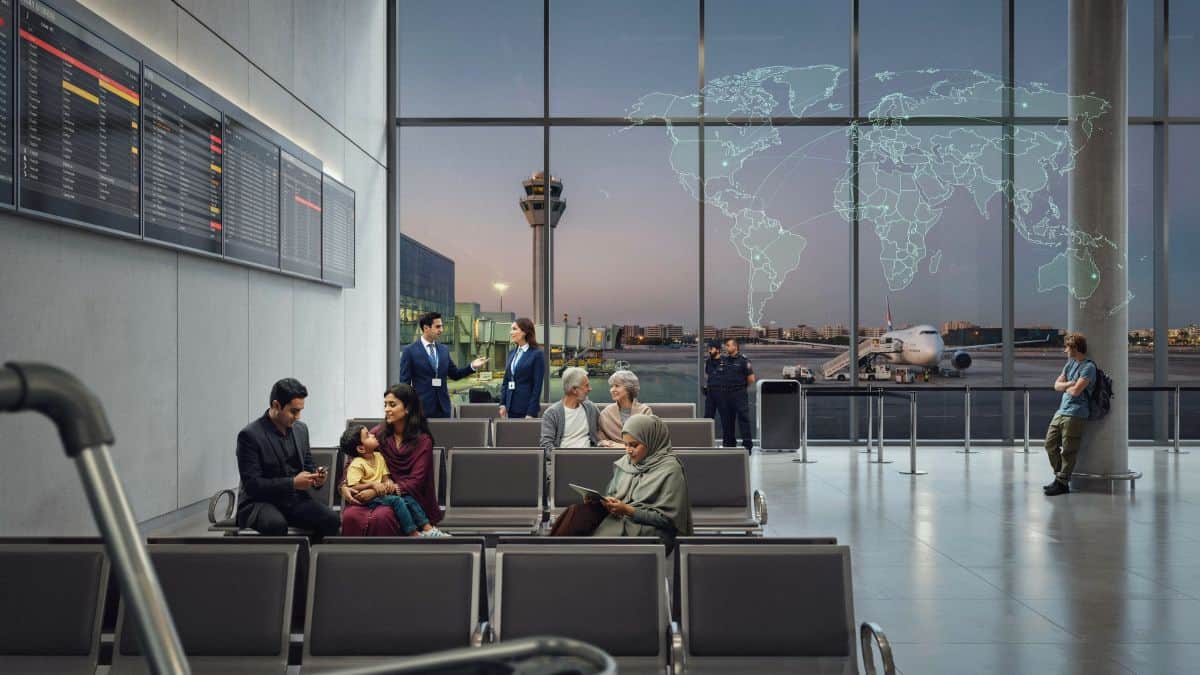
Image generated with Ai
Kuwait has entered a period of major aviation disruption after security concerns linked to Iranian attacks forced changes in flight operations and increased pressure on Gulf air travel. Kuwait International Airport became the centre of attention as authorities and airlines responded to a rapidly changing security situation. The disruption has affected passengers, airlines and regional connectivity across the Middle East.
The incident highlights how quickly geopolitical tensions can impact global aviation. Thousands of flights pass through the Gulf every week, connecting Europe, Asia, Africa and North America. Any threat in this region can create delays, cancellations and route changes far beyond Kuwait.
Advertisement
Advertisement
Kuwait faces aviation disruption as security concerns grow
Kuwait International Airport is one of the most important aviation gateways in the Gulf. It connects Kuwait with major international destinations and supports tourism, business travel and economic activity.
Following rising regional tensions involving Iran, aviation authorities increased security measures and reviewed flight operations. Safety became the top priority as officials assessed risks linked to military activity near civilian air routes.
Advertisement
Advertisement
The European Union Aviation Safety Agency (EASA) issued conflict-zone guidance highlighting increased risks in parts of the Middle East. The agency warned airlines about possible threats from military activity, including missile and drone operations, which could affect civilian aircraft safety.
Airlines operating in the region are required to review their routes carefully. They must consider security conditions, airspace restrictions and operational risks before continuing normal services.
Advertisement
Advertisement
The situation has created uncertainty for passengers travelling through Kuwait and other Gulf aviation hubs.
Why Kuwait flights were affected after Iranian attacks
Commercial aviation depends on a stable and secure environment. When military activity increases near flight paths, authorities may restrict operations as a precaution.
The suspension or disruption of flights from Kuwait was linked to concerns about:
- Regional military activity.
- Possible missile and drone threats.
- Civilian aircraft safety.
- Airport security conditions.
- Airspace availability.
Aviation authorities do not take flight suspensions lightly. Every decision affects thousands of passengers and creates financial pressure for airlines. However, protecting passengers and crew remains the highest priority.
International aviation organisations continue to monitor developments across the Gulf because the region plays a critical role in global air connectivity.
Kuwait International Airport becomes a key travel concern
Kuwait International Airport serves as the main international airport for the country. It handles passenger flights, cargo services and connections between Kuwait and global markets.
Advertisement
Advertisement
When airport operations are affected, passengers can experience:
- Cancelled flights.
- Delayed departures.
- Arrival disruptions.
- Flight diversions.
- Schedule changes.
- Rebooking requirements.
Kuwait Airways and other airlines operating from the airport have advised passengers to check official flight updates before travelling.
Travellers should not rely on old schedules because flight timings can change quickly during security emergencies.
Passengers affected by disruptions should contact their airline directly for:
- New departure information.
- Alternative flight options.
- Refund policies.
- Rebooking support.
Gulf aviation faces wider impact from regional instability
The Kuwait disruption is not only a local aviation issue. It affects the wider Middle East travel network.
The Gulf region is one of the busiest aviation corridors in the world. Airlines use Gulf airspace to connect passengers between continents.
Advertisement
Advertisement
A disruption in Kuwait can influence:
- International flight routes.
- Airline schedules.
- Passenger connections.
- Cargo movement.
- Travel planning.
Many global airlines operate flights through or near the Gulf. Any airspace restrictions can force aircraft to take longer routes, increasing fuel costs and operational challenges.
The situation shows how closely connected modern aviation has become. A security event in one country can quickly affect travellers thousands of kilometres away.
Airlines increase safety checks and review flight routes
Airlines have strict procedures for operating during periods of regional tension. They work closely with aviation authorities to decide whether routes remain safe.
Before operating flights, airlines review:
- Airspace conditions.
- Security intelligence.
- Airport readiness.
- Communication systems.
- Alternative routing options.
Some airlines may choose longer flight paths to avoid sensitive areas. While this can increase travel time and operating costs, it helps maintain passenger safety.
Advertisement
Advertisement
EASA has advised airlines to conduct careful risk assessments when operating near conflict zones. The agency continues to provide safety guidance as regional conditions develop.
What travellers flying to Kuwait should do now
Passengers planning to travel through Kuwait should take extra precautions.
The first step is to check flight information directly with the airline before leaving home.
Travellers should:
- Confirm their flight status.
- Arrive early if operations continue.
- Monitor official airport updates.
- Keep flexible travel plans.
- Follow instructions from airline and airport staff.
Passengers should avoid travelling to the airport without confirmation because schedules may change at short notice.
Travellers should also monitor government travel advice from their own country. Official guidance provides the latest information about safety conditions and possible restrictions.
Advertisement
Advertisement
Kuwait travel disruption creates economic pressure
Aviation is a major part of Kuwait’s economy. The airport supports tourism, business connections, trade and international investment.
Extended flight disruption could affect:
- Visitor arrivals.
- Business travel.
- Airline revenues.
- Airport operations.
- Regional tourism confidence.
The Middle East has experienced rapid growth in aviation and tourism in recent years. Gulf airports have invested heavily in becoming global connection points.
However, regional instability remains one of the biggest challenges for aviation growth.
Airlines must balance commercial operations with safety responsibilities.
Global aviation learns new lessons from Gulf crisis
The Kuwait airport disruption shows the growing importance of aviation security planning.
Advertisement
Advertisement
Modern airlines must prepare for many challenges, including:
- Military conflicts.
- Airspace closures.
- Extreme weather.
- Cyber threats.
- Security emergencies.
Technology and international cooperation now play a major role in protecting passengers.
Aviation authorities continue working with airlines, governments and security agencies to maintain safe travel routes.
The Kuwait situation also reminds travellers that international journeys can be affected by events far beyond their destination.
Future of Kuwait flights depends on security developments
The return of normal flight operations will depend on regional security conditions and official assessments.
Authorities will continue monitoring the situation and adjusting aviation measures when necessary.
Advertisement
Advertisement
For travellers, the most important message is clear: stay informed, follow official guidance and check airline updates before every journey.
Kuwait remains an important aviation hub, but current events show that safety decisions can quickly reshape international travel.
The disruption caused by Iranian attacks has placed Gulf aviation under intense attention, making Kuwait one of the most closely watched travel points in the Middle East. As airlines and authorities respond, passenger safety remains at the centre of every decision.
Advertisement
