
Hungary Tourism Surges in Summer 2026 as Longer Visitor Stays Boost Accommodation Growth Despite Arrival Dip

Published
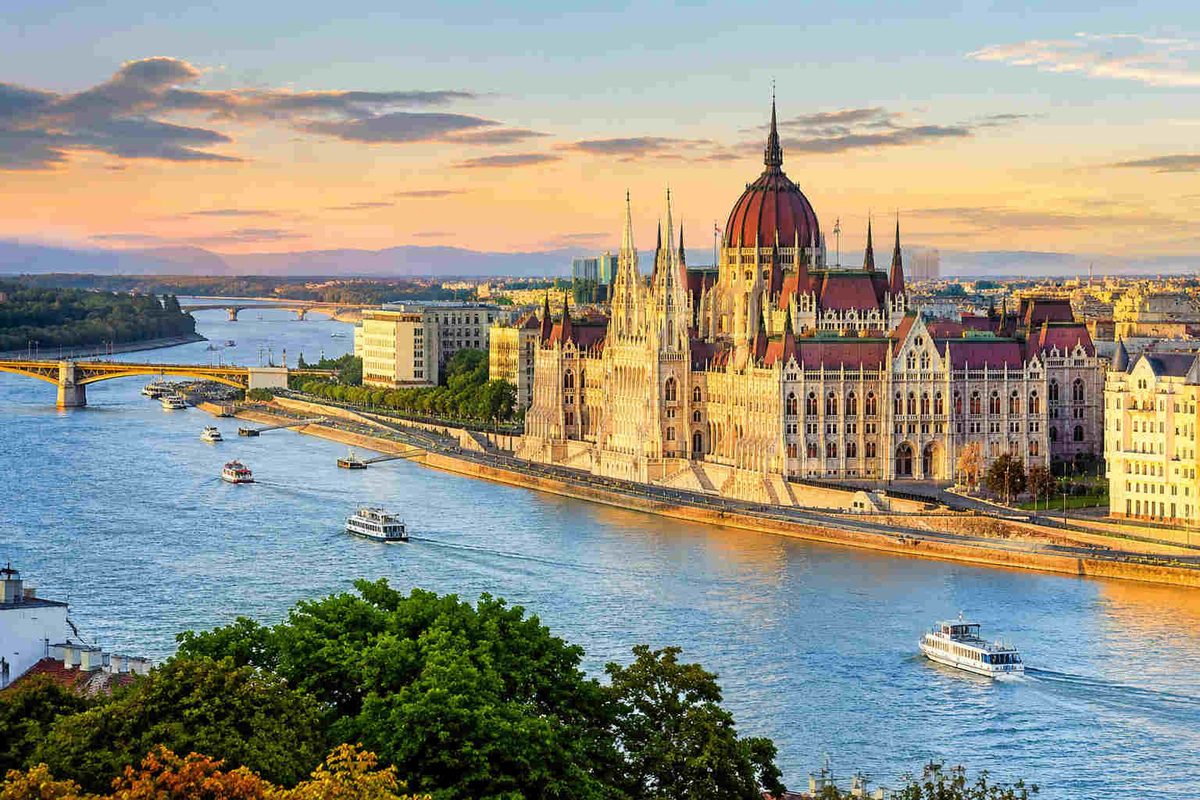
Image generated with Ai
The tourist segment in Hungary showed a constant progress during July with 2.5 million people being hosted for about 6.7 million tourist nights, showing that there was a relatively stable summer season with a slight drop in the number of arrivals. According to the data, although there was a small reduction in the number of total arrivals (-0.4%), there was a rise in the number of tourist nights (+0.3%).
Seasonally adjusted figures revealed a stronger performance, with guest arrivals rising by 0.4% and overnight stays increasing by 2% compared with July 2025. The figures highlight a changing travel pattern in Hungary, where fewer visitors in some segments were balanced by longer stays and stronger demand across selected destinations.
Commercial accommodation providers remained the main driver of Hungary’s tourism activity during the peak summer month. These establishments hosted around two-thirds of all visitors, recording a 3.9% increase in arrivals compared with the same period last year. Meanwhile, private and alternative accommodation facilities experienced a decline, with arrivals dropping by 8.2%.
Domestic Tourism Shows Growth Despite Shorter Stays Across Hungary
Domestic travellers continued to play a major role in Hungary’s summer tourism performance. Nearly 1.4 million Hungarian residents travelled within the country during July, producing approximately 3.8 million overnight stays at accommodation establishments.
Advertisement
Advertisement
Domestic arrivals increased by 0.8% year-on-year, showing continued interest among residents in exploring local destinations. However, domestic tourism nights declined by the same percentage, suggesting that Hungarian travellers slightly reduced the average length of their holidays.
Advertisement
Advertisement
Commercial accommodation facilities recorded particularly strong domestic demand, welcoming around 870,000 local visitors who generated nearly 2.4 million overnight stays. Hotels remained the preferred choice among domestic travellers, accounting for 64% of arrivals recorded at commercial properties.
Regional tourism trends showed significant differences across Hungary. The Bük and Sárvár tourism region experienced the strongest growth in domestic arrivals, increasing by 9.3% compared with the previous year. The region’s wellness facilities, thermal attractions and family-friendly experiences continued to attract Hungarian visitors during the summer season.
In contrast, the Szeged tourism region recorded the largest decline in domestic arrivals, falling by 3.3%. Budapest also experienced a decrease of 2.8% in domestic visitors, while the Lake Balaton area achieved modest growth, with domestic arrivals rising by 1.8%.
Advertisement
Advertisement
The figures demonstrate that domestic tourism demand remained resilient, although traveller preferences continued shifting towards shorter and more targeted holiday experiences.
International Visitors Extend Their Hungarian Holidays Despite Arrival Decline
Foreign tourism in Hungary showed a mixed performance in July, with fewer international arrivals but stronger overnight demand. International guest numbers declined by 1.9% compared with the previous year, while foreign tourism nights increased by the same percentage.
Advertisement
Advertisement
The results indicate that international travellers who visited Hungary tended to stay longer, contributing additional value to the tourism economy despite lower arrival numbers.
Nearly 1.1 million international visitors stayed at Hungarian accommodation establishments during July, generating around 2.9 million overnight stays. Commercial accommodation facilities welcomed approximately 775,000 foreign guests and recorded nearly 1.9 million international tourism nights.
Hotels remained the dominant choice among overseas travellers, accounting for around 75% of foreign arrivals at commercial accommodation facilities. This continued preference highlights the importance of Hungary’s hotel sector in attracting international visitors seeking comfort, accessibility and centrally located accommodation options.
However, private and alternative accommodation providers faced greater pressure from weaker foreign demand. International arrivals at these properties declined by 17% compared with the previous year.
Regional performance varied significantly among Hungary’s most popular destinations. The Greater Budapest tourism region recorded the strongest increase in foreign arrivals, rising by 12%. Budapest’s role as a major European city-break destination continued to support international demand, although the capital itself recorded a 3% decline in foreign arrivals.
Advertisement
Advertisement
Lake Balaton, one of Hungary’s most recognised holiday regions, experienced a 5.2% drop in international arrivals. Tourism authorities noted that fewer visitors from neighbouring Slovakia, Germany and Czechia travelled to the lake region compared with the previous year.
The Szeged tourism region faced the sharpest decline among major destinations, with international arrivals falling by 18%.
Hungary’s Accommodation Sector Records Higher Revenue During Summer Peak
Despite uneven visitor trends, Hungary’s tourism businesses achieved stronger financial results in July. Accommodation establishments generated gross revenue of HUF 148.1 billion, representing a 5.8% increase at current prices compared with the previous year.
The rise in revenue reflected higher spending levels, longer stays among international visitors and continued demand for commercial accommodation services.
The government-supported Széchenyi Recreation Card also contributed to domestic tourism activity. Spending through the card at accommodation establishments reached nearly HUF 7.4 billion during July, marking a 1.1% increase compared with the previous year.
Advertisement
Advertisement
The growth in accommodation revenue demonstrates that Hungary’s tourism industry continued to benefit from strong seasonal demand, even as visitor numbers changed across different market segments.
A total of 35,314 accommodation establishments operated across Hungary during July. This included 2,958 commercial accommodation providers and 32,356 private or alternative accommodation facilities, reflecting the country’s diverse tourism infrastructure.
Hungary Tourism Records Positive Growth During First Seven Months of 2026
The tourism sector maintained overall stability during the first seven months of the year. Between January and July, Hungarian accommodation establishments recorded nearly 10.8 million guest arrivals, representing a 0.7% increase compared with the same period in 2025.
Domestic tourism provided an important foundation for growth, with Hungarian arrivals increasing by 1.9% to approximately 5.5 million visitors.
International tourism showed a slightly weaker performance during the same period. Foreign arrivals declined by 0.5%, reaching nearly 5.3 million visitors. However, the July figures suggest that international travellers are increasingly choosing longer stays, helping offset the impact of lower arrival numbers.
Advertisement
Advertisement
Hungary’s tourism market continues to adapt to changing travel behaviour, with domestic demand remaining strong and international visitors focusing on deeper experiences rather than shorter visits. Budapest, Lake Balaton, wellness regions and cultural destinations remain central to the country’s tourism appeal.
The latest figures indicate that Hungary’s tourism sector is entering the second half of the year with stable foundations, supported by higher accommodation revenues, resilient domestic travel and longer stays from overseas guests. As global travel patterns continue to evolve, Hungary’s ability to attract visitors while encouraging extended stays will remain a key factor in maintaining tourism growth.
Advertisement
