Somudranil Sarkar Somudranil Sarkar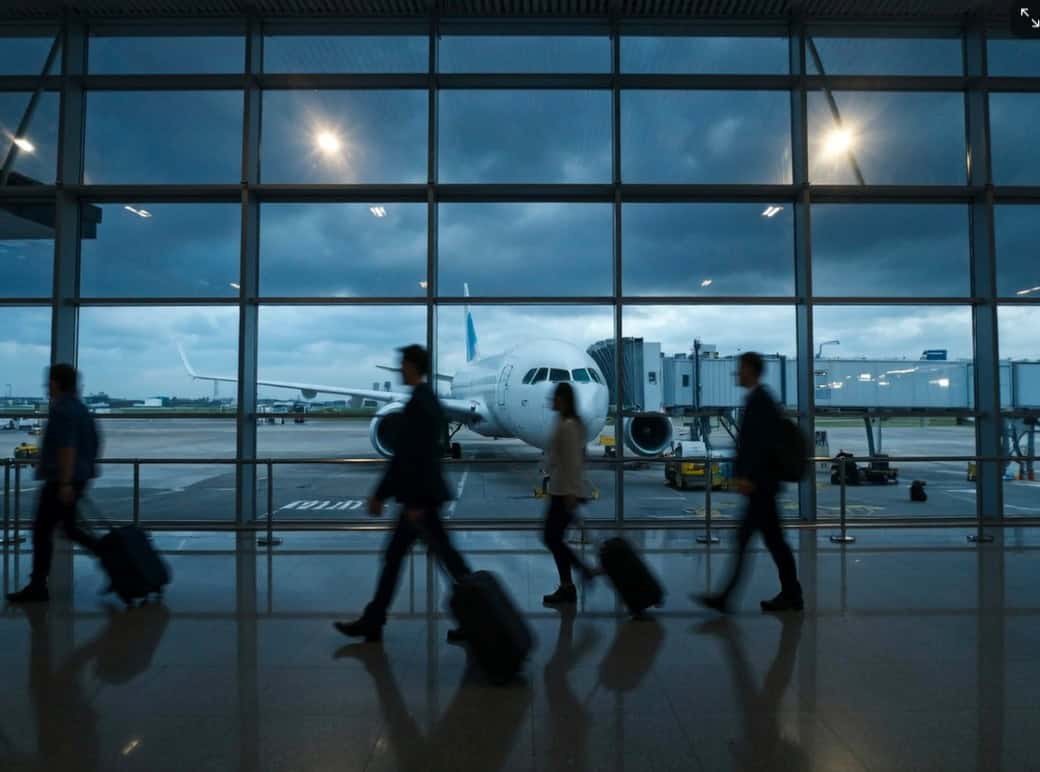
Image generated with Ai
Miami tourism and Orlando tourism have entered an unprecedented period of growth following the FIFA World Cup 2026 Group C match between Brazil and Scotland at Hard Rock Stadium. Verified aviation and tourism reports have confirmed that the highly anticipated fixture, played on June 24, 2026, generated one of the largest international travel surges ever experienced across South Florida. The event attracted an extraordinary influx of visitors from South America and Europe, pushing airlines, airports, hotels, luxury transport providers, and regional transit systems to near-maximum capacity.
The remarkable increase in international arrivals has extended well beyond Miami, with Orlando emerging as a major gateway for football supporters travelling across Florida. The combination of international aviation demand, premium accommodation bookings, organised supporter movements, and regional transportation networks has transformed both cities into the centre of one of the busiest travel periods of the year.
The successful hosting of the Group C encounter has also reinforced Florida’s importance as a global sporting destination while demonstrating the powerful influence that international football tournaments continue to have on tourism, aviation, hospitality, and local economies.

Image generated with Ai
The FIFA World Cup 2026 has continued generating substantial economic benefits for host regions across North America, and Florida has become one of the tournament’s most active tourism markets.
Advertisement
The Group C fixture between Brazil and Scotland was widely regarded as one of the tournament’s marquee matches, attracting supporters from multiple continents. The presence of Brazil, one of international football’s most celebrated teams, combined with Scotland’s loyal travelling supporters, resulted in exceptionally strong travel demand well before match day.
Hotels throughout Miami and neighbouring destinations experienced extremely high occupancy levels, while visitor spending expanded across restaurants, entertainment venues, retail outlets, transportation providers, and tourism attractions.
The scale of international demand highlighted the significant role that global sporting events continue to play in stimulating regional tourism growth.

Image generated with Ai
South Florida’s aviation sector experienced one of its busiest operating periods leading up to the match.
International airports serving the region accommodated extraordinary passenger volumes as supporters arrived from Europe and South America to attend the fixture.
Private aviation also experienced exceptional growth. Luxury charter operators, including Skyservice, recorded substantial increases in bookings as affluent travellers selected premium aviation services to reach South Florida.
Miami Opa-locka Executive Airport (OPF) and Fort Lauderdale-Hollywood International Airport (FLL) handled significant levels of private aircraft activity, reflecting strong demand among corporate travellers, sports executives, celebrities, and luxury visitors.
Commercial aviation experienced similar pressure as international flights arriving at Miami International Airport (MIA) and Orlando International Airport (MCO) reached near-total capacity.
Routes connecting Florida with major European gateways, particularly Edinburgh and London, together with numerous South American cities, experienced exceptionally strong passenger demand throughout June.
The sharp increase in bookings also contributed to substantial airfare increases as premium summer travel coincided with one of the most anticipated fixtures of the tournament.
Although the match took place in Miami, Orlando became an equally important component of Florida’s tourism success.
Many international visitors selected Orlando as their primary accommodation base before travelling south for the match, allowing football supporters to combine major sporting experiences with Central Florida’s established tourism attractions.
Tour operators throughout Orlando organised dedicated travel programmes specifically designed for supporters attending the World Cup.
Among the most visible initiatives was the large supporter gathering organised by The Lucky Leprechaun Irish Pub, where extensive Tartan Army fan zones welcomed Scottish supporters before organised coach services transported thousands of visitors directly to Hard Rock Stadium.
This coordinated movement of supporters demonstrated how multiple Florida destinations benefited simultaneously from the international sporting event.
Rather than concentrating tourism exclusively within Miami, the tournament encouraged visitor spending throughout Central Florida while extending average travel itineraries across several destinations.
Florida’s transportation infrastructure played an essential role in supporting the unprecedented movement of visitors throughout the state.
Large numbers of football supporters utilised the Brightline intercity rail service to travel efficiently between Orlando and Miami, avoiding significant highway congestion created by increased visitor traffic.
The Tri-Rail commuter network also provided convenient regional connections throughout South Florida, enabling visitors to move comfortably between airports, hotels, entertainment districts, and the stadium.
These transportation services became vital components of Florida’s overall tourism operation during one of the busiest periods of the summer season.
Efficient regional mobility contributed to a smoother visitor experience while reducing pressure on road infrastructure and private vehicle traffic.
The atmosphere surrounding Hard Rock Stadium reflected the extraordinary international interest generated by the Brazil and Scotland encounter.
More than 65,000 spectators filled the venue as football supporters created one of the tournament’s most vibrant matchday environments.
Demand for tickets remained exceptionally high throughout the weeks leading to the fixture.
Entry-level resale tickets increased dramatically, with average prices ranging between 3,500 dollars and 5,445 dollars.
Premium hospitality suites achieved even higher values, with luxury packages reaching approximately 25,800 dollars as corporate clients and affluent visitors sought exclusive viewing experiences.
The strong ticket market demonstrated the enormous commercial value associated with FIFA World Cup matches featuring globally recognised national teams.
The excitement generated by the match extended well beyond Hard Rock Stadium itself.
Many supporters who were unable to obtain tickets participated in officially sanctioned public viewing events organised throughout Miami.
Large giant-screen broadcasts attracted tens of thousands of spectators to Miami Beach, particularly at The Bandshell, while Bayfront Park became another major gathering point for football supporters.
Supporters dressed in Brazil’s distinctive gold and green colours created vibrant festival-like atmospheres across the city, transforming public spaces into large international fan celebrations.
These events expanded the economic benefits of the tournament by encouraging spending at nearby restaurants, hotels, entertainment venues, retailers, and transportation providers.
The widespread participation demonstrated how international sporting events can stimulate tourism activity even among visitors who do not enter the stadium itself.
The sporting contest fulfilled the expectations surrounding one of the tournament’s most anticipated fixtures.
Brazil delivered an impressive performance by defeating Scotland 3-0 before a capacity crowd at Hard Rock Stadium.
Goals from Vinícius Júnior and Matheus Cunha secured a convincing victory while confirming Brazil’s position as Group C winners.
The result ensured the five-time world champions progressed confidently into the Round of 32, maintaining their status among the strongest contenders for the FIFA World Cup 2026 title.
The victory also generated continued celebrations among Brazilian supporters who had travelled from across South America, Europe, and numerous other international markets.
The momentum created by the Brazil and Scotland match is expected to continue throughout the remainder of the tournament.
Hard Rock Stadium is already preparing to host another high-profile FIFA World Cup fixture when Portugal faces Colombia in a sold-out Group K match scheduled for June 27.
The upcoming encounter is expected to generate another significant influx of international visitors while sustaining exceptionally high demand across Florida’s aviation, accommodation, hospitality, and transportation sectors.
Hotels, airlines, regional transit providers, restaurants, and tourism businesses are therefore expected to continue operating at elevated capacity as football supporters arrive for subsequent World Cup matches.
The extraordinary travel activity generated by the FIFA World Cup 2026 has demonstrated the enormous influence of international sporting events on tourism and aviation.
Miami and Orlando have both benefited from increased international visibility, stronger visitor spending, record aviation demand, and expanded regional tourism activity.
The seamless coordination between airports, transport providers, accommodation operators, and event organisers has reinforced Florida’s reputation as a destination capable of successfully hosting major global sporting events.
As additional FIFA World Cup matches continue attracting international audiences throughout the tournament, the state is expected to maintain its historic tourism momentum while strengthening its long-term position within the global sports tourism industry.
Advertisement
Tags: Brazil vs Scotland, FIFA World Cup 2026, florida travel, Hard Rock Stadium, Miami International Airport
Advertisement
Advertisement













Friday, September 4, 2026

Friday, September 4, 2026

Friday, September 4, 2026

Thursday, September 3, 2026

Wednesday, September 2, 2026
Friday, September 4, 2026
Friday, September 4, 2026