
Australia Cruise Travel Shift as Cairns Port Dredging Begins After Townsville Receives Diverted Ships

Updated
Published
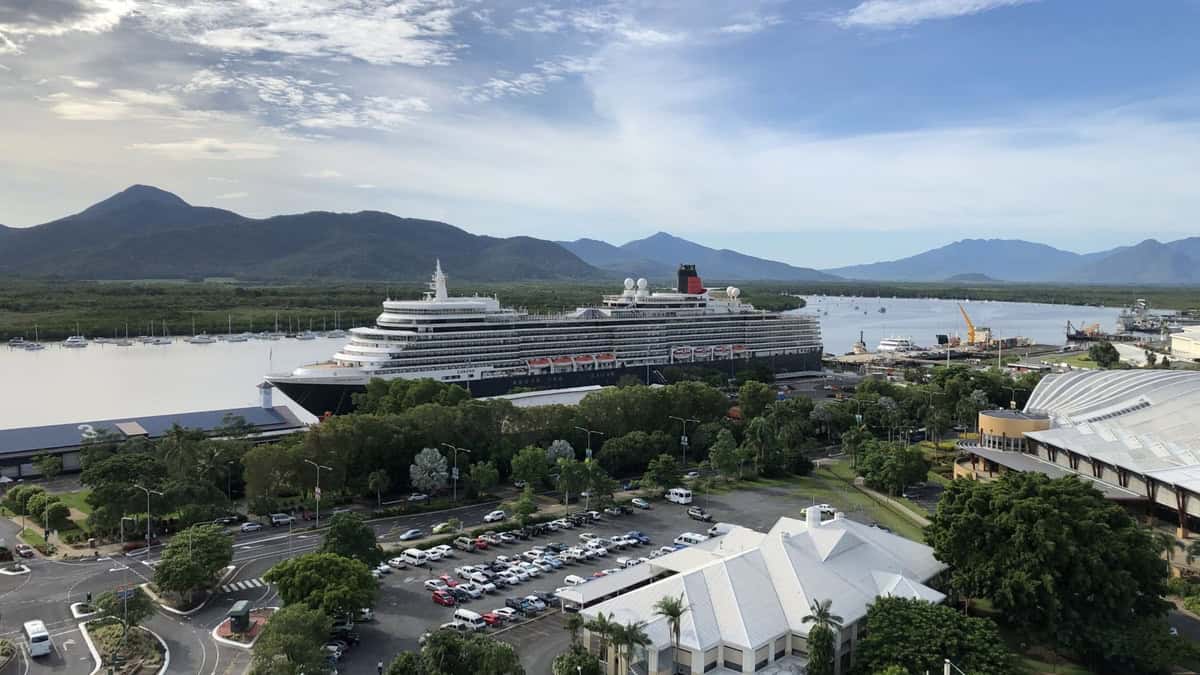
Australia’s cruise tourism network is facing a major infrastructure test as Cairns works to restore navigation reliability after channel depth restrictions affected large cruise vessel access. The issue has placed new attention on the importance of port maintenance, sustainable dredging and regional cruise resilience. Cairns remains the key gateway for Great Barrier Reef cruise experiences, while Townsville has emerged as an important alternative port after receiving diverted cruise operations. The development highlights a wider global travel trend: destinations must upgrade maritime infrastructure to support larger ships and growing international cruise demand.
Cairns Cruise Disruption Reveals Australia’s Hidden Port Infrastructure Challenge
The latest situation at the Port of Cairns is not only a short-term cruise scheduling issue. It represents a wider challenge facing tourism destinations that depend on maritime access.
Cairns has built its international reputation as one of Australia’s leading gateways to the Great Barrier Reef, attracting cruise passengers seeking access to marine tourism, island experiences and tropical attractions.
However, the reliability of this tourism model depends on maintaining a navigation channel capable of handling modern cruise vessels.
Advertisement
Advertisement
According to Ports North, maintenance dredging is a long-established operational requirement at the Port of Cairns because natural sediment movement affects channel depths over time. The port operator maintains long-term dredging plans to support safe navigation while managing environmental responsibilities.
Advertisement
Advertisement
The latest disruption has highlighted a new travel industry question: can regional cruise destinations keep pace with increasingly larger vessels without creating operational uncertainty?
Why Cairns Channel Depth Matters For Great Barrier Reef Cruise Tourism
The Port of Cairns is strategically important because it connects international cruise passengers with Far North Queensland’s tourism economy.
The destination depends heavily on smooth cruise operations because passengers contribute to multiple tourism sectors, including:
Advertisement
Advertisement
| Tourism Segment | Impact From Cruise Access |
|---|---|
| Reef excursions | Supports boat operators and marine tourism businesses |
| Local attractions | Drives visitor spending beyond the port |
| Transport services | Creates demand for coaches, transfers and local mobility |
| Hospitality | Supports hotels, restaurants and tourism suppliers |
| Regional employment | Strengthens jobs linked to visitor activity |
The challenge comes from the natural geography of Trinity Inlet. The port requires regular maintenance because sediment accumulation can reduce navigational depth.
Queensland Government transport documentation has previously identified that Cairns requires ongoing maintenance dredging because sediment naturally moves into the port area.
Advertisement
Advertisement
This means the current situation is not simply a one-time disruption. It is part of a continuing infrastructure management challenge for one of Australia’s most important nature-based tourism gateways.
Townsville Gains Strategic Importance As Cruise Backup Gateway
While Cairns remains the primary destination affected, Townsville has become directly connected to the story because diverted cruise operations demonstrated the importance of alternative regional ports.
Townsville’s ability to accommodate additional cruise activity shows how regional port networks can provide flexibility when another destination experiences operational pressure.
The development creates a broader discussion about Australia’s cruise infrastructure model. Instead of relying on individual ports, the industry may increasingly need stronger regional cooperation between destinations.
| City | Role In The Cruise Story | Tourism Importance |
|---|---|---|
| Cairns | Primary affected cruise gateway | Great Barrier Reef access and tropical tourism hub |
| Townsville | Alternative operational port | Regional cruise resilience and North Queensland connectivity |
For travel operators, this highlights the importance of building flexible itineraries that can respond quickly to port access changes.
Advertisement
Advertisement
Sustainable Dredging Becomes Critical For Future Cruise Growth
The Cairns situation also brings attention to the balance between tourism expansion and environmental management.
Cairns is located near the Great Barrier Reef region, meaning port development and maintenance activities require strict environmental oversight.
Ports North operates under long-term dredging management frameworks designed to maintain navigation while monitoring environmental impacts.
The challenge for cruise destinations worldwide is becoming increasingly complex:
| Industry Pressure | Required Response |
|---|---|
| Larger cruise vessels | Deeper and more reliable navigation channels |
| Higher passenger demand | Stronger port capacity planning |
| Environmental sensitivity | More advanced monitoring systems |
| Climate-related coastal changes | Long-term adaptation strategies |
For Australia, maintaining access to destinations such as Cairns requires a careful balance between tourism growth and protection of sensitive marine environments.
Advertisement
Advertisement
Cairns Shipping Development Shows Long-Term Cruise Ambition
The current dredging issue comes as Cairns continues to position itself for future cruise growth.
The Queensland Government’s Cairns Shipping Development Project was designed to improve access for larger vessels, including cruise ships, through channel upgrades and port improvements.
The project reflects a long-term strategy to strengthen Cairns as an international cruise destination rather than only a regional stop.
Ports North has also stated that the project supports future cruise shipping opportunities and improved access for larger vessels.
This creates a significant industry lesson: expanding cruise capacity requires not only terminal investment but also continuous investment in navigation infrastructure.
Advertisement
Advertisement
What This Means For International Travellers And Cruise Operators
For travellers, the immediate impact is mainly operational rather than a broader tourism restriction.
Visitors planning Great Barrier Reef cruise holidays should understand that:
- Port schedules can change due to maritime conditions.
- Alternative arrival points may be used during infrastructure works.
- Cruise companies may adjust itineraries to maintain passenger safety and operational efficiency.
- Regional ports can play an increasingly important role in supporting cruise continuity.
For travel agents and tour operators, this development provides important planning lessons.
| Business Area | Recommended Action |
|---|---|
| Cruise packages | Monitor updated port schedules before confirming itineraries |
| Customer communication | Explain possible regional port adjustments |
| Local tours | Maintain flexible arrangements with suppliers |
| Group travel | Prepare alternative transport and excursion options |
| Luxury cruise planning | Consider infrastructure reliability when selecting routes |
Operational Takeaways For Travel Agents And Tour Operators
- Monitor Cairns Port operational updates before confirming cruise-linked packages.
- Maintain flexible excursion arrangements for North Queensland itineraries.
- Track alternative port options including Townsville for disruption planning.
- Communicate possible itinerary adjustments clearly with international travellers.
- Include infrastructure reliability as part of cruise destination risk assessment.
- Follow official maritime notices and port authority updates rather than relying on unofficial information.
Long-Term Outlook For Australia Cruise Tourism
The Cairns channel depth issue demonstrates a wider transformation taking place across global cruise tourism. As ships become larger and travellers seek more remote nature-based destinations, ports must continuously adapt.
For Australia, the future competitiveness of destinations such as Cairns will depend not only on natural attractions but also on the strength of supporting infrastructure.
Advertisement
Advertisement
The development reinforces an important travel industry trend: successful cruise destinations of the future will be those that combine environmental responsibility, operational reliability and long-term infrastructure planning.
Cairns remains a vital gateway to the Great Barrier Reef, while Townsville’s emerging role highlights the importance of connected regional tourism networks. Together, the two cities show how Australia’s cruise future will increasingly depend on resilient port systems capable of supporting global travellers.
Advertisement
