
Saudi Arabia Surpasses 2 Gulf Aviation Leaders As Saudia And Riyadh Air Challenge Dubai And Doha

Published
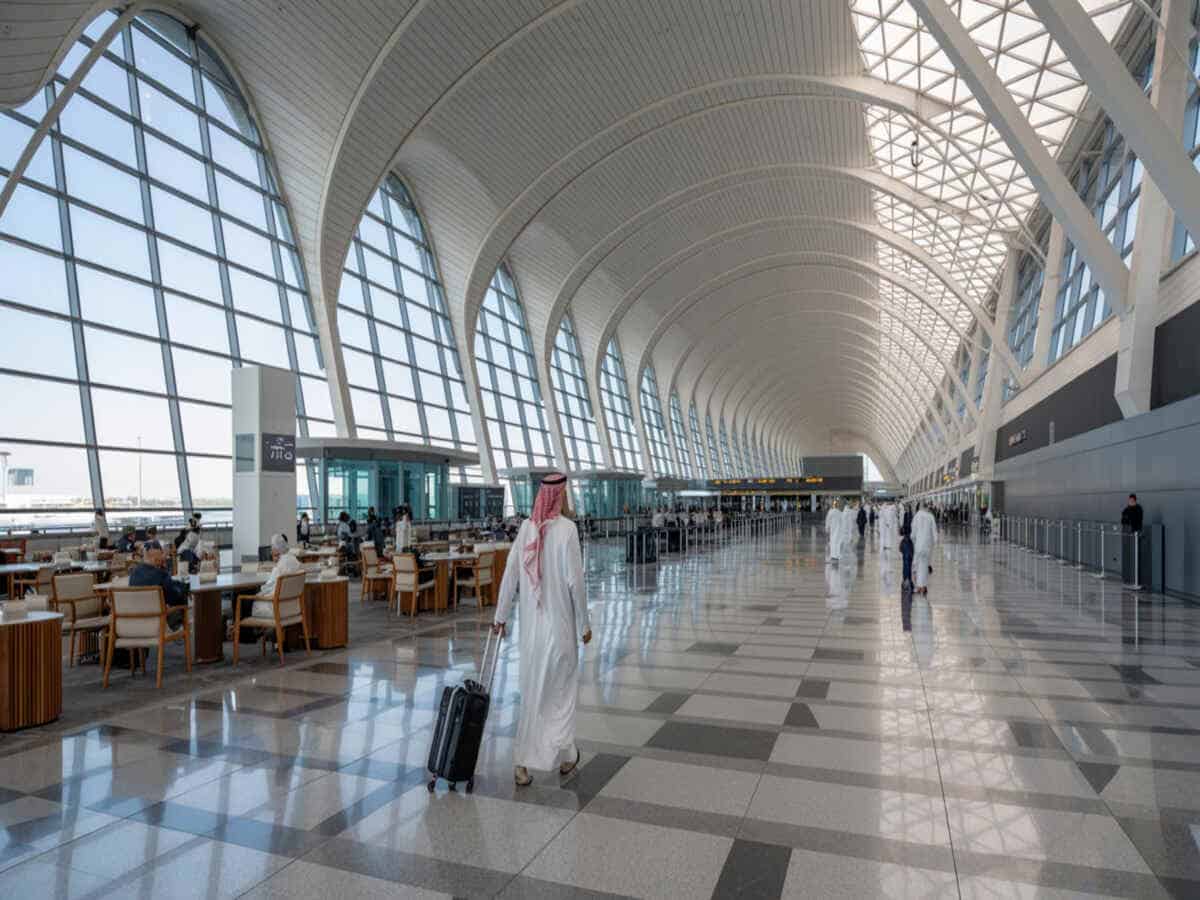
Image generated with Ai
Saudi Arabia emerges as a Gulf aviation power as Saudia and Riyadh Air leap past Dubai and Doha. Saudi Arabia is transforming the Middle East’s future as the kingdom works to accelerate the development of airlines, massive airport projects, and a burgeoning global network. As Saudia looks to expand its international reach, and Riyadh Air takes shape as a new challenger in the international aviation market, the kingdom of Saudi Arabia is set to grow from being just a holy Muslim destination into a major transportation hub and a competitor to the likes of Dubai and Doha.
For years, the aviation story of the Gulf region was dominated by two names. Dubai became synonymous with global air connectivity through Emirates, while Doha established itself as a premium international hub through Qatar Airways. However, Saudi Arabia is now creating a new aviation model built on a combination of domestic strength, international expansion, tourism growth and large-scale government investment.
Advertisement
Advertisement
The Kingdom’s aviation transformation is closely linked with Vision 2030, which aims to diversify the economy and position Saudi Arabia as a global destination for tourism, business and investment.
Saudi Arabia Creates A New Aviation Powerhouse In The Gulf
Saudi Arabia is rapidly building a new aviation powerhouse in the Gulf by leveraging its unique combination of market size, domestic travel demand and unmatched religious tourism strength. Unlike smaller regional aviation markets, the Kingdom benefits from a large population, extensive geographical connectivity needs and a growing appetite for air travel between its major cities. Millions of international visitors arrive every year for Hajj and Umrah, creating a steady flow of global aviation demand. At the same time, Saudi Arabia’s ambitious tourism transformation is attracting leisure travellers through emerging destinations, luxury developments and cultural experiences, opening new opportunities for airlines and airports to expand beyond traditional travel patterns.
Advertisement
Advertisement
Saudi Arabia is now combining several aviation growth engines:
Advertisement
Advertisement
- Domestic passenger demand.
- International route expansion.
- Religious tourism.
- Business travel.
- Luxury tourism.
- New airline investments.
This approach gives Saudi Arabia a broader aviation foundation compared with smaller Gulf markets.
The Kingdom is not only trying to become a transit location. It is building itself as a destination and a global gateway.
How Saudi Arabia Is Becoming A Middle East Aviation Leader
| Key Growth Area | Saudi Arabia’s Development | How It Helps Saudi Arabia Surpass UAE And Qatar | Aviation Impact |
|---|---|---|---|
| Vision 2030 Aviation Strategy | Aviation has become a major pillar of Saudi Arabia’s economic transformation strategy. The Kingdom is investing in airlines, airports, tourism and global connectivity. | Saudi Arabia is building aviation as part of a complete economic ecosystem, while UAE and Qatar already have mature aviation models focused mainly on international hubs. | Creates long-term growth and positions Saudi Arabia as a future global aviation centre. |
| Large Domestic Market | Saudi Arabia has the largest population in the Gulf region and a wide geographical area requiring strong air connectivity between cities. | The UAE and Qatar depend heavily on international transfer passengers, while Saudi Arabia benefits from both domestic and international demand. | Provides airlines with a strong passenger base and supports more routes. |
| Saudia Expansion | Saudi Arabia’s national carrier is expanding its global network and strengthening connections from Riyadh, Jeddah and Madinah. | Saudia helps Saudi Arabia attract direct international passengers instead of depending on Dubai or Doha connections. | Increases international connectivity and strengthens Saudi Arabia’s aviation presence. |
| Riyadh Air Launch | Riyadh Air is creating a second major Saudi airline focused on global connectivity and transforming Riyadh into an international aviation hub. | It directly challenges Emirates and Qatar Airways by creating a new Gulf aviation competitor. | Adds new capacity, new routes and a stronger global aviation network. |
| Multi-Airline Strategy | Saudi Arabia is developing a complete airline ecosystem including Saudia, Riyadh Air, flynas and flyadeal. | Multiple airlines allow Saudi Arabia to target luxury, business, religious and budget travellers. | Expands passenger capacity and increases market competition. |
| Religious Tourism Advantage | Saudi Arabia welcomes millions of Hajj and Umrah travellers visiting Makkah and Madinah. | This creates a unique aviation advantage that Dubai and Doha cannot match. | Provides consistent international passenger demand throughout the year. |
| Tourism Expansion | New destinations such as the Red Sea, AlUla, NEOM and entertainment projects are attracting global travellers. | Saudi Arabia is becoming both a destination and a connecting hub, while Dubai and Doha have traditionally focused more on transit traffic. | Creates new international flight demand. |
| Airport Transformation | Saudi Arabia is developing and upgrading major airports in Riyadh, Jeddah and other cities. | Large-scale airport investment allows Saudi Arabia to compete with Dubai International Airport and Hamad International Airport. | Provides capacity for future passenger growth. |
| King Salman International Airport | Riyadh is planned to become one of the world’s major aviation centres through a large airport development project. | Supports Saudi Arabia’s goal of creating a global hub similar to Dubai and Doha. | Creates future aviation capacity and strengthens Riyadh’s global position. |
| Riyadh As Aviation Hub | Saudi Arabia is shifting aviation focus towards Riyadh as a business, tourism and transport centre. | Challenges Dubai’s dominance as the region’s primary aviation gateway. | Attracts international airlines, companies and travellers. |
| Fleet Expansion | Saudi airlines are increasing aircraft capacity to support domestic and international growth. | Larger fleets allow Saudi Arabia to compete with established Gulf carriers. | More aircraft mean more destinations and higher passenger capacity. |
| Low-Cost Aviation Growth | Airlines such as flynas and flyadeal are expanding affordable travel options. | Creates a wider aviation market beyond premium passengers. | Encourages tourism, regional travel and higher passenger numbers. |
| Business Travel Growth | Riyadh’s economic expansion is increasing demand from international companies and investors. | Creates new aviation demand beyond tourism and transit passengers. | Supports more international routes and corporate travel. |
| Geographical Advantage | Saudi Arabia sits between Asia, Europe and Africa, offering strong connectivity potential. | The location allows Saudi airports to compete as international connecting points. | Supports future global route expansion. |
Saudi Arabia vs UAE vs Qatar: Aviation Leadership Comparison
| Country | Aviation Model | Main Strength | Current Position | Saudi Arabia’s Challenge |
|---|---|---|---|---|
| Saudi Arabia | Domestic + international growth model | Large population, tourism expansion, Saudia and Riyadh Air | Fast-growing aviation market | Building a new global aviation ecosystem |
| United Arab Emirates | Global transit hub model | Dubai International Airport and Emirates | One of the world’s strongest aviation centres | Saudi Arabia is creating a competing hub with a larger domestic market |
| Qatar | Premium international hub model | Qatar Airways and Doha | Major long-haul connecting centre | Saudi Arabia offers greater market scale and tourism potential |
How Airlines Are Helping Saudi Arabia Become An Aviation Leader
| Airline | Role | Contribution To Saudi Aviation Growth |
|---|---|---|
| Saudia | National flag carrier | Expands international connectivity, supports Hajj and Umrah travel, and connects Saudi Arabia with global markets. |
| Riyadh Air | New global airline | Designed to make Riyadh an international aviation hub and challenge major Gulf airlines. |
| flynas | Low-cost carrier | Supports affordable travel, tourism growth and regional connectivity. |
| flyadeal | Budget airline | Expands domestic and international routes and increases passenger accessibility. |
Why Saudi Arabia Has The Potential To Surpass Dubai And Doha
| Advantage | Saudi Arabia’s Benefit |
|---|---|
| Population Scale | Creates stronger domestic aviation demand compared with UAE and Qatar. |
| Religious Travel | Provides millions of guaranteed international travellers every year. |
| Tourism Projects | Creates new destinations requiring direct flights. |
| Government Investment | Allows rapid aviation expansion. |
| Multiple Airlines | Supports different traveller categories. |
| Airport Development | Creates future capacity for global aviation growth. |
| Economic Transformation | Links aviation with tourism, logistics and investment growth. |
Saudi Arabia’s aviation rise is being driven by a combination of Saudia’s international expansion, Riyadh Air’s global ambitions, airport development, tourism growth and Vision 2030 investment.
The UAE created a global aviation model through Dubai and Emirates. Qatar built a premium international network through Doha and Qatar Airways. Saudi Arabia is now creating a different model based on scale, domestic demand and rapid expansion.
The future of Middle East aviation is moving from a two-hub competition between Dubai and Doha into a three-way contest, with Riyadh emerging as the newest aviation powerhouse.tion allows Saudi Arabia to compete not only for transit passengers but also for travellers whose final destination is the Kingdom.
Advertisement
Advertisement
Saudia Leads Saudi Arabia’s Global Aviation Expansion
At the heart of Saudi Arabia’s aviation transformation is Saudia, the Kingdom’s national airline and one of the most important drivers of its global connectivity ambitions. For decades, the carrier has served as a vital bridge between Saudi Arabia and the world, with its network largely supported by millions of passengers travelling for Hajj and Umrah. However, Saudia is now undergoing a major transformation as the Kingdom shifts from a religious travel-focused aviation model towards a broader global strategy.
The airline is expanding beyond pilgrimage operations by strengthening international routes, increasing connectivity with major global markets and supporting the growth of tourism and business travel. Saudia is becoming a key tool in Saudi Arabia’s ambition to attract more international visitors, connect new destinations and reduce reliance on foreign aviation hubs. As the Kingdom develops into a global tourism and investment destination, Saudia’s expanding network is helping position Saudi Arabia as a stronger competitor to established Gulf aviation leaders such as the UAE and Qatar. Through fleet growth, improved services and wider international reach, Saudia is playing a central role in building Saudi Arabia’s future aviation powerhouse.
The airline is becoming an important tool for supporting:
- Tourism growth.
- International investment.
- Business connectivity.
- Global visitor arrivals.
Saudia is increasing connections between Saudi Arabia and major international markets across Asia, Europe, Africa and North America.
The airline’s expansion is helping reduce Saudi Arabia’s dependence on foreign aviation hubs. Travellers who previously connected through Dubai, Doha or other international airports can increasingly access Saudi cities directly.
Advertisement
Advertisement
Saudia’s role is therefore not only commercial. It is strategic.
The airline supports the Kingdom’s ambition to become a global aviation centre.
Riyadh Air Becomes The Biggest Challenge To Gulf Aviation Giants
The launch of Riyadh Air has emerged as one of the most significant developments in the Middle East aviation sector, marking Saudi Arabia’s strongest move yet to challenge established Gulf aviation leaders. Designed as a global carrier from its foundation, the airline reflects the Kingdom’s ambition to transform Riyadh into a world-class aviation capital and a major international gateway. Backed by Saudi Arabia’s Public Investment Fund, Riyadh Air is being developed to connect the Saudi capital with key destinations across the world while supporting the country’s wider Vision 2030 goals. By building a modern airline focused on global connectivity, advanced services and international expansion, Riyadh Air is positioning Riyadh as a new aviation hub capable of competing with Dubai and Doha.
Riyadh Air is expected to support:
- International tourism growth.
- Business travel expansion.
- Foreign investment.
- Global connectivity.
The airline is designed to compete with established Gulf aviation giants.
Advertisement
Advertisement
Emirates transformed Dubai into a global aviation centre.
Qatar Airways strengthened Doha’s international position.
Saudi Arabia now wants Riyadh Air to create the same impact for Riyadh.
The arrival of Riyadh Air has changed the competitive landscape of Gulf aviation. The region is no longer dominated by only Dubai and Doha.
Riyadh has entered the race.
Advertisement
Advertisement
Saudi Arabia Builds A Strong Multi-Airline Aviation Network
Another advantage for Saudi Arabia is its expanding airline ecosystem.
The Kingdom is not depending on a single carrier. Instead, it is developing multiple airlines serving different passenger segments.
Alongside Saudia and Riyadh Air, low-cost carriers such as flynas and flyadeal are increasing connectivity.
These airlines support:
- Affordable international travel.
- Regional connections.
- Tourism growth.
- Increased passenger volumes.
Low-cost aviation is particularly important because it allows Saudi Arabia to attract a wider range of visitors.
Advertisement
Advertisement
Budget travellers, families, young travellers and regional passengers can all contribute to aviation growth.
This creates a more balanced aviation market.
Saudi Airports Prepare For Global Aviation Competition
Saudi Arabia’s airline expansion is supported by one of the largest airport development programmes in the region.
Riyadh’s Aviation Transformation
Riyadh is becoming the centre of Saudi Arabia’s aviation ambitions.
The capital is expected to become a major business and tourism hub, supported by expanding airport facilities and the growth of Riyadh Air.
Advertisement
Advertisement
The development of King Salman International Airport represents one of Saudi Arabia’s most ambitious aviation projects.
The airport is designed to support future passenger growth and strengthen Riyadh’s position as a global aviation gateway.
Jeddah Strengthens Religious And Tourism Connectivity
Jeddah remains one of Saudi Arabia’s most important aviation cities.
Its importance comes from:
- Hajj passengers.
- Umrah visitors.
- International tourism.
- Red Sea developments.
King Abdulaziz International Airport continues to serve as a crucial gateway for millions of international visitors.
Advertisement
Advertisement
Dammam And Regional Airports Support Domestic Growth
Saudi Arabia’s eastern region and other cities are also benefiting from aviation expansion.
Improved connectivity between Saudi cities strengthens domestic tourism and creates more opportunities for international travellers.
Vision 2030 Turns Tourism Into An Aviation Engine
Saudi Arabia’s aviation growth cannot be separated from its tourism ambitions.
The Kingdom is investing billions into new destinations and attractions.
Major tourism developments include:
Advertisement
Advertisement
- Red Sea luxury resorts.
- AlUla heritage tourism.
- NEOM projects.
- Entertainment destinations.
- Cultural experiences.
Tourism Creates New Demand: Saudi Arabia’s growing destinations are attracting international visitors and creating new travel opportunities beyond traditional tourism.
Aviation Connects Global Markets: Expanding airlines and airports are linking Saudi destinations with major international cities.
More Visitors, More Flights: Rising tourism demand is encouraging airlines to add routes and increase capacity.
Stronger Airlines, Greater Growth: Saudia and Riyadh Air are strengthening global connectivity and supporting the Kingdom’s aviation ambitions.
A Growth Cycle Takes Flight: Tourism fuels aviation growth, while stronger aviation networks bring even more visitors to Saudi Arabia.
Advertisement
Advertisement
UAE And Qatar Face A Powerful New Aviation Competitor
Saudi Arabia’s aviation rise is not replacing the importance of Dubai and Doha, which continue to hold strong positions in global air travel. However, the Kingdom’s rapid expansion is introducing a new level of competition in the Gulf aviation market.
Long-term aviation transformation: With major investments in airlines, airports and tourism infrastructure, Saudi Arabia is building its aviation sector from the ground up with a long-term strategy aimed at becoming one of the world’s leading aviation hubs.
UAE’s continued aviation strength: The UAE remains a global aviation leader, with Dubai International Airport operating as one of the world’s most important international gateways. Emirates continues to maintain a powerful worldwide network connecting major markets across continents.
Qatar’s established aviation influence: Qatar remains a major aviation force through Qatar Airways and Hamad International Airport, supported by its premium service, long-haul connectivity and strategic global routes.
Saudi Arabia’s growing advantage: The Kingdom’s expansion is creating a stronger competitive environment due to its larger population, increasing domestic travel demand and rapidly developing tourism sector.
Advertisement
Advertisement
A different aviation model: Unlike Dubai and Doha, which built success mainly around international transit traffic, Saudi Arabia is developing aviation through a combination of domestic demand, tourism growth, religious travel and airline expansion.
The Future Of Middle East Aviation Is Being Redefined
Saudi Arabia’s transformation of Gulf aviation occurs as Saudia’s growth, the emergence of Riyadh Air, and huge investments in the airport and tourism sectors seek to rival the dominance of the UAE and Qatar. The Kingdom aims to become a global aviation power as the airline sector explodes, and the country’s connectivity and tourism industries boom. The main point is that Saudi Arabia is vying to be the dominant force in Gulf aviation as airlines such as Saudia and Riyadh Air and the development of its airports and tourism infrastructure grows at an unprecedented rate.
The rise of Saudi Arabia as a major player in the global air transport market has been a significant development in the Gulf aviation industry. While the United Arab Emirates (UAE) has exhibited the power of a regional government in creating a global aviation market, Doha displayed the ability of a small state to influence the international scene. This is evident in the success of Dubai as a global aviation hub and the success of Emirates as an international airline. In contrast, Saudi Arabia is taking a different approach to developing its aviation industry, as demonstrated by the rise of Saudia, Riyadh Airports, Riyadh Air, and the growing domestic tourism sector.
Advertisement
