
Global Travel Alert: UN Tourism Cuts 2026 Forecast as Costs and Conflicts Challenge Recovery

Published
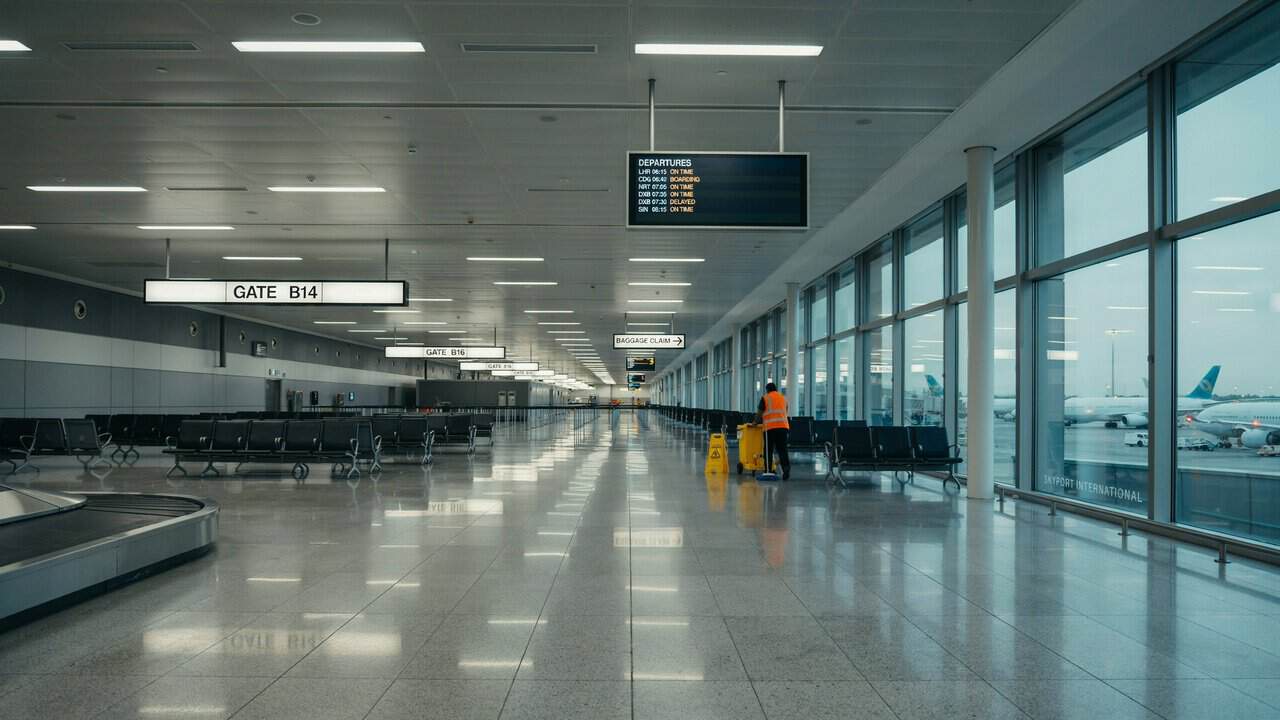
Image generated with Ai
Global travel is entering a more uncertain phase as UN Tourism reduces its 2026 international tourism growth forecast, with geopolitical tensions, rising expenses and economic pressures influencing traveller confidence worldwide. The organisation lowered its expected international tourist arrival growth from an earlier projection of 3–4% to 1–2%, reflecting a more challenging environment for destinations, airlines and tourism businesses. The revised outlook highlights how conflicts, higher energy prices, inflation and transport pressures are reshaping travel decisions. While tourism continues showing resilience in many regions, the industry is preparing for slower and more uneven growth. From aviation networks to local communities dependent on visitors, destinations are adapting through stronger planning, sustainable strategies and flexible tourism models.
Why Did UN Tourism Reduce the 2026 Growth Forecast?
UN Tourism revised its global tourism outlook following weaker-than-expected performance and increasing pressure from geopolitical and economic conditions.
Advertisement
Advertisement
The organisation reduced its international arrival growth forecast from 3–4% to 1–2%.
The downgrade reflects several challenges affecting the tourism sector, including geopolitical instability, higher fuel prices, inflation pressures, increasing transport costs and uncertainty among consumers.
Advertisement
Advertisement
The global tourism industry had demonstrated strong resilience after the pandemic recovery period, but new external pressures have slowed momentum.
Advertisement
Advertisement
Broader economic assessments indicate that geopolitical tensions have affected energy markets, financial conditions and global confidence, creating additional pressure on industries connected with international movement.
Tourism remains a major contributor to economies worldwide, but the latest forecast suggests recovery will become more uneven between regions.
How Are Geopolitical Conflicts Affecting International Travel?
Geopolitical instability has become one of the most significant challenges influencing global tourism.
Advertisement
Advertisement
Conflicts and security concerns can affect travel patterns by changing:
flight routes,
Advertisement
Advertisement
insurance costs,
consumer confidence,
destination choices,
and business investment.
The UN has identified geopolitical pressures as a major risk affecting global economic activity, trade, investment and supply chains.
Advertisement
Advertisement
For tourism, these disruptions can create immediate consequences.
Airlines may adjust routes because of airspace restrictions or increased operating costs.
Travellers may delay or change plans because of uncertainty, while destinations linked to affected regions may experience reduced arrivals.
Although tourism has historically recovered after major disruptions, prolonged uncertainty creates additional challenges for long-term planning.
Why Are Rising Travel Costs Affecting Tourism Demand?
Higher travel costs are becoming another important factor shaping visitor behaviour.
Advertisement
Advertisement
Increasing energy prices influence:
airline operations,
fuel expenses,
transportation costs,
hotel prices,
Advertisement
Advertisement
and holiday packages.
Tourism demand is closely connected with consumer spending power.
When travellers face higher costs for flights, accommodation and daily expenses, some may shorten trips, postpone bookings or choose destinations closer to home.
Economic uncertainty and rising energy prices are also affecting tourism-dependent economies.
For airlines, increased fuel expenses can create pressure on ticket pricing and route profitability.
Advertisement
Advertisement
For destinations, affordability is becoming increasingly important as travellers compare value across international markets.
How Are Airlines and Aviation Markets Being Impacted?
Air connectivity remains a crucial foundation for global tourism growth.
When aviation costs rise or routes are disrupted, destinations can experience reduced accessibility.
The aviation sector continues facing pressure from:
fuel price changes,
Advertisement
Advertisement
operational expenses,
route adjustments,
and supply chain challenges.
Despite these pressures, aviation demand remains strong in many markets.
Aircraft manufacturers continue reporting long-term demand expectations, particularly in expanding Asia-Pacific aviation markets.
Advertisement
Advertisement
However, short-term pressures may influence ticket prices and traveller choices.
Destinations dependent on international arrivals must continue improving connectivity and diversifying visitor markets.
Which Regions Are Facing Tourism Pressure?
The impact of slower tourism growth is not equal across all destinations.
Some regions continue experiencing strong demand, while others face challenges linked with economic conditions and geopolitical risks.
Southeast Asia, for example, has experienced pressure from higher travel costs and aviation disruptions, affecting economies that depend heavily on international visitors.
Advertisement
Advertisement
Tourism-dependent regions are particularly vulnerable because visitor spending supports:
hospitality businesses,
transport operators,
restaurants,
small businesses,
Advertisement
Advertisement
and local employment.
Destinations experiencing weaker arrivals may need to strengthen domestic tourism, diversify international markets and invest in sustainable visitor strategies.
Why Are Some Destinations Remaining Resilient?
Despite global challenges, tourism continues showing resilience.
Many destinations are adapting by focusing on:
domestic tourism,
Advertisement
Advertisement
regional travel,
new markets,
unique experiences,
and sustainable tourism.
The World Bank has noted that tourism remains resilient but is entering a period of slower and more fragmented growth, with different regions experiencing different recovery patterns.
Advertisement
Advertisement
Destinations with strong infrastructure, diverse attractions and flexible tourism strategies are better positioned to manage uncertainty.
Countries offering cultural tourism, nature experiences and value-focused travel options may continue attracting visitors despite challenging conditions.
How Are Travellers Changing Their Behaviour?
The current environment is influencing how people plan journeys.
Travellers are increasingly considering:
affordability,
Advertisement
Advertisement
flexibility,
safety,
shorter-distance trips,
and meaningful experiences.
Many visitors are becoming more selective about destinations and travel timing.
Advertisement
Advertisement
Instead of focusing only on famous destinations, travellers are increasingly searching for value, authenticity and reliable experiences.
This shift is encouraging destinations to improve visitor experiences rather than focusing only on increasing arrival numbers.
Why Is Sustainable Tourism Becoming More Important?
The changing global travel environment is increasing attention on sustainable tourism.
Destinations are recognising that long-term tourism success depends on protecting:
natural resources,
Advertisement
Advertisement
local communities,
cultural heritage,
and infrastructure.
Sustainable tourism strategies help destinations manage visitor growth while maintaining quality experiences.
These strategies include responsible accommodation, environmental conservation, community involvement and improved visitor management.
Advertisement
Advertisement
As growth becomes slower, many destinations are focusing on attracting higher-value visitors rather than simply increasing visitor numbers.
How Can Destinations Prepare for Slower Tourism Growth?
Tourism authorities and businesses are increasingly developing resilience strategies.
These include:
expanding visitor markets,
improving infrastructure,
Advertisement
Advertisement
strengthening domestic tourism,
using technology,
and developing year-round experiences.
Destinations relying on one tourism market or season face greater risks during periods of uncertainty.
Diversification allows destinations to better manage sudden changes in traveller behaviour.
Advertisement
Advertisement
Technology is also becoming increasingly important through digital booking systems, data analysis, personalised marketing and smarter visitor management.
What Does the Forecast Mean for Future Travel?
The revised UN Tourism forecast does not indicate a collapse in global tourism but highlights a slower and more complex growth environment.
International travel continues, but recovery patterns are becoming more uneven.
Future tourism success will depend on:
adaptability,
Advertisement
Advertisement
affordability,
sustainability,
innovation,
and resilience.
Destinations that understand changing traveller priorities will be better positioned to attract visitors.
Advertisement
Advertisement
The industry is moving towards a phase where quality experiences, safety and value may become more important than simply achieving record visitor numbers.
Conclusion
Global travel is entering a more challenging but adaptable period as UN Tourism lowers its 2026 growth forecast amid geopolitical uncertainty, rising costs and changing traveller expectations. While international tourism continues demonstrating resilience, destinations, airlines and businesses are preparing for a more complex operating environment. The next phase of tourism growth will depend on sustainable practices, stronger connectivity, flexible strategies and improved visitor experiences. As travellers continue searching for affordable, safe and meaningful journeys, destinations that successfully balance growth with resilience will play a crucial role in shaping the future of global tourism.
Advertisement
