
Umbria Expands Global Reach with New International Wine Tourism Routes

Updated
Published
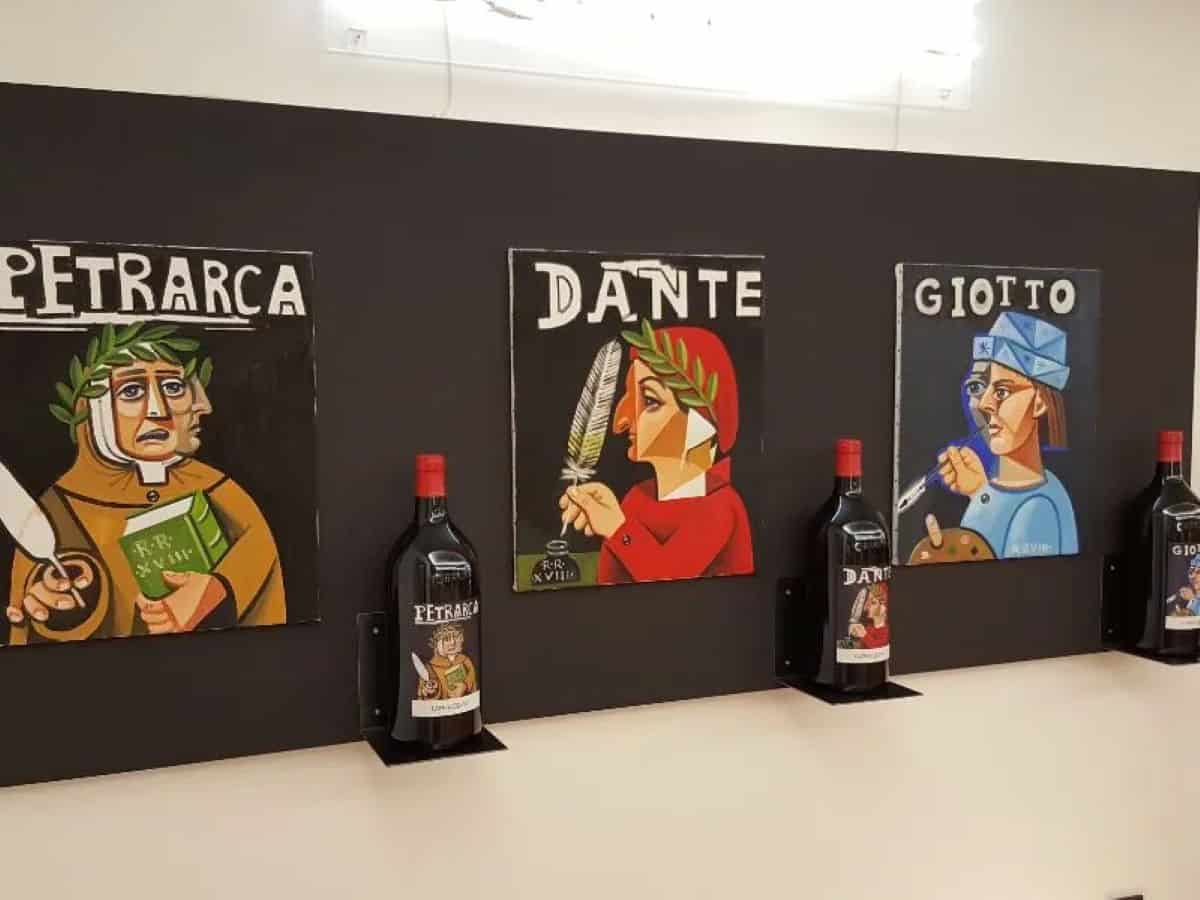
The enchanting region of Umbria is currently undergoing a significant transformation in how it welcomes visitors from across the globe. Often celebrated as the green heart of Italy, the territory is actively investing in a series of ambitious initiatives designed to establish new international tourism routes. This strategic pivot focuses heavily on wine tourism, seeking to showcase the deep agricultural heritage, rolling vineyards, and historic estates that define the local landscape. By forging broader connections with international markets, local stakeholders aim to draw visitors away from overcrowded urban centers and into the tranquil, culturally rich hills of central Italy.
Impact on Travellers
For modern explorers and international travellers, these newly developed routes offer unprecedented access to authentic Italian traditions. Visitors can expect enhanced infrastructure, streamlined travel itineraries, and more seamless connections between major transport hubs and secluded wine estates. Rather than navigating complex, fragmented local paths, tourists are provided with well-marked, cohesive pathways that link iconic destinations like Perugia, Assisi, Orvieto, and Montefalco. This intentional enhancement allows vacationers to immerse themselves fully in slow-paced cultural experiences, guided cellar tours, and direct tastings of renowned regional vintages without logistical friction.
Advertisement
Advertisement
Industry Insights and Economic Shifts
Industry analysts note that this targeted investment reflects a broader shift toward experiential and sustainable travel. Regional authorities and wine consortia are collaborating closely to elevate the profile of local enology, recognizing that global consumers increasingly seek out niche, high-quality products rooted in local terroir. By modernizing promotional frameworks and expanding global reach, the sector aims to boost local economies, support family-owned vineyards, and encourage longer average stays. This calculated economic strategy not only strengthens the competitiveness of Umbrian wine on the world stage but also elevates the entire regional hospitality ecosystem.
Practical Information for Visitors
Navigating these new itineraries has been designed to be intuitive for independent travelers and organized groups alike. The revamped routes incorporate comprehensive signposting, digital integration for booking tastings, and improved regional transit options connecting rural vineyards with urban centers. Visitors are encouraged to plan their journeys around established local events, such as seasonal open-cellar initiatives, harvest celebrations, and artisanal food fairs. Local tourism boards recommend booking premier wine-tasting experiences well in advance, particularly during the vibrant spring and autumn harvest seasons when the landscape is most visually striking.
Advertisement
Advertisement
Comparison with Previous Policies and Developments
When evaluated against historical tourism frameworks, this contemporary push represents a decisive departure from passive promotion toward proactive global engagement. Previous policies primarily relied on organic interest and traditional domestic marketing, which often left rural winemakers struggling to capture the attention of overseas markets. In contrast, the current development phase employs coordinated international campaigns, strategic infrastructure partnerships, and structured itineraries that actively bridge the gap between foreign source markets and local producers. This progressive evolution marks a mature milestone in the region’s long-term destination management strategy.
Image Source- Avinturo
Advertisement
