
Iceland Joins Italy And More Countries In Imposing Overnight Visitors Levy And Seasonal Pass Fees At Major Natural Attractions

Published
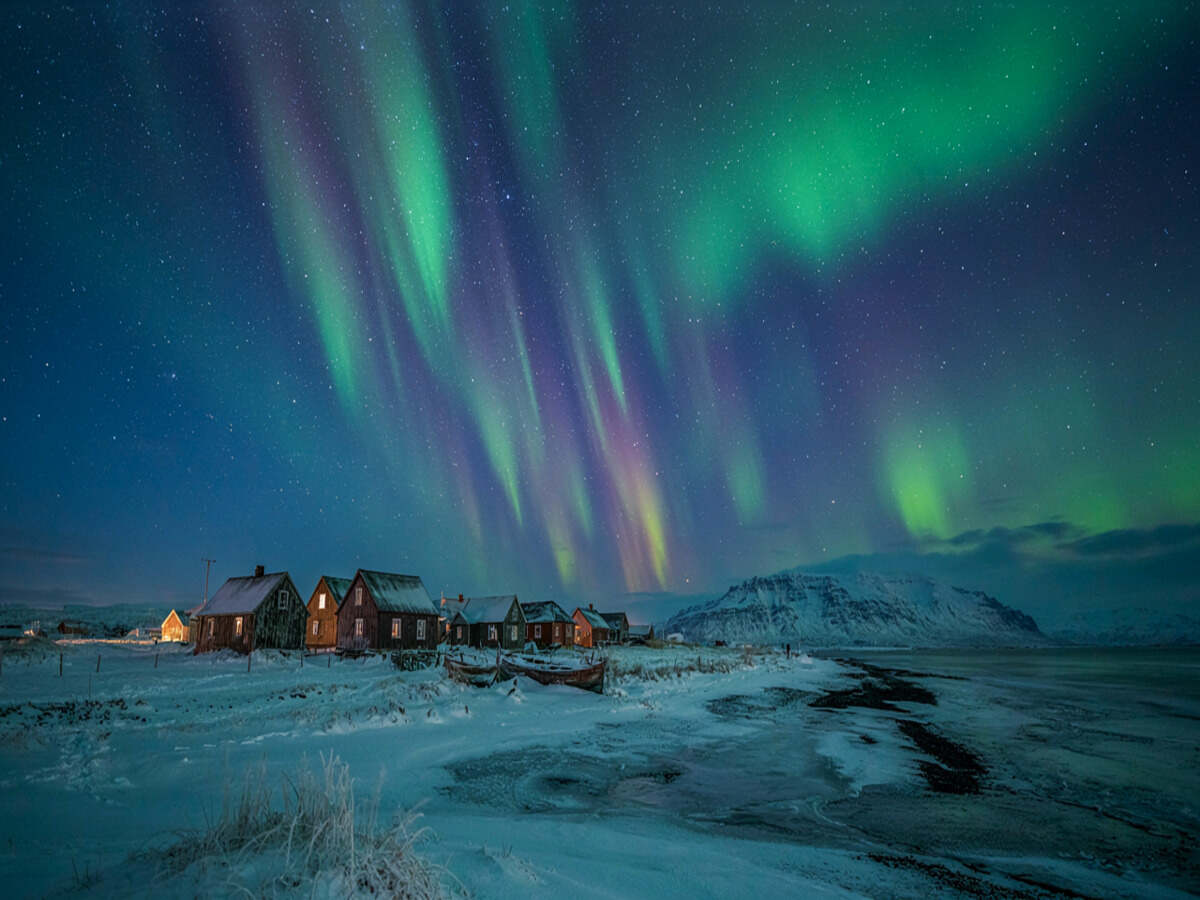
Image generated with Ai
Iceland joins countries such as Italy, which charge an accommodation tax as well as monument taxes to cope with the problem of overtourism. The tourism trend in Europe is leading to changes in how tourist destinations deal with their rising number of tourists.
Iceland is becoming part of this shift with proposed fees for major natural attractions alongside overnight accommodation charges. The measures aim to generate tourism revenue while protecting landscapes and improving visitor infrastructure.
Advertisement
Advertisement
Italy, Spain, the Netherlands, Greece, Scotland, Norway, Belgium and Romania are also using visitor levies, accommodation charges and eco-taxes. Rather than stopping tourism, these measures make travellers contribute towards conservation, restoration and the long-term protection of popular destinations.
Iceland’s Groundbreaking Double-Tiered Visitor System
For decades, Iceland stood as a rare example of a country where majestic raw wilderness could be accessed almost entirely free of charge. However, with over 1.5 million foreign visitors flocking annually to an island nation with a population of under 400,000, fragile volcanic soils, delicate geothermal crusts, and rural transport networks are experiencing severe strain.
Advertisement
Advertisement
To counter this, the Icelandic Ministry of Climate, Energy, and the Environment introduced comprehensive draft legislation establishing a new dual-layer taxation model: a Seasonal Pass for Major Natural Attractions coupled with the ongoing Overnight Accommodation Levy.
The Golden Circle Nature Pass: Granular Details & Pricing
The centerpiece of Iceland’s new policy is a mandatory digital pass targeting its most popular tourist route: the Golden Circle. The pass covers the three iconic, state-influenced natural landmarks along the loop:
Advertisement
Advertisement
- Þingvellir (Thingvellir) National Park: A UNESCO World Heritage Site where the Eurasian and North American tectonic plates drift apart, and the site of Iceland’s historic ancient parliament.
- Geysir Geothermal Area: Home to the famous Strokkur geysir, which erupts scalding water every 6 to 10 minutes amid ultra-sensitive silica crusts.
- Gullfoss Waterfall: A massive two-tiered cascade plunging into a deep rugged canyon, requiring constant boardwalk maintenance and safety railings.
Pricing Structure & Seasonal Tiers
- Summer Peak Fee (June 1 – October 31):4,500 ISK (approximately $33 USD / €30 EUR) per adult aged 18 and older.
- Winter & Off-Peak Fee (November 1 – May 31):3,000 ISK (approximately $22 USD / €20 EUR) per adult aged 18 and older.
- Validity Period: The fee functions as a 12-month annual access pass. Once purchased, the holder can return to all three Golden Circle attractions unlimited times over 365 days.
Mandatory Exemptions
- Icelandic Tax Residents: Fully exempt from paying the fee upon presenting valid local identity or residency proof.
- Minors: Children and young adults under the age of 18 are exempt.
Digital Operations, Enforcement, and Parking Overhauls
To prevent gridlock along the Golden Circle, the Icelandic government is shunning physical tollbooths in favor of an end-to-end digital verification framework managed alongside the Icelandic Tourist Board:
- Universal Electronic QR Pass: All visitors aged 18 and over—including exempt local residents—must obtain a digital access certificate (QR code) via an online portal or mobile app prior to or upon arrival at the sites.
- Tour Operator Bulk Integration: Tour bus operators and group guides can purchase and manage passes in bulk for coach passengers, embedding the pass directly into excursion booking systems.
- On-Site Verification Inspectors: Mobile wardens and automated camera checks will monitor parking zones and trail access points to verify that all visitors possess active electronic passes.
- Elimination of State Land Parking Fees: Under the proposed statutory framework, standalone parking fees cannot be stacked on top of the nature pass on state-managed land. Consequently, Þingvellir National Park will eliminate its 1,000–1,200 ISK parking fee.
- Private Parking Nuances: Because the parking lots at Gullfoss and Geysir are located on privately held land, those landowners retain the right to collect separate parking charges ($50 USD) total between access passes and private parking fees.
Legislative Projection & Revenue Destination
The Icelandic Treasury estimates that the new Golden Circle nature pass will generate 6 to 7 billion ISK (~$44 to $51 million USD) annually once fully enacted.
Advertisement
Advertisement
Rather than redirecting these funds into general government funds, the revenue is legally earmarked for three core pillars:
- Ecosystem Stabilization: Reinforcing walking paths, expanding elevated boardwalks, stabilizing soil erosion near geothermal vents, and managing human impact on fragile moss.
- Safety & Infrastructure: Upgrading public sanitation, emergency response equipment, search-and-rescue huts, and safety barrier networks along river cliffs.
- Geographic Redistribution: Funding tourism promotion and road infrastructure for “colder” (under-visited) regions—such as the Westfjords, North Iceland, and East Fjords—to actively draw tourists away from congested southern corridors.
Detailed Country-by-Country Breakdown of European Tourist Taxes
Iceland’s nature pass is part of a broader shift across Europe. As international travel hits historical records, European nations are fundamentally restructuring how tourists pay for local infrastructure. Below is a detailed breakdown of how individual European countries are enforcing levies.
| Country / Region | Tax Mechanism | Average Cost Range | Primary Earmarked Target |
| Iceland | Nature Pass + Overnight Tax | 3,000 – 4,500 ISK (~$22–$33) per year pass | Wilderness preservation & site safety |
| Italy | Day-Tripper Access + Hotel Night Tax | €3 – €12 per night / €5 – €10 day entry | Urban sanitation, heritage restoration |
| Spain | Regional & Municipal Nightly Surcharge | €3 – €15 per night | Eco-housing funds & green infrastructure |
| Netherlands | Percentage Room Tax + VAT Surcharge | 12.5% room tax + 21% VAT tier | City maintenance & local housing protection |
| Greece | Climate Resilience Fee | €1.50 – €15.00 per night | Disaster recovery & heatwave management |
| United Kingdom (Scotland) | Percentage Visitor Levy | 5% of pre-VAT room rate | Public transit & municipal maintenance |
| Norway | Municipal Accommodation Levy | Up to 3% of accommodation cost | Trail maintenance & Arctic eco-protection |
| Belgium | City Hotel Room Tax | €5.00 flat per night | Urban transit & public safety |
| Romania | Flat Municipal Night Levy | 10 RON (~€2.00) per night | Cultural preservation & city promotion |
Italy: Expanding Day-Tripper Access Charges & Olympic Upgrades
Italy has pioneered complex, multi-tiered tourism taxation to safeguard its ancient urban centers and historic monuments.
- Venice Day-Entry Scheme: Venice expanded its pioneering access fee for day-trippers entering the historic lagoon city center on peak dates. Day visitors who book their visit at least four days in advance pay a standard fee of €5. Last-minute or walk-up day arrivals are charged €10. Overnight guests staying in Venice hotels are exempt from this specific day fee because they already pay the municipal hotel tax.
- Milan & Rome Nightly Taxes: In Milan, municipal tourist taxes were permanently increased across accommodation tiers. Guests in 1-star to 3-star properties pay €3 to €7 per night, while luxury 5-star hotel guests pay up to €12 per night. Rome enforces similar tiered nightly charges ranging from €3 to €10 per person, per night, capped at 10 consecutive nights.
Spain: Environmental Vehicle Taxes & Regional Surcharges
Spain balances massive tourism inflows across its coastal resorts, island chains, and historic metropolitan hubs through autonomous regional taxation models.
Advertisement
Advertisement
- Barcelona & Catalonia: Barcelona enforces a dual-layered levy consisting of the regional Catalan tourist tax plus a municipal city surcharge. Combined nightly charges reach between €10 and €15 per person, per night for luxury hotels and licensed short-term holiday rentals.
- Balearic Islands (Mallorca, Ibiza, Menorca): The island group charges a nightly Sustainable Tourism Tax (ranging from €1 to €4 per night depending on the property star rating). Furthermore, the islands enforce a seasonal environmental transit levy on non-locally registered private vehicles shipped onto the islands, adding up to €85 per vehicle per trip to curb traffic congestion on narrow coastal roads.
Netherlands: Europe’s Steepest Rate in Amsterdam
The Netherlands hosts some of the most stringent tourism tax frameworks on the continent, primarily driven by Amsterdam’s aggressive counter-over tourism policies.
- Amsterdam’s 12.5% Accommodation Tax: Amsterdam enforces a flat 12.5% municipal tourist tax calculated directly on the total room rate. On a standard $250-per-night hotel room, the tourist tax alone accounts for over $31 USD per night.
- National VAT Shift & Cruise Passenger Fees: In addition to local levies, national VAT adjustments applied to short-term visitor accommodation bring total effective taxes on Dutch lodging to well over 30%. Furthermore, ocean and river cruise ships docking in Amsterdam pay a daily passenger sea transit tax of €14.50 per person.
Greece: Climate Resilience Fees & Island Cruise Levies
Faced with severe summer heatwaves, wildfire threats, and water scarcity across its island archipelagos, Greece transformed its standard hotel tax into a dedicated climate fund.
- Seasonal Climate Resilience Fee: Greece enforces a mandatory nightly fee scaled directly to hotel category and season. During the peak summer season (March through October), fees range from €1.50 per night for budget 1-to-2-star accommodations, up to €10 to €15 per night for 5-star luxury resorts and private villas.
- Targeted Cruise Disembarkation Levies: To prevent mass congestion on fragile islands such as Santorini and Mykonos, Greece levies a dedicated port disembarkation fee on cruise passengers entering high-density island harbors during peak operational hours.
United Kingdom (Scotland): The Edinburgh Visitor Levy
Following the passage of national enabling legislation in Scotland, local councils gained legal authority to establish municipal visitor levies.
- Edinburgh’s 5% Room Fee: Edinburgh introduced a 5% tourist levy calculated on pre-VAT nightly accommodation rates. The fee applies across hotels, bed-and-breakfasts, self-catering apartments, and short-term residential lets, capped at a maximum of five consecutive nights per stay.
- Reinvestment Targets: Funds collected under the Edinburgh levy are legally ring-fenced to finance affordable housing initiatives, local garbage collection, street cleaning, public park upkeep, and festival infrastructure across the Scottish capital.
Norway: Protecting Arctic Ecosystems and Fjords
Norway enacted a national framework permitting local municipalities facing heavy seasonal travel density—particularly inside the Arctic Circle—to collect overnight visitor charges.
- Overnight Accommodation Percentage: Norwegian municipalities (including travel hotspots like Tromsø, the Lofoten Islands, and Geiranger) can enact a tax of up to 3% on total overnight accommodation charges.
- Fjord & Trail Maintenance: Revenue is funneled directly into maintaining public hiking trails (such as Trolltunga and Preikestolen), installing mountain toilets, funding wilderness search-and-rescue networks, and protecting vulnerable fjord marine environments from high-volume vessel traffic.
Belgium & Romania: Central European City Flat Levies
- Brussels (Belgium): The Belgian capital increased its municipal hotel tax to a flat €5.00 per room, per night for standard hotels and serviced apartments, while keeping youth hostel and campsite fees structured at €4.00 per night.
- Bucharest (Romania): Romania joined the tourist tax model by establishing a flat visitor fee across its capital city. Travelers staying in Bucharest pay a fixed municipal charge of 10 RON (~€2.00) per person, per night, regardless of whether they occupy a luxury hotel suite or a budget hostel bed.
How These Nations Are Boosting Tourism and Infrastructure
A common misconception is that imposing tourist taxes harms local travel economies. In reality, European governments are utilizing these targeted financial reserves to build stronger, more sustainable, and ultimately higher-yielding tourism ecosystems through four primary growth strategies:
Massive Infrastructure Upgrades and Ecosystem Protection
Uncontrolled foot traffic rapidly destroys the exact assets that attract visitors in the first place. By channeling visitor revenues directly into site management, countries are protecting their primary assets:
Advertisement
Advertisement
- Iceland uses pass revenue to build elevated steel-and-wood walkways over delicate geothermal moss fields, preventing soil erosion around Geysir while keeping trail access safe year-round.
- Norway funds mountain maintenance teams to build stone steps (sherpa stairs) up heavily eroded fjord trails, keeping routes accessible during wet shoulder seasons without destroying mountain slopes.
Strategic Geographic Redistribution (“Spreading the Flow”)
Instead of allowing 80% of foreign tourists to crowd into two or three famous spots, countries are spending tax revenues to market remote, under-visited regions:
- Iceland’s Tourism Fund allocates a fixed percentage of Golden Circle pass revenue to market the Westfjords Way and Arctic Coast Way, encouraging travelers to rent cars and explore Northern and Eastern Iceland.
- Spain uses regional tax dollars to build rural cycling routes, promote cultural travel in inland provinces, and reduce overcrowding along the immediate Mediterranean coastline.
Preserving Local Quality of Life and Heritage
Cities that become uninhabitable for local residents lose their cultural charm. Tourist levies help offset the daily operational burden on municipal services:
- Venice and Florence allocate entry and hotel taxes directly to public sanitation crews, historic building restoration, and canal dredging, keeping these historic cities functional despite hosting tens of millions of guests annually.
- Edinburgh uses its 5% room levy to fund municipal waste management during the intense August Fringe Festival, ensuring city streets remain clean for residents and visitors alike.
Transitioning to High-Value, Sustainable Tourism
In addition to other countries such as Italy, Iceland also levies taxes on overnight visits as well as entry to iconic landmarks in order to fight overtourism.
Through this strategy of not only increasing numbers of visitors but the value that they bring, Europeans are able to develop more sustainable business models for the future. Visitors who pay the entrance or nature fees are more respectful of the local rules, they tend to stay longer in one destination, buy more locally, and help preserve its natural and cultural heritage.
Advertisement
