
South Korea’s Cruise Tourism Boom Shines a Spotlight on Seogwipo’s Share of Visitor Spending

Published
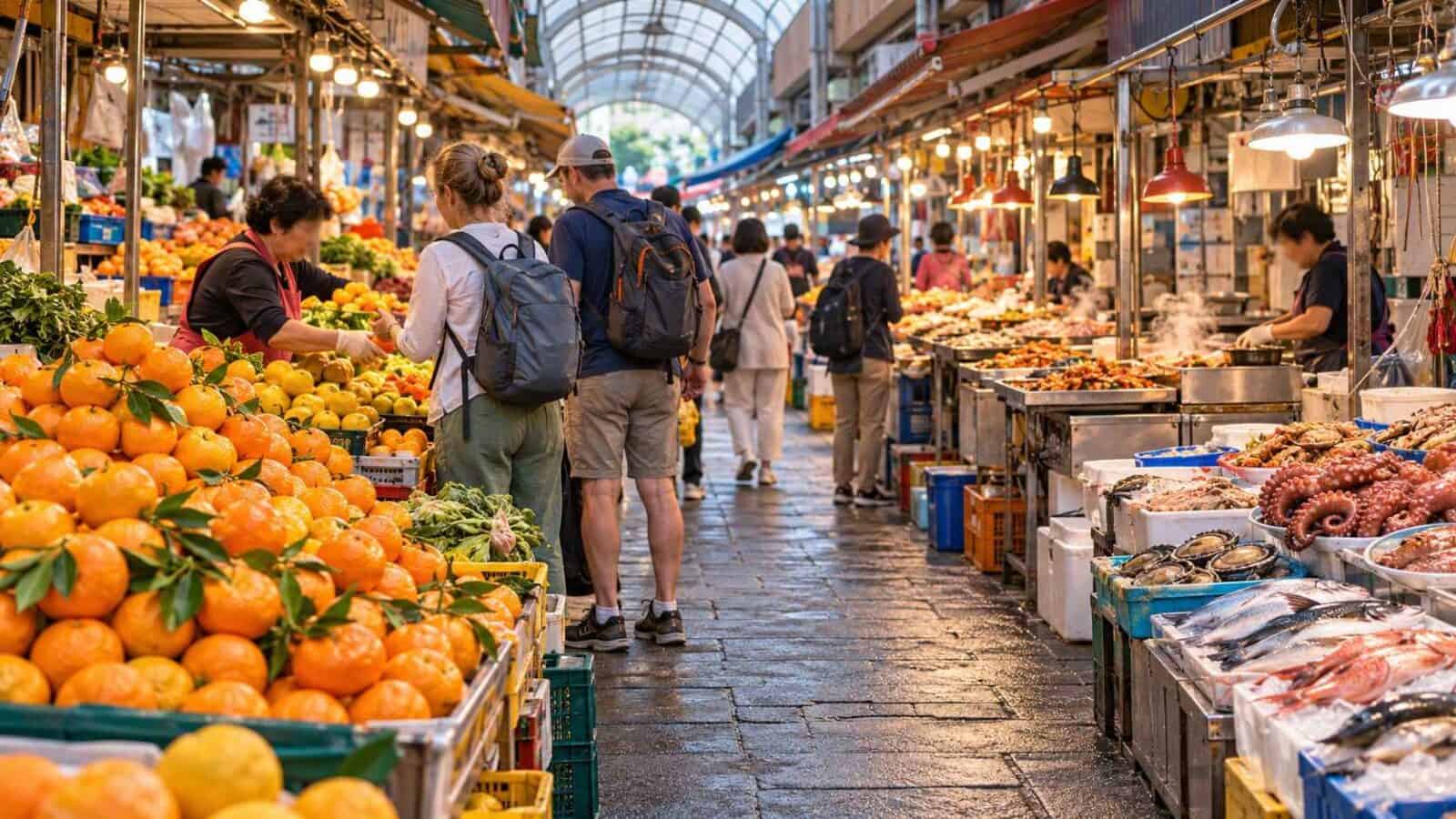
South Korea’s cruise tourism boom is bringing a sharper question into focus in Seogwipo: how much visitor spending reaches local businesses? Government policy already recognises that short port calls can limit the money passengers spend ashore. For the city on Jeju Island, the opportunity extends beyond welcoming ships. Restaurants, markets, guides and accommodation providers need meaningful access to visitors and their itineraries. Official maritime tourism research offers useful context, but it does not establish cruise passengers’ spending in Seogwipo. As attention turns towards the 2026 season, the strongest economic story concerns time ashore, business participation and the value retained locally.
South Korea’s cruise tourism puts time ashore in focus
The economic importance of a cruise call depends on what happens between disembarkation and departure. A busy terminal records movement. It does not, by itself, reveal how widely visitor spending travels.
Advertisement
Advertisement
South Korea’s government has acknowledged this distinction. In its announcement on expanding domestic cruise departures, the Ministry of Culture, Sports and Tourism said the traditional port-of-call model restricted sightseeing time and curtailed local spending. mcst.go.kr
For Seogwipo, that makes the design of a visit commercially important. An itinerary needs enough time for passengers to explore, eat and shop without rushing back to the vessel.
Advertisement
Advertisement
The practical question is therefore broader than how many ships arrive. It concerns how effectively each visit connects passengers with the city.
What official spending research actually shows
The Korea Maritime Institute, a public research institution, provides a useful baseline. Its September 2025 release analysed foreign visitors’ coastal tourism spending using 2024 credit-card transaction data.
Advertisement
Advertisement
The findings show a substantial coastal visitor economy. However, they cover a wider market than cruise passengers and must not be presented as Seogwipo cruise revenue. KMI 한국해양수산개발원
| Official indicator | Finding | Essential context |
|---|---|---|
| Foreign coastal tourism spending | KRW1.0258 trillion | Based on 2024 credit-card data |
| Annual spending growth | 42.3% | Compared with 2023 |
| Share of measured foreign tourism spending | 11.7% | Covers coastal tourism, not cruises alone |
These figures come from the institute’s foreign coastal tourism spending analysis. They establish the wider commercial importance of coastal destinations, rather than the amount generated by any particular terminal. KMI 한국해양수산개발원
Advertisement
Advertisement
The distinction protects the central story from exaggeration. A growing coastal economy creates relevant context, but it cannot answer how much an individual cruise passenger spends.
Seogwipo’s market offers a tangible local connection
Seogwipo Maeil Olle Market illustrates where visitors can encounter businesses beyond the terminal. The official Visit Jeju listing places the permanent market in the city centre and describes a trading mix that includes local specialities, seafood and citrus products.
It also identifies nearby attractions, including Lee Jung-seop Street and Jeongbang Falls. These offer ingredients for a city visit that combines food, shopping and sightseeing. visitjeju.net
That does not establish how many cruise passengers currently visit the market. Nor does it prove that traders have recorded higher earnings because of cruise calls.
Advertisement
Advertisement
It does show why excursion planning matters. Including time for independent purchases gives visitors a practical opportunity to spend with businesses they encounter.
Government strategy targets longer visits
South Korea’s response includes developing homeport and semi-homeport cruise products. A semi-homeport allows some passengers to embark or disembark during a wider voyage.
In May 2025, the Ministry of Oceans and Fisheries announced a Gangjeong Port pilot linked to this approach. The stated objective was to encourage domestic consumption and strengthen regional economic benefits. mof.go.kr
The ministry’s cruise departure strategy also described planned improvements to immigration procedures and visitor convenience. These included automatic passport control, coordination with border agencies and tourism programme development. mof.go.kr
These are documented policy intentions. They should not be confused with verified results showing additional hotel nights or higher business turnover.
Hotels and transport providers need different measures
A transit passenger and an embarking passenger represent different commercial opportunities. Someone returning to a ship that afternoon has different requirements from someone arranging accommodation around a departure.
Advertisement
Advertisement
For hotels, the useful measure is additional room nights associated with cruise travel. For transport providers, it is bookings and journeys completed.
Airline and airport benefits also require evidence of connected travel. More cruise arrivals alone cannot demonstrate an increase in flight demand.
This approach keeps the analysis grounded. Business gains should be measured through transactions, stays and services purchased, rather than assumed from passenger totals.
Local participation determines who earns
For an independent restaurant or guide, visibility within the visitor journey matters. Businesses need passengers to know where they are, what they offer and whether a visit fits the available time.
Clear prices, understandable information and realistic schedules are practical considerations. These are commercial priorities arising from the short-call model, rather than evidence that particular services are currently missing.
Employment deserves the same care. More visitors can create business opportunities, but no verified cruise-specific employment estimate for Seogwipo was established in the official material reviewed.
Advertisement
Advertisement
The same applies to foreign investment. Neither arrival growth nor a government strategy proves that new private investment has occurred.
Responsible tourism is part of the published plan
The culture ministry’s 2025 announcement included proposed Jeju experiences combining village visits, ecological education and coastal clean-ups. These appeared within its wider work on distinctive marine tourism products. mcst.go.kr
Such programmes connect economic development with how destinations receive visitors. Their commercial and environmental results still require evaluation.
For Seogwipo, the relevant test is whether organised visits support local participation while respecting the places passengers come to experience.
Traveller FAQs
Can I visit Seogwipo independently during a cruise call?
Confirm your operator’s disembarkation arrangements, terminal location and return deadline before booking independent transport or activities.
Is Seogwipo Maeil Olle Market open throughout the year?
Visit Jeju lists it as open year-round. Individual shop hours vary, so check arrangements before travelling. visitjeju.net
Advertisement
Advertisement
Does boarding in Jeju guarantee time for an overnight stay?
No. Check the specific voyage, embarkation window and accommodation arrangements before making separate reservations.
Seogwipo’s next measure of success
Seogwipo’s opportunity lies in making cruise visits commercially meaningful for the city around the port. Official policy supports longer stays and stronger connections between maritime travel and regional economies. Wider coastal spending research shows why that ambition matters, while leaving cruise-specific earnings unanswered. The next useful evidence would track passenger purchases, local excursion participation, accommodation bookings and business receipts. Travellers benefit when schedules offer clear choices and realistic time ashore. Businesses benefit when those choices include them. For Seogwipo, success should be judged through money reaching local enterprises, alongside the ships and passengers passing through its waterfront each season.
Official Sources
- Ministry of Culture, Sports and Tourism: https://www.mcst.go.kr/english/policy/pressView.jsp?pSeq=510
- Ministry of Oceans and Fisheries: https://www.mof.go.kr/doc/ko/selectDoc.do?bbsSeq=90&docSeq=61532&menuSeq=485
- Korea Maritime Institute: https://www.kmi.re.kr/web/board/view.do?idx=3556&rbsIdx=164
Advertisement
