
New Zealand Moves With Kaikōura and More as Seabirds Spark an October Coastal Travel Rush

Published
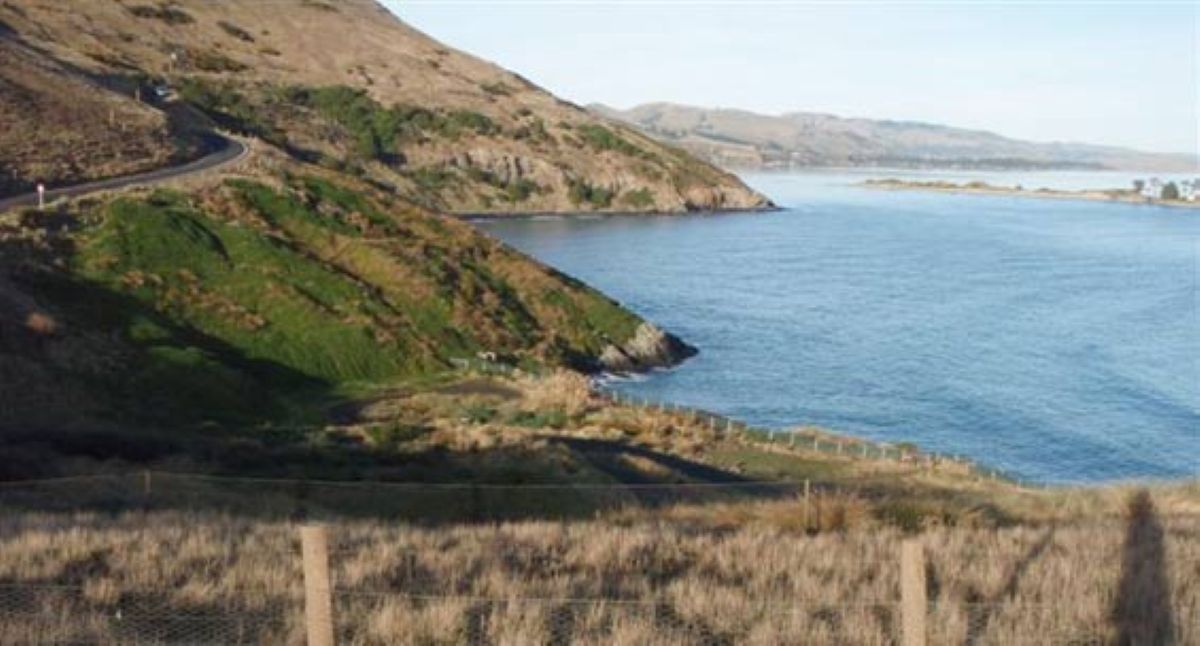
Image Credit: doc.govt.nz
New Zealand turns bright and wild in October. Spring rain fills streams. Waterfalls rush through dark forests. Seabirds return to their nesting places. Long coast roads open towards beaches, cliffs and small towns. This is a powerful time to see the country before the busiest summer weeks arrive. It is not a season for rushing. It is a season for watching. A traveller may see a gannet dive into the sea, hear water roar through Fiordland, or spot a seal resting on a quiet beach. October can bring big weather changes, so the best trip stays flexible. That is part of the adventure.
October Gives New Zealand’s Seabirds a Dramatic Stage
Spring is an important time for seabirds. Many species return to breeding places after time at sea. This creates some of New Zealand’s most exciting wildlife scenes. Muriwai, on Auckland’s west coast, is one of the leading stops. Its tākapu, also called Australasian gannets, breed here from August to March. October visitors may see birds flying over the cliffs, nesting close together and heading out across the Tasman Sea for food. The colony is a reminder that New Zealand’s coast is not just a beach holiday. It is a living home for wildlife. Travellers should stay on marked paths and use viewing areas. Birds need quiet space during breeding season. Cape Kidnappers in Hawke’s Bay gives another major gannet experience. Nesting is active from mid-September to mid-December. Thousands of gannets gather on the headland. Their calls, large wings and busy nests make the site unforgettable. Yet this is also a place where safety matters. A landslide closed the public DOC access track to the Plateau colony. Visitors should check the latest official access update and use the available overland tour option rather than assume the beach route is open.
Otago Brings Albatrosses and a Wilder Southern Coast
Otago Peninsula offers one of the world’s rarest wildlife chances. Pukekura, also known as Taiaroa Head, is home to a mainland colony of northern royal albatrosses. These giant seabirds spend most of their lives over the ocean. October is a changing point in their year. Young birds may be leaving the colony, while adults return and begin preparing for a new nesting cycle. It is a powerful sight. An albatross can glide over the headland with hardly a wingbeat. The bird feels ancient, calm and enormous against the southern sky. The colony is carefully managed. Visitors should use the official centre and viewing arrangements. This protects the birds and gives travellers a better chance to understand the conservation work behind the experience. From Otago Peninsula, the road can continue south into the Catlins. This quiet region combines waterfalls, native forest, rocky shores and wildlife viewing. Pūrākaunui Falls is one of the best-known stops. Water drops over wide forest ledges in a scene that feels almost hidden from the modern world. McLean Falls stands about 22 metres high on the Tautuku River. Matai Falls offers another short forest walk. These places show why spring rain matters. The water gives the forest movement, sound and life.
Advertisement
Advertisement
Fiordland Is Where Rain Creates the Spectacle
Fiordland is one of New Zealand’s great rain-shaped landscapes. Its rainforests, steep mountains and deep valleys create waterfalls that can appear suddenly after wet weather. October can make this region feel especially dramatic. Clouds hang low around the peaks. Water falls from high cliffs. Rivers move fast through valleys. Milford Road gives access to many of these scenes, but travellers should not treat the journey as simple. Weather can change very quickly. Snow and avalanche danger can remain in parts of Fiordland during spring. Some longer tracks still operate under winter conditions until late October or early November. Short walks are often the smarter choice. Lake Marian Falls is a rewarding example. The falls are reached by a short walk from the car park and offer a close look at fast-moving water in a mountain setting. Fiordland proves that rain is not always bad travel weather. It can create the very views visitors came to see. Still, people must check forecasts, road alerts and track information before leaving Te Anau. A waterfall trip should never become a risky river crossing or an unsafe mountain walk.
Kaikōura and Farewell Spit Offer Coastal Freedom
Kaikōura gives travellers a different kind of wildlife coast. The Kaikōura Peninsula Walkway combines sea views, mountain backdrops, seals and seabirds. It is a good option for visitors who want wildlife without a difficult hike. The coast often feels alive. Seals rest on rocks. Seabirds move over the water. The sea changes colour beneath the mountains. Offshore trips may also offer seabird viewing, including albatrosses, but travellers should choose responsible licensed operators. Wildlife is never guaranteed. That uncertainty makes every sighting feel real. Further north, Wharariki Beach near Farewell Spit offers one of the country’s most striking coastal landscapes. Sand dunes, wind, sea stacks and wide open space create a feeling of escape. Seal pups may use pools near the beach. Visitors must stay at least 20 metres away and never follow or chase them. Wharariki is also not a swimming beach. Strong currents and rips can be dangerous. The best visit is simple: walk, watch, take photographs from a respectful distance and let the coast remain wild.
A Spring Journey Needs Patience and Care
New Zealand in October does not promise perfect blue skies. It promises something better: change. One day may bring sunshine and calm seas. The next may bring rain, mist and roaring waterfalls. This makes the country feel alive. Travellers should carry warm layers, waterproof clothing and sturdy shoes. They should check official conservation, weather and road updates every day. River travellers need extra care. Heavy rain can cause flooding at any time. No one should canoe or cross a river when water levels rise. The strongest October itinerary does not chase crowds or try to see everything. It follows nature’s rhythm. Watch gannets nesting on high cliffs. See albatrosses ride the wind over Otago. Walk through Catlins forest to a waterfall. Let Fiordland rain shape the view. End beside the coast, w
Advertisement
Advertisement
Advertisement
