
Auckland Airport Undergoes Ambitious Terminal Modernization While Palmerston and a Few Others Accommodate Future Traveler Demand in New Zealand

Updated
Published
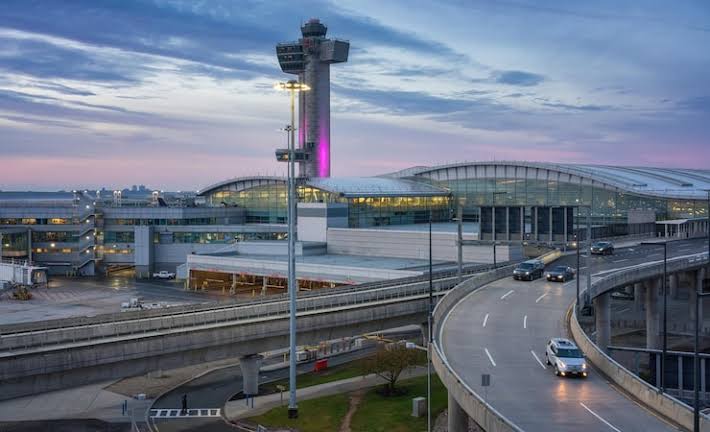
New Zealand’s airport infrastructure is undergoing a major transformation, with Auckland, Queenstown, and Palmerston North airports continuing significant terminal redevelopment projects in 2026. Auckland is leading the expansion with a NZ$3.9 billion infrastructure program scheduled for completion by the end of 2029, while Palmerston North is rebuilding its terminal for a targeted 2027 opening. Queenstown is advancing terminal improvements and long-term expansion plans to accommodate future passenger demand. Meanwhile, Christchurch, Dunedin, Wellington, and Nelson are investing in passenger facilities, baggage systems, and airport modernization. Together, these developments reflect a nationwide effort to strengthen aviation connectivity, improve operational efficiency, and prepare New Zealand’s airports for future growth.
Which New Zealand airports are undertaking major terminal redevelopment?
| Airport | Location | Major redevelopment | Latest identifiable status | Completion or milestone |
|---|---|---|---|---|
| Auckland Airport (AKL) | Auckland, North Island | Integrated domestic jet terminal, international terminal improvements, check-in and baggage modernisation | Active construction; programme over 50% delivered | End of 2029 |
| Palmerston North Airport (PMR) | Manawatū, North Island | Major terminal rebuild, seismic resilience, check-in and baggage facilities | Active construction with temporary terminal operating | First-half relocation January 2027; full completion end of 2027 |
| Queenstown Airport (ZQN) | Otago, South Island | Terminal expansion and redesign, back-of-house extension, passenger processing improvements | Physical works under way; wider redevelopment in planning and design | Back-of-house project planned for 2027; broader programme not yet assigned one confirmed finish date |
| Dunedin Airport (DUD) | Otago, South Island | First-floor passenger facilities, dining, lounges and cultural improvements | Major first-floor phase opened April 2026 | First-floor milestone completed; wider completion date not established |
| Wellington Airport (WLG) | Wellington, North Island | Terminal upgrades and baggage handling modernisation | Major terminal upgrades reported completed; baggage replacement progressing | No verified overall completion date |
Which New Zealand Airports Are Continuing Major Terminal Redevelopment in 2026?
Auckland, Palmerston North, and Queenstown are the three most prominent New Zealand airports continuing substantial terminal redevelopment during 2026. Their projects represent different approaches to modernizing aviation infrastructure, from large-scale terminal integration to complete building reconstruction and phased expansion.
Auckland Airport is constructing an integrated domestic jet terminal that will connect more closely with its international facilities. Palmerston North Airport is rebuilding its terminal to improve seismic safety, passenger processing, and operational flexibility. Queenstown Airport is advancing terminal improvements while developing a broader expansion program.
Christchurch, Dunedin, Wellington, and Nelson are also contributing to the country’s airport modernization efforts, although their projects vary in scope and construction status.
Advertisement
Advertisement
Christchurch completed a major terminal transformation in May 2026, while Dunedin opened upgraded passenger facilities in April. Wellington is progressing baggage infrastructure improvements, and Nelson is constructing a covered passenger walkway.
Together, these projects demonstrate how New Zealand’s airports are adapting to changing aviation requirements.
Advertisement
Advertisement
Why Is Auckland Airport Investing NZ$3.9 Billion in Its Terminal Transformation?
Auckland Airport (AKL) is undertaking New Zealand’s largest identified airport terminal redevelopment program, with a NZ$3.9 billion investment covering terminal integration and associated infrastructure improvements.
On October 1, 2026, the airport announced that more than half of the program had been delivered. Construction is continuing on a new domestic jet terminal intended to improve connections between domestic and international services.
Advertisement
Advertisement
The redevelopment is scheduled for completion by the end of 2029.
Once operational, the integrated facilities are expected to increase domestic jet seating capacity by approximately 26% and passenger processing capacity by 44%.
The project also includes upgrades to check-in systems, baggage handling, aircraft parking facilities, and passenger circulation.
Approximately 130 new check-in kiosks and more than 60 automatic bag-drop units form part of the modernization program.
Advertisement
Advertisement
By bringing domestic and international operations closer together, Auckland Airport aims to reduce transfer complexity and establish infrastructure capable of supporting future aviation demand.
How Much Progress Has Auckland Airport Made on Its New Domestic Terminal?
Auckland Airport’s redevelopment has reached several important construction milestones during 2026, demonstrating the scale and complexity of the ongoing transformation.
According to its October construction update, approximately 85% of the northern headhouse roof had been completed, while the building’s facade had reached around 70% completion.
The aircraft pier superstructure was approximately 65% in place.
The airport also reported significant progress in baggage infrastructure, with approximately 10 kilometers of conveyor systems added or replaced across the redevelopment program.
Construction activity involves a substantial workforce, with approximately 1,500 people working on the development daily and peak workforce requirements reaching as many as 2,500 during 2026.
Advertisement
Advertisement
These figures reflect the operational challenges of rebuilding airport infrastructure while maintaining regular passenger services.
The airport also reported commissioning nearly NZ$1 billion in new aeronautical assets during its 2026 financial year, including airfield expansion and stormwater infrastructure.
The overall transformation remains scheduled for completion in 2029.
What Is Happening at Palmerston North Airport’s Major Terminal Rebuild?
Palmerston North Airport is progressing a comprehensive terminal reconstruction designed to provide safer, more efficient, and more adaptable passenger facilities.
The redevelopment responds to the need for improved seismic resilience while creating infrastructure capable of accommodating future passenger growth.
Construction continued throughout 2026, with passengers using temporary terminal facilities while work advanced on the permanent building.
Advertisement
Advertisement
The new terminal incorporates laminated timber and steel structural components, including a roof structure spanning approximately 42 meters.
By March 2026, construction teams had poured around 807 cubic meters of concrete and installed approximately 106 metric tons of reinforcing steel.
A July update confirmed that major timber beams had been positioned and roof installation was progressing.
The redevelopment also includes new airline offices, baggage facilities, and passenger processing areas.
The airport expects the first stage of terminal relocation to take place in January 2027, with the complete redevelopment targeted for completion by the end of that year.
Why Is Palmerston North Airport Prioritizing Seismic Safety and Passenger Facilities?
Palmerston North Airport’s redevelopment reflects a broader infrastructure challenge facing New Zealand: ensuring public buildings remain safe, functional, and resilient in a country exposed to significant seismic activity.
Advertisement
Advertisement
The airport’s existing terminal required substantial improvements to meet future operational expectations.
Rather than concentrating solely on passenger amenities, the reconstruction places considerable emphasis on structural performance, efficient building design, and adaptable aviation facilities.
The new terminal will support improved baggage processing, airline operations, and passenger movement.
It is also being designed to accommodate potential changes in security screening requirements and future aviation regulations.
Maintaining airport operations during construction remains an important consideration. Temporary facilities allow scheduled passenger services to continue while the new building takes shape.
The planned 2027 completion represents a significant milestone for regional aviation infrastructure.
Advertisement
Advertisement
Once finished, the redevelopment should provide Palmerston North with a more resilient airport terminal capable of supporting long-term regional connectivity.
How Is Queenstown Airport Preparing for Future Passenger Growth Through Terminal Expansion?
Queenstown Airport is advancing a phased terminal development program intended to improve passenger processing and address limitations within its existing facilities.
The airport serves one of New Zealand’s most internationally recognized tourism destinations, making efficient aviation infrastructure important for regional connectivity.
Its Horizon ZQN terminal program includes proposed changes to passenger circulation, security screening, check-in arrangements, baggage handling, and operational areas.
A major component involves an approximately 800-square-meter back-of-house extension, with completion targeted for 2027.
The development is intended to provide additional space for essential airport functions while supporting future improvements to passenger-facing facilities.
Advertisement
Advertisement
Queenstown Airport is working with architectural firms Warren & Mahoney and Hassell on its wider terminal design program.
Unlike Auckland’s integrated terminal project, Queenstown’s broader transformation does not currently have one confirmed overall completion date.
Instead, the airport is progressing individual improvements while developing the longer-term terminal layout and expansion strategy.
What Makes Queenstown Airport’s Terminal Redevelopment Important for Tourism?
Queenstown Airport occupies an important position in New Zealand’s tourism network because it provides air access to Queenstown, the Southern Lakes region, and surrounding destinations.
The airport’s terminal has developed through multiple extensions over several decades, creating operational challenges as passenger expectations and aviation requirements have changed.
Its current redevelopment strategy seeks to establish a more coherent terminal layout while improving the movement of passengers, baggage, and airport personnel.
Advertisement
Advertisement
Structural strengthening is another priority, particularly in areas associated with baggage handling, check-in, and the central terminal building.
The airport is also considering how future facilities can accommodate evolving security requirements and airline operations.
Importantly, the redevelopment is being approached in stages to reduce disruption to existing services.
For tourism operators, improved airport facilities could support more efficient arrivals and departures.
However, infrastructure expansion alone does not guarantee additional airline services, which depend on commercial demand, operational capacity, and airline decisions.
Which Other New Zealand Airports Are Modernizing Their Passenger Terminals?
Beyond the three leading redevelopment projects, Christchurch, Dunedin, Wellington, and Nelson airports are implementing infrastructure improvements that contribute to the modernization of New Zealand’s aviation network.
Advertisement
Advertisement
Christchurch Airport completed a major 20-month terminal transformation in May 2026. The project introduced new food and beverage outlets, improved retail facilities, redesigned passenger amenities, and upgraded information systems.
Further improvements are planned for international departures and retail areas.
Dunedin Airport officially opened its redeveloped first-floor facilities in April 2026, introducing upgraded dining spaces, lounge areas, and cultural features.
Wellington Airport has completed significant terminal improvements while continuing work associated with replacing its baggage handling system.
Nelson Airport is developing a 130-meter covered passenger walkway designed to improve access between the terminal and aircraft parking positions.
These developments differ considerably from full terminal reconstruction projects.
Advertisement
Advertisement
Nevertheless, they demonstrate that airport modernization is taking place across both major international gateways and regional aviation facilities.
How Will New Zealand’s Airport Redevelopment Projects Affect Travelers and Airlines?
The redevelopment programs are expected to improve several aspects of the airport experience, although the benefits will vary according to each project’s scope.
At Auckland Airport, the integrated domestic terminal should simplify transfers and increase passenger processing capacity.
Modernized check-in kiosks, automatic bag drops, and upgraded baggage infrastructure could reduce operational bottlenecks during busy travel periods.
Palmerston North’s reconstruction is expected to improve building resilience and create more adaptable passenger facilities.
Queenstown’s phased expansion should strengthen airport operations and support more efficient passenger movement as facilities are redesigned.
Advertisement
Advertisement
At Christchurch and Dunedin, completed improvements are already changing the experience of passengers using dining, retail, and waiting areas.
Nelson’s covered walkway will provide greater protection from weather conditions during aircraft boarding and disembarkation.
However, construction can also introduce temporary inconvenience.
Travelers may encounter modified terminal entrances, relocated facilities, or changes to pedestrian routes while redevelopment continues.
What Do These Airport Projects Reveal About New Zealand’s Aviation Future?
New Zealand’s terminal redevelopment programs reveal an aviation industry increasingly focused on long-term infrastructure resilience, operational efficiency, and passenger experience.
The projects are not identical. Auckland is investing in large-scale terminal integration, Palmerston North is replacing aging infrastructure, and Queenstown is preparing for future growth through phased development.
Advertisement
Advertisement
Elsewhere, airports are targeting specific operational weaknesses rather than undertaking complete terminal reconstruction.
This distinction illustrates how infrastructure decisions are shaped by local passenger demand, existing building conditions, available funding, and airline requirements.
The investment also highlights the importance of maintaining domestic and international connectivity across a geographically dispersed country.
Modern airport infrastructure can help airlines operate more efficiently, improve the reliability of passenger processing, and strengthen regional access.
Nevertheless, project completion dates and financial commitments remain subject to construction conditions and operational requirements.
For New Zealand’s aviation sector, the coming years will determine how effectively these investments translate into improved airport performance.
Advertisement
Advertisement
When Will New Zealand’s Major Airport Terminal Redevelopment Projects Be Completed?
The principal airport redevelopment programs have different completion schedules, reflecting their size, construction requirements, and planning stages.
Auckland Airport’s integrated domestic jet terminal is scheduled for completion by the end of 2029, making it the longest-running major project among the developments examined.
Palmerston North Airport is targeting January 2027 for an initial terminal relocation, followed by full project completion toward the end of 2027.
Queenstown Airport expects its back-of-house extension to be completed in 2027, although a final completion date for the wider terminal transformation has not been established.
Christchurch completed its major terminal refurbishment in May 2026 and has identified additional improvements.
Dunedin opened its upgraded first-floor facilities in April 2026.
Advertisement
Advertisement
Wellington’s terminal modernization includes continuing baggage infrastructure investment, while Nelson’s covered walkway was scheduled for completion in late 2026.
These schedules provide an indication of progress rather than guaranteed delivery dates.
New Zealand’s Airport Transformation Enters a Critical Period
New Zealand’s airport redevelopment activity in 2026 is being driven by the need for modern passenger facilities, resilient infrastructure, and greater operational capacity. Auckland, Palmerston North, and Queenstown remain the clearest examples of major terminal redevelopment continuing across the country. Their projects address different challenges, from domestic and international terminal integration to seismic safety and tourism-related passenger demand.
Christchurch, Dunedin, Wellington, and Nelson are also strengthening aviation infrastructure through targeted improvements. As construction progresses toward milestones in 2027 and 2029, these investments could improve airport efficiency, support regional connectivity, and deliver a more consistent passenger experience. The ultimate measure of success will be how effectively the upgraded facilities serve travelers, airlines, and local communities.
New Zealand’s airport infrastructure overhaul represents a decisive response to aging facilities, evolving passenger expectations and the need for stronger aviation connectivity. Auckland’s multibillion-dollar investment leads the modernization effort, while Palmerston North prioritizes seismic resilience and Queenstown advances phased expansion. Christchurch, Dunedin, Wellington and Nelson are contributing through targeted improvements. These developments aim to improve passenger movement, baggage handling, safety and operational efficiency. Although construction schedules and investment commitments vary, the broader direction is clear. Modern infrastructure could strengthen tourism, support regional economies and prepare the country’s aviation network for future demand while delivering more reliable passenger experiences.
[Image: Auckland Airport]
Advertisement
