

Peru Travel Faces New Safety Shift as US Updates Advisory Over Crime and Kidnapping Risks

Published
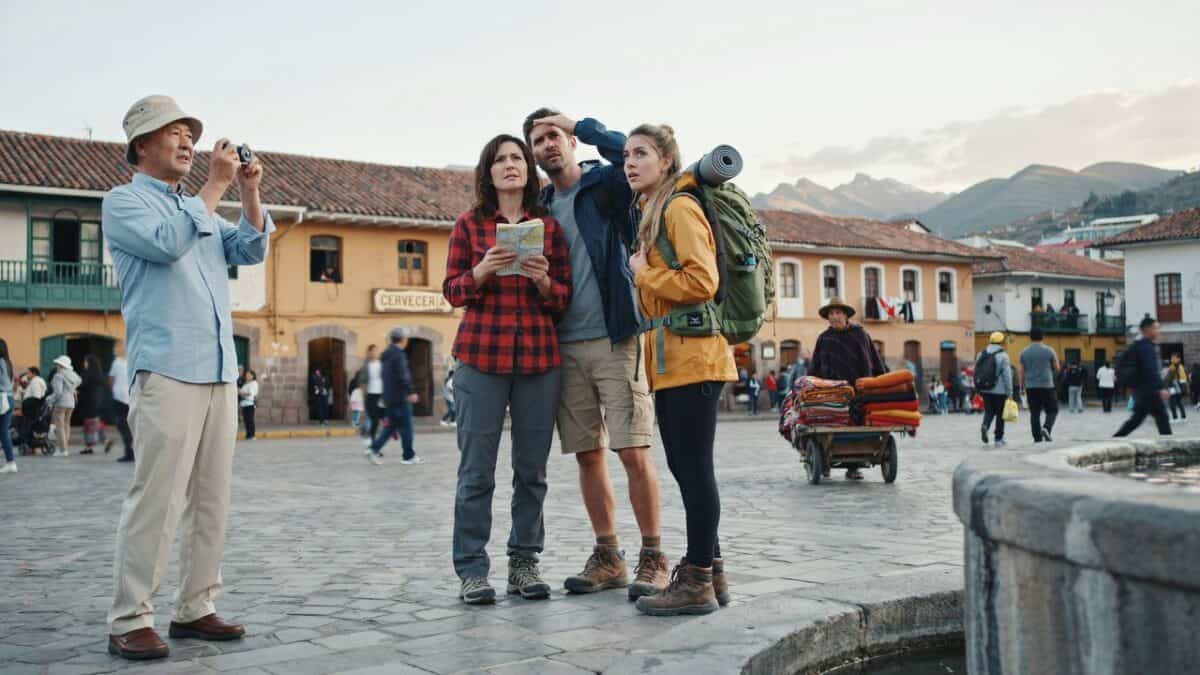
Peru travel is entering a more cautious stage as the United States updates its advisory, urging visitors to remain alert amid concerns over crime, kidnapping risks, terrorism threats and illegal drug-related dangers in selected regions. The South American destination continues attracting millions of travellers with world-famous attractions including Machu Picchu, Cusco, the Sacred Valley and the Amazon rainforest. However, the latest guidance highlights the importance of understanding regional differences before planning journeys. While Peru’s major tourism corridors remain active, travellers are being encouraged to review official updates, follow safety recommendations and make informed decisions while exploring one of Latin America’s most iconic destinations.
US Travel Advisory Keeps Peru at Level 2 as Security Concerns Increase
The United States has updated its guidance for Peru travel while maintaining the country at Level 2: Exercise Increased Caution. The advisory highlights concerns related to crime, unrest, kidnapping and terrorism risks.
The update does not represent a nationwide restriction against visiting Peru. Instead, it encourages travellers to understand that security conditions vary significantly between different regions.
Peru remains one of South America’s most recognised tourism destinations, attracting visitors through ancient heritage sites, dramatic landscapes and cultural experiences.
Advertisement
Advertisement
The advisory approach reflects a growing trend in international tourism, where travellers are encouraged to research specific locations rather than judge an entire country based on isolated security concerns.
For visitors, destination awareness has become a key part of modern travel planning, especially when exploring countries with diverse regions and rapidly changing local conditions.
Advertisement
Advertisement
Machu Picchu and Cusco Continue Welcoming International Travellers
Peru’s most famous tourism destinations remain central to the country’s visitor economy despite the updated advisory.
The US guidance notes that major attractions including Cusco, the Sacred Valley, the Inca Trail and Machu Picchu are not located in the highest-risk areas identified in the warning.
Advertisement
Advertisement
These destinations continue attracting travellers interested in ancient history, archaeological discoveries and Andean culture.
Cusco remains one of South America’s most important heritage destinations and serves as the main gateway for visitors travelling towards Machu Picchu. Tourists arrive for trekking adventures, historic architecture, indigenous traditions and mountain landscapes.
However, visitors are still advised to remain cautious in crowded locations where theft and other crimes may occur.
Using authorised transport providers, securing personal belongings and staying aware of surroundings remain important precautions for travellers.
Advertisement
Advertisement
Crime Risks Become Major Focus of Updated Peru Travel Guidance
Crime concerns form one of the central elements of the updated advisory.
The US government warns that theft, robbery, assaults and other crimes occur in Peru, including in populated areas and during daytime hours.
Authorities have also highlighted the risk of “express kidnappings”, where victims may be temporarily detained and forced to withdraw money.
Travellers are advised to remain especially careful at night, avoid displaying expensive belongings and exercise caution when using public transportation or visiting unfamiliar areas.
For Peru’s tourism sector, safety communication has become increasingly important. Hotels, guides and tour operators play a major role in helping visitors understand local conditions and choose safer travel options.
Maintaining visitor confidence remains essential as Peru continues strengthening its international tourism appeal.
Advertisement
Advertisement
High-Risk Regions Receive Stronger Warnings From US Authorities
Although Peru remains open to visitors, some regions carry stronger warnings because of security concerns.
The US advisory recommends avoiding travel to the Colombia-Peru border area in Loreto Region due to crime risks. It also advises against travel to the Valley of the Apurímac, Ene and Mantaro Rivers (VRAEM) because of crime and terrorism concerns.
Additional restrictions apply to certain areas of Ayacucho, Cusco, Huancavelica and Junín regions.
These areas differ significantly from Peru’s main tourism routes.
Peru covers a vast geographical area that includes coastal cities, mountain destinations and remote Amazon regions. As a result, travellers planning adventure trips, hiking expeditions or remote journeys should carefully review current conditions before departure.
Drug-Related Warnings Add New Layer of Travel Awareness
The updated guidance also highlights risks connected with illegal drugs and certain traditional substances marketed towards tourists.
Advertisement
Advertisement
US officials advise travellers to avoid substances such as ayahuasca and kambo, warning that some visitors have experienced serious illness, injuries, robberies and assaults after participating in unregulated experiences.
Such activities are sometimes promoted by unofficial operators, particularly in Amazon regions and other areas popular with adventure travellers.
Authorities have also warned that some coca-based products may create legal complications depending on circumstances and destination regulations.
The warning reflects a broader challenge within adventure tourism, where travellers increasingly seek unique cultural experiences but may encounter risks from unregulated providers.
Peru Tourism Industry Balances Growth With Visitor Protection
Despite the updated advisory, Peru remains one of South America’s most important tourism destinations.
The country offers UNESCO heritage sites, Amazon ecosystems, coastal landscapes and indigenous cultural experiences that continue attracting visitors from around the world.
Advertisement
Advertisement
Tourism supports thousands of businesses, including hotels, restaurants, transport operators and local guides.
However, sustainable tourism growth depends on balancing visitor expansion with safety management.
Tourism authorities and businesses are increasingly focusing on improving traveller information, strengthening security measures and encouraging responsible tourism practices.
For visitors, preparation has become essential. Reviewing official guidance, purchasing suitable travel insurance and understanding local customs can help create safer and more enjoyable journeys.
Smart Travel Preparation Becomes Essential for Peru Visitors
The US government recommends that travellers take several precautions before visiting Peru.
Americans are encouraged to enrol in the Smart Traveler Enrollment Program (STEP) to receive updates from US embassies and consulates.
Advertisement
Advertisement
Travellers are also advised to monitor local developments, avoid demonstrations, maintain communication plans, protect important documents, purchase travel insurance and remain cautious in remote areas.
These measures reflect a wider change in international travel, where preparation and awareness have become essential components of responsible tourism.
Peru Travel Continues to Attract Global Explorers Despite Advisory Update
The latest warning does not change Peru’s position as one of the world’s most culturally significant destinations.
Travellers continue visiting to experience Inca heritage, Andean landscapes, Amazon biodiversity and internationally recognised archaeological treasures.
The advisory instead highlights the importance of informed travel decisions.
Peru’s future tourism success will depend on maintaining visitor confidence while ensuring travellers have accurate information about regional conditions.
Advertisement
Advertisement
With careful planning, visitors can continue experiencing the country’s extraordinary attractions while taking sensible precautions.
Conclusion
Peru travel remains a powerful global tourism attraction, but the latest US advisory highlights why safety awareness and preparation are becoming essential parts of international journeys. From the ancient wonders of Machu Picchu and Cusco to the Amazon rainforest and Andean landscapes, Peru continues offering unforgettable experiences for travellers worldwide. The updated guidance focuses mainly on specific regions facing greater challenges rather than discouraging tourism nationwide. By reviewing official information, respecting local regulations and planning responsibly, visitors can continue discovering Peru’s rich heritage, natural beauty and cultural treasures while travelling with greater confidence.
Advertisement
