
SouthWest Airlines Flight SWA2818, a Boeing 737 MAX 8 from Chicago to Orlando Makes a Diversion at Tampa International Airport: The Reason for the Mid-Air Route Alteration

Published
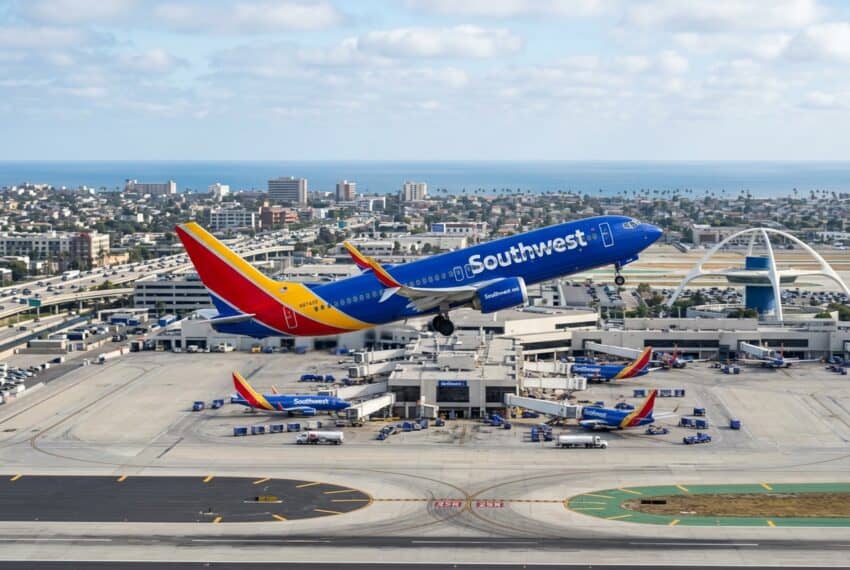
SouthWest Airlines Flight SWA2818, a Boeing 737 MAX 8 from Chicago to Orlando Makes a Diversion at Tampa International Airport, The Reason for the Mid-Air Route Alteration shocked hundreds of passengers mid-flight. The standard summer trip quickly transformed into a high-stakes race against nature. Severe, volatile thunderstorms suddenly blacked out the skies directly over Central Florida, making an arrival impossible. Consequently, extreme turbulence and high wind shear forced the captain to take immediate action. The crew dynamically redirected the modern aircraft away from the storm cells. Ultimately, this intense situation forced an emergency landing on a nearby runway on the west coast.
Why Did SouthWest Airlines Flight SWA2818 Make a Sudden Mid-Air Route Alteration?
The primary catalyst for the unexpected route alteration of SouthWest Airlines Flight SWA2818 was a wall of severe afternoon thunderstorms blocking the typical arrival corridors into Orlando. June in Florida regularly brings intense, localized squall lines that cause severe turbulence, dangerous wind shear, and compromised runway visibility for arriving aircraft. Faced with these dynamic meteorological threats, commercial pilots prioritize safety over schedule adherence by choosing to divert rather than risking a highly unstable approach.
Advertisement
Advertisement
Furthermore, air traffic control towers often implement strict ground stop orders or massive spacing intervals when severe weather compromises terminal radar systems. Because SouthWest Airlines Flight SWA2818 faced a lengthy delay in an active holding pattern, continuing to circle would have unnecessarily depleted the aircraft’s fuel reserves. Diverting to a nearby operational hub ensured the aircraft landed with its mandatory fuel buffers fully intact, protecting everyone on board.
How Did the Boeing 737 MAX 8 Aircraft Affect the SouthWest Airlines Flight SWA2818 Diversion?
The specific operational capabilities of the Boeing 737 MAX 8 aircraft flown as SouthWest Airlines Flight SWA2818 played an integral role in how the crew managed this diversion. Equipped with advanced Next-Generation flight management computers, the cockpit crew could rapidly calculate alternative flight paths and precise fuel burn rates simultaneously. These real-time digital calculations allowed the pilots to immediately identify Tampa as the most efficient and safest alternate airport capable of handling a mainline jetliner.
Advertisement
Advertisement
Additionally, airline dispatch teams on the ground monitored the status of SouthWest Airlines Flight SWA2818 via satellite communications to coordinate gate availability at the secondary airport. The operational flexibility of the Boeing 737 MAX 8 ensures that even when a highly congested airspace rejects an initial flight plan, the aircraft can transition seamlessly to secondary regional systems. This technological readiness significantly minimizes passenger discomfort and allows flight crews to execute complex diversion procedures with absolute textbook precision.
Why Was Tampa International Airport Selected for the SouthWest Airlines Flight SWA2818 Diversion?
Tampa International Airport stands out as the premier diversion point for flights like SouthWest Airlines Flight SWA2818 because of its excellent geographical positioning and robust infrastructure. Situated roughly eighty miles west of Orlando, the facility frequently enjoys entirely clear skies even when the Atlantic coast is experiencing severe convective weather systems. This close proximity means that a jet can safely redirect to the airport within minutes, using minimal extra aviation fuel during the transition.
Advertisement
Advertisement
In addition to favorable weather variations, the destination features expansive runways and substantial ground handling support specifically tailored for large carriers like SouthWest Airlines. When SouthWest Airlines Flight SWA2818 required an immediate alternative tarmac, the airport structure seamlessly absorbed the arriving aircraft without causing secondary logistical disruptions. The carrier maintains a major operational base at the facility, which ensures that ample ground crews, maintenance technicians, and passenger service agents are readily available to assist.
What Steps Await the Passengers of SouthWest Airlines Flight SWA2818 Following the Diversion?
Ultimately, the unexpected mid-air route alteration of SouthWest Airlines Flight SWA2818, a Boeing 737 MAX 8 from Chicago to Orlando, came down to an absolute choice between convenience and survival. A violent line of convective thunderstorms trapped the aircraft in a lengthy, fuel-burning holding pattern directly outside its intended destination. Facing rapidly dwindling fuel reserves, the captain executed a flawless safety diversion to Tampa International Airport to protect everyone on board.
By prioritizing passenger welfare over tight schedules, the crew avoided dangerous wind shear and low-visibility runways. Tampa offered clear weather, expansive runways, and an established maintenance base for the airline, making it the perfect sanctuary. While the sudden change caused inevitable travel delays for vacationing families, the operational choice highlighted textbook aviation safety protocols. The aircraft landed with its mandatory emergency fuel buffers completely intact, ensuring a safe conclusion to a chaotic flight.
Advertisement
