
Alberta Captures Mexico’s Luxury Travel Market With Breathtaking Winter Adventures Across The Canadian Rockies And A Bold Tourism Vision

Published
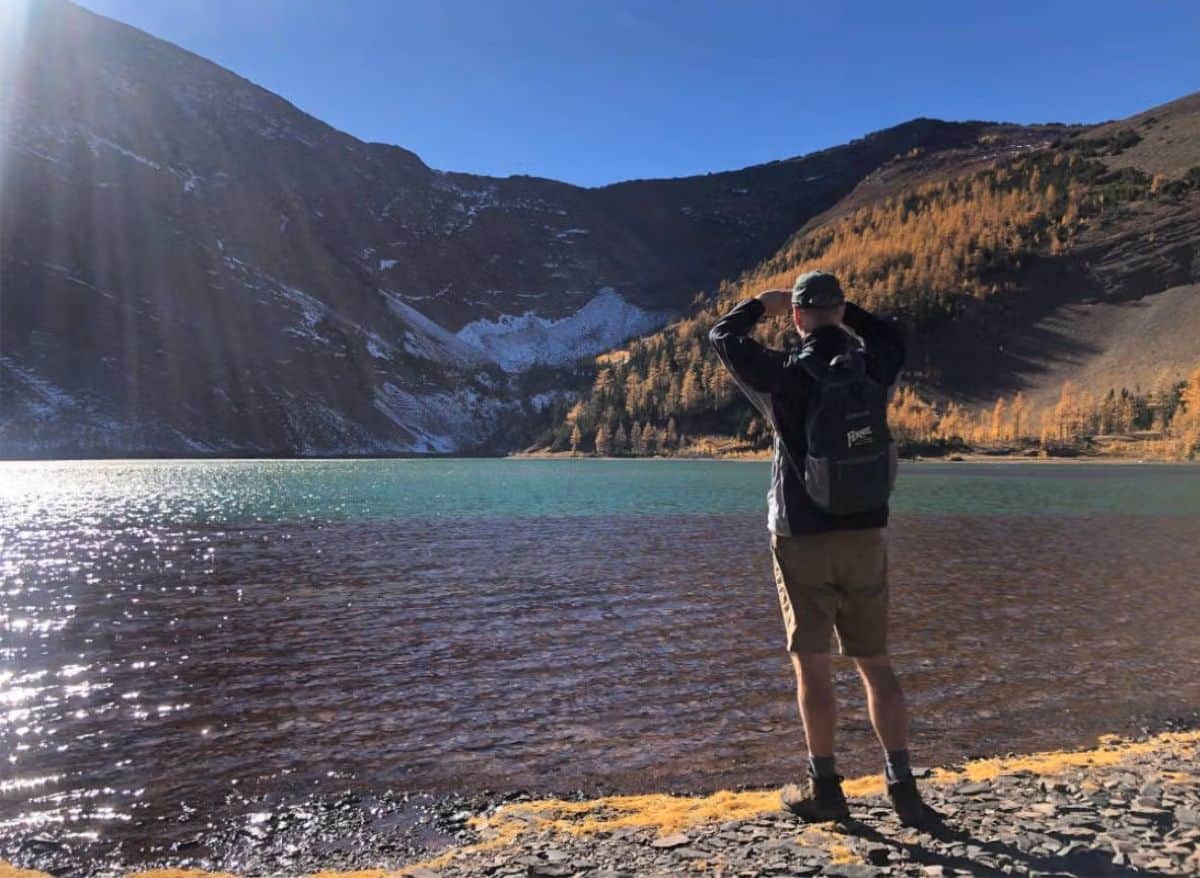
Imagine trading the warm air of a busy city for the sharp cold breath of the Canadian Rockies. For thousands of travellers from Mexico this isn’t just a dream—it’s becoming a reality. They’re walking away from beaches and swapping them for the quiet beauty of snow-covered mountains, frozen lakes and the northern lights dancing across the sky. This change isn’t about a new destination. It’s a deep desire for safety for wild places untouched by crowds and, for luxury that feels real and peaceful. With direct flights making it easier to travel north Western Canada isn’t just welcoming visitors anymore. It’s opening its doors to a wave of connection, discovery and moments that stay with you forever.
Why is Alberta aggressively targeting Mexico’s high-net-worth travellers right now in Calgary?
The strategic decision to focus on Mexico’s elite travel segment stems from a clear economic opportunity. Mexican visitors spent approximately $51 million in Alberta during 2025 as annual passenger numbers rose from 6,000 to 8,000 travellers. Tourism authorities recognize that tapping into Mexico’s burgeoning affluent class offers an unprecedented avenue for rapid economic growth.
By establishing direct engagement with luxury travel agencies, commercial airlines, and foreign dignitaries in Mexico City, provincial representatives are laying the groundwork for sustained, multi-decade financial returns. National projections indicate that Mexican visitation across Canada will surge significantly, accompanied by a staggering increase in total visitor spending. This targeted outreach directly supports Western Canada’s ambitious trajectory to elevate its total regional tourism valuation toward its long-term economic objectives.
Advertisement
Advertisement
How are seamless transit options and personal safety driving this luxury migration to Western Canada?
Accessibility and peace of mind represent the core pillars of this booming travel trend. Straightforward visa regulations—particularly for Mexican citizens holding valid non-immigrant visas for the United States—have substantially removed administrative friction for inbound visitors. Non-stop commercial flights connecting major Mexican urban hubs directly to international airports in Calgary and Edmonton make northern transit efficient and appealing for luxury vacationers.
Advertisement
Advertisement
Safety concerns and shifting geopolitics have also prompted many high-net-worth international travellers to seek out welcoming, secure alternatives to traditional southern destinations. Visitors from Latin America frequently praise Western Canada for its peaceful social climate, high standards of living, and well-maintained public infrastructure. In cities like Calgary, travellers experience an inviting urban setting seamlessly paired with immediate access to pristine wilderness environments.
What unique natural attractions are capturing the imagination of Mexican adventurers across Banff?
Advertisement
Advertisement
The dramatic environmental contrast between Latin America and Western Canada serves as a primary selling point for inbound tourists. While traditional travel campaigns often highlight tropical beaches, Alberta emphasizes its sub-zero winter wonderland, icy alpine lakes, and dramatic seasonal transformations. For visitors accustomed to warm climates, experiencing powdery snowfall, frozen waterfalls, and brilliant autumn foliage provides a unique thrill.
Beyond mountains, the province showcases a remarkable diversity of geological landscapes. The stark, ancient terrain of the Badlands around Drumheller offers world-class paleontological heritage at the Royal Tyrrell Museum, while dinosaur fossil sites near Grande Prairie and Devil’s Coulee draw nature enthusiasts deeper into the countryside. Further north, dark-sky preserves provide front-row seats to the spectacular shimmering curtains of the Northern Lights, delivering unforgettable bucket-list experiences.
What economic impact does northbound luxury travel have on local Canadian communities in Jasper?
The financial windfall generated by high-spending international tourists extends far beyond hotels and flight bookings. Affluent visitors consistently spend above regional averages on fine dining, private guided excursions, Indigenous cultural tours, and high-end retail purchases. This capital influx supports thousands of regional jobs, from seasonal backcountry outfitters in mountain towns to hospitality workers in major metro areas.
Advertisement
Advertisement
Moreover, increased passenger volumes justify expanding direct international air corridors, benefiting local residents with enhanced global connectivity. Increased revenue encourages investment in sustainable infrastructure, conservation initiatives, and municipal services across growing communities like Drayton Valley-Devon. As luxury travel flourishes, rural and urban districts alike benefit from enhanced commercial stability and broader global recognition.
How are luxury mountain resorts in Banff and Jasper adapting to Latin American preferences?
World-famous alpine destinations like Banff and Jasper are actively tailoring their premier resort services to accommodate the preferences of affluent Latin American guests. High-end mountain lodges, ski resorts, and private tour operators are introducing Spanish-speaking concierge services, curated culinary experiences, and customized winter sports packages designed specifically for first-time skiers.
Private transport services operating along the scenic Icefields Parkway now routinely cater to high-net-worth families who prioritize comfort, privacy, and tailored itineraries. Premium health retreats and geothermal hot springs throughout the Canadian Rockies have tailored their wellness treatments to complement outdoor adventure packages. These hospitality enhancements ensure that visiting luxury travellers enjoy world-class comfort alongside their outdoor explorations.
Could this diplomatic and commercial push redefine North American tourism patterns in Drumheller?
The strategic alliance between Western Canadian tourism authorities and Latin American travel trade partners signifies a fundamental evolution in North American travel dynamics. Historically, travel routes flowed heavily southwards, treating Latin America almost exclusively as a vacation departure zone rather than an origin market. By establishing strong diplomatic presence, bilateral trade links, and dedicated marketing initiatives in Mexico City, Canadian officials are proving that northbound travel holds equal commercial potential.
Advertisement
Advertisement
This shifting dynamic builds a more balanced, resilient year-round tourism model that reduces reliance on traditional domestic or trans-Atlantic markets. As climate patterns shift and global travellers seek out fresh, secure, high-end vacation destinations, Canada’s wilderness regions stand to gain a permanent competitive advantage. The success of this initiative could serve as a blueprint for other northern jurisdictions seeking to diversify their international visitor portfolios.
How Will Expanded Direct Flight Networks Between Mexico City and Calgary Airport Unlock Western Canada’s Luxury Corridors?
Direct air connectivity represents the primary foundation for expanding Western Canada’s high-yield international visitor economy. Non-stop air services connecting Mexico City International Airport and Guadalajara International Airport directly to Calgary International Airport have reduced total transit times to under five and a half hours, completely removing long layovers through foreign hubs. This seamless aviation pipeline allows high-net-worth travellers to transport specialized ski gear, winter apparel, and luxury luggage without administrative friction or handling delays.
The expansion of direct commercial routes aligns directly with provincial growth frameworks designed to build long-term economic capacity. With cross-border air capacity between Canada and Mexico expanding by 20% year-over-year, major carriers like WestJet and Aeroméxico are increasing flight frequencies to meet surging northbound demand. This growing international air traffic directly supports Travel Alberta’s broader long-term strategy, which aims to sustain over 190,000 full-time equivalent tourism jobs across the province by 2035.
What Makes High-Spending Mexican Luxury Travellers the Key Driver for Alberta’s $25 Billion Tourism Vision?
High-net-worth travellers from Latin America generate an exceptional per-capita economic yield that significantly outpaces traditional visitor demographics. While domestic tourists spend an average of $180 CAD per day, luxury international visitors frequently exceed $600 CAD daily on high-end accommodation, private mountain charters, fine dining, and premium retail. In 2025 alone, just 8,000 Mexican tourists generated $51 million CAD in total visitor expenditures, representing an extraordinary average spend of approximately $6,375 CAD per trip.
Advertisement
Advertisement
This focus on high-yield spend over sheer passenger volume allows the province to maximize economic returns while avoiding environmental pressure on delicate ecosystems. With total expenditure from Mexican travellers across Canada projected to surge by 60% by 2030, luxury urban centres like Calgary and Edmonton benefit from increased commercial revenue. Tapping into this affluent market provides vital momentum toward reaching Western Canada’s overarching goal of doubling annual tourism expenditures to $25 billion by 2035.
How Are the Sub-Zero Snowscapes of Banff, Sunshine Village, and Lake Louise Offering an Exotic Seasonal Escape for Latin American Elites?
The profound climate contrast between Latin America and Western Canada provides a major marketing advantage for inbound winter travel. Regions throughout Mexico maintain average year-round temperatures between 22°C and 30°C, making sub-zero mountain powder, crisp alpine air, and frozen lake landscapes feel exceptionally exotic to visiting tourists. High-net-worth vacationers actively seek out these dramatic seasonal shifts to experience premium winter sports that are simply unavailable in their home climates.
The Canadian Rockies offer world-class ski infrastructure, boasting over 3,300 acres of skiable terrain and more than 130 groomed runs across Sunshine Village, Lake Louise Ski Resort, and Mt. Norquay. Running from November through May, this extended five-month winter season provides ample opportunity for powder skiing, dog-sledding through Canmore, heli-skiing in backcountry ranges, and guided ice-walks inside Johnston Canyon.
Why Are Northern Light Expeditions in Jasper National Park and Wood Buffalo Becoming Bucket-List Priorities for International Visitors?
Astro-tourism has quickly emerged as a premier driver for high-end international travel to northern latitudes. Wealthy global travellers are increasingly seeking out pristine dark-sky environments to view the celestial displays of the Aurora Borealis. Jasper National Park, encompassing 11,000 square kilometres of protected airspace, stands as the second-largest Dark Sky Preserve on Earth, offering unimpeded views of the night sky free from light pollution.
Advertisement
Advertisement
The peak aurora viewing window spans from September through April, drawing international visitors to remote northern regions like Fort McMurray and Wood Buffalo National Park. Luxury tour operators cater to this discerning audience by pairing night-sky photography sessions with private astronomy guides, wilderness lodges, and gourmet fireside dining under the stars.
How Is the Prehistoric Landscape of Drumheller and the Royal Tyrrell Museum Redefining Educational Luxury Travel?
Multi-generational luxury travel is increasingly defined by high-value educational and scientific experiences rather than passive leisure. The striking, eroded landforms of the Canadian Badlands surrounding Drumheller offer an immersive journey into ancient earth history that captivates both adult collectors and young families. At the centre of this prehistoric corridor lies the world-renowned Royal Tyrrell Museum of Palaeontology, which houses a world-class collection of over 130,000 fossil specimens.
Beyond Drumheller, high-spending family groups extend their stays across a broader paleontology network that includes Dinosaur Provincial Park—a recognized UNESCO World Heritage Site—as well as rich fossil beds near Grande Prairie and Devil’s Coulee. Exclusive offerings, such as private after-hours museum access, hands-on scientific excavation tours, and helicopter flyovers across the hoodoo formations, turn educational trips into memorable luxury holidays.
How Are Authentic Indigenous Experiences Across Treaty 6 and Treaty 7 Territories Enriching High-End Cultural Itineraries?
Discerning international travellers consistently prioritize authentic cultural engagement that delivers deep historical understanding and a genuine connection to the land. Across Treaty 6 and Treaty 7 territories, Indigenous-owned tourism enterprises offer rich storytelling, traditional wilderness tracking, and immersive cultural workshops led by First Nations and Métis elders. These rich experiences provide high-net-worth guests with meaningful cultural perspectives that elevate standard vacation itineraries.
Advertisement
Advertisement
Recognizing the immense cultural and economic value of these partnerships, Travel Alberta has dedicated over $35 million in strategic investments to support Indigenous tourism initiatives. With more than 150 First Nations and Métis-owned enterprises currently operating across the province, visitors can enjoy bespoke glamping retreats near Métis Crossing, cultural immersion sessions with the Siksika Nation, and guided wilderness treks through Kananaskis Country.
How Are Alpine Wellness Sanctuaries and Natural Hot Springs in Banff and Kananaskis Elevating Thermal Relaxation for Travellers?
After spending demanding days outdoors engaged in high-altitude winter sports, luxury travellers naturally seek out restorative, high-end wellness experiences. Thermal hydrotherapy has become a cornerstone of alpine hospitality, blending natural geothermal features with modern spa architecture. Facilities like the Kananaskis Nordic Spa offer over 50,000 square feet of hydrotherapy circuits, allowing guests to cycle through hot pools, cold plunges, and steam rooms designed to soothe muscles and encourage physical recovery.
Complementing modern wellness retreats are historic natural mineral springs, such as Banff Upper Hot Springs, where mineral-rich waters remain naturally heated between 37°C and 40°C year-round. Luxury mountain resorts have integrated these thermal features with farm-to-table culinary programs, organic body treatments, and private mountain-view chalets, creating a complete wellness sanctuary for visitors seeking relaxation.
What Cumulative Macroeconomic Factors Will Lift Western Canada’s Tourism Economy to $25 Billion by 2035?
Reaching a $25 billion visitor economy by 2035 requires a coordinated, multi-faceted macroeconomic strategy backed by substantial public and private investment. Provincial forecasts project that baseline tourism expenditures will grow from $15.2 billion in 2025 to $25 billion by 2035, representing a net increase of approximately 64%. Over this ten-year framework, cumulative visitor spending is expected to reach $203 billion, providing a massive financial boost to the regional economy.
Advertisement
Advertisement
This sustained growth is projected to contribute $159 billion directly to provincial Gross Domestic Product while generating $10 billion in tax revenues to support public infrastructure, healthcare, and education. By conducting international trade missions, expanding direct flight corridors, investing in regional workforce housing, and targeting high-yield origin markets like Mexico City, Western Canada effectively hedges against domestic economic fluctuations and secures long-term prosperity.
The Final Verdict
When you look past the numbers and flight schedules this is not only about economic targets or tourism plans. This is about that breathtaking moment when a family, from Mexico City sees soft snow falling over Banff for the very first time. By opening its arms to these northbound wanderers Alberta is building human connections that cross borders and warm the coldest winter nights. As high peaks, starry skies and warm mountain hospitality meet Latin American hearts, a lasting friendship takes root one that will reshape Western Canada’s landscape, story and soul for generations to come.
Frequently Asked Questions
- Why are Mexican travellers increasingly choosing Alberta over other destinations? Affluent Mexican travellers are drawn by convenient non-stop flight connections, simplified entry requirements for US visa holders, a high level of personal safety, and the opportunity to experience seasonal contrasts like snow sports, mountain resorts, and the Northern Lights.
- What is the projected financial impact of Mexican tourism in Canada by 2030? Mexican visitor volume across Canada is projected to increase substantially by 2030, with total spending expected to rise dramatically, contributing significantly toward Alberta’s overall $25 billion tourism target for 2035.
- Which specific places in Alberta are most popular among international visitors? Key highlights include the mountain resorts of Banff and Jasper, the dinosaur fossil sites of Drumheller, Grande Prairie, and Devil’s Coulee, northern light viewing locations, and the vibrant culture of Calgary.
Advertisement
