
China Aligns with Japan, South Korea, Thailand and Singapore to Accelerate Summer Tourism Growth Through 450 Million Yuan Travel Voucher Campaign and Nationwide Cultural Experiences

Published
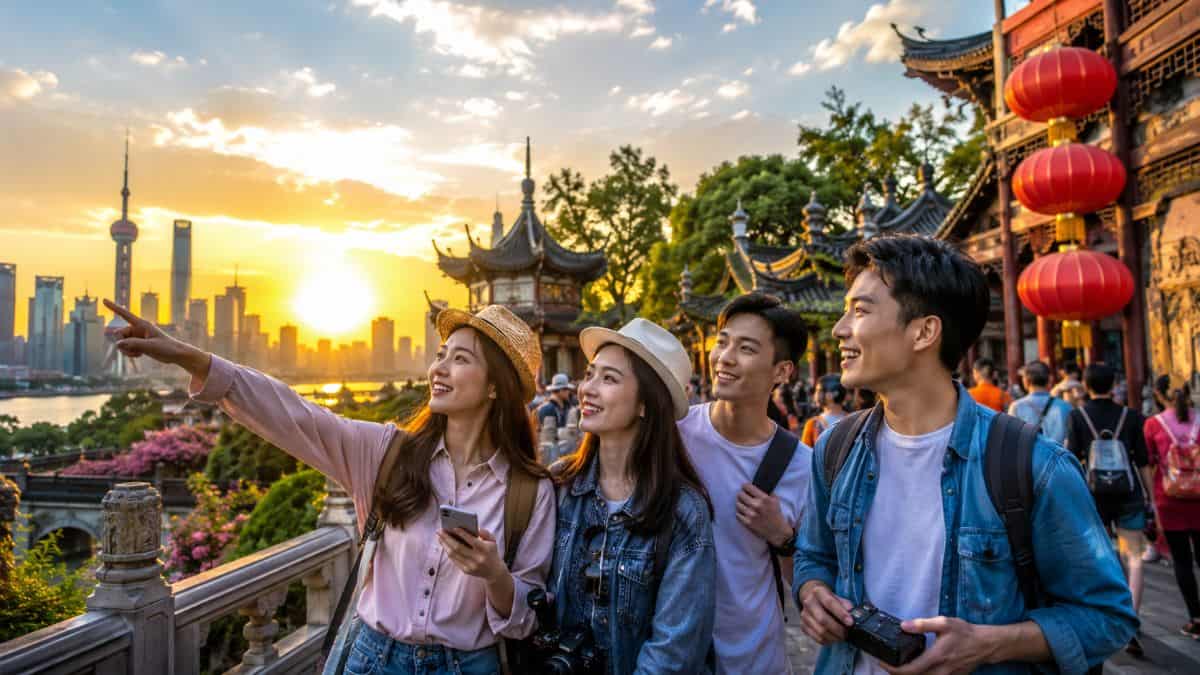
China has unveiled one of its largest seasonal tourism promotion campaigns in recent years by announcing more than 450 million yuan (approximately US$66 million) in travel vouchers to stimulate domestic tourism during the peak summer travel season. The initiative comes as destinations across Asia continue investing in tourism recovery, visitor experiences, and regional travel demand. Similar strategies have been witnessed in countries including Japan, South Korea, Thailand, and Singapore, where governments and tourism organizations are encouraging travel through targeted incentives, cultural events, and destination marketing.
The Ministry of Culture and Tourism officially launched the nationwide summer culture and tourism consumption season in Qinghai Province, marking the beginning of a nearly two-month campaign running from early July until the end of August. The initiative combines financial incentives with an extensive calendar of tourism events, aiming to encourage families, young travelers, cultural enthusiasts, and domestic holidaymakers to explore destinations throughout the country.
Advertisement
Advertisement
Beyond the financial stimulus, the campaign reflects China’s broader strategy of strengthening domestic consumption while showcasing the country’s diverse cultural heritage, natural landscapes, museums, coastal destinations, and emerging tourism experiences. Industry observers believe the combination of travel vouchers, expanded tourism products, and thousands of cultural events could significantly increase domestic travel activity during one of the busiest holiday periods of the year.
China Launches Nationwide Summer Tourism Consumption Campaign
The Ministry of Culture and Tourism announced that over 30,000 cultural and tourism consumption activities will take place across the country throughout July and August.
Advertisement
Advertisement
The nationwide initiative is designed to support tourism businesses while encouraging travelers to visit destinations that offer immersive cultural, recreational, educational, and leisure experiences.
| Campaign Highlights | Details |
|---|---|
| Travel voucher value | Over 450 million yuan |
| Campaign period | Early July to end of August 2026 |
| Launch location | Qinghai Province |
| Planned events | More than 30,000 nationwide |
| Primary objective | Boost domestic tourism and consumer spending |
The campaign demonstrates China’s commitment to strengthening domestic tourism as a major contributor to economic activity during the summer holiday period.
Advertisement
Advertisement
Travel Vouchers Aim to Encourage More Domestic Trips
The travel voucher initiative is expected to reduce travel costs for millions of domestic travelers while encouraging longer holidays and increased tourism spending.
Financial incentives have increasingly become an effective tool for stimulating tourism demand, particularly during peak travel seasons when families are planning vacations.
The vouchers are expected to be distributed through local governments, tourism authorities, and participating tourism businesses across multiple provinces.
Industry analysts suggest that financial incentives often generate spending well beyond the initial subsidy value because travelers also spend on accommodation, transportation, dining, shopping, entertainment, and local attractions.
| Expected Economic Impact | Tourism Benefit |
|---|---|
| Reduced travel costs | Encourages more bookings |
| Increased visitor spending | Supports local businesses |
| Longer vacation duration | Higher tourism revenue |
| Greater regional travel | Balanced tourism development |
Thousands of Cultural Activities Expand Tourism Choices
One of the campaign’s defining features is its emphasis on combining travel with cultural experiences.
Rather than focusing solely on traditional sightseeing, China is promoting experiences that allow visitors to engage with regional traditions, local cuisine, museums, performances, and educational attractions.
Advertisement
Advertisement
Authorities have announced that tourism offerings will include:
| Tourism Experiences | Visitor Appeal |
|---|---|
| Summer mountain retreats | Cool-weather escapes |
| Coastal vacations | Beach tourism |
| Night tourism | Evening entertainment |
| Cruise experiences | Waterfront travel |
| Yacht activities | Premium leisure tourism |
| Family holidays | Multi-generational travel |
| Study tours | Educational travel |
| Culinary tourism | Regional food experiences |
| Museum visits | Cultural heritage |
This diversified approach reflects changing traveler preferences, where visitors increasingly seek authentic and experience-driven holidays rather than traditional sightseeing alone.
Domestic Tourism Continues to Drive China’s Travel Economy
Domestic tourism has become one of the strongest pillars of China’s visitor economy.
With extensive transportation infrastructure, expanding high-speed rail networks, improved highways, and growing tourism investment, domestic travel has become increasingly accessible across multiple regions.
Summer remains one of the country’s busiest travel periods due to school holidays, making July and August ideal months for tourism promotion campaigns.
Travel vouchers are expected to stimulate demand across urban destinations, scenic rural regions, cultural heritage sites, and natural attractions.
Advertisement
Advertisement
| Key Domestic Travel Drivers | Influence |
|---|---|
| School vacations | Higher family travel |
| Improved transportation | Easier regional connectivity |
| Cultural attractions | Increased visitor engagement |
| Financial incentives | More affordable holidays |
Regional Tourism Trends Reflect Similar Strategies
China’s latest initiative mirrors broader tourism trends seen across Asia.
Countries such as Japan, South Korea, Thailand, and Singapore have all introduced campaigns encouraging domestic and regional travel through destination promotions, seasonal events, cultural festivals, aviation partnerships, and visitor incentives.
Although each country follows its own tourism strategy, a common objective remains increasing visitor spending while supporting tourism businesses.
China’s approach combines direct financial assistance with large-scale cultural programming, offering travelers both economic value and expanded travel experiences.
| Country | Tourism Focus |
|---|---|
| China | Travel vouchers and cultural events |
| Japan | Seasonal domestic tourism campaigns |
| South Korea | Regional cultural tourism promotion |
| Thailand | Experience-based tourism development |
| Singapore | Lifestyle and event-driven tourism |
These initiatives collectively illustrate how Asian destinations continue adapting tourism strategies to changing traveler expectations.
Tourism Businesses Expected to Benefit
Hotels, restaurants, attractions, museums, transportation providers, cruise operators, and local tourism enterprises are expected to experience increased demand throughout the campaign.
Advertisement
Advertisement
The expanded calendar of tourism activities provides opportunities for businesses of all sizes to participate in regional tourism growth.
Local governments are also expected to introduce complementary promotional initiatives tailored to their destinations, further strengthening visitor engagement.
Tourism professionals note that collaborative campaigns involving government agencies, tourism boards, cultural institutions, and private businesses often generate stronger visitor participation than standalone promotions.
| Beneficiaries | Expected Outcome |
|---|---|
| Hotels | Higher occupancy |
| Restaurants | Increased dining revenue |
| Attractions | More visitors |
| Museums | Greater attendance |
| Local retailers | Higher consumer spending |
| Cruise operators | Increased bookings |
Cultural Tourism Strengthens Destination Appeal
China continues placing greater emphasis on integrating cultural heritage into modern tourism experiences.
Museums, traditional arts, regional cuisine, festivals, historical landmarks, and educational attractions are increasingly becoming central components of domestic travel itineraries.
The Ministry of Culture and Tourism’s latest campaign highlights how cultural experiences can complement leisure travel while encouraging visitors to explore lesser-known destinations.
Advertisement
Advertisement
Experts suggest that experience-led tourism not only generates economic benefits but also strengthens appreciation for regional traditions and heritage conservation.
Summer Campaign Reinforces China’s Long-Term Tourism Vision
The 2026 summer tourism consumption season represents more than a seasonal promotion.
It reflects China’s broader long-term objective of strengthening domestic tourism resilience, encouraging regional economic development, supporting tourism businesses, and expanding cultural participation.
By combining substantial travel vouchers with thousands of nationwide events, the campaign creates multiple reasons for travelers to explore destinations throughout the country during the summer holiday period.
As tourism continues evolving across Asia, initiatives that combine affordability, accessibility, cultural experiences, and diversified attractions are likely to remain central to destination competitiveness.
China’s latest campaign positions the country to capture strong domestic travel demand while reinforcing tourism as an important contributor to economic growth, regional development, and cultural engagement throughout the summer season.
Advertisement
Advertisement
Frequently Asked Questions
1. How much is China investing in the summer travel voucher campaign?
China is distributing more than 450 million yuan in travel vouchers to encourage domestic tourism during the summer season.
2. When does the campaign run?
The nationwide campaign runs from early July until the end of August 2026.
3. Who announced the tourism campaign?
The initiative was launched by China’s Ministry of Culture and Tourism.
4. Where was the campaign officially launched?
The summer tourism consumption season was launched in Qinghai Province.
5. How many tourism events are planned?
More than 30,000 cultural and tourism consumption events are scheduled nationwide.
6. What types of tourism experiences are included?
The campaign promotes coastal holidays, mountain retreats, cruises, yachting, family vacations, study tours, museum visits, culinary tourism, and nighttime travel.
Advertisement
Advertisement
7. What is the main purpose of the travel vouchers?
The vouchers aim to reduce travel costs, stimulate domestic tourism, increase visitor spending, and support tourism businesses.
8. Which sectors are expected to benefit?
Hotels, restaurants, museums, attractions, transportation providers, cruise operators, retailers, and local tourism businesses are expected to benefit.
9. How does this campaign compare with other Asian tourism strategies?
Like Japan, South Korea, Thailand, and Singapore, China is using incentives and experience-driven tourism promotion to encourage travel and strengthen its tourism economy.
10. Why is domestic tourism important for China?
Domestic tourism supports economic growth, creates employment, strengthens regional development, promotes cultural heritage, and helps sustain tourism businesses throughout the country.
Advertisement
