
Spain Joins France, Italy, Malta, Portugal, Monaco, Gibraltar and More in a Western Mediterranean Cruise Boom Rewriting Global Tourism Maps, Supercharging Mega-Ship Traffic and Triggering a New Era of Luxury Maritime Expansion

Published
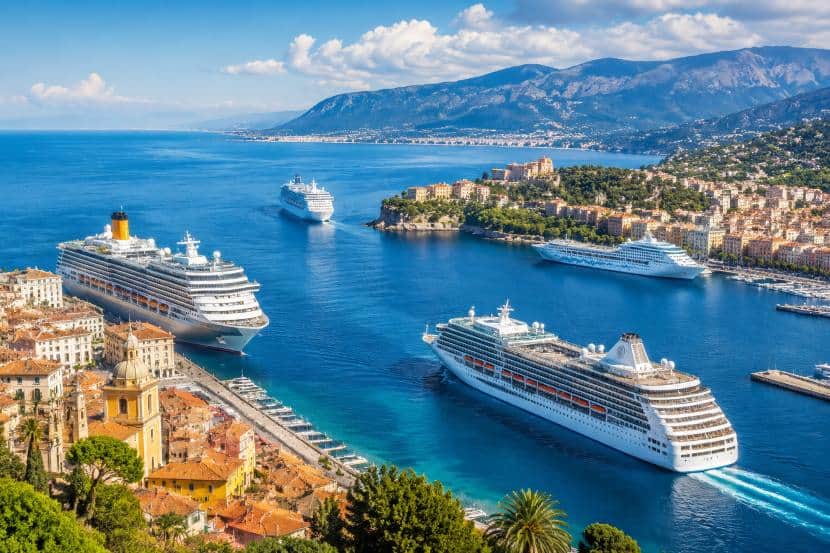
A major transformation in European coastal travel is being driven by a tightly connected Western Mediterranean cruise system, where rising demand for multi-country itineraries is reshaping how tourism flows across Spain, France, Italy, Malta, Portugal, Monaco, Gibraltar and additional maritime nodes operate as a single integrated corridor. This expansion is being powered by large-scale cruise deployment, upgraded port infrastructure, and coordinated maritime policies that collectively support higher passenger volumes and faster route circulation across Southern Europe and the Atlantic gateway.
Spain leads this surge through its dominant cruise hubs, while France strengthens regulatory balance and cultural connectivity between routes. Italy remains the heritage core, offering dense historical access points that sustain high tourism value. Malta functions as a strategic mid-ocean bridge, enabling smooth transitions between Western and Eastern Mediterranean circuits. Portugal extends the system into the Atlantic, reinforcing repositioning routes and seasonal fleet movements. Monaco and Gibraltar add specialised value, supporting luxury tourism and maritime logistics at opposite ends of the experience spectrum.
Together, this interconnected structure is producing a cruise boom characterised by mega-ship expansion, port modernisation, environmental compliance upgrades, and evolving tourism demand patterns. The result is a redefined maritime travel landscape where Europe’s coastal destinations operate as one continuous, high-density tourism network rather than isolated national cruise markets.
Spain – The Dominant Cruise Gateway of the Western Mediterranean System
Spain is the largest and most influential cruise entry point in the Western Mediterranean maritime corridor. It handles massive passenger volumes, high-frequency cruise departures and large-scale port operations that connect global tourism flows into Europe’s southern coastal system.
Advertisement
Advertisement
Spain’s cruise structure is built on three core pillars: Barcelona as the primary mega-hub, Valencia as the capacity expansion port, and the Balearic Islands as seasonal tourism satellites.
Barcelona – Europe’s Most Powerful Cruise Megaport Hub
Barcelona functions as the central operational engine of Western Mediterranean cruising. It is one of the highest-volume cruise ports in Europe, designed to handle multiple large vessels simultaneously through dedicated cruise terminal zones.
Advertisement
Advertisement
Barcelona’s port layout has evolved in response to rising passenger numbers and urban congestion concerns. Cruise terminals are strategically positioned away from the historic city centre to reduce pressure on landmarks and residential districts.
The port is directly connected to international aviation infrastructure, enabling fast turnaround between global flights and cruise embarkation. This makes Barcelona the primary starting point for multi-country Mediterranean itineraries linking Spain, France and Italy in continuous loops.
Operationally, Barcelona represents the “assembly point” of the Western Mediterranean cruise system, where passengers from across the world enter a highly structured maritime tourism network.
Valencia – Strategic Overflow and Capacity Redistribution Hub
Valencia has grown into a critical secondary cruise gateway within Spain’s maritime system. It absorbs overflow traffic from Barcelona while expanding long-term cruise infrastructure capacity.
The port’s development strategy focuses on accommodating larger vessels and improving passenger flow efficiency through upgraded terminals and logistics corridors.
Valencia strengthens Spain’s position as a dual-port cruise nation, ensuring operational resilience during peak tourism seasons.
Advertisement
Advertisement
Balearic Islands – High-Intensity Seasonal Cruise Circuit
The Balearic Islands, including Palma de Mallorca and Ibiza, function as high-frequency cruise stops within Spain’s tourism ecosystem. These islands operate as seasonal destinations integrated into broader Mediterranean cruise loops.
Their appeal is driven by coastal tourism, short excursion visits and strong summer demand cycles. Together, they provide Spain with a layered cruise system combining mega-port infrastructure and island-based leisure tourism.
France – The Regulatory Backbone and Cultural Connector of the Mediterranean Cruise Route
France plays a dual strategic role in the Western Mediterranean cruise system. It connects Spain and Italy while also enforcing some of the strictest maritime environmental and tourism management policies in Europe.
France’s cruise framework is defined by environmental compliance, coastal tourism density and luxury destination integration.
Marseille – Central Cruise Control and Environmental Compliance Hub
Marseille is France’s primary Mediterranean cruise port and a key structural link in Western Mediterranean itineraries.
Marseille operates under strong environmental governance frameworks aligned with European maritime regulations. The port is actively deploying shore-power systems, enabling cruise ships to shut down engines while docked and connect directly to the local electrical grid.
Advertisement
Advertisement
This transformation reduces emissions in densely populated coastal zones and aligns with EU climate objectives for maritime transport.
Marseille also functions as a transit hub connecting Spanish departure ports with Italian heritage destinations, making it essential to route continuity.
French Riviera – High-Value Cruise Luxury Corridor
The French Riviera, including Cannes, Nice and Toulon, forms a concentrated luxury cruise circuit. These destinations are designed for short but high-value passenger experiences focused on culture, coastal scenery and premium tourism services.
France’s cruise model is therefore a hybrid system balancing mass tourism throughput in Marseille with elite tourism experiences along the Riviera coastline.
Italy – The Cultural Core and Heritage Engine of Western Mediterranean Cruises
Italy represents the cultural and historical backbone of the Western Mediterranean cruise network. It contains some of the most visited heritage sites in the world, making it the central attraction zone of the entire system.
Italy’s cruise ports are structured around historical cities, archaeological zones and Renaissance tourism circuits.
Advertisement
Advertisement
Rome – Global Heritage Magnet via Civitavecchia Cruise Gateway
Rome is accessed through Civitavecchia, one of the busiest cruise terminals in Europe.
Civitavecchia functions as the primary entry point for millions of passengers visiting Rome’s ancient and religious landmarks. The port connects directly to rail and road networks leading to the Colosseum, Vatican City and Roman Forum.
Its role is central to Italy’s cruise economy, acting as the bridge between maritime tourism and inland heritage exploration.
Naples – Southern Cultural and Coastal Tourism Hub
Naples serves as the gateway to Pompeii, Capri and the Amalfi Coast. It is one of the densest tourism regions in the Mediterranean, combining archaeological heritage with volcanic landscapes and coastal tourism.
Livorno – Renaissance Tourism Access Point
Livorno connects cruise passengers to Florence and Pisa, making it a key access port for Renaissance-era tourism. It is heavily used in cultural cruise itineraries focused on art, history and architecture.
Genoa – Northern Maritime Infrastructure Node
Genoa serves as a northern operational hub supporting Mediterranean and repositioning cruise routes toward the Atlantic and Northern Europe.
Advertisement
Advertisement
Venice Restrictions – Heritage Protection and Traffic Redistribution
Italy has introduced strict maritime controls in sensitive heritage zones. Large cruise vessels are restricted from Venice’s historic waterways to protect fragile urban ecosystems.
This has redirected cruise traffic to alternative ports such as Trieste and Ravenna, reshaping Italy’s cruise distribution network.
Malta – The Strategic Bridge Between Western and Eastern Mediterranean Cruise Systems
Malta is a geographically compact but strategically critical cruise hub in the Mediterranean system.
Its location between Italy, North Africa and the Eastern Mediterranean allows it to function as a transition point in multi-region cruise itineraries.
Valletta – Deep-Water Heritage Cruise Gateway
Valletta operates as a natural deep-water harbour that allows large cruise ships to dock directly near historic fortifications.
Valletta’s port is structured for high-efficiency passenger movement while maintaining strict heritage conservation protocols.
Advertisement
Advertisement
Malta functions as a cultural and logistical bridge in Mediterranean cruise networks, connecting multiple regional cruise loops into a unified system.
Portugal – Atlantic Gateway and Cruise Repositioning Hub
Portugal plays a key role in connecting Atlantic cruise routes with Mediterranean seasonal systems.
Portugal’s cruise function is primarily based on repositioning operations and long-distance cruise transitions.
Lisbon – Atlantic Entry Point to Mediterranean Cruise Routes
Lisbon is the main cruise port integrated into Western Mediterranean itineraries.
Lisbon connects Northern Europe, Atlantic crossings and Mediterranean seasonal cruise routes through its advanced port infrastructure and riverfront tourism system.
Portugal’s strategic value lies in enabling flexible cruise deployment across multiple oceanic regions.
Advertisement
Advertisement
Monaco – Ultra-Luxury Cruise Micro Destination
Monaco represents the high-end luxury segment of Western Mediterranean cruising.
Monte Carlo – Elite Tender-Based Cruise Stop
Monte Carlo is a boutique cruise destination where large vessels anchor offshore and passengers are transferred via tender boats.
Monaco’s cruise identity is defined by luxury tourism, high spending power and exclusive shore experiences along the French Riviera.
It functions as a premium stop within otherwise high-volume Mediterranean cruise itineraries.
Gibraltar – Strategic Maritime Entry and Exit Control Point
Gibraltar is located at the southern entrance of the Mediterranean Sea and functions as a key maritime logistics and navigation hub.
Its role includes customs handling, refuelling, provisioning and transitional operations for cruise ships entering or exiting the Mediterranean from Atlantic routes.
Advertisement
Advertisement
Gibraltar is essential for operational continuity across long-distance cruise deployments.
Mega-Ship Expansion, LNG Transition and Port Infrastructure Transformation
The Western Mediterranean cruise system is now dominated by mega-ships carrying between 5,000 and 7,500 passengers. These vessels have fundamentally changed port design requirements across Spain, France and Italy.
A major transformation is the adoption of LNG propulsion technology, which reduces emissions in coastal tourism zones. This shift aligns with European environmental regulations targeting sulphur and nitrogen oxide reduction.
Simultaneously, shore-power infrastructure is expanding across Barcelona, Marseille and Civitavecchia, enabling ships to switch off engines while docked and connect to local power grids.
This represents a structural shift toward low-emission cruise operations in Europe.
Overtourism Pressure and Regulatory Reshaping of Cruise Traffic
The rapid growth of cruise tourism has led to overtourism pressures across Spain, France and Italy. Urban authorities have introduced operational caps, terminal redistribution strategies and environmental restrictions to manage passenger flows.
Advertisement
Advertisement
Barcelona has reorganised cruise terminal usage. Marseille has strengthened environmental controls. Italy has restricted access to sensitive heritage zones.
These policies are reshaping cruise itineraries and forcing structural changes in route planning across the Western Mediterranean.
Western Mediterranean Cruise System – A Fully Integrated Maritime Tourism Engine
The Western Mediterranean cruise corridor operates as a unified multinational system where each country performs a specialised role.
Spain provides scale and passenger entry, France provides regulation and connectivity, Italy provides heritage density, Malta provides geographic transition, Portugal provides Atlantic linkage, and Monaco and Gibraltar provide niche luxury and strategic functions.
This integrated structure enables seamless cross-border tourism movement within a single itinerary, making it one of the most efficient cruise systems globally.
Spain joins France, Italy, Malta, Portugal, Monaco, Gibraltar and more in a Western Mediterranean cruise boom because rising demand, mega-ships and port upgrades are boosting tourism and reshaping Europe travel.
Advertisement
Advertisement
Final Outlook – Europe’s Most Dense and Powerful Cruise Corridor
The Western Mediterranean cruise system continues to evolve as a high-density tourism engine driven by infrastructure investment, environmental regulation and global demand.
Despite increasing regulatory pressure and overtourism challenges, the region maintains strong growth due to its unmatched combination of cultural heritage, geographic proximity and multi-country accessibility.
Spain, France, Italy, Malta, Portugal, Monaco and Gibraltar collectively form a maritime tourism super corridor that defines the future structure of European cruise travel and global coastal tourism economics.
Advertisement
