
Japan Rural Travel Now Booms as Abandoned Homes Become Luxury Renovation and Tourism Opportunity Across Villages

Published
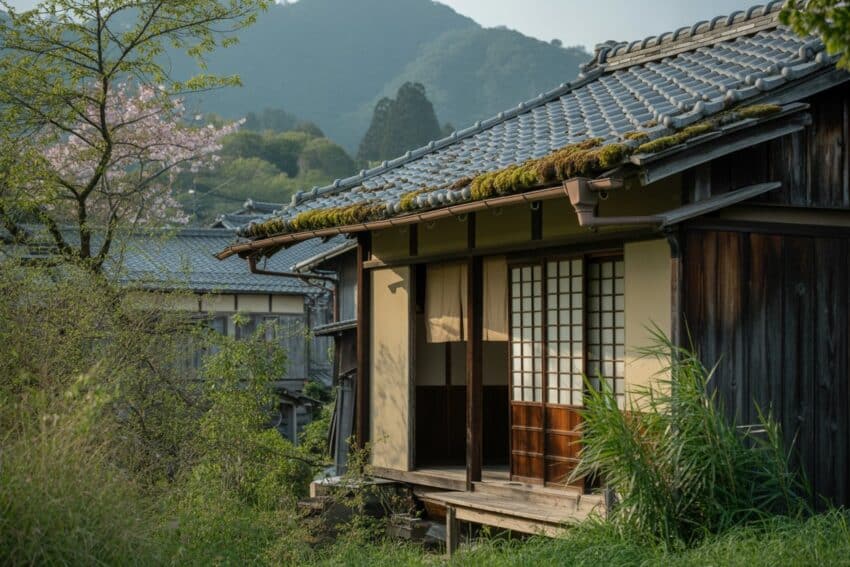
Japan travel now is experiencing a striking transformation as abandoned rural homes, known as akiya, are increasingly becoming part of a new tourism and lifestyle migration movement. The Japan travel now trend is being shaped by a rising number of vacant homes across countryside regions, where both domestic and international interest is growing rapidly. According to official data from Japan’s Ministry of Land, Infrastructure, Transport and Tourism (MLIT), the country currently has millions of unoccupied homes due to long-term demographic changes, urban migration, and population decline. These vacant properties are now being re-evaluated not just as housing challenges but also as opportunities for rural revitalisation and tourism development. What was once considered a declining rural issue is now becoming a unique global travel and lifestyle phenomenon.
🏚️ What Are Akiya Homes and Why Are They Increasing Across Japan Now?
Akiya refers to vacant or abandoned houses that remain unoccupied for long periods. According to MLIT definitions, these homes are typically left behind due to ageing populations, inheritance complications, and migration to urban centres such as Tokyo, Osaka and Yokohama. Japan’s demographic structure plays a major role in this trend. As younger generations move to cities for education and employment, rural towns continue to lose population, leaving behind large numbers of unused properties. In many cases, these homes are old wooden structures, including traditional kominka houses that require maintenance and renovation. The scale of vacant housing in Japan has now become one of the most discussed urban and rural planning issues in the country.
Advertisement
Advertisement
🌾 Why Are Foreign Buyers and Lifestyle Travellers Now Interested in Akiya Homes?
Interest in Japan’s akiya properties has expanded beyond local buyers, attracting foreign investors, digital nomads, and lifestyle travellers seeking rural experiences. One key factor is affordability, as many akiya homes are priced significantly lower than urban properties. Government-supported akiya bank systems in various prefectures list abandoned homes for sale or rent, encouraging relocation and rural investment. These platforms aim to revive local economies by bringing new residents into declining villages. Foreign buyers are particularly attracted to traditional architecture, scenic countryside locations, and the idea of slow living in rural Japan. However, ownership does not guarantee residency rights, and buyers must comply with immigration regulations.
🏡 What Is Driving Japan’s Growing Abandoned Home Crisis Now?
The akiya trend is driven by three major structural factors: population decline, urban migration, and inheritance challenges. According to official MLIT statistics, Japan’s ageing population has led to a sharp increase in rural housing vacancies. Many properties are left unused because maintenance costs are high and demolition expenses often exceed property value. Inheritance issues also complicate ownership, leaving homes legally unclear or financially burdensome. As a result, families frequently choose to abandon properties rather than invest in renovation or upkeep, contributing to the rising number of vacant homes across rural Japan.
Advertisement
Advertisement
🏚️ How Are Akiya Homes Being Reused for Tourism and Rural Revival Now?

Across Japan, akiya homes are increasingly being repurposed into tourism accommodations, guesthouses, and cultural experiences. Local governments and private developers are converting abandoned homes into rural lodges that allow visitors to experience traditional Japanese countryside living. These renovated properties often preserve original wooden architecture while adding modern amenities for tourism use. Some akiya homes are also transformed into cafés, art spaces, and community centres aimed at revitalising rural economies. This growing trend is turning abandoned properties into active contributors to Japan’s tourism and hospitality industry.
🧭 What Challenges Exist in Restoring Akiya Homes Across Japan Now?
Despite rising interest, restoring akiya homes presents several challenges. Many properties require extensive renovation, including structural reinforcement, electrical upgrades, and earthquake-proofing to meet modern safety standards. Legal complexities also arise due to unclear ownership, inheritance disputes, and zoning restrictions in rural areas. In addition, many akiya homes are located in remote villages with limited access to transport, utilities, and commercial infrastructure. Experts caution that while purchase prices may be low, overall renovation and maintenance costs can be significantly high.
Advertisement
Advertisement
🌍 Why Are Rural Japanese Communities Still Facing Population Decline?
Japan’s rural depopulation continues to be driven by economic and social shifts. Younger generations are moving to cities for better job opportunities, education, and lifestyle choices, leaving rural towns with ageing populations. As rural communities shrink, maintaining infrastructure and housing becomes increasingly difficult. This long-term demographic trend is a key reason behind the expanding akiya inventory across the country. Government policies are now increasingly focused on reversing this trend through incentives for relocation and rural revitalisation programmes.
🌟 Final Outlook: Japan Travel Now Enters New Rural Revival Era Through Akiya Transformation
Japan’s akiya phenomenon is evolving from a housing challenge into a global lifestyle and tourism opportunity. Abandoned homes are being reimagined as guesthouses, cultural spaces, and rural living experiences that attract both domestic and international interest. Supported by government initiatives such as akiya bank systems and rural revitalisation policies, these properties are becoming central to Japan’s countryside recovery strategy. For travellers, investors, and lifestyle seekers, akiya represents a unique gateway into authentic rural Japan. As this trend grows, it signals a major shift in how abandoned spaces can be transformed into meaningful tourism, community revival, and sustainable living opportunities across Japan’s countryside.
Advertisement
