
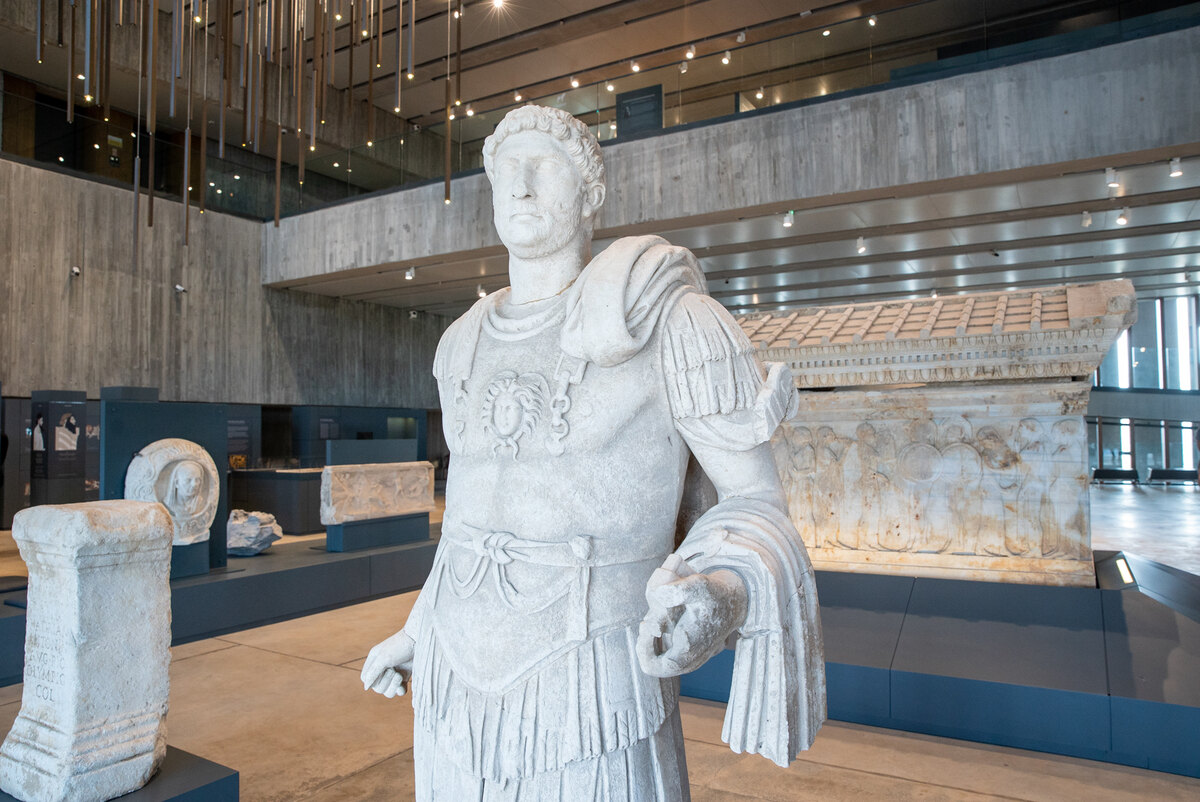
Image generated with Ai
Türkiye is bringing the vivid story of Troy to the world and stirring their imagination as ancient cities continue to motivate our literature, art, and discoveries. From Homer’s Iliad and Odyssey to the contemporary versions, the journey of Troy has become a strong symbol of mythology and our journey through civilization and discoveries.
Located in Türkiye’s North Aegean region near Çanakkale, the Archaeological Site of Troy stands as a remarkable connection between ancient legends and real historical achievements. Recognised as a UNESCO World Heritage Site since 1998, Troy represents thousands of years of human settlement and cultural interaction between Anatolia, the Aegean, and wider Mediterranean worlds.
Advertisement
Today, Türkiye is expanding Troy’s global reach through international exhibitions, academic programmes, and cultural events that introduce this legendary destination to new generations of travellers and history enthusiasts.
Türkiye has placed Troy’s remarkable archaeological heritage at the centre of global attention through a major exhibition at Rome’s Colosseum, one of the world’s most recognised historical landmarks. Opened on June 11, the exhibition presents an extraordinary collection of Trojan artefacts, creating one of the most significant international showcases dedicated to the ancient city in recent years.
Advertisement
Advertisement
The exhibition brings together 221 valuable artefacts from Türkiye and Italy, highlighting the richness and diversity of Troy’s archaeological discoveries. Collections from 19 museums across Türkiye, including the Troy Museum in Çanakkale, form a major part of the display. Among the treasures presented, 50 artefacts are being shown in Italy for the first time, while another 80 objects have been contributed from Italian museum collections.
By placing Troy’s history within the historic walls of the Colosseum, the exhibition creates a powerful cultural dialogue between two ancient civilisations. It allows visitors to explore the story of a city that has influenced art, literature, archaeology, and imagination for centuries.
The exhibition also strengthens Troy’s position as a universal heritage destination, demonstrating why the ancient city continues to attract worldwide interest.
Türkiye’s efforts to share Troy’s heritage are extending far beyond Rome. International conferences, photography exhibitions, and academic programmes are introducing the legendary city to audiences around the world.
Following a successful conference and photography exhibition at the Turkish House in New York, Troy’s cultural journey continues in the Netherlands. A special photography exhibition dedicated to the ancient city is scheduled to open at the Yunus Emre Institute in Amsterdam on June 28.
The following day, Professor Rüstem Aslan, Head Archaeologist of the Troy excavations, will present a conference at Leiden University, offering valuable insights into archaeological research, discoveries, and the continuing importance of Troy.
These global events are helping travellers and researchers understand the importance of Troy beyond its famous myths. However, exhibitions can only provide a glimpse of the experience. The true atmosphere of Troy can only be discovered by visiting the ancient city itself, located approximately 30 kilometres from Çanakkale city centre.
Türkiye’s Çanakkale region offers visitors far more than an archaeological journey. Positioned at the northern gateway of the Aegean and overlooking the Çanakkale Strait, also known as the Dardanelles, the destination combines dramatic landscapes, cultural treasures, and unforgettable historical experiences.
Travellers can explore beautiful beaches, enjoy water activities, follow scenic cycling routes, discover peaceful campsites, and experience boutique wine trails surrounded by stunning landscapes.
The region also carries deep historical significance as the location of the Gallipoli Campaign, one of the defining events of the First World War. Visitors can walk through historic battlefields and explore underwater shipwrecks that reveal another chapter of the region’s past.
Beyond history, Çanakkale offers breathtaking natural attractions. The green landscapes of Mount Ida provide opportunities for outdoor adventures, while the clear waters of Assos and the unique island character of Bozcaada and Gökçeada attract travellers seeking relaxation and authentic experiences.
Yet, among all the treasures of Çanakkale, Troy remains the destination’s greatest symbol. A giant wooden Trojan Horse in the city centre welcomes visitors and offers a powerful introduction to the legendary world that awaits beyond.
Türkiye’s Troy offers visitors the rare opportunity to walk through layers of civilisation that span thousands of years. Located in Tevfikiye village near Çanakkale, the ancient city is internationally recognised as the place that inspired Homer’s legendary Iliad.
Although Troy is best remembered for the Trojan War, archaeological discoveries reveal a much deeper story. The city existed long before the famous conflict and developed into a major settlement connecting different cultures across Anatolia and the Aegean.
The UNESCO-listed Archaeological Site of Troy reveals a complex history built across multiple layers of settlement. The remains showcase thousands of years of human activity, including Bronze Age structures, Greek and Roman influences, and later historical periods.
At the entrance of the site, visitors are welcomed by a monumental wooden Trojan Horse, creating an immediate connection with the myths that made Troy famous. From there, travellers can explore ancient walls, streets, fortifications, and architectural remains that reveal the reality behind one of history’s greatest legends.
Walking through Troy is not simply a visit to an archaeological site. It is a journey through human civilisation, where mythology and history meet in one extraordinary landscape.
Troy’s influence reaches far beyond the borders of Türkiye. The ancient city also plays a major role in the legendary origins of Rome through the story of Aeneas.
According to Virgil’s Aeneid, Trojan Prince Aeneas survived the destruction of Troy and travelled across the Mediterranean in search of a new homeland. His legendary journey eventually brought him to Latium in Italy, where his descendants were believed to have established the foundations of Rome.
Known as the “Aeneas Route”, this historic connection has been recognised as a Cultural Route by the Council of Europe. The route highlights the cultural links between Troy, Anatolia, and Europe while showing the lasting influence of Trojan traditions.
Beyond mythology, Troy’s importance remains firmly connected to archaeology and cultural history. The ancient city helped shape some of the world’s most influential literary and artistic traditions, leaving a legacy that continues to inspire writers, researchers, and travellers.
Türkiye’s Troy is therefore not only a destination of ancient ruins but also a place where the foundations of storytelling and cultural identity can be explored.
The Troy experience continues beyond the archaeological site through the impressive Troy Museum located near the entrance. Designed with a modern architectural approach, the museum allows visitors to explore the city’s history through immersive exhibitions and carefully preserved artefacts.
The museum presents Troy’s complex past across three levels, connecting ancient discoveries with modern storytelling techniques. Visitors can discover treasures recovered from archaeological excavations and gain a deeper understanding of the different civilisations that shaped the city.
By combining advanced presentation methods with historical research, the Troy Museum creates a bridge between the ancient world and today’s travellers.
Together, the archaeological ruins and the museum provide a complete cultural experience, allowing visitors to understand both the legendary Troy of Homer and the real city that existed for thousands of years.
Türkiye’s Troy continues to stand as one of the world’s most extraordinary heritage destinations — a place where myths, archaeology, history, and human imagination come together in a story that has survived across generations.
Advertisement
Advertisement
Advertisement













Thursday, September 3, 2026

Thursday, September 3, 2026

Thursday, September 3, 2026

Thursday, September 3, 2026

Thursday, September 3, 2026

Wednesday, September 2, 2026

Thursday, September 3, 2026

Thursday, September 3, 2026


