
The Future of Sustainable Travel: Why El Salvador Is Hosting the 2027 Global Tourism Summit

Updated
Published
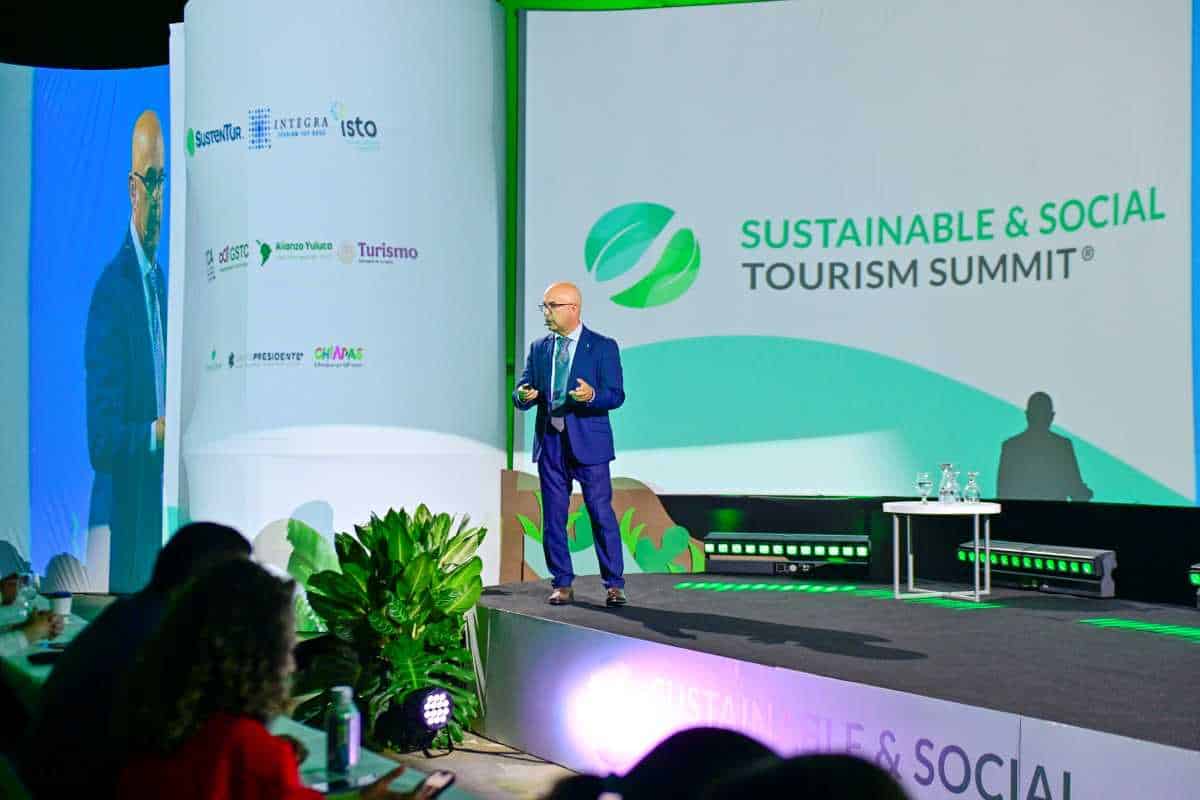
Sustainable tourism is no longer an abstract ideal discussed in academia but has become an urgent operational necessity for global destinations facing unprecedented environmental and technological transformations. This reality was recently underscored as El Salvador prepares to take its place on the world stage. With the travel industry facing the double challenge of climate change and digital disruption, stakeholders are eager for actionable frameworks that reconcile economic expansion with ecological conservation and social equity. Knowing where the industry is going, and knowing how countries like El Salvador, the host of the upcoming 2027 summit, are leading the way, is critical for travel professionals, policymakers and conscientious globetrotters navigating the next age of global mobility.
Decoding the Tenth Edition: Key Takeaways from Mexico City
The recent conclusion of the tenth edition of the Sustainable & Social Tourism Summit in Mexico City marked a pivotal milestone for international destination management. Over three intensive days, more than 323 delegates hailing from 21 countries converged to deliberate on the intersection of innovation, artificial intelligence, destination management, and climate action. Discussions centered heavily on how emerging technologies can be harnessed to optimize visitor flows, reduce carbon footprints, and ensure that local communities reap the economic benefits of tourism rather than bearing its infrastructural burdens.
Throughout the plenary sessions and workshops, experts emphasized that modern sustainable tourism must transcend basic conservation efforts. It now requires rigorous data-driven governance, transparent carbon accounting, and inclusive community engagement models. Delegates explored case studies where artificial intelligence successfully predicted ecological stress points in fragile ecosystems, allowing local authorities to implement dynamic pricing and capacity caps before permanent environmental degradation occurred. These insights established a high benchmark for the ongoing evolution of responsible travel standards worldwide.
What is Sustainable and Social Tourism?
Sustainable and social tourism represents a comprehensive approach to travel that minimizes negative environmental impacts while actively enhancing the socio-economic well-being of host communities. Unlike traditional mass tourism, which often leads to resource depletion and cultural commodification, this model prioritizes local employment, fair wages, preservation of indigenous heritage, and strict adherence to ecological limits. According to international frameworks established by organizations like the World Tourism Organization, true sustainability ensures that tourism development meets the needs of present generations without compromising the ability of future generations to meet their own needs.
Advertisement
Advertisement
Why El Salvador Was Chosen as the 2027 Host Country
The official announcement confirming El Salvador as the host for the eleventh edition—scheduled from May 18 to 20, 2027—has generated significant international enthusiasm. El Salvador has rapidly emerged as a dynamic laboratory for innovative economic and social revitalization through strategic tourism initiatives. The nation’s ambitious investments in coastal infrastructure, renewable energy integration, and comprehensive public security reforms have transformed its global reputation, making it an ideal case study for emerging destinations seeking rapid yet responsible transformation.
Hosting the summit provides El Salvador with a prestigious platform to showcase its unique ecological assets, ranging from volcanic mountain ranges to protected surf reserves managed under strict community-led conservation protocols. Furthermore, the selection underscores a broader regional shift toward elevating Central America as a powerhouse for progressive, community-driven tourism strategies. International delegates will be given a firsthand look at how national policy can successfully align with grassroots social enterprises to foster resilient local economies.
Advertisement
Advertisement
How Artificial Intelligence is Revolutionizing Destination Management
The integration of artificial intelligence into destination management was one of the most heavily debated topics during the Mexico City summit. Modern tourism boards are increasingly relying on machine learning algorithms and predictive analytics to solve long-standing overtourism challenges. By analyzing real-time foot traffic data, social media sentiment, and booking patterns, destination managers can dynamically redistribute tourist density across lesser-known regional attractions, thereby alleviating pressure on iconic historical and ecological landmarks.
In addition to crowd management, AI-driven carbon tracking tools are being deployed to measure the exact environmental impact of hospitality operations, aviation, and local transport networks. These technologies enable destinations to implement targeted mitigation strategies and provide travelers with transparent data regarding their personal trip footprints. As these digital solutions mature, they are expected to become standard fixtures in global destination toolkits, bridging the gap between ambitious climate targets and daily operational realities.
Preparing for the 2027 Summit: Strategic Next Steps for Industry Leaders
With the eyes of the world tourism industry set on the next meeting in Central America, professionals in the sector are invited to start adapting their operational structures to the approaches discussed in Mexico City. Destination marketing organisations, hospitality groups and policymakers need to rethink their current sustainability metrics, including social equity measures and technological integration. The partnerships that are forged today will serve as the foundation for the cooperative agreements that are signed on the world stage in 2027.
Achieving a fully sustainable global tourism sector will require constant adaptation, rigorous data analysis and a steadfast commitment to host communities. By examining the successes of previous summits and preparing for the technological and geographical changes that the upcoming El Salvador event highlights, stakeholders are able to ensure travel remains a powerful engine for positive change around the world.
[Source: Sustainable & Social Tourism Summit]
Advertisement
