
Austria Joins Hungary, Czechia and More as Central Europe Unites to Create One Powerful Travel Destination: What All You Need to Know

Published
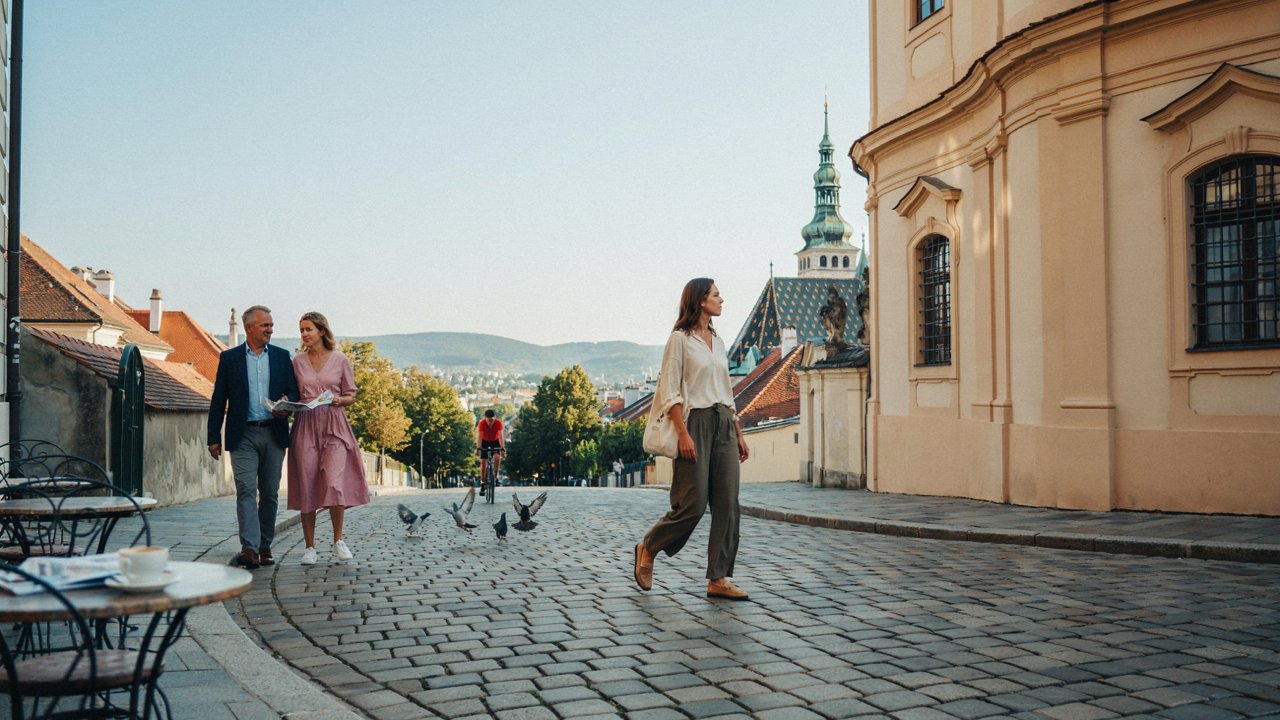
Image generated with Ai
Central Europe is moving towards a stronger tourism identity by promoting the region as a connected destination rather than a collection of separate countries. Through promoting Central Europe as an interconnected destination, the region is reinforcing its tourism identity compared to a collection of different countries. This is intended to encourage travelers to visit multiple nations during one journey and combine historical cities, natural landscapes, cultural practices and gastronomy.
The tourist region sees destinations sharing the same history, landscape and interconnectedness of transportation systems. Austria, Czechia, Hungary, Poland, Slovakia and Slovenia combine their tourism potential to attract tourists wishing to have an experience in Europe. Instead of focusing on national tourism attractions, this approach seeks to promote Central Europe as a unique tourist region where tourists could travel through capitals, rural areas, mountain areas and cultural hubs.
Advertisement
Advertisement
Why Central Europe Is Becoming a Combined Tourism Destination
Central Europe offers travellers a unique advantage: a high concentration of diverse experiences within a relatively compact area.
Visitors can experience imperial architecture, medieval towns, mountain landscapes, thermal spas, wine regions and traditional cuisine without travelling long distances.
Advertisement
Advertisement
| Tourism Strength | Central European Experience |
| Cultural heritage | Historic cities, castles and UNESCO sites |
| Nature tourism | Mountains, forests, lakes and national parks |
| Gastronomy | Regional cuisine and wine traditions |
| Wellness travel | Thermal baths and spa destinations |
| City breaks | Capitals with museums and cultural events |
| Adventure tourism | Hiking, cycling and outdoor activities |
The region’s interconnected transport networks make multi-country journeys increasingly attractive for international visitors.
Austria Brings Alpine Landscapes and Imperial Heritage to the Regional Tourism Story
Austria remains one of Central Europe’s strongest tourism markets, combining historic cities with spectacular natural environments.
Advertisement
Advertisement
Vienna, Salzburg and Innsbruck continue attracting visitors through:
- Classical music heritage
- Historic palaces
- Alpine scenery
- Winter sports
- Cultural festivals
Vienna provides a gateway to wider Central European travel, with nearby connections to neighbouring destinations. The wider Central European region also includes cross-border cooperation areas linking Austria with neighbouring countries such as Czechia, Slovakia and Hungary.
Czechia Adds Historic Cities and Authentic Cultural Experiences
Czechia strengthens the regional tourism offer through its historic towns, architectural heritage and cultural attractions.
Prague remains one of Europe’s most visited cities, known for:
- Prague Castle
- Charles Bridge
- Historic old town
- Cultural events
Beyond Prague, destinations such as Český Krumlov, Karlovy Vary and Brno offer visitors different perspectives of Czech culture.
| Czech Destination | Main Attraction |
| Prague | Historic capital and architecture |
| Brno | Culture, food and modern city experiences |
| Karlovy Vary | Spa tourism |
| Český Krumlov | Medieval heritage |
Czechia’s position at the centre of Europe makes it an important link in multi-country travel routes.
Advertisement
Advertisement
Hungary Expands Central Europe’s Tourism Appeal through Culture and Wellness
Hungary contributes a strong combination of urban tourism, thermal experiences and cultural attractions.
Budapest remains a major European city break destination, attracting visitors through:
- Danube River views
- Historic architecture
- Thermal baths
- Food culture
- Night-time experiences
Beyond Budapest, Hungary offers:
- Lake Balaton holidays
- Wine regions
- Rural tourism
- Historic towns
The country’s wellness tourism traditions provide another important element of the wider Central European travel experience.
Poland Adds Heritage Cities and Natural Landscapes to the Regional Journey
Poland brings significant cultural and natural diversity to the Central European tourism concept.
Major attractions include:
Advertisement
Advertisement
- Kraków’s historic centre
- Warsaw’s cultural landmarks
- Baltic coastal areas
- Mountain regions
- National parks
| Polish Experience | Visitor Appeal |
| Kraków | Heritage and history |
| Warsaw | Modern culture and museums |
| Baltic coast | Beaches and seaside tourism |
| Tatra Mountains | Hiking and winter activities |
Poland’s growing tourism profile adds scale and variety to the regional destination concept.
Slovakia Connects Mountain Adventures With Historic Towns
Slovakia strengthens Central Europe’s nature tourism offer through mountains, caves, forests and traditional villages.
Popular experiences include:
- High Tatras hiking
- Winter sports
- Castle visits
- Thermal spas
- Rural tourism
The country appeals particularly to travellers looking for outdoor experiences combined with cultural discovery.
Slovenia Highlights Sustainable Travel and Natural Beauty
Slovenia has become increasingly recognised for sustainable tourism, combining alpine landscapes, lakes, forests and coastal experiences.
Key attractions include:
Advertisement
Advertisement
- Lake Bled
- Ljubljana
- Triglav National Park
- Adriatic coastline
Slovenia’s compact geography allows visitors to experience mountains, cities and the coast within a short journey.
The country strengthens Central Europe’s appeal among travellers seeking nature-focused and environmentally responsible holidays.
Multi-Country Travel Routes Create New Opportunities for Visitors
The biggest advantage of promoting Central Europe as one destination is the ability to create connected travel experiences.
Examples include:
| Travel Route | Experience |
| Vienna–Prague–Budapest | Imperial cities and cultural heritage |
| Austria–Slovenia–Croatia | Mountains, lakes and coastal landscapes |
| Poland–Slovakia–Hungary | History, nature and regional cuisine |
| Czechia–Austria–Slovakia | Central European heritage journey |
These routes allow travellers to discover multiple cultures during one holiday.
Rail Connectivity Supports Central Europe’s Tourism Growth
Transport links are essential for the success of a regional tourism strategy.
Advertisement
Advertisement
Central Europe benefits from:
- International rail connections
- Short travel distances between capitals
- Expanding low-cost air routes
- Cross-border tourism cooperation
Rail travel is particularly attractive for visitors interested in sustainable European journeys.
The ability to combine several destinations without complicated transfers strengthens Central Europe’s competitiveness.
Gastronomy Becomes a Major Attraction across Central Europe
Food tourism is becoming an important part of the regional travel experience.
Visitors can explore:
| Country | Culinary Highlights |
| Austria | Pastries, coffee culture and traditional cuisine |
| Czechia | Beer traditions and local dishes |
| Hungary | Paprika-based cuisine and wines |
| Poland | Traditional regional foods |
| Slovakia | Mountain cuisine and local specialties |
| Slovenia | Alpine, Mediterranean and Central European flavours |
Local cuisine allows travellers to connect with communities and traditions beyond famous landmarks.
Advertisement
Advertisement
Sustainable Tourism Shapes Central Europe’s Future
Central European destinations are increasingly focusing on responsible tourism practices.
Key priorities include:
- Protecting natural areas
- Supporting local communities
- Encouraging public transport
- Promoting longer stays
- Reducing pressure on crowded locations
The region’s combination of cities, rural areas and natural landscapes provides opportunities for balanced tourism growth.
Central Europe Attracts Travellers Seeking Authentic European Experiences
Modern travellers are increasingly searching for destinations that offer authenticity rather than only famous attractions.
Central Europe provides:
- Historic cities without relying only on major capitals
- Traditional villages
- Natural landscapes
- Local cuisine
- Cultural experiences
The region’s strength lies in its variety. A single journey can include museums, mountains, thermal baths, castles and coastal scenery.
Advertisement
Advertisement
Frequently Asked Questions
1. Which countries are considered part of Central Europe?
Central Europe commonly includes countries such as Austria, Czechia, Hungary, Poland, Slovakia and Slovenia, although definitions can vary.
2. Why is Central Europe being promoted as one destination?
The region shares cultural connections, geographic proximity and transport links that allow travellers to combine multiple countries in one trip.
3. What are the best Central European cities to visit?
Advertisement
Advertisement
Vienna, Prague, Budapest, Kraków, Ljubljana and Bratislava are among the most popular city destinations.
4. Is Central Europe suitable for multi-country holidays?
Yes. Short distances between countries make the region ideal for combined itineraries.
5. What type of travellers will enjoy Central Europe?
The region appeals to cultural travellers, food lovers, adventure seekers, families and sustainable tourism enthusiasts.
Conclusion
Central Europe is starting another era in its tourism development by positioning itself as a destination connected through the notion of shared experiences, diverse landscapes and cultural richness. By uniting the strengths of Austria, Czechia, Hungary, Poland, Slovakia and Slovenia, Central Europe is turning into a powerful alternative to traditional European travel destinations.
No matter whether you are interested in historic capitals, mountain adventures or wellness retreats, Central Europe allows you to see multiple countries during a wonderful journey packed with delightful experiences. The development of tourism in the region will heavily rely on collaboration and connectivity in the future.
Advertisement
