
Horton Plains National Park High-Altitude Trekking Is Shaking Up Global Eco-Tourism Travel Trends Forever In Sri Lanka

Published
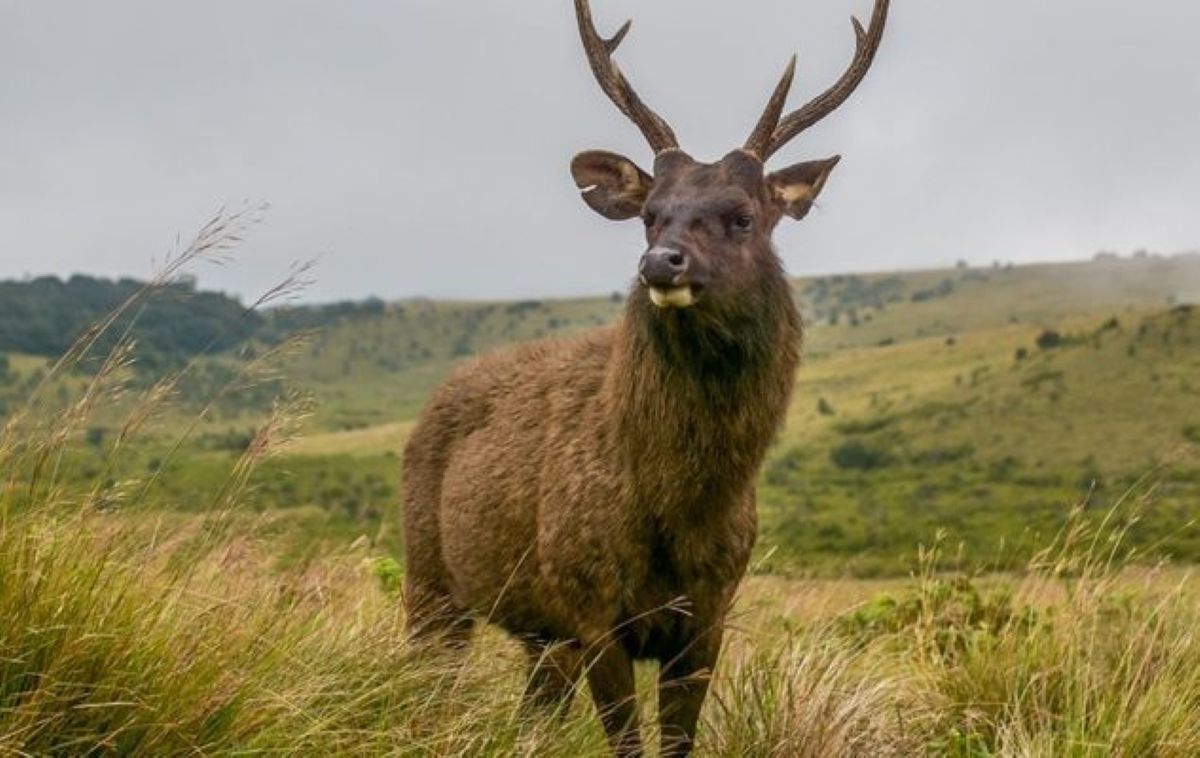
Image Credit dwc.gov.lk
A visit to Horton Plains will make you feel the park has put an enchantment spell on you. You will feel an energizing effect of the thinned air, helping you overcome the heavy air down in the lowlands close to the beaches. Here, you will feel the presence of an ancient energy. Light shining at the start of the day will illuminate the fields and create a golden hue to the view. Light will illuminate wild orchids in the forests and will shine through the dew. Looking down from the edge and listening to the rumbling of the falling water will inspire in you the feeling how a small world can feel as you stand on the edge of the world. You know you are not just taking a selfie at the average lookout. So you have seen Horton Plains. You will understand why people will travel even with a selfie from the top of the world. You’ll feel why we travel again by the time 2026 comes, the world has healed and we begin traveling once again. Traveling reminds us why we need to be alive.
The Evolution of Global Adventure Tourism and the Growing Demand for Alpine Environments
It has been widely observed that the global hospitality market is undergoing a massive structural shift due to changing consumer motivations. Travelers are moving away from passive leisure activities and actively seeking immersive, physically engaging journeys in remote territories. Horton Plains National Park stands at the absolute vanguard of this transformation by offering a raw, unadulterated wilderness experience that redefines local tourism boundaries. International tour operators are re-engineering their core packages to emphasize these high-altitude terrains, recognizing that modern vacationers demand far more than standard sightseeing options.
Advertisement
Advertisement
This shifting dynamic forces destination management companies to re-evaluate their long-term infrastructure investments and promotional campaigns. By pivoting toward highlands and inland forest reservations, operators can tap into a highly lucrative market segment dominated by experiential travelers. This evolution reduces the economic strain on coastal ecosystems, which have traditionally borne the brunt of mass tourism. Industry analysts note that this strategic geographic redistribution of visitors preserves natural heritage while unlocking brand-new revenue streams for remote regional economies in Sri Lanka.
Geoclimatic Realities and the Massive Structural Appeal of Montane Microclimates
Advertisement
Advertisement
Reports indicate that this UNESCO World Heritage Site sits majestically at an elevation exceeding 2,100 meters, which equals roughly 6,900 feet above sea level. This massive altitude creates a distinct microclimate marked by brisk mountain winds, thick morning fog, and unique cloud forests. Experts point out that the sweeping wet-zone grasslands, known locally as patanas, provide a stark contrast to the surrounding dense woods. From an industry perspective, the unique climate of the highlands plays a critical role in drawing visitors during hot seasons, as global warming trends shift traveler preferences toward cooler alpine destinations.
As a result, the region’s chilly atmosphere provides a natural relief that traditional sun-and-sand packages simply cannot match. This shift helps balance seasonal tourism, ensuring a steady stream of incoming international arrivals throughout the year across the central plateau. Climatologists and hospitality experts emphasize that these unique climatic pockets are becoming increasingly rare and exceptionally valuable. As global temperatures fluctuate, the reliable coolness of this plateau acts as a premium selling point for high-end international vacation packages, attracting corporate retreat groups and independent explorers who are actively fleeing the oppressive humidity of lowland metropolitan centers.
Advertisement
Advertisement
Redefining Sustainable Foot-Traffic Management via Low-Impact Infrastructure Models
Reports indicate that the primary way to discover this terrain is through a well-maintained 9-kilometer circular hiking trail. This loop remains highly accessible to individuals possessing moderate fitness levels. Generally, walkers spend about 3 to 4 hours completing the trek at an easy, relaxed pace. Journalists emphasize that the loop allows visitors to safely view the most critical ecological landmarks without damaging the surrounding environment. Travel operators view this specific trail as a perfect model for sustainable foot-traffic management because the path is clearly defined, preventing hikers from wandering off and damaging fragile alpine plants.
From an operational standpoint, the circular nature of the pathway ensures a continuous, one-way flow of pedestrian traffic. This smart design prevents bottlenecking at narrow passes and maintains a sense of isolation and tranquility for the hiker. Hospitality researchers assert that crowd perception directly influences overall customer satisfaction in nature tourism. By utilizing a continuous loop system, Horton Plains National Park preserves the psychological illusion of entering an untouched wilderness, even during peak visitor hours.
Iconic Visual Landmarks and the Global Impact of Shared Travel Imagery
Advertisement
Advertisement
Observers have stated that the absolute crown jewel of the entire journey is World’s End, a precipice that features a staggering vertical drop of nearly 900 meters, or 2,953 feet. On completely clear mornings, onlookers can view the sprawling southern plains stretching out toward the distant Indian Ocean coastline. However, experts warn that arriving early is absolutely crucial because a dense blanket of low clouds usually rolls in by mid-morning, hiding the view. Additionally, explorers will encounter Mini World’s End along the way, which offers its own impressive 270-meter drop.
This famous viewpoint significantly influences global marketing campaigns by providing iconic, highly shareable imagery. The dramatic drop at the cliffside serves as the perfect visual centerpiece for promotional brochures and digital media platforms. Tourism experts highlight that such awe-inspiring locations naturally generate organic word-of-mouth promotion online, which ultimately reduces the need for expensive, institutional marketing campaigns overseas. The breathtaking edge of this massive cliff serves as a powerful visual hook that instantly captures attention on global media platforms, driving independent bookings far more effectively than traditional paid advertisements.
The Economic Influence of Aquatic Assets in Wellness Tourism
As the path snakes backward through the mountain forest, the roaring sound of rushing water guides travelers directly toward Baker’s Falls. This magnificent waterfall, named in honor of the British explorer Samuel Baker, stands 20 meters high and cascades over broad, dark rock tiers. The waterfall is framed beautifully by lush ferns and vibrant rhododendrons, creating a refreshing oasis for weary hikers exploring the highland terrain. This natural landmark underscores the growing importance of freshwater assets in the global outdoor recreation sector.
Travel analysts emphasize that pristine water features drastically increase the psychological value of a trekking destination. Clean, unpolluted rivers and waterfalls attract premium wellness tourists who seek deep relaxation and a sense of purity. Therefore, preserving these aquatic ecosystems remains a top commercial priority for the regional hospitality sector in Sri Lanka. Water-based attractions also act as vital staging areas where visitors linger, extending the duration of their park visit and translating into increased demand for professional guiding services, local hospitality amenities, meditation retreats, and eco-photography courses.
Preserving Endemic Wildlife and Capitalizing on Specialized Avian Tourism Markets
Advertisement
Advertisement
Biologists confirm that the sanctuary is far more than a collection of pretty viewpoints; it functions as a critical biodiversity hotspot. Due to the extreme isolation of the central highlands, unique plant and animal species have evolved here that exist nowhere else on the planet. While large resident mammals like the Sri Lankan Sambar deer populate the open fields, the region is particularly renowned for hosting endemic avian species found nowhere else on earth. This concentrated biodiversity acts as a powerful magnet for specialized international wildlife photographers, birdwatchers, and avian researchers.
The global travel sector recognizes that high-spending niche groups, like avid birdwatchers, bring significant revenue to rural economies. These travelers generally stay longer and spend more on local guides and specialized eco-lodges, providing direct, measurable economic benefits to surrounding communities. Furthermore, the presence of resident animal herds and unique cloud-forest flora enhances the educational value of the entire reserve. International universities and environmental groups regularly organize field research expeditions to these high-altitude cloud forests, providing steady, non-seasonal commercial support to nearby towns and elevating the park’s global reputation as an essential center for ecological study.
Strategic Logistics and the Long-Term Benefits of Strict Conservation Frameworks
To guarantee a successful trek, travel advisors suggest that advance preparation is highly beneficial for international visitors. Guides strongly recommend that groups pass through the main security gates by 6:00 AM to beat the heavy fog. Since morning temperatures routinely drop close to freezing before dawn, wearing multiple layers of clothing and sturdy, high-grip footwear is essential. Finally, authorities enforce a strict no-plastic policy at the entrance, where rangers inspect all bags to ensure that single-use packaging is removed prior to entry into Horton Plains National Park.
These strict conservation measures heavily influence how international operators organize their itineraries. The absolute ban on single-use plastics forces businesses to educate clients about eco-friendly habits before they arrive. While these checks require extra time, they elevate the park’s status as a top-tier green destination. Modern global travelers openly praise these eco-conscious rules, which enhances the overall reputation of the destination while establishing a zero-tolerance policy for litter. Ultimately, these proactive ecological protocols shield the destination from the negative impacts of over-tourism seen in other parts of Asia, protecting the long-term commercial viability of the park for future generations.
Hydrological Dominance and the Watershed Role of the High-Altitude Central Plateau Basin
Advertisement
Advertisement
The high-altitude montane plateau functions as the primary catchment basin for three major river systems in Sri Lanka, namely the Mahaweli River, the Kelani River, and the Walawe River. Spanning a protected geographical territory of roughly 3,160 hectares (31.6 square kilometers), this expansive upland terrain actively intercepts massive volumes of monsoonal moisture and dense cloud precipitation throughout the year. The dense sponge-like soil structure and wet grasslands effectively retain rainwater, regulating the steady release of freshwater into downstream agricultural regions and major hydroelectric generation facilities across the island.
Global travel curators and environmental planners increasingly utilize these vital hydrological assets to construct specialized educational itineraries for eco-conscious visitors. By highlighting the direct ecological link between protected watershed ecosystems and regional energy sustainability, local tourism boards demonstrate the immense value of intact headwaters. The sustainable management of these high-altitude water sources opens up innovative opportunities for cross-sector financial investment, where entry fees and specialized green travel programs directly fund critical watershed conservation projects and community-led environmental initiatives.
Topographical Peak Expeditions and High-Altitude Summit Backcountry Routes
Beyond the standard circular hiking loop, this protected wilderness encompasses two of the highest mountain summits in Sri Lanka, featuring Kirigalpoththa, which reaches a towering elevation of 2,389 meters (7,838 feet), and Thotupola Kanda, rising to 2,357 meters (7,733 feet) above sea level. The sanctuary’s complex topographical profile fluctuates between 1,200 meters and 2,300 meters, creating a dramatic landscape of steep ridges, high-altitude valleys, and exposed mountain slopes that appeal directly to international alpine enthusiasts.
Adventure operators integrate these challenging peak ascents into specialized multi-day outdoor packages aimed at experienced mountaineers seeking physically demanding terrain away from crowded tourist routes. For instance, the Kirigalpoththa Summit Trail requires a rigorous 14-kilometer round-trip trek through remote backcountry corridors, catering to technical hikers looking for complete wilderness isolation. Conversely, the shorter Thotupola Kanda Path involves a direct 2-kilometer high-altitude climb, providing an accessible yet breathtaking panoramic perspective of the central massif for time-constrained explorers.
Deep Paleolithic Human Heritage and Ancient Prehistoric Settlement Settlements
Advertisement
Advertisement
Archaeological investigations conducted across the central highlands demonstrate that human activity on the plateau dates back to the Mesolithic period, with significant stone tool artifacts and prehistoric micro-blades discovered near Belilena and neighboring rock shelters. Scientific radiocarbon analysis confirms that early human hunter-gatherers utilized controlled burning techniques for primitive foraging and localized plant management over 18,000 years before the present era, establishing a long human connection to the highland landscape.
Integrating this profound cultural and anthropological history into standard natural landscape tours allows international travel agencies to market unique heritage-driven wilderness experiences. Combining deep prehistory with high-altitude outdoor trekking enhances overall visitor engagement, transforming a standard nature walk into an educational journey through early human survival. This rich historical framing broadens the destination’s appeal among global academic groups, historical researchers, and culturally curious travelers seeking a multi-dimensional getaway.
Extreme Meteorological Dynamics and Seasonal Thermal Relief Patterns
The high-altitude microclimate maintains an average annual temperature of 15°C (59°F), with daytime maximum temperatures rarely exceeding 22°C (72°F), while pre-dawn winter temperatures routinely plunge below 0°C (32°F), frequently producing shimmering ground frost across the grasslands. The region records a substantial annual precipitation range varying between 2,000 millimeters and 5,000 millimeters, driven by the powerful interactions of both the southwest and northeast monsoons.
These distinct climatic conditions provide an indispensable foundation for climate-adapted destination marketing. As global temperatures continue to rise, international hospitality providers utilize these reliable atmospheric metrics to target vacationers seeking relief from intense heatwaves in urban lowland centers. By promoting the reliable coolness and crisp air of the plateau, destination management organizations can effectively balance seasonal tourist flows, maintaining strong international visitor arrivals during periods when coastal resorts experience extreme summer heat.
Precambrian Rock Geology and Tectonic Evolution of the Highland Massif
Advertisement
Advertisement
The fundamental geological foundation of Horton Plains National Park consists of ancient Precambrian metamorphic rock formations belonging to the Highland Series, which formed more than 540 million years ago. The underlying terrain is dominated by dense deposits of charnockite, granitic gneiss, and khondalite rocks, which over millions of years of intense weathering and tectonic movement produced the sheer vertical precipices seen at World’s End.
Geotourism packaging leverages these ancient geological features to build highly specialized educational excursions for science-focused travelers. Specialized travel programs centered on structural petrology, continental drift, and mountain formation attract academic study groups and geological enthusiasts from around the world. Establishing these niche educational segments generates reliable, non-seasonal travel revenue that directly supports local expert guides, geological researchers, and surrounding hospitality businesses.
High-Density Canopy Architecture and Rare Botanical Endemism in Cloud Forests
The plateau’s diverse botanical landscape features more than 750 species of plants distributed across 20 distinct botanical families, with nearly 20% of these plant species being completely endemic to Sri Lanka. The protected area spans roughly 2,000 hectares of wet patana montane grasslands and 1,160 hectares of dense subtropical evergreen cloud forests characterized by a compact 20-meter canopy composed largely of ironwood trees (Calophyllum walkeri).
High-value eco-tourism initiatives rely heavily on preserving this delicate botanical diversity to offer premium guided field excursions. Specialized botanical tours targeting rare endemic orchids, ancient tree ferns, and alpine lichens allow travel designers to attract international naturalists and plant conservationists. These niche travel demographics consistently demonstrate a willingness to pay premium rates for certified botanical experts, driving valuable economic resources into surrounding local communities.
Rare Herpetofauna Habitats and Specialized Night Expedition Market Potential
Advertisement
Advertisement
Detailed biological surveys confirm that the park provides critical habitat for 9 species of reptiles and 8 species of amphibians, many of which display total local endemitism confined strictly to these cold highland habitats. Notable micro-faunal species include the endemic dwarf lizard (Lophodeira) and several distinct species of montane shrub frogs (Pseudophilautus) that have adapted specifically to the high-humidity conditions of the upper cloud canopy.
Developing low-impact nocturnal nature excursions along the outer boundaries of the park creates lucrative supplementary revenue streams for certified local nature guides. High-end eco-lodges utilize specialized biological observations and night photography workshops to attract dedicated wildlife enthusiasts. These unique nocturnal activities encourage visitors to extend their stay in gateway towns such as Ohiya and Pattipola, maximizing regional spending on accommodation, dining, and local transport services.
Multi-Modal Mountain Railway Infrastructure and Carbon-Neutral Transit Logistics
The regional transportation network connects Horton Plains National Park directly to the historic Main Line Railway, featuring high-altitude train stops at Pattipola (1,897 meters) and Ohiya (1,774 meters). This scenic mountain railway system offers a low-emission, highly atmospheric transit alternative for environmentally conscious global travelers navigating the steep terrain of the central hills.
Tour operators and travel designers increasingly combine scenic high-altitude rail trips with guided backcountry hiking packages to offer seamless, carbon-neutral itineraries. Replacing private road vehicles with low-carbon rail transportation significantly reduces the overall environmental impact of remote mountain travel. Aligning local transit logistics with global sustainability standards establishes the region as a forward-thinking destination for environmentally responsible international tourism in Sri Lanka.
The Final Verdict
You know you will never really feel that part of you go when you leave Horton Plains, but something about it makes you think you might. Sri Lanka having you back means you say goodbye to a part of yourself, and you say thank you to all you’ve experienced, especially these stunning, humbling things. Mountains like these, and experiences like yours make you feel your smallness in this big, stunning world. You have to show more gratitude for what will be, and hopefully what already is, at Horton Plains. Travel should be much more than placing ticks on your list of the places you’ve been. The kids lost at Horton Plains will remind you of how they marveled at everything while you appreciate things with a still, appreciative mind. That’s why the breeze at the top will take you back because it makes you appreciate those quiet, tranquil moments. When you have to go back to the humdrum of daily life, you can appreciate it more because these experiences you’ll have at Ontario Plains Nature will give you a new outlook on life by 2026.
Advertisement
