
Ottawa Aligns Toronto and Montreal to Show 58% of Canadian Travel Plans Now Domestic in 2026

Published
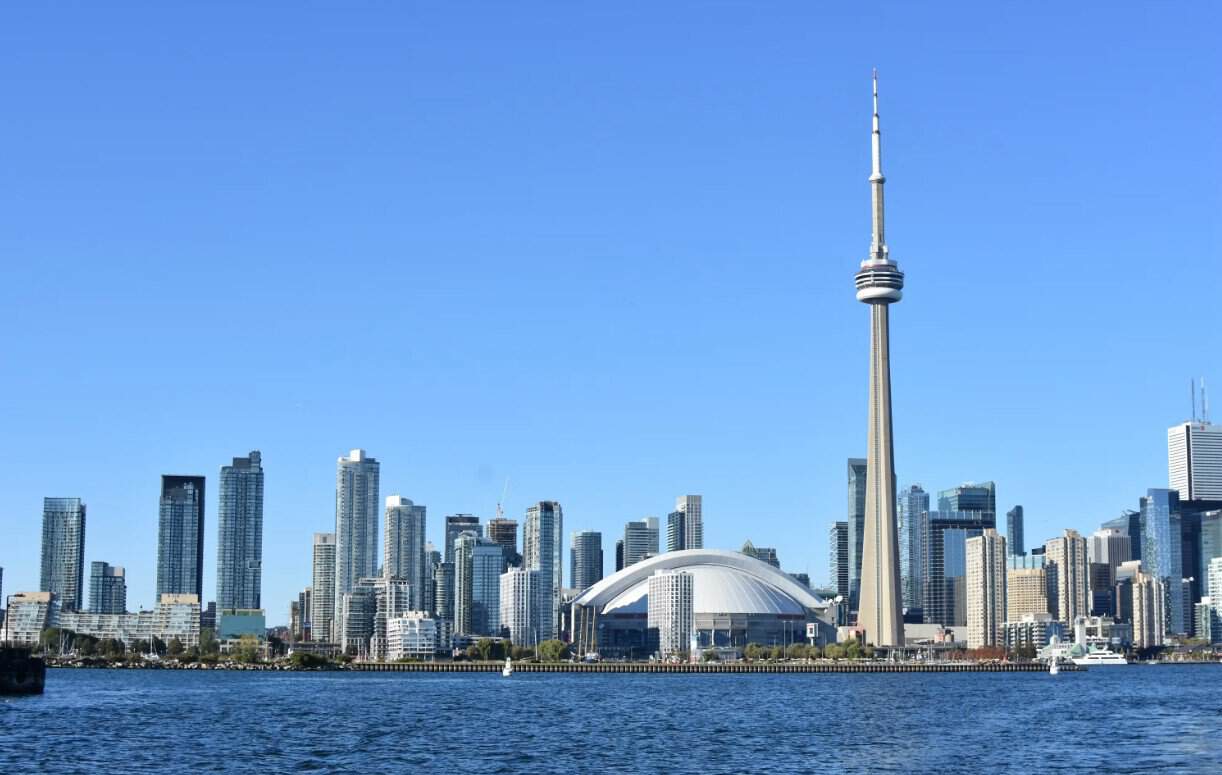
Image generated with Ai
Canadian tourism is rapidly changing due to economic and behavioral conditions. By 2026, the spotlight has been fully transitioned to domestic travel within Canada, and the relevance it has to the economy as a whole. The new report from Environics Analytics indicates that Canadians have an impressive capability of planning 58% of their trips domestically. More residents are visiting local areas and finally using local businesses to meet their needs. This paper analyzes the reasons for the newfound popularity of domestic travel. This includes some statistical analysis, the economic influence, and the new impacts to the travel industry overall.
Background of Canada’s Domestic Tourism Renaissance
Canada’s tourism sector has historically relied heavily on both international inbound visitors and the prolific outbound travel habits of its own citizens. For decades, Canadian residents have been known for their propensity to escape the harsh winter months by migrating southward or exploring overseas destinations during the long summer holidays. However, as of September 2026, a fundamental shift has permanently altered this dynamic. The evolution of Canadian domestic travel plans is no longer a temporary reaction to global health crises or short-term border restrictions; it has matured into a structural, permanent characteristic of the nation’s leisure economy.
Advertisement
Advertisement
The transformation began cautiously but accelerated rapidly in response to macroeconomic pressures. Inflationary headwinds throughout 2024 and 2025, coupled with a persistently weak Canadian dollar against the United States greenback, prompted households to reconsider their discretionary spending limits. Instead of reducing travel entirely, Canadians pivoted. They began to recognise the vast, untapped potential of their own provinces and territories. This behavioural pivot has birthed a true domestic tourism renaissance. Exploring the rugged coastlines of the Maritimes, the cultural hubs of Central Canada, and the majestic peaks of the Rockies is no longer viewed as a secondary option, but rather as a primary, highly desirable vacation choice.
Moreover, a heightened appreciation for the security, predictability, and logistical ease of staying within national borders has profoundly influenced the modern Canadian traveller. By circumventing the complexities of international aviation—ranging from fluctuating border regulations to the risk of international flight disruptions—families and solo adventurers alike have found solace in domestic itineraries. Consequently, this deep-seated change in consumer behaviour has necessitated a massive recalibration across the entire hospitality and transport ecosystem, setting the stage for what is now a multi-billion-dollar domestic travel boom that heavily defines the 2026 Canadian tourism landscape.
Advertisement
Advertisement
The Environics Analytics Report: Unpacking the 58% Figure
The most definitive evidence of this monumental shift comes from a highly anticipated 2026 report by Environics Analytics, a premier data and analytics firm. According to their comprehensive nationwide analysis of consumer intentions, an astounding 58% of all planned trips by Canadians are now classified as local or domestic getaways. This figure serves as a watershed moment for the industry, categorically proving that Canadian travel trends 2026 are overwhelmingly dominated by internal leisure movements within the country.
Advertisement
Advertisement
Delving into the data, the 58% statistic reveals nuanced sub-trends. First, the definition of these trips heavily leans towards intra-provincial travel—often referred to as ‘local’ getaways. These are journeys where residents explore regions within a three-to-five-hour driving radius of their primary residences. The ‘staycation’ concept has evolved into structured, highly capitalised regional tourism. Cost remains the ultimate determining factor for nearly six in ten Canadians, pushing families to substitute expensive transatlantic flights or costly transcontinental American vacations with road trips to provincial parks, lakeside cottage rentals, and urban weekend excursions in neighbouring municipalities.
Furthermore, the Environics Analytics report highlights that this 58% cohort is not monolithic. It comprises diverse demographic segments, ranging from young urban professionals seeking eco-friendly nature retreats to retired seniors opting for domestic rail journeys or leisurely coastal drives rather than traditional snowbird migrations to Florida or Arizona. By integrating demographic, behavioural, and mobile movement data, Environics Analytics demonstrates that this domestic preference is deeply entrenched across all income brackets. Even affluent households, which traditionally favoured European or Asian destinations, are increasingly allocating significant portions of their annual travel budgets to premium, experiential luxury lodges located in remote Canadian wilderness areas.
Latest Official Developments from Statistics Canada
The sentiment captured by predictive analytics is unequivocally validated by hard macroeconomic data. On the 25th of August 2026, Statistics Canada released its National Travel Survey and Visitor Travel Survey for the first quarter of the year, delivering concrete figures that underscore the strength of the domestic tourism Canada market. During the January to March 2026 period, Canadian residents embarked on a staggering 69.1 million trips that included a domestic visit. This represents a robust 2.3% year-over-year increase, an impressive feat given the traditionally slower nature of first-quarter travel amidst the Canadian winter.
Within this massive volume of movement, same-day visits emerged as a critical driver of economic activity. Canadians undertook 48.8 million same-day excursions during the first quarter, marking a 3.8% increase compared to the previous year. These short-burst travel events are crucial for regional economies, fuelling restaurants, local retail, and day-use recreational facilities. Conversely, while the absolute number of overnight domestic visits experienced a slight contraction of 1.2% to settle at 20.4 million, a vital secondary metric counterbalanced this dip: duration. The Statistics Canada data confirms that the average number of nights spent on overnight domestic trips actually increased by 3.7%, averaging 2.8 nights per trip.
This specific metric signifies that while Canadians might be taking slightly fewer overnight domestic trips during the frigid winter months, they are staying longer when they do choose to travel. This extended dwell time is a highly sought-after commodity in the tourism sector, as it directly correlates with higher per-capita spending on accommodation, dining, and local attractions. The data paints a clear picture: local getaways in Canada have evolved from fleeting weekend escapades into substantive, multi-day holidays that rival the duration and financial commitment of traditional international vacations.
Advertisement
Advertisement
Economic Implications: A Multi-Billion Dollar Domestic Boost
The financial ramifications of this domestic travel surge are nothing short of transformative for the broader Canadian economy. According to the first-quarter 2026 figures from Statistics Canada, residents spent an astonishing $14.5 billion on domestic tourism between January and March alone. This represents a 5.1% year-over-year increase, outstripping broader national inflation metrics and indicating a genuine growth in real consumer spending within the sector.
Breaking down this $14.5 billion injection reveals the mechanics of the domestic tourism economy. For same-day visits, Canadian residents spent an average of $101 per trip. While this may seem modest in isolation, multiplied across 48.8 million trips, it results in nearly $5 billion flowing directly into local petrol stations, cafes, municipal transit systems, and regional attractions. For overnight visits, the economic footprint expands significantly. Canadians spent an average of $471 per overnight visit, funnelling vital capital into the hotel and lodging sector, which has been aggressively pivoting to capture this exact domestic demand.
The multiplier effect of this domestic spending cannot be overstated. When a Canadian household redirects its holiday budget from a foreign resort to a domestic destination, that capital is retained securely within the national economy. It supports local employment, generates vital municipal and provincial tax revenues, and stimulates secondary industries such as agriculture (through local food procurement by restaurants) and construction (through the ongoing renovation and expansion of hospitality infrastructure). At a time when the broader national economy faces pressures from fluctuating commodity prices and global trade uncertainties, the $14.5 billion first-quarter injection serves as a vital economic stabiliser.
The Decline of Outbound Travel and the American Market Shift
To fully comprehend the magnitude of the domestic travel boom, it is essential to examine the corresponding decline in outbound tourism, particularly to the United States. Historically, the US has been the undisputed primary destination for Canadian outbound travellers. However, early 2026 saw a precipitous drop in this cross-border traffic, further cementing the dominance of Canadian domestic travel plans.
Statistics Canada reported that Canadian residents took only 5.5 million trips that included an outbound visit to the United States in the first quarter of 2026. This constitutes a sharp year-over-year decline of 10.6%. More strikingly, the expenditures associated with these US visits plummeted by 13.6%, totalling $5.0 billion. The sheer volume of capital that was not exported to the American economy in the first quarter represents capital that was overwhelmingly redirected into the domestic Canadian market. This downward trend actually represents a continuation of patterns observed earlier; in February 2026 alone, Canadian-resident return trips from the US were down 12.5%, marking the 14th consecutive month of year-over-year decline.
Advertisement
Advertisement
Several factors have coalesced to suppress southbound travel. The currency exchange rate remains a formidable barrier; with the Canadian dollar struggling to gain meaningful ground against the US dollar, American vacations have become prohibitively expensive for the middle-class Canadian family. An average of $206 spent per same-day trip to the US, and a staggering $1,344 per overnight visit, highlights the steep financial cost of cross-border leisure. Furthermore, shifting political climates and a growing desire for domestic economic solidarity have subtly influenced consumer sentiment. The result is a structural rebalancing where the American sunbelt is increasingly losing market share to domestic Canadian destinations.
Government Announcements and Strategic Initiatives
Recognising the unprecedented momentum within the domestic market, federal and provincial governments have been highly proactive in rolling out strategic initiatives designed to nurture and sustain this growth. Destination Canada, a federal Crown corporation, has heavily realigned its marketing strategies to capitalise on the Environics Analytics travel data. While international inbound marketing remains a crucial component of their mandate, there has been a noticeable intensification of campaigns aimed squarely at encouraging Canadians to explore their own vast backyard.
In recent policy developments leading up to the summer of 2026, the federal government announced significant funding injections aimed at bolstering regional tourism infrastructure. This includes robust grants for Indigenous tourism operators, a sector that is experiencing exponential domestic demand as Canadians increasingly seek authentic, culturally enriching experiences. The Indigenous Tourism Association of Canada (ITAC) has partnered with federal agencies to ensure that rural and remote communities are equipped to handle the influx of domestic visitors without compromising their cultural integrity or environmental sustainability.
Furthermore, Parks Canada has introduced new digital reservation systems and dynamic pricing models to manage the record-breaking demand for national park access. Investments in campground modernisations, enhanced trail networks, and expanded visitor centres reflect a governmental acknowledgement that Canadian domestic travel plans require robust, modern infrastructure to ensure high-quality visitor experiences. By actively facilitating domestic travel through targeted grants and infrastructural upgrades, the government is signalling its unwavering commitment to making domestic tourism a permanent pillar of Canada’s economic strategy.
Policy Implications for the Future of Canadian Domestic Travel Plans
As domestic tourism solidifies its position as the preferred choice for 58% of Canadian travellers, policymakers are being forced to critically re-evaluate outdated transport and taxation frameworks. A primary concern within the industry is the high cost of interprovincial travel. Canada’s vast geographic expanse makes domestic aviation a necessity rather than a luxury for inter-regional movement. However, historically high airport landing fees, aviation fuel taxes, and security surcharges have often made it cheaper for a resident of Toronto to fly to Europe than to fly to Vancouver.
Advertisement
Advertisement
Industry lobby groups, including the Tourism Industry Association of Canada (TIAC), are currently pressuring the federal government to review the user-pay model of Canadian airports, arguing that reducing the tax burden on domestic aviation is critical to sustaining the current tourism momentum. In response, Transport Canada has initiated preliminary reviews regarding aviation competitiveness, recognising that affordable domestic airfare is a strict prerequisite for long-term domestic tourism growth.
Simultaneously, there is renewed policy focus on passenger rail infrastructure. The ongoing development of VIA Rail’s High Frequency Rail (HFR) project along the heavily populated Quebec City-Windsor corridor is being touted as a potential game-changer for domestic travel. By promising faster, more reliable, and more frequent train services, policymakers aim to provide a low-carbon, highly efficient alternative to driving or flying, further incentivising Canadians in the nation’s most densely populated regions to finalise their Canadian domestic travel plans within the country.
Industry Impact: Adapting to the New Canadian Traveller
The private sector has not been idle in the face of these shifting consumer preferences. The hospitality and tourism industry is undergoing a rapid, systemic adaptation to cater specifically to the domestic traveller. Historically, many premium Canadian resorts and tour operators tailored their offerings exclusively to wealthy international tourists or American corporate retreats. Today, the focus has shifted entirely to the domestic market, fundamentally altering business models across the country.
Hotels and accommodation providers are redesigning their promotional strategies from the ground up. There is a marked increase in ‘staycation’ packages that include dining credits, free parking, and family-friendly amenities, designed specifically to attract local residents seeking a weekend escape without the hassle of long-distance travel. The short-term rental market has seen a massive surge in demand for rural properties, lakeside cabins, and mountain chalets, reflecting the post-pandemic desire for private, self-contained vacation environments that offer both luxury and isolation.
Aviation companies are also drastically adjusting their route networks. Airlines such as Air Canada, WestJet, and Porter Airlines have expanded their domestic schedules, increasing flight frequencies on secondary and tertiary routes that bypass major international hubs. Porter Airlines, in particular, has leveraged its expanding fleet to connect underserved regional markets, providing Canadians with more direct options to explore domestic destinations. The industry’s overarching strategy is abundantly clear: remove the friction from domestic travel and provide exceptional value to ensure that the 58% of Canadians choosing to stay local continue to do so year after year.
Advertisement
Advertisement
Regional Perspectives: How Different Provinces are Faring
The surge in domestic tourism is not evenly distributed; it manifests differently across Canada’s incredibly diverse geographic regions, bringing unique economic benefits to different provinces. In Atlantic Canada, provinces like Nova Scotia, New Brunswick, and Prince Edward Island are experiencing a historic boom in the ‘drive market’. The Maritimes have successfully branded themselves as safe, scenic, and culturally rich destinations, drawing massive numbers of road-trippers from Ontario and Quebec. The Atlantic regional travel concept has evolved into a permanent regional tourism powerhouse, supported by aggressive joint-marketing campaigns by the Atlantic provincial tourism boards.
In Central Canada, the dynamic is characterised by a heavy reliance on hyper-local getaways. Ontario and Quebec, housing the vast majority of the nation’s population, are seeing immense activity in their respective ‘cottage countries’—such as Muskoka, the Kawarthas, and the Laurentians. Furthermore, urban tourism in Toronto, Montreal, and Ottawa is being actively sustained by domestic visitors attending local festivals, sporting events, and cultural exhibitions. The short-distance travel metric thoroughly dominates this region, perfectly aligning with the Environics Analytics data regarding the overwhelming preference for local, highly accessible trips.
Western Canada continues to leverage its spectacular natural assets to draw domestic crowds. British Columbia and Alberta remain the premier destinations for domestic travellers seeking unparalleled outdoor adventure. However, there has been a noticeable shift from mass tourism in well-known hotspots like Banff and Whistler toward lesser-known regional provincial parks and quiet coastal communities, as domestic travellers seek to avoid overcrowding and discover hidden gems. Finally, Northern Canada—comprising the Yukon, Northwest Territories, and Nunavut—is carving out a highly lucrative niche. While the overall volume of visitors is lower, the financial yield is exceptionally high, with adventurous Canadians spending significant sums on aurora borealis viewing, Arctic safaris, and authentic Indigenous cultural immersions.
The Environmental and Sustainability Factor
An often-overlooked but vital dimension of the shift in Canadian domestic travel plans is the profound environmental benefit. As global awareness of the climate crisis intensifies, a rapidly growing subset of the Canadian population is actively choosing domestic holidays specifically to reduce their personal carbon footprint. Sustainability is an increasingly important factor in travel decision-making, particularly among younger demographics who are acutely aware of the environmental cost of long-haul aviation.
By substituting long-haul international flights with regional road trips or domestic rail travel, Canadians are significantly lowering the greenhouse gas emissions associated with their leisure activities. The tourism industry is responding to this eco-conscious demand by aggressively expanding sustainable infrastructure. There has been a rapid deployment of electric vehicle (EV) charging stations along major tourist corridors, including the Trans-Canada Highway, enabling completely emission-free road trips across vast stretches of the country.
Advertisement
Advertisement
Furthermore, eco-lodges, zero-waste restaurants, and low-impact outdoor operators are experiencing disproportionate growth within the domestic market. Destination Canada statistics and official messaging have deeply integrated sustainability into their core marketing, promoting the idea that exploring one’s own country is not only economically beneficial but also fundamentally environmentally responsible. This seamless alignment of economic constraints, geographic convenience, and environmental ethics creates a powerful trinity that solidifies the long-term viability of the domestic tourism trend well into the future.
Future Outlook: Sustaining the Domestic Momentum Beyond 2026
As we look towards the final quarter of 2026 and into 2027, the most pressing question for economists and industry stakeholders is whether this profound domestic momentum can be sustained over the next decade. The overwhelming consensus among economists, industry leaders, and data analysts is a resounding yes. The structural shifts that have made domestic travel the definitive choice for 58% of Canadians are not transient fads. While currency exchange rates may eventually fluctuate, the newly discovered appreciation for domestic destinations, coupled with the immense capital investments made in regional tourism infrastructure, has permanently altered the Canadian travel psyche.
Moving forward, the primary challenge for the industry will not be generating demand, but rather intelligently managing capacity. Ensuring that pristine domestic destinations do not become victims of their own success through overtourism will require careful, forward-thinking policy planning, dynamic pricing models, and ongoing investment in secondary and tertiary regional markets. The focus must remain on dispersing travellers evenly across the country and throughout all four distinct seasons, effectively transforming Canada into a true 365-day domestic playground for its citizens.
Ultimately, the verified reports and hard macroeconomic data from 2026 paint a vivid picture of a nation that has looked inward and found immense, previously overlooked value. By choosing to spend their holidays, their capital, and their valuable leisure time within their own borders, Canadians are actively constructing a more robust, resilient, and dynamic national economy. The era of the simple Canadian staycation has ended; the era of the premier Canadian domestic expedition has officially begun.
Advertisement
