
Costa Rica Strengthens Eco-Lodge Standards to Protect Forest Biodiversity

Published
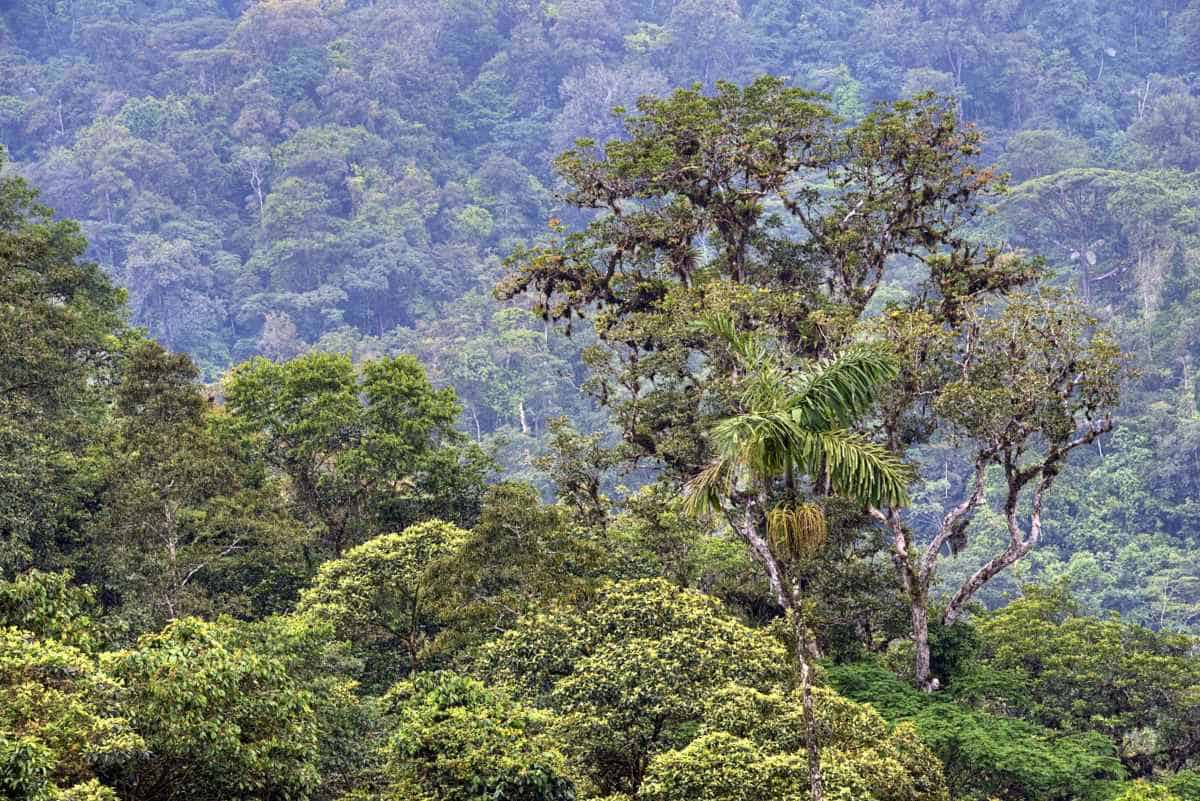
Costa Rica, a major destination in terms of rainforest and nature tourism, keeps raising the environmental standards for tourism enterprises working in the vicinity of its protected areas. The Certification for Sustainable Tourism scheme of Costa Rica assesses tourism enterprises based on their environmental, social, economic and managerial sustainability. The most recent official data available does not confirm the statement that there is a new national protocol in Costa Rica, according to which all rainforest eco-lodges have to provide contiguous canopy bridges and impose guest limitations after third-party audits. This information cannot be considered an officially adopted requirement of Costa Rica. The country does, however, have an elaborate system of conservation, which combines tourism management and biodiversity conservation.
Protected Areas Remain Central to Costa Rica Travel
The National System of Conservation Areas, known as SINAC, manages Costa Rica’s protected wildlife areas and plays a central role in conservation and sustainable tourism.
Advertisement
Advertisement
SINAC states that protected wildlife areas are important to the country’s ecotourism sector and contribute to sustainable development in surrounding communities. Its tourism programme focuses on managing visitor flows, improving tourism services and controlling the environmental effects of tourism activity.
For international travellers, this framework covers some of Costa Rica’s best-known nature destinations, including national parks, wildlife refuges, wetlands and biological corridors.
Advertisement
Advertisement
The country’s protected-area network gives visitors access to rainforest, cloud forest, coastal ecosystems and wildlife habitats while providing a structured basis for managing tourism.
Biological Corridors Connect Wildlife Habitats
Costa Rica also maintains a national programme for biological corridors.
Advertisement
Advertisement
SINAC defines biological corridors as areas intended to connect protected wild areas with other landscapes, ecosystems and habitats, helping maintain biodiversity and ecological processes. The country currently has 44 biological corridors covering about 33% of its continental territory, according to SINAC.
These corridors are particularly relevant to tourism development because accommodation and other visitor infrastructure can sit close to important natural habitats.
Maintaining ecological connectivity can help reduce fragmentation between protected areas while allowing communities to participate in tourism-related economic activity.
For travellers choosing rainforest accommodation, the location of a lodge and its relationship with surrounding forest can therefore be an important consideration alongside facilities, accessibility and wildlife experiences.
Sustainable Tourism Certification Covers Eco-Lodges
Costa Rica’s Certification for Sustainable Tourism, administered by the Costa Rican Tourism Institute, evaluates tourism businesses against a range of sustainability criteria.
The programme assesses business management, social, economic and cultural impacts, environmental impacts and specific indicators relevant to different tourism categories, including accommodation. Environmental assessment includes the effects of a company’s operations and the measures used to reduce, mitigate or adapt those impacts.
Advertisement
Advertisement
The CST framework includes Basic and Elite levels. Applicants must demonstrate compliance with mandatory requirements, while higher certification recognises additional progress in improvement, continuity and external impact.
This gives travellers a recognised framework for identifying accommodation providers that have undergone the country’s sustainability certification process.
Osa Peninsula Highlights Nature-Based Accommodation
The Osa Peninsula is among the regions where conservation and tourism operate closely together.
Corcovado Wilderness Lodge in Osa, Puntarenas, received Elite-level CST certification in February 2026, with its certification valid through February 2029. The property has 30 rooms and is listed within Costa Rica’s official sustainable-tourism certification platform.
The Osa Peninsula is particularly significant for travellers seeking rainforest and wildlife experiences. Its tourism economy is closely connected with the area’s natural environment, making responsible accommodation and visitor behaviour important elements of the destination experience.
Monteverde Adds Another Sustainable Tourism Example
Monteverde provides another example of how conservation and tourism management are being connected.
Advertisement
Advertisement
The Monteverde Cloud Forest Preserve achieved the Elite level of Costa Rica’s Certification for Sustainable Tourism in 2026. The preserve also became the first protected area in Costa Rica to be included on the IUCN Green List in 2026, according to the preserve’s official sustainability information.
The cloud forest destination combines conservation, scientific research, environmental education and visitor experiences. For travellers, this creates an opportunity to explore a protected ecosystem while supporting a tourism model linked directly to conservation activities.
Tourism Growth Requires Stronger Visitor Management
There has been an increasing trend in Costa Rica that focuses more on linking tourism development with environmental management. The sustainable tourism program of the SINAC comprises tools for managing visitors and evaluating the impact of tourism within protected areas. The goals of its program are described as improving tourism services while at the same time limiting the impacts of visits on biodiversity and natural resources. This approach is important because the rising number of people opting for nature-based holidays keeps putting pressure on tourist hotspots. The guidelines for responsible tourists in Costa Rica imply that visitors should follow the rules of the protected areas and use authorised guides, paying attention to nature and wild species. Visitors are advised by SINAC and the Costa Rican Tourism Institute to obtain official information for the desired protected area and to use only certified or permitted tourism operators in Costa Rica. The developed certification process, management of the protected areas, and biological corridors create the basis for developing the tradition of ecotourism in Costa Rica despite the unverified claims about 2026.
Advertisement
