
Alstom Unveils New Train Design Strategy To Cut Costs And Speed Up Global Travel

Published
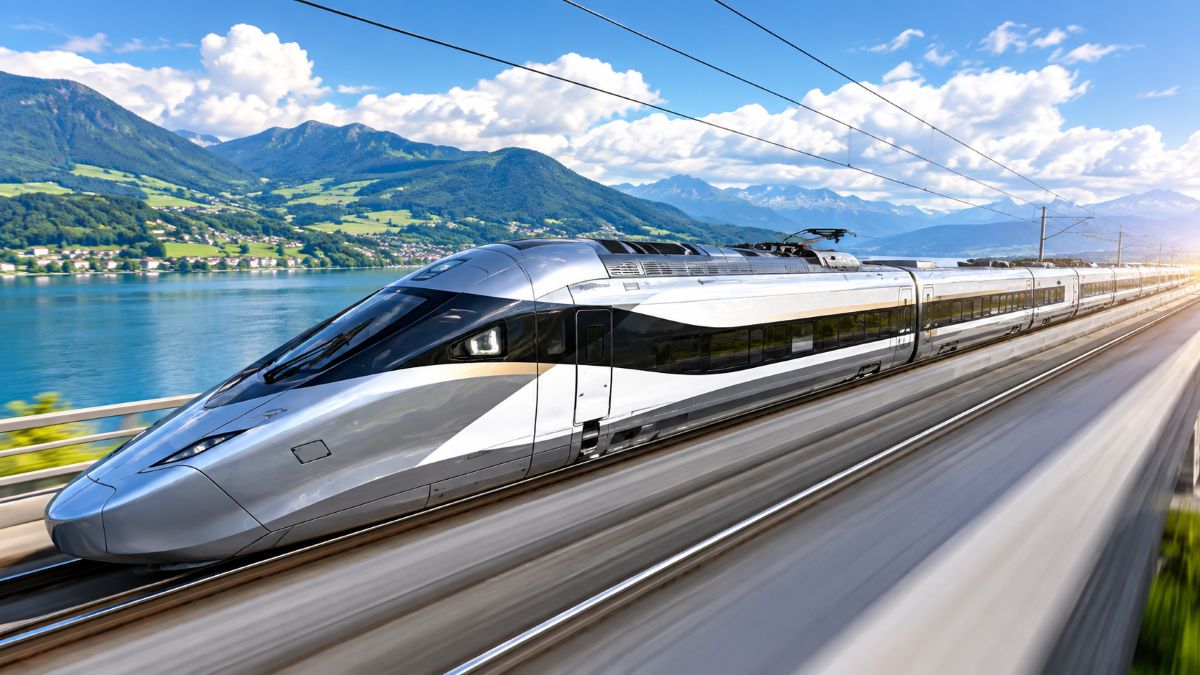
Alstom is reshaping the way it designs and manufactures trains, introducing a more standardised and modular approach aimed at shortening development timelines, controlling production costs and giving rail operators greater flexibility. The French rail manufacturer is building a common design and manufacturing framework across several categories of railway vehicles, while retaining room for operators to tailor trains to local requirements. The strategy could influence how passengers experience future metros, trams, regional services and long-distance rail journeys as manufacturers face growing pressure to deliver sophisticated vehicles faster and at more competitive prices.
At the centre of the initiative is a move away from developing every train almost entirely as an individual project. Instead, Alstom is creating reusable design elements, components and manufacturing processes that can be adapted across multiple programmes. Around 100 designers have contributed to a portfolio of foundational concepts intended to create greater consistency across the company’s future vehicles. The approach combines industrial efficiency with passenger-focused design, placing particular attention on functionality, capacity and onboard comfort. For travellers, the longer-term result could be a recognisable family of trains with modern interiors and more consistent design features across different destinations and transport systems.
Alstom Targets Faster And More Flexible Train Production
The new strategy is built around the principle of modularity. Rather than designing every vehicle from the ground up, Alstom intends to reuse established components and design solutions wherever practical. This could reduce engineering duplication while helping operators receive trains within tighter delivery schedules.
The company’s design philosophy is organised around three broad concepts. One prioritises functional and straightforward vehicles, particularly where operational simplicity and maintainability are important. Another focuses on metros, trams and commuter trains, where passenger capacity and efficient movement through the vehicle are central considerations. A third approach is aimed at regional and longer-distance trains, where passenger comfort and interior space become increasingly significant during journeys.
Advertisement
Advertisement
This framework allows the same underlying architecture to support different railway requirements without making every vehicle identical.
Common Manufacturing Lines Could Change Factory Operations
Alstom is extending standardisation beyond the appearance of its trains and into factory production. The company has developed eight types of manufacturing lines intended to accommodate its wider vehicle portfolio.
Advertisement
Advertisement
The objective is to make production facilities more adaptable. Instead of extensively modifying a factory whenever a new train programme begins, common manufacturing processes can be reused and adjusted for different vehicle configurations.
| Manufacturing Focus | Expected Benefit |
|---|---|
| Common assembly processes | Greater production flexibility |
| Reusable components | Reduced engineering duplication |
| Standardised workstations | Faster preparation for new projects |
| Modular vehicle architecture | Easier adaptation for operators |
| Digital production tracking | Better monitoring and traceability |
| Virtual train testing | Earlier identification of technical issues |
This approach could also help Alstom move projects between facilities when individual factories face capacity constraints. A wider manufacturing network using compatible processes would provide additional flexibility during periods of high demand.
Advertisement
Advertisement
Passenger Experience Remains Central To The New Designs
Although industrial efficiency is a major part of the strategy, the approach is not limited to factory economics. Alstom is also seeking to create different passenger environments according to the type of service.
Metro and tram vehicles require efficient passenger circulation and high capacity because travellers typically spend shorter periods onboard. Regional and long-distance trains have different priorities, with seating, space, comfort and the overall interior environment playing a larger role.
The company’s future visual identity is also expected to use recurring design elements across different train categories. Features such as lighting treatments, front-end shapes, darkened window areas and selected exterior volumes can create visual continuity without preventing operators from choosing specific configurations.
Alstom describes this concept as controlled personalisation, allowing individual projects to retain their own identity while sharing a broader technical and visual foundation.
Advertisement
Advertisement
Digital Technology Moves Train Development Into A Virtual Environment
Another important element is the use of digital engineering before physical production begins. Alstom says its virtual train environment can simulate approximately 85 per cent of a train’s functions before the first physical vehicle is built.
Virtual testing can help engineers identify technical problems earlier in the development process. Detecting issues digitally may reduce the amount of corrective work required after manufacturing begins and potentially shorten subsequent testing programmes.
Digital systems are also being used inside manufacturing facilities. Workers can access assembly instructions through tablets, record the time required for individual tasks and maintain information about components throughout production.
For rail operators, these systems could contribute to more predictable production and improved traceability. For manufacturers, the accumulated production data can reveal recurring delays or process deviations and support future improvements.
A Common Identity Could Shape Future Rail Travel
Alstom’s strategy also has a long-term branding dimension. The company wants passengers to recognise its trains through recurring design characteristics regardless of whether they are travelling on a metro, tram, commuter railway, regional service or high-speed network.
The ambition extends over roughly a decade, suggesting that the visual impact of the strategy will develop gradually as new vehicles enter service.
Advertisement
Advertisement
For passengers, this may create greater familiarity across different rail networks. However, individual operators will continue to determine many aspects of the passenger environment, including configuration, capacity, onboard facilities and local requirements.
Why Standardisation Matters For International Rail Networks
Rail projects are often highly customised because operators work under different regulations, infrastructure conditions, passenger expectations and commercial requirements. Standardisation therefore has to balance efficiency with the need to accommodate local circumstances.
Alstom’s modular approach attempts to address that challenge by separating common technical and manufacturing foundations from elements that require adaptation.
The strategy also reflects broader pressure within the international rail industry. Operators increasingly expect advanced technology, improved passenger facilities and efficient energy performance while seeking shorter delivery periods and controlled costs.
For travellers, the most visible outcome may eventually be trains that combine familiar design features with interiors adapted to specific journeys and markets.
Alstom’s New Approach Could Influence The Next Generation Of Rail Journeys
The company’s latest design philosophy represents a significant shift towards repeatable engineering, modular production and digital testing. Its success will depend on how effectively standardised systems can accommodate the diverse technical and operational requirements of rail networks around the world.
Advertisement
Advertisement
The approach does not mean every Alstom train will look or operate in the same way. Instead, the objective is to create a shared foundation from which different vehicles can be developed more efficiently.
As rail operators expand fleets and modernise public transport networks, faster development and more flexible manufacturing could become increasingly important. Alstom’s strategy places those priorities alongside passenger comfort and recognisable design, potentially influencing the appearance and production of future trains across international travel markets.
Frequently Asked Questions
What is Alstom changing in its train design strategy?
Alstom is moving towards greater standardisation and modularisation so that design elements, components and manufacturing processes can be reused across different train projects.
Why is Alstom standardising its trains?
The strategy is intended to reduce development complexity, control costs, improve manufacturing flexibility and help shorten delivery times.
How many manufacturing line types has Alstom developed?
The company has developed eight types of manufacturing lines intended to support its wider range of railway vehicles.
Will all future Alstom trains look the same?
No. The approach allows operators to customise vehicles while using a common underlying architecture and selected recurring design features.
Advertisement
Advertisement
What types of trains are covered by the strategy?
The design philosophy applies across categories including metros, trams, commuter trains, regional vehicles and longer-distance rail services.
How will passengers benefit from the new approach?
Potential benefits include more efficient vehicle development, passenger-focused interiors and greater consistency in design, although the final experience will depend on each operator and train configuration.
What is a virtual train?
A virtual train is a digital environment used to simulate and test train functions before the physical vehicle is produced.
How much of a train can Alstom simulate digitally?
Alstom says its virtual testing environment can simulate approximately 85 per cent of a train’s functionalities before physical construction.
Will the strategy affect Alstom factories?
Yes. The company is seeking to use common manufacturing processes and compatible production systems across its industrial network.
When could passengers notice the new Alstom design identity?
The visual identity is intended to develop progressively, with the company looking towards recognition of its train designs over a period of about ten years.
Advertisement
