
Liechtenstein Leading Austria and More Countries in Solidifying Central Europe as the Most Demanding Foreign Tourist Market Across the Region With the Biggest Surge in Overnight Stays

Published
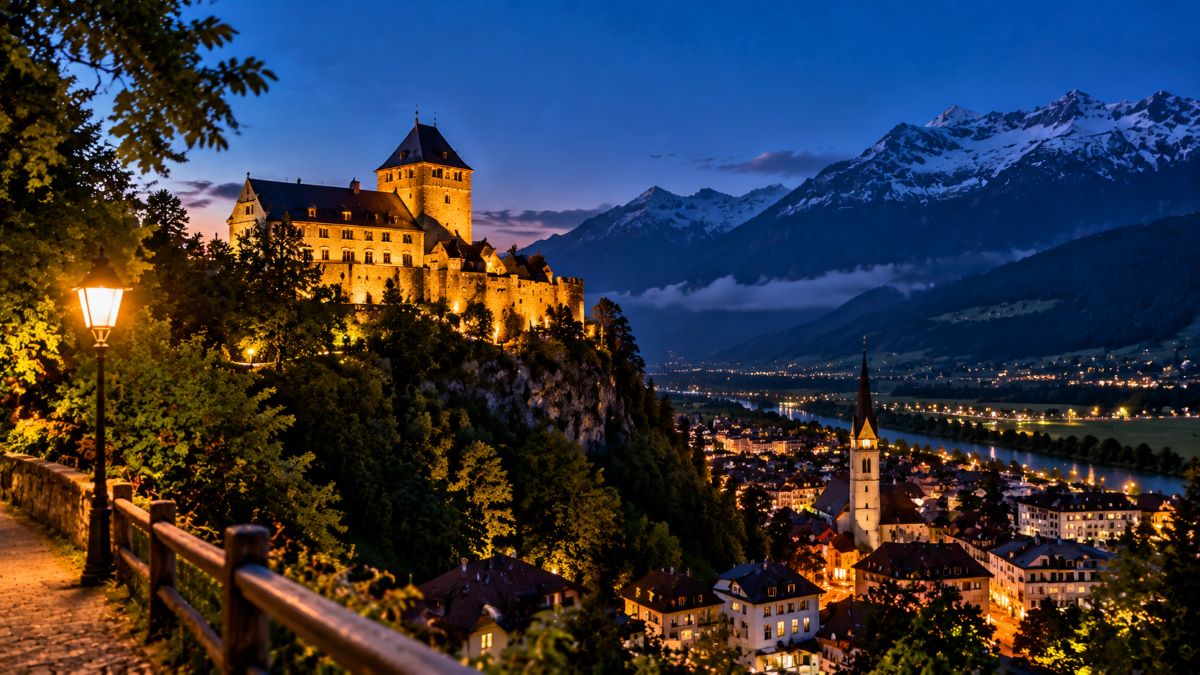
Image generated with Ai
Liechtenstein is leading Austria and more countries in solidifying Central Europe as one of the most demanding foreign tourist markets across the region, with the biggest surge in overnight stays during the first half of 2026 driven by rising demand for nature tourism, cultural experiences, wellness travel and authentic European destinations.
According to Eurostat, the statistical office of the European Union, tourism accommodation overnight stays across Europe increased during the first half of 2026 compared with the same period in 2025. Several Central European destinations emerged as major growth drivers, with Liechtenstein, Slovakia, Slovenia, Hungary, Czechia and Austria recording strong increases. Their performance highlights rising demand for nature tourism, cultural experiences, wellness travel and authentic European destinations.
Advertisement
Advertisement
Liechtenstein: Small Alpine Nation Becomes Europe’s Biggest Tourism Growth Surprise With 16.3% Rise
Liechtenstein emerged as Europe’s strongest tourism growth performer, recording a 16.3% increase in overnight stays during the first half of 2026. The Alpine microstate achieved this milestone by strengthening its appeal as a nature, hiking and premium outdoor destination. Its combination of mountain landscapes, scenic villages, cultural attractions and proximity to Switzerland and Austria has helped attract more international travellers seeking unique European experiences. The country’s focus on sustainable tourism, outdoor adventures and authentic local experiences has positioned it as a rising hidden gem in Europe’s travel landscape.
Austria: Alpine Adventures and Premium Travel Experiences Deliver 1.8% Increase
Austria recorded a 1.8% increase in tourism accommodation overnight stays, continuing its strong reputation as a leading European destination. The country’s growth has been supported by its world-famous Alpine landscapes, winter sports, cultural cities and wellness tourism. Vienna, Salzburg and mountain regions continue to attract international travellers looking for history, luxury and outdoor experiences. Austria’s investment in sustainable tourism, year-round attractions and high-quality hospitality has helped maintain steady demand and strengthen its position within Europe’s competitive tourism market.
Advertisement
Advertisement
Slovakia: Adventure Tourism and Heritage Experiences Drive 5.9% Tourism Surge
Slovakia recorded a 5.9% rise in tourism accommodation overnight stays, making it one of Central Europe’s fastest-growing destinations in 2026. The country achieved this growth by promoting its natural attractions, including the High Tatras mountains, national parks and outdoor adventure experiences. Slovakia has also benefited from increasing interest in affordable European destinations offering culture, wellness and nature tourism. Improved tourism infrastructure, stronger international promotion and growing demand for authentic travel experiences have helped Slovakia become a key contributor to Europe’s tourism expansion.
Advertisement
Advertisement
Slovenia: Green Tourism Strategy Helps Deliver 5.7% Growth in Visitor Stays
Slovenia strengthened its position as a sustainable tourism leader with a 5.7% increase in overnight stays in the first half of 2026. The country’s success has been driven by its strong focus on green tourism, outdoor adventures and high-quality experiences. Destinations such as Lake Bled, Ljubljana, the Julian Alps and coastal towns continue to attract travellers looking for nature, wellness and cultural exploration. Slovenia’s strategy of promoting year-round tourism rather than seasonal travel has helped it capture growing demand from international visitors seeking less crowded European destinations.
Hungary: Budapest and Wellness Tourism Push Overnight Stays Up 3.7%
Hungary recorded a 3.7% increase in tourism accommodation overnight stays, supported by the continued popularity of Budapest, thermal tourism and cultural experiences. The country has successfully attracted visitors through its historic architecture, vibrant city life, festivals and famous spa culture. Budapest remains a major European city-break destination, while wellness resorts and countryside attractions have expanded Hungary’s tourism appeal beyond the capital. Investments in visitor experiences, improved connectivity and competitive travel offerings have helped Hungary strengthen its role as an emerging tourism growth market in Central Europe.
Czechia: Heritage Cities and Cultural Tourism Fuel 2.5% Growth
Czechia achieved a 2.5% rise in tourism overnight stays, supported by its globally recognised heritage, historic cities and cultural attractions. Prague continues to be a major international tourism magnet, attracting visitors with its architecture, museums and cultural events. At the same time, smaller destinations across the country are gaining attention through castle routes, nature tourism and regional experiences. Czechia’s ability to combine iconic attractions with diverse local tourism products has helped it maintain steady growth despite strong competition from other European city-break destinations.
Central Europe’s Tourism Rise: New Growth Engines Transform Europe’s Travel Map
The strong performance of Central European destinations highlights a shift in Europe’s tourism landscape, where travellers are increasingly exploring destinations beyond traditional hotspots. Countries such as Liechtenstein, Slovakia, Slovenia, Hungary, Czechia and Austria are benefiting from growing demand for nature tourism, cultural experiences, wellness holidays and authentic local journeys. Their success shows how strategic tourism development, sustainability initiatives and diverse visitor offerings are creating new growth opportunities across Europe.
| Country | Growth |
|---|---|
| 🇱🇮 Liechtenstein | +16.3% |
| 🇸🇰 Slovakia | +5.9% |
| 🇸🇮 Slovenia | +5.7% |
| 🇨🇿 Czechia | +2.5% |
| 🇦🇹 Austria | +1.8% |
| 🇭🇺 Hungary | +3.7% |
Liechtenstein is leading Austria and more countries in solidifying Central Europe as a demanding foreign tourist market across the region, recording the biggest surge in overnight stays in the first half of 2026 due to growing demand for nature, culture, wellness and authentic travel experiences.
In conclusion, Liechtenstein is leading Austria and more countries in solidifying Central Europe as the most demanding foreign tourist market across the region, with the biggest surge in overnight stays driven by rising interest in nature tourism, cultural experiences, wellness travel and authentic European destinations. The strong performance of Central European countries highlights a shift in traveller preferences towards less crowded locations, sustainable journeys and diverse experiences beyond traditional hotspots. With continued investment in tourism infrastructure, green initiatives and year-round attractions, the region is strengthening its position as a powerful growth centre in Europe’s evolving tourism landscape.
Advertisement
